
Explore
Landmarks & Places
Must-see destinations across Indonesia
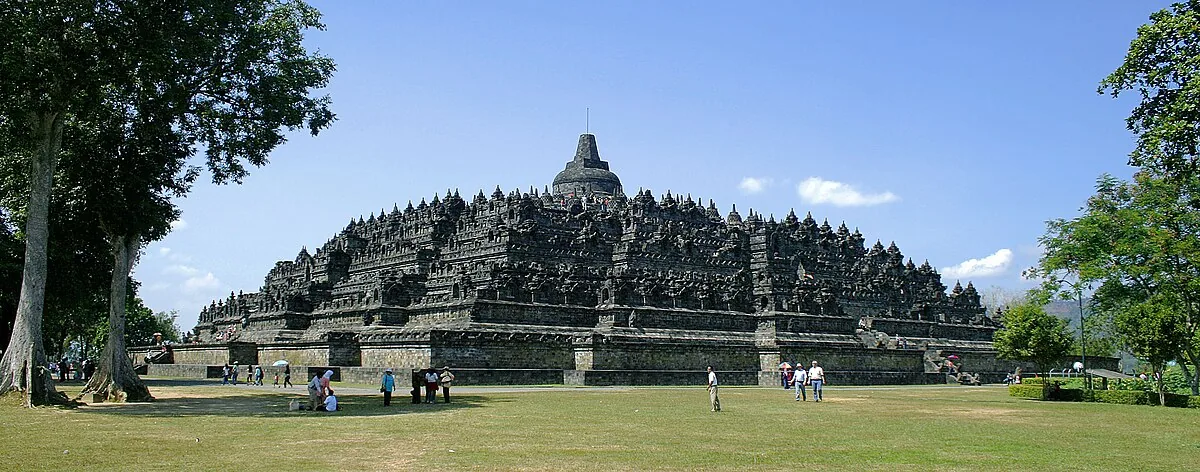
Borobudur Temple
The world largest Buddhist monument features 504 Buddha statues and 2;672 relief panels carved from dark volcanic andesite in the 9th century; the structure is designed as a massive stone mandala reflecting Buddhist cosmology; ascend to the upper circular terraces at 5:15 am to watch the mist peel off the Kedu Plain as the sun silhouettes the 72 perforated stupas against Mount Merapi.
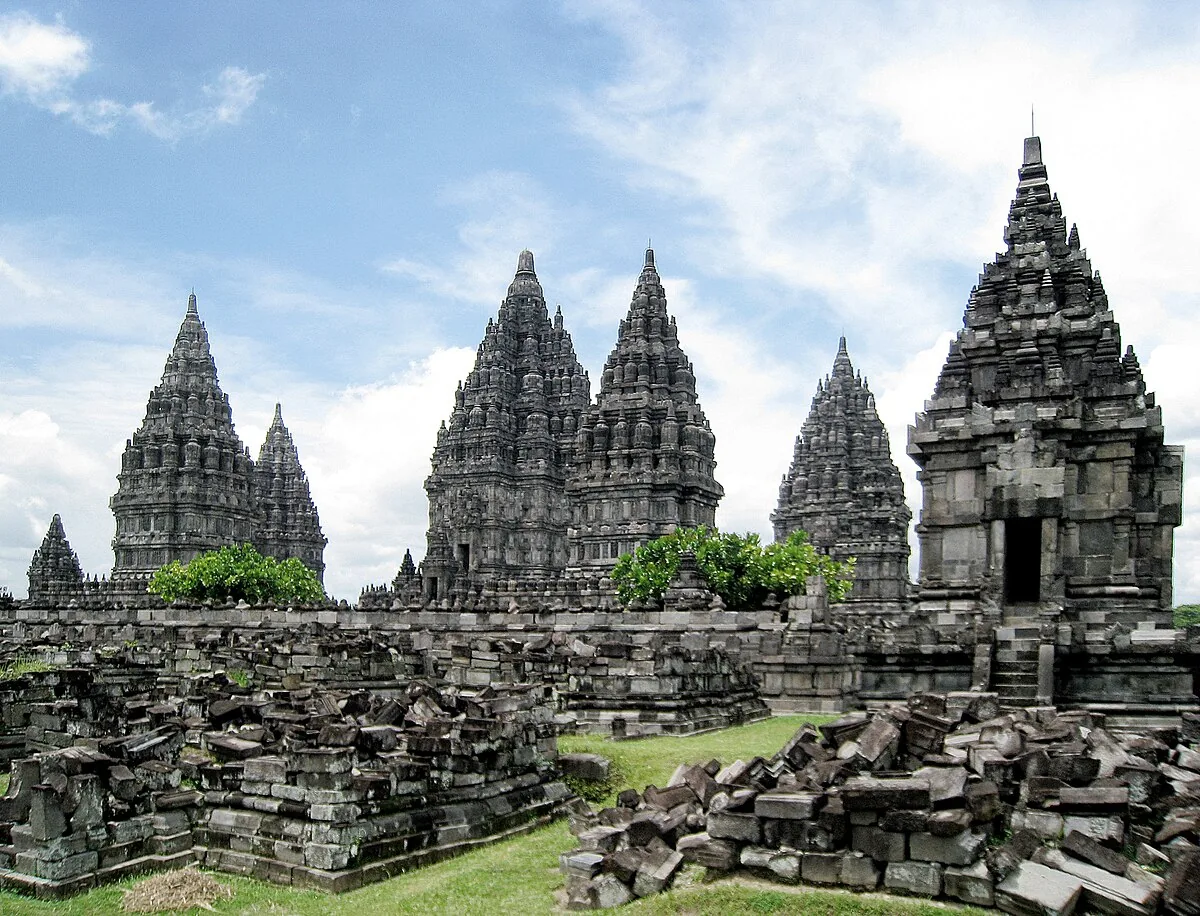
Prambanan Temple
A 9th-century Hindu masterpiece defined by its towering 47-metre central shrine dedicated to Shiva; the jagged stone spires are adorned with intricate Ramayana epic reliefs carved into grey volcanic rock; visit the inner courtyard during the late afternoon when the low sun casts long; dramatic shadows across the sun-bleached masonry; the air carries the faint scent of incense and damp ancient stone.
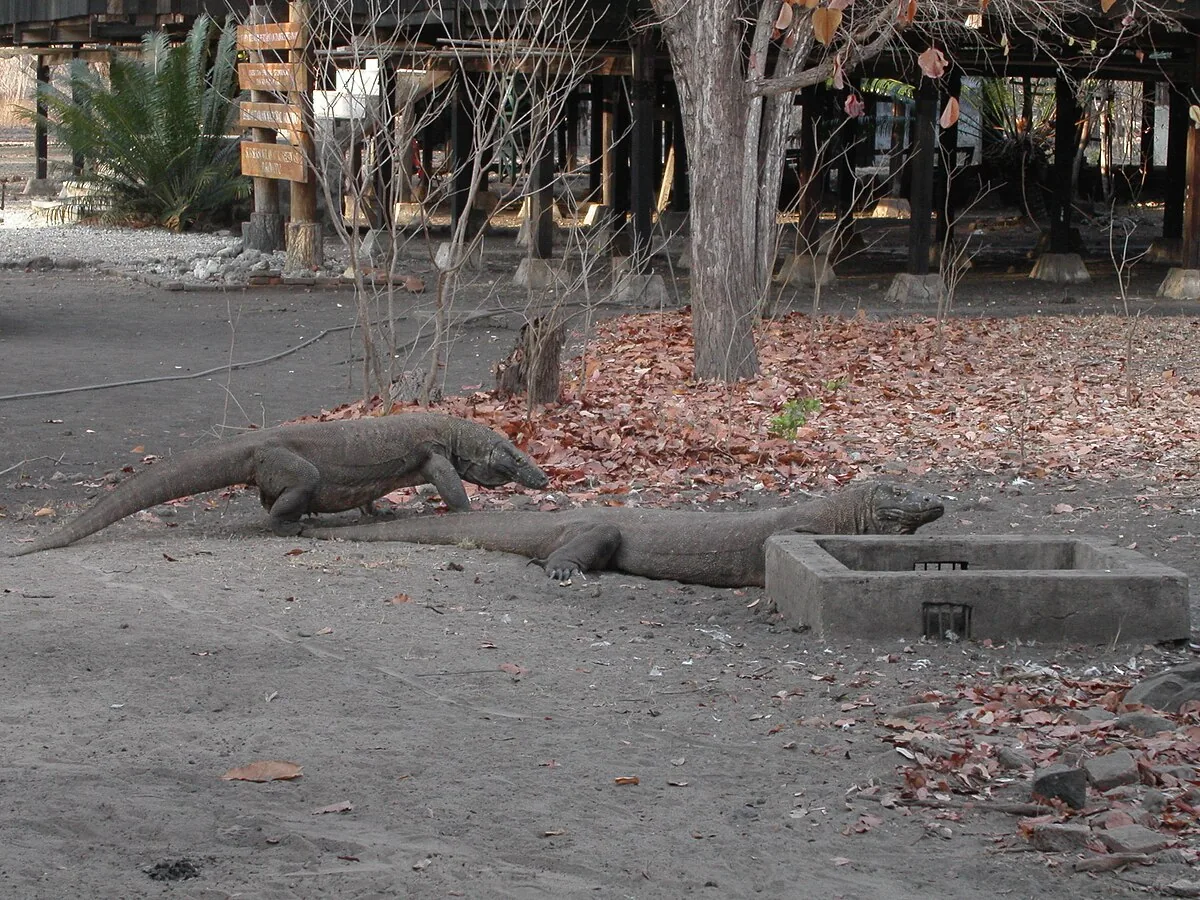
Komodo National Park
A rugged volcanic archipelago where the world largest lizards roam free across savannah-covered hills and pink sand beaches; the surrounding waters of the Sape Strait converge to create a nutrient-dense marine corridor; hike to the summit of Padar Island at dawn; the three distinct bays of turquoise; white; and charcoal-black sand emerge as the pre-dawn indigo light transitions into a searing orange.
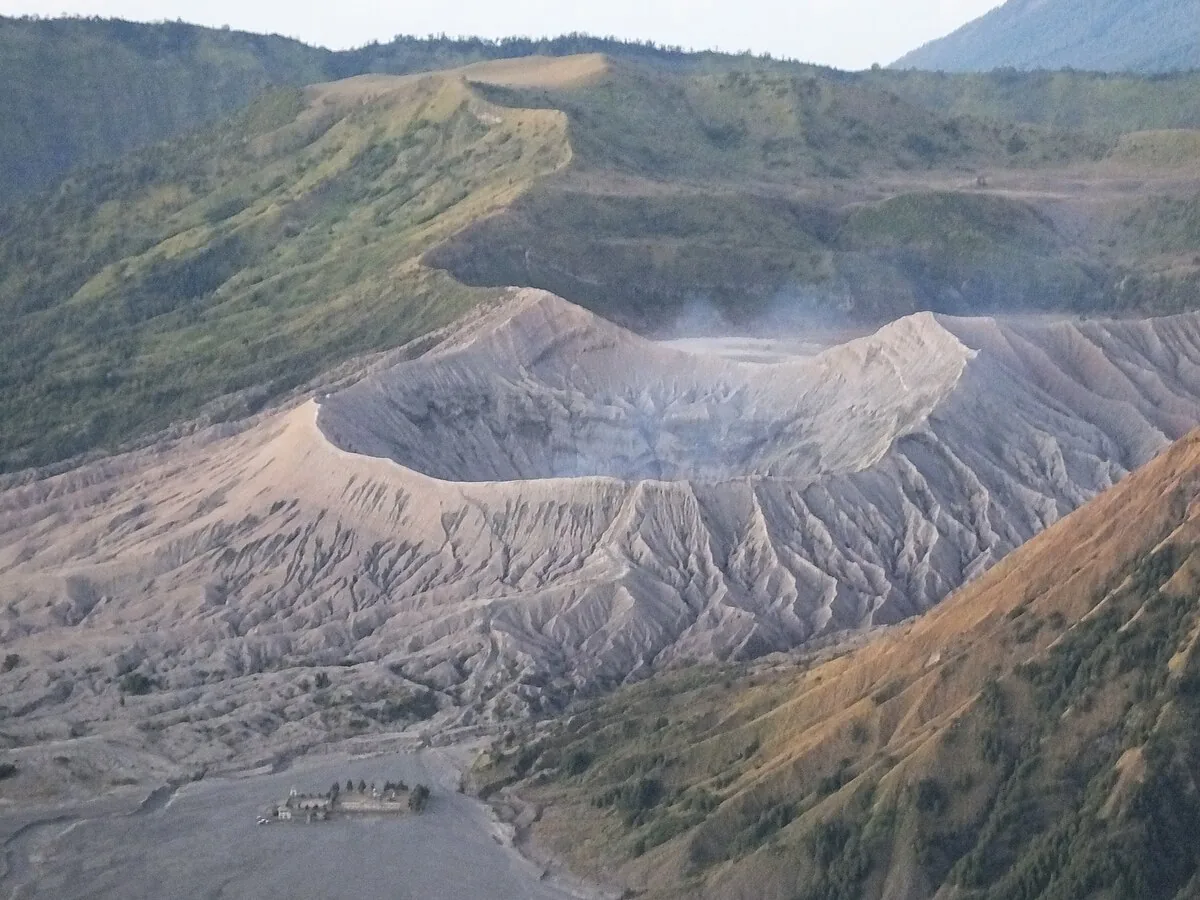
Mount Bromo
An active volcanic cinder cone sitting within the massive 10-kilometre Tengger Sand Sea at 2;329 metres elevation; the landscape is a monochromatic expanse of grey volcanic ash and jagged caldera walls; stand on the rim at sunrise when the sulphur plumes catch the first light and the sound of the 'Sea of Sand' wind whistles through the crevices; the ground vibrates with a low; rhythmic tectonic hum.
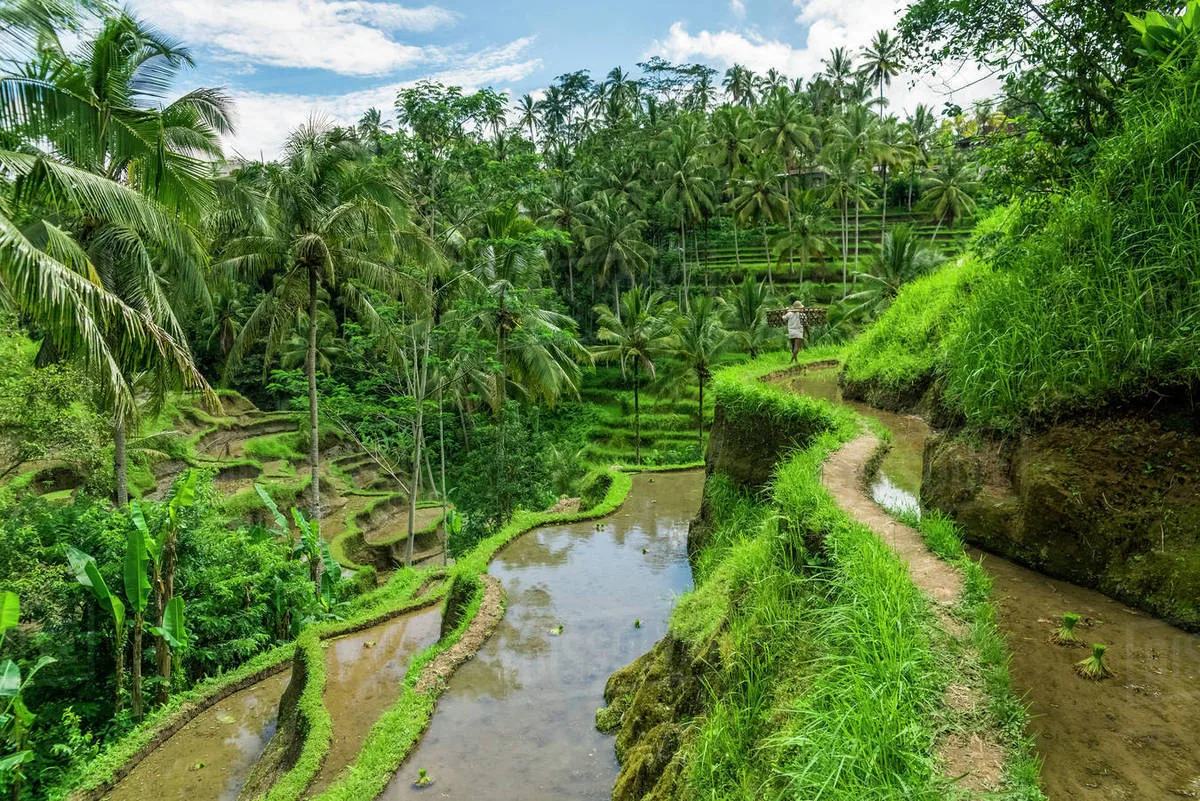
Tegallalang Rice Terrace
A cascading amphitheatre of emerald-green paddies engineered using the 9th-century 'subak' cooperative irrigation system; the steep ravines are lined with coconut palms and moss-slicked irrigation channels; traverse the narrow ridge paths at 7 am when the tropical humidity creates sunbeams through the palm fronds; the only sound is the rhythmic trickle of water through hand-cut bamboo pipes and the scent of wet earth.
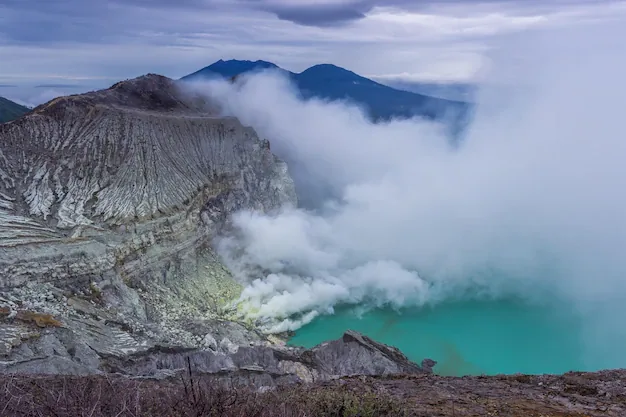
Ijen Crater
A 20-kilometre wide caldera housing the world largest highly acidic turquoise lake and rare 'blue fire' electric flames caused by ignited sulphuric gas; the landscape is a visceral contrast of neon-yellow sulphur deposits and charcoal-black basalt; descend the crater wall at 3 am with a respirator; the sound of hand-hammers clinking against rock and the sight of miners carrying 80-kilogram loads define the brutal; elemental environment.
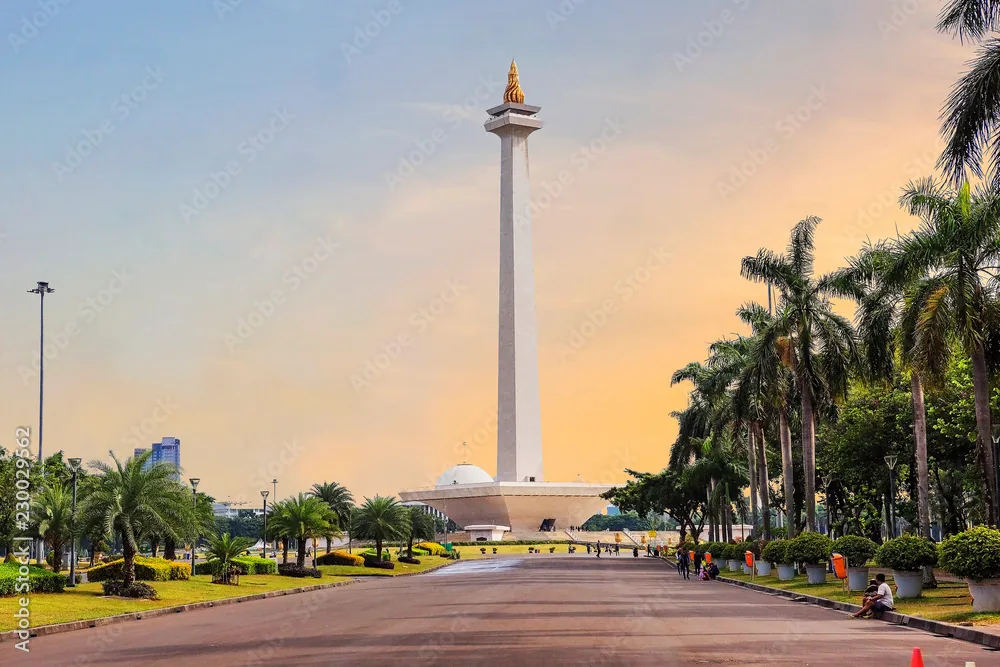
Monas (National Monument)
A 132-metre Italian marble obelisk topped with a 14.5-tonne bronze flame coated in 50 kilograms of gold leaf; the monument symbolises the struggle for Indonesian independence declared in 1945; visit the observation deck at sunset; the city grid of Jakarta ignites with millions of lights while the shadow of the monolith stretches across the laterite-red earth of Merdeka Square; the sound of traffic rises as a distant hum.
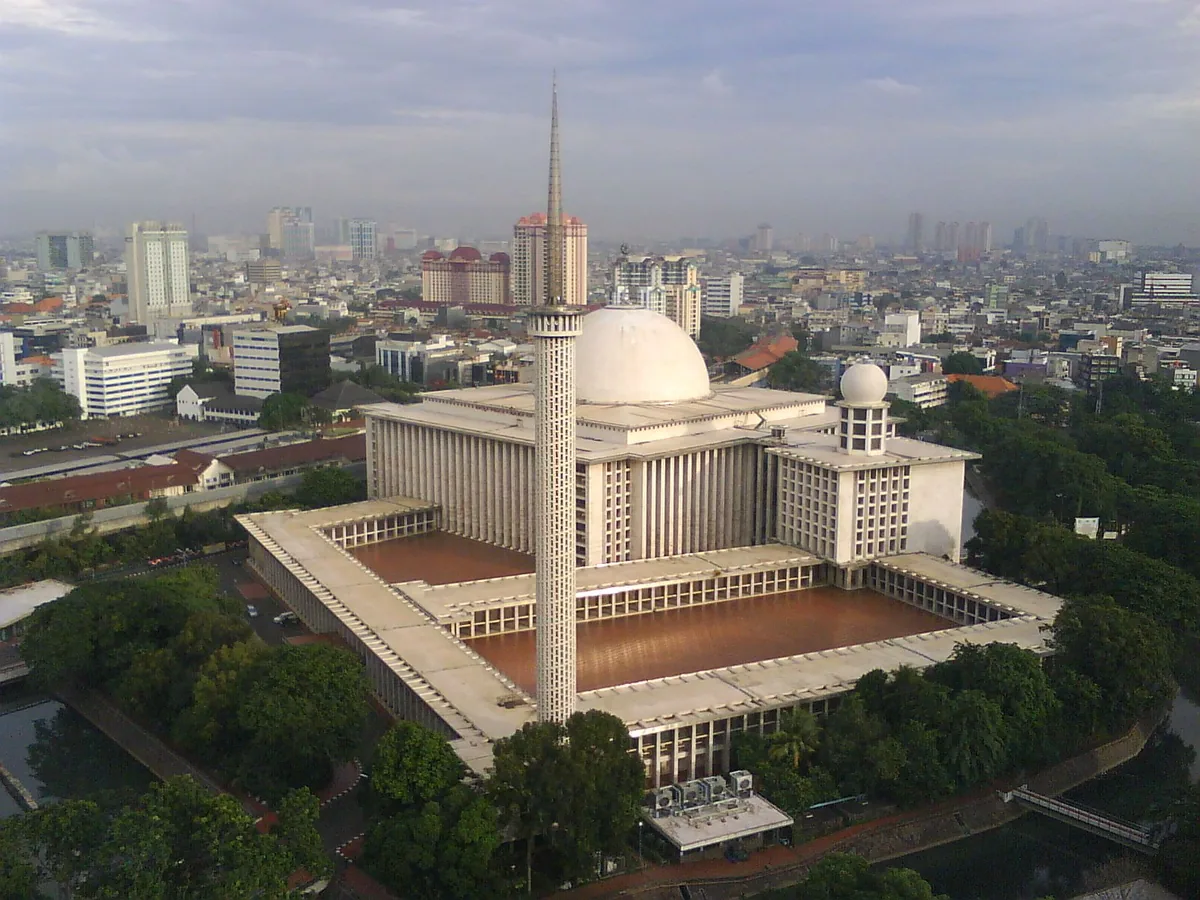
Istiqlal Mosque
The largest mosque in Southeast Asia; built in 1978 with a 45-metre diameter steel dome and white marble walls; designed by a Christian architect to symbolise national unity; the interior can swallow 120;000 worshippers under its massive geometric pillars; enter the main prayer hall at 4 pm; the western light penetrates the stainless-steel latticework; casting sharp; intricate shadows across the five-acre carpeted floor.
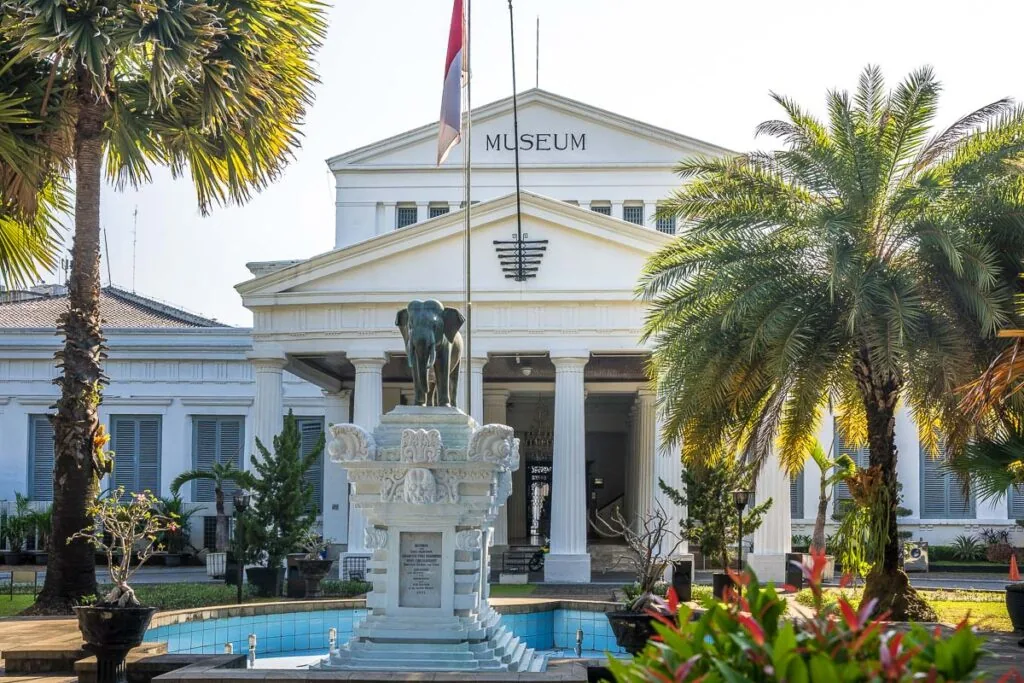
National Museum of Indonesia
Known as the House of Statues; this 1862 Neoclassical institution holds the definitive collection of Javanese Hindu-Buddhist sculpture and the 14th-century Prajnaparamita masterpiece; the central courtyard features massive stone monoliths and bronze elephants gifted by King Chulalongkorn; walk the gold treasury room at opening; the clinical light highlights the hammered texture of pre-colonial royal regalia and 7th-century jewellery.
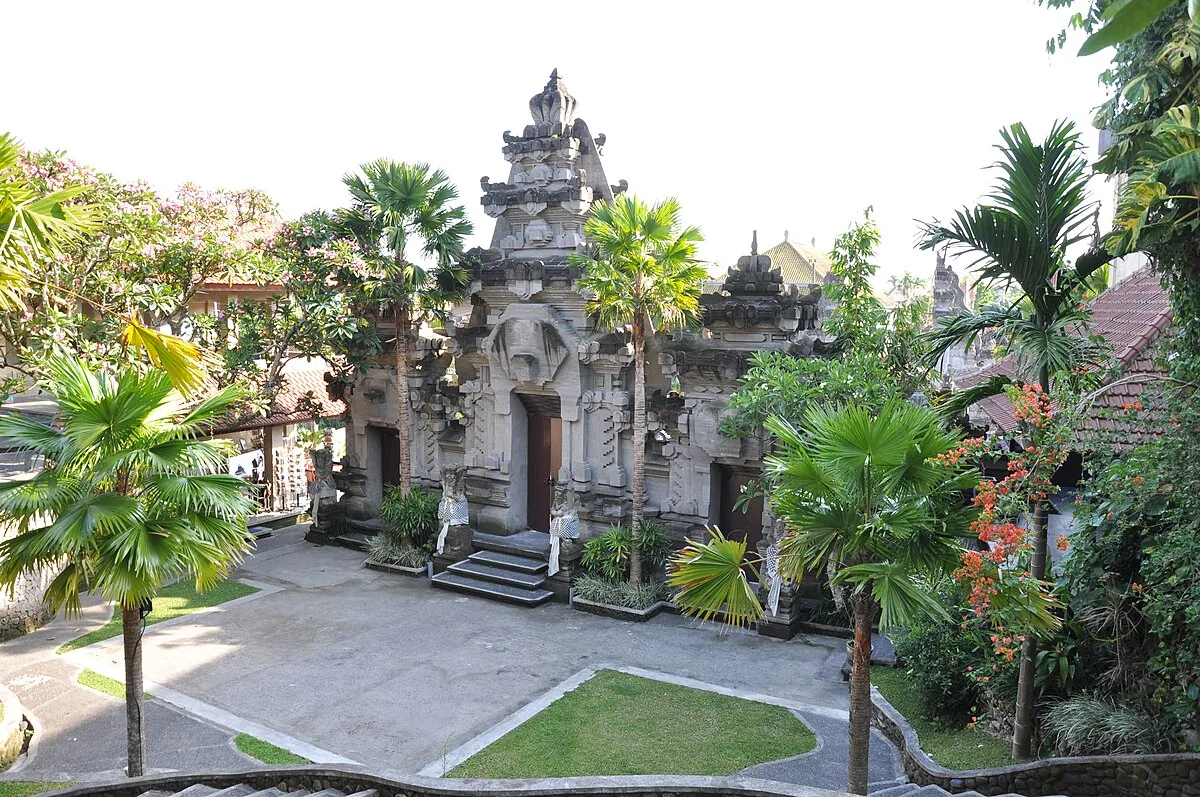
Museum Puri Lukisan
The oldest art museum in Bali preserves the transition of Balinese painting from religious narrative to modern expression across four distinct pavilions; the traditional Wayang-style works are displayed amidst water lily ponds and stone-carved gateways; explore the Pita Maha gallery at midday; the light through the woven thatch roofs highlights the intricate ink-and-wash textures; the air is cooled by the surrounding tropical jungle.
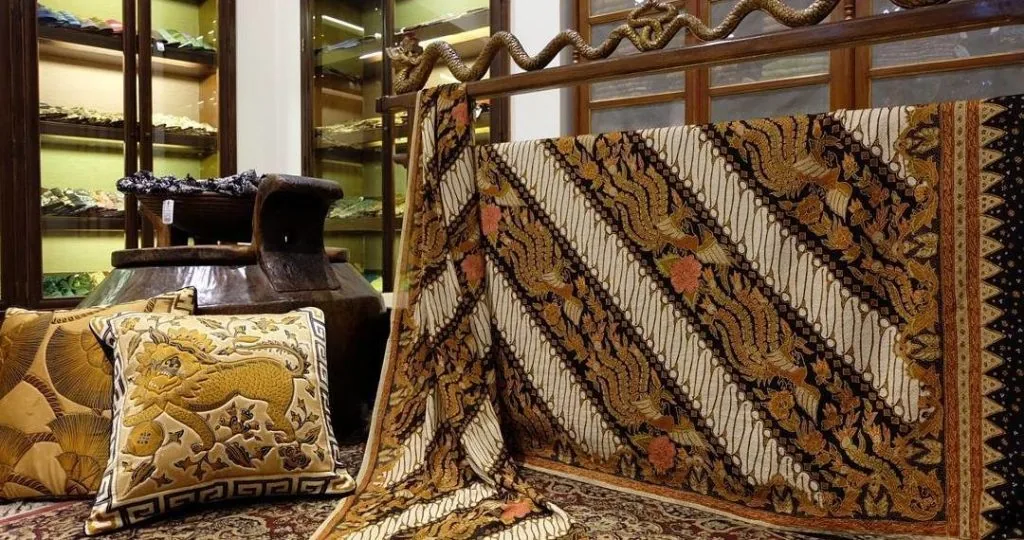
Danar Hadi Santosa Batik Museum
The world definitive collection of hand-drawn batik features over 10;000 pieces spanning the 19th-century royal courts to the Dutch colonial era; the museum is housed in a refined 19th-century Javanese aristocrat mansion; watch the master artisans applying hot wax with a 'canting' at midday; the smell of melting beeswax and paraffin is thick; while the sound of the tool scratching the fine cotton is rhythmic.
Danar Hadi Batik Museum
Ten thousand hand-painted cloths reside in this royal Solo mansion, including rare pieces where European fairy tales were translated into the sacred language of Javanese wax and indigo.
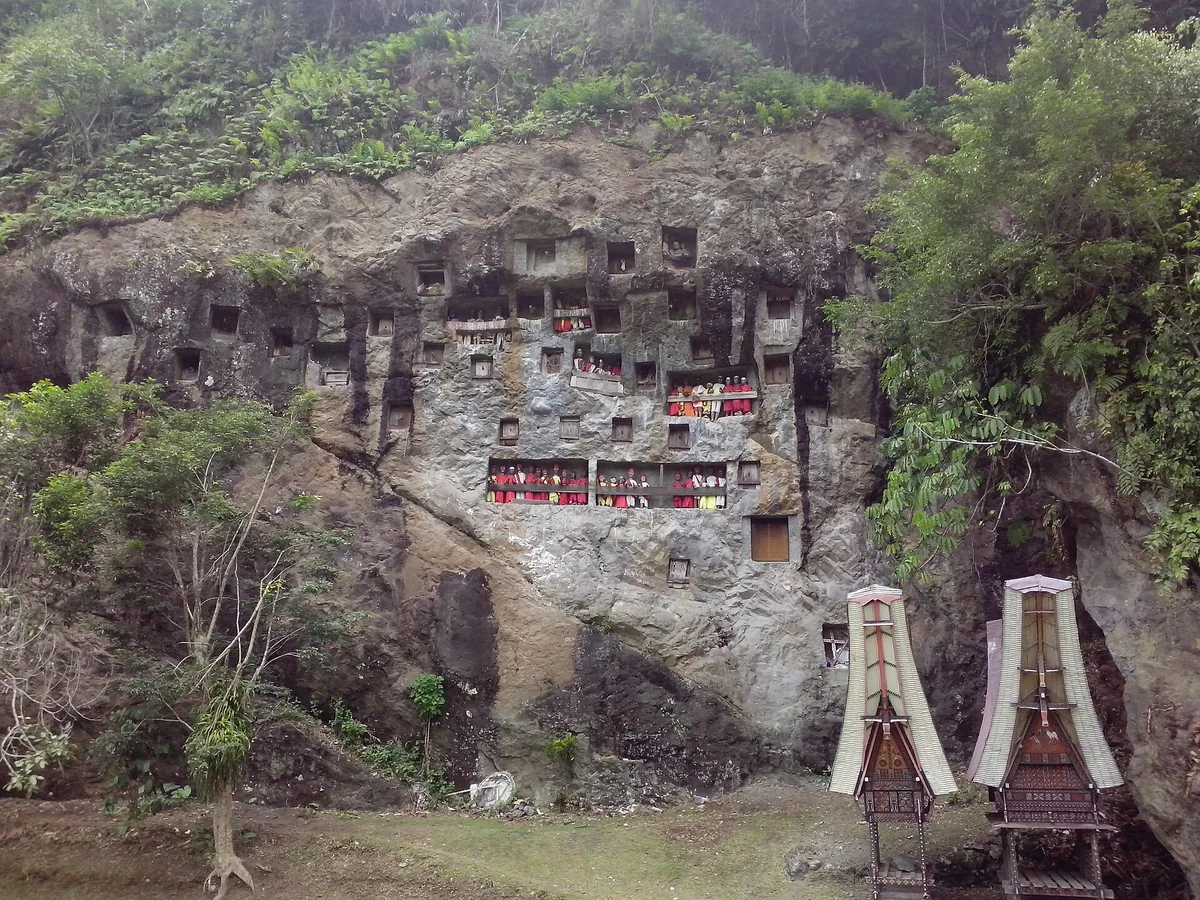
Lemo Burial Cliffs
A sheer limestone rock face featuring hand-carved burial chambers guarded by 'tau-tau' wooden effigies representing the 17th-century Torajan aristocracy; the cliff is a vertical cemetery of moss-slicked stone and weathered timber balconies; attend a funeral ritual during the dry season; the sound of rhythmic chanting and the scent of ceremonial coffee provide a dense; cultural gravity to the sun-bleached limestone landscape.
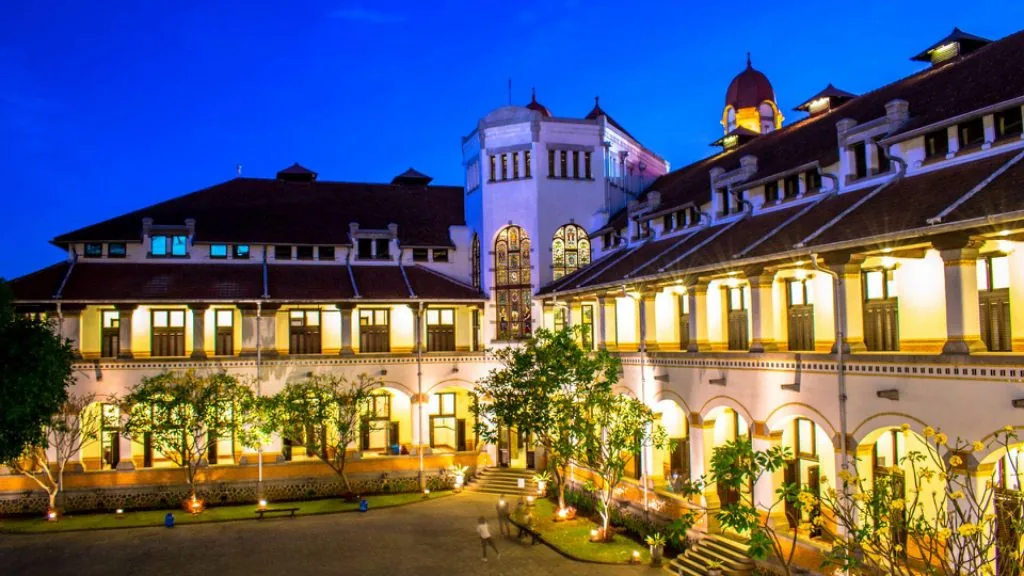
Lawang Sewu
A 1907 Dutch colonial railway headquarters defined by its 'thousand doors' and massive stained-glass windows depicting the transition of power in Java; the Art Nouveau architecture features deep basements and hand-forged iron staircases; explore the north wing at twilight; the light through the Dutch leaded glass turns the tiled corridors amber; the heavy; damp air carries the weight of its 1945 wartime occupation.
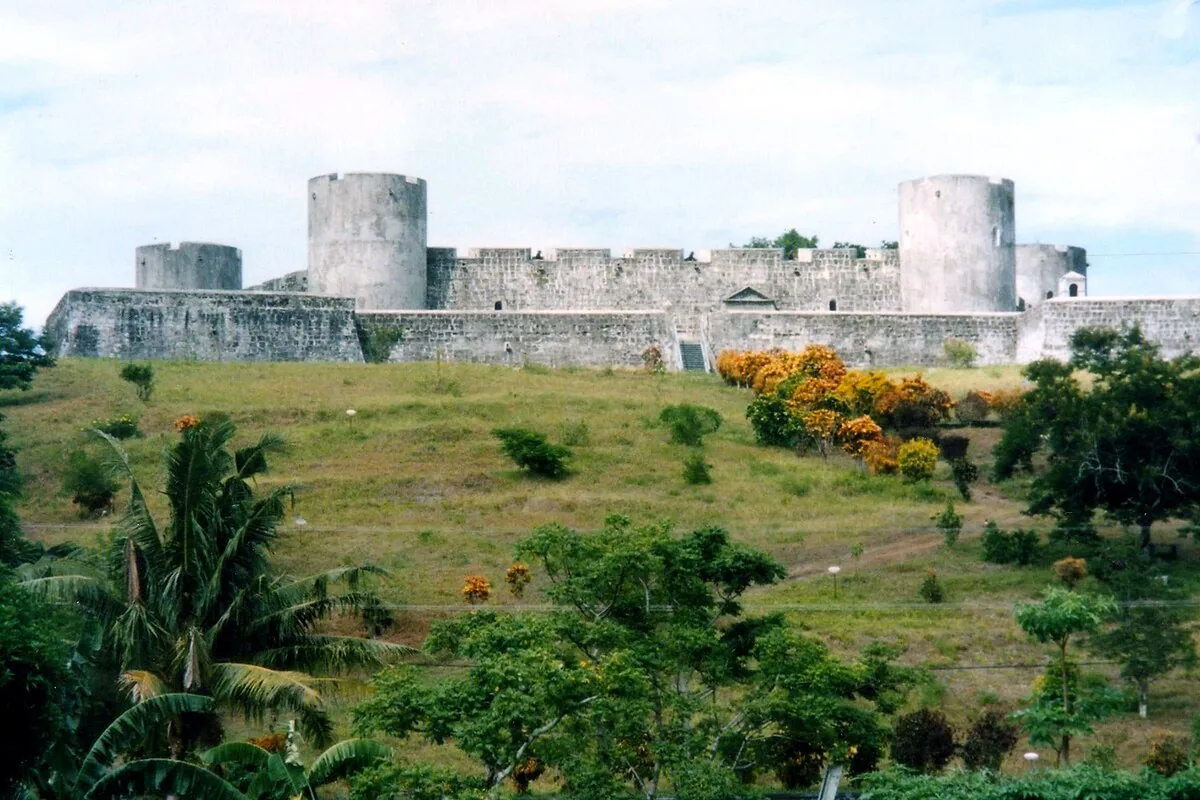
Fort Belgica
A 1611 star-shaped pentagonal fortress built by the Dutch to control the global monopoly on nutmeg and mace; the massive stone bastions overlook the active Gunung Api volcano across the harbour; climb the corner towers at sunrise; the light strikes the volcanic cone while the scent of drying nutmeg drifts from the village below; the sound of the sea current through the Banda Strait is constant.
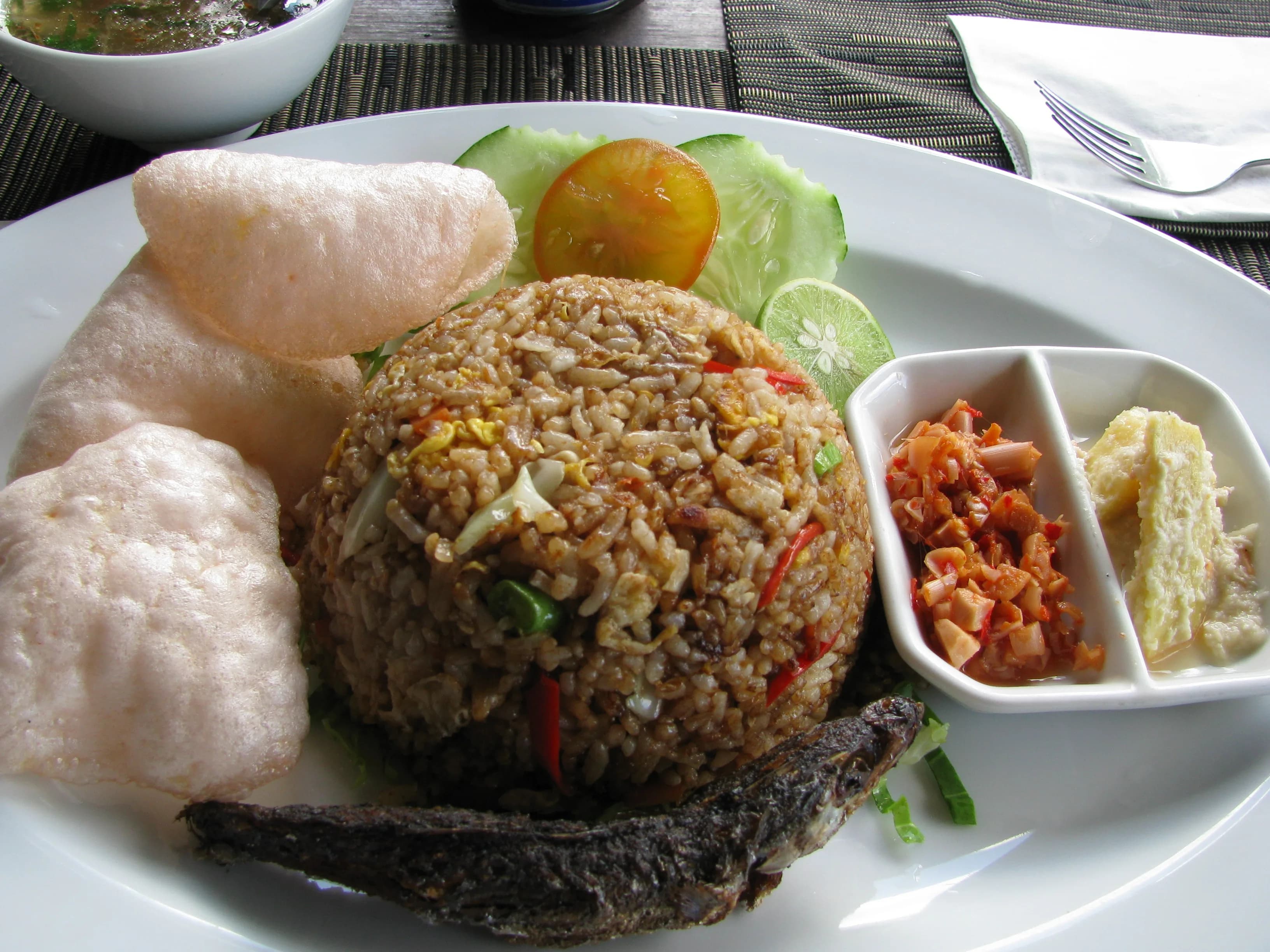
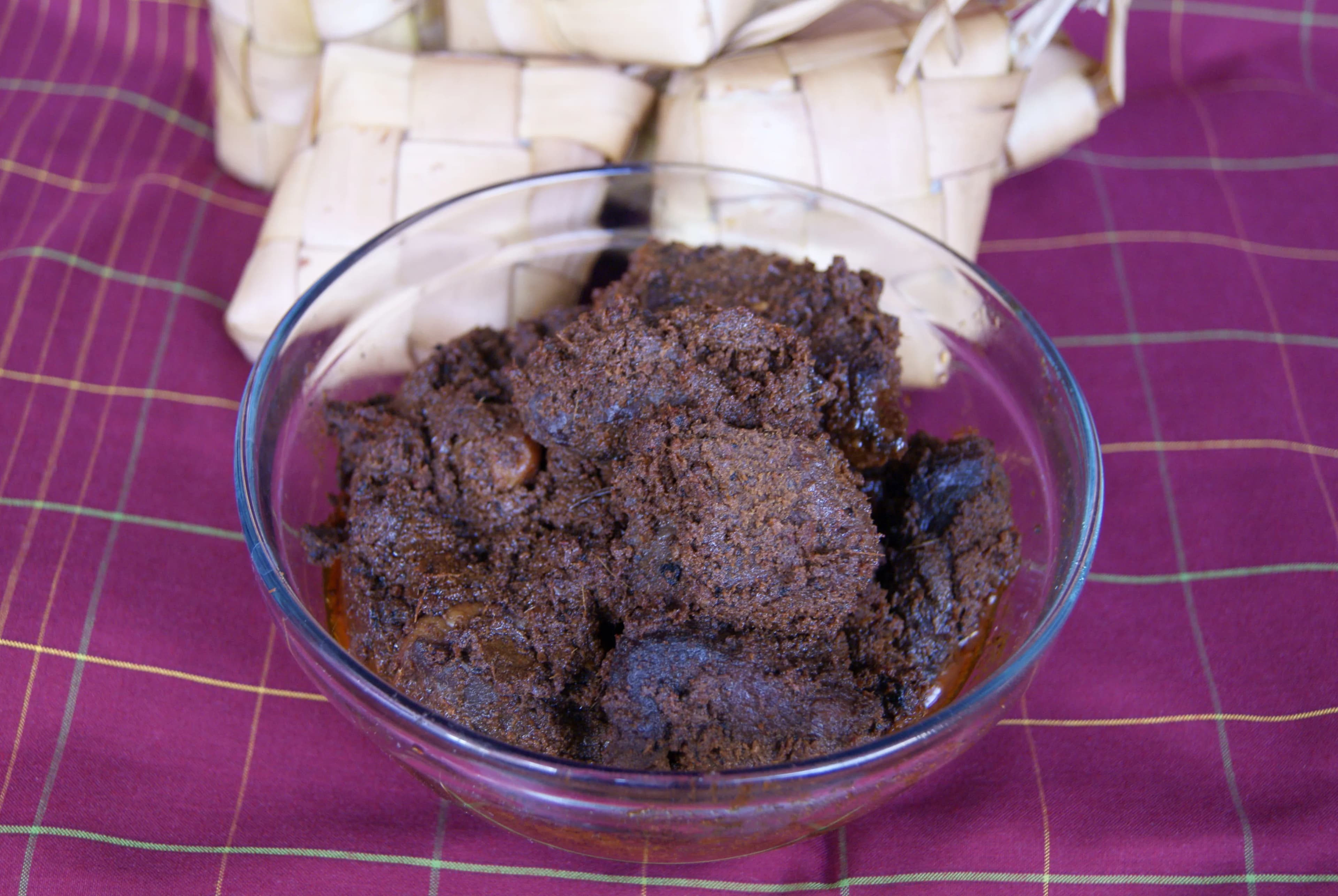
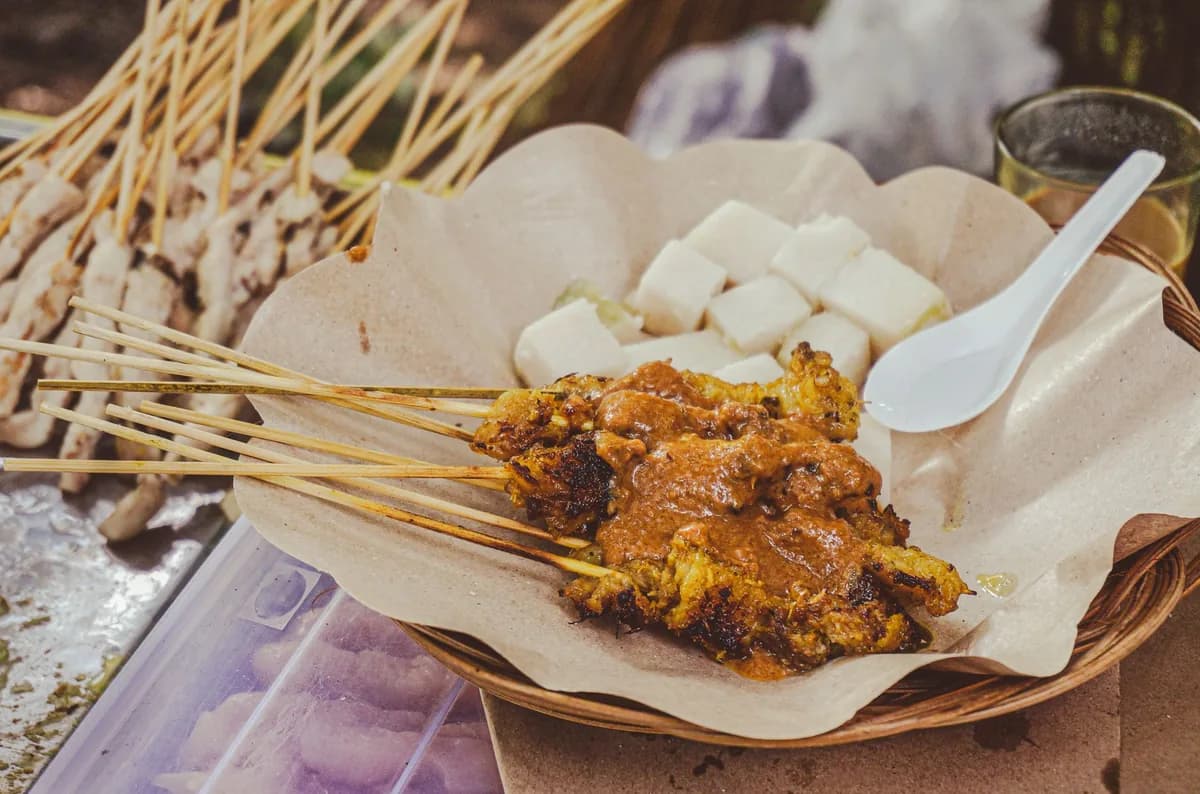
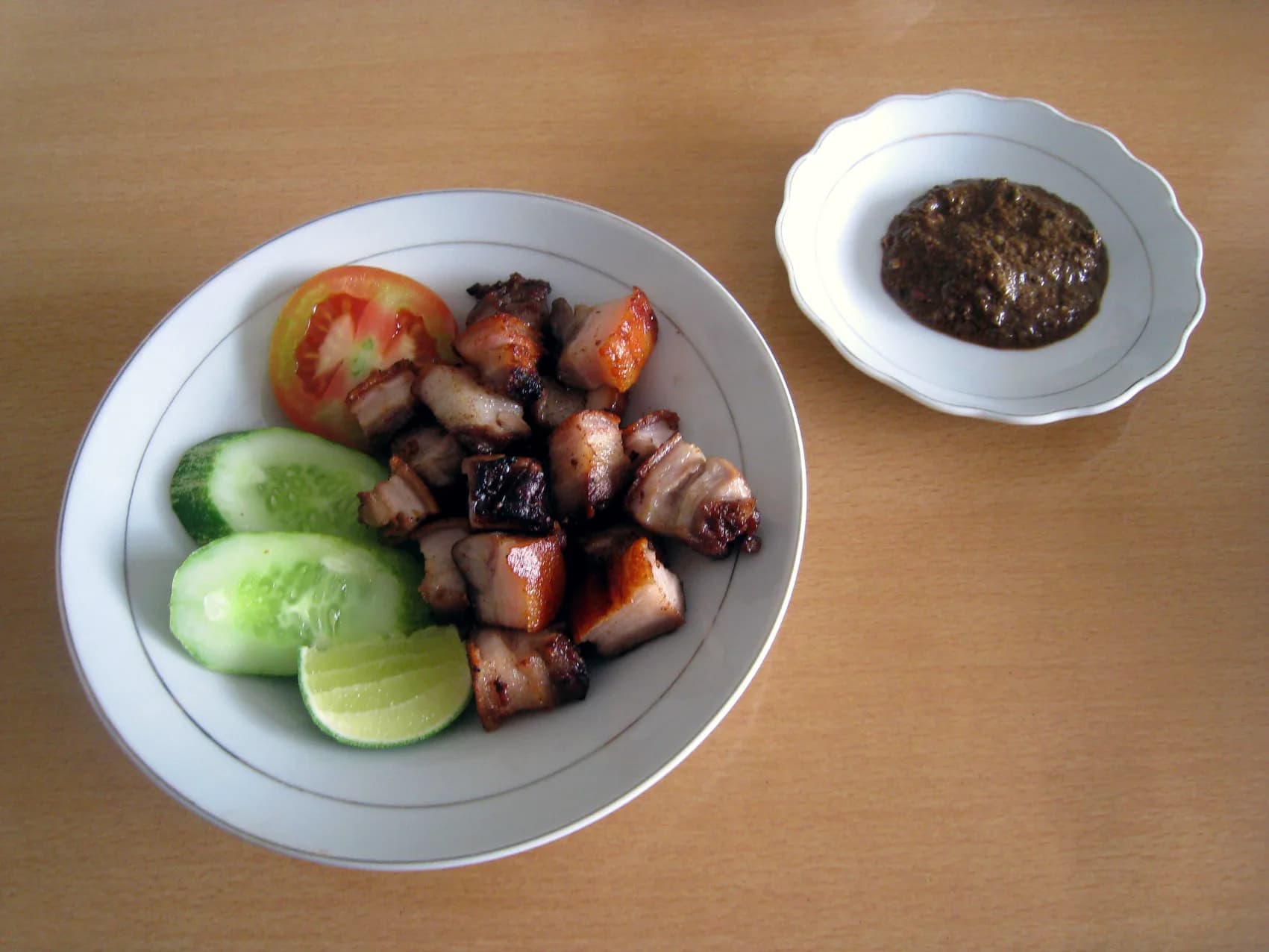
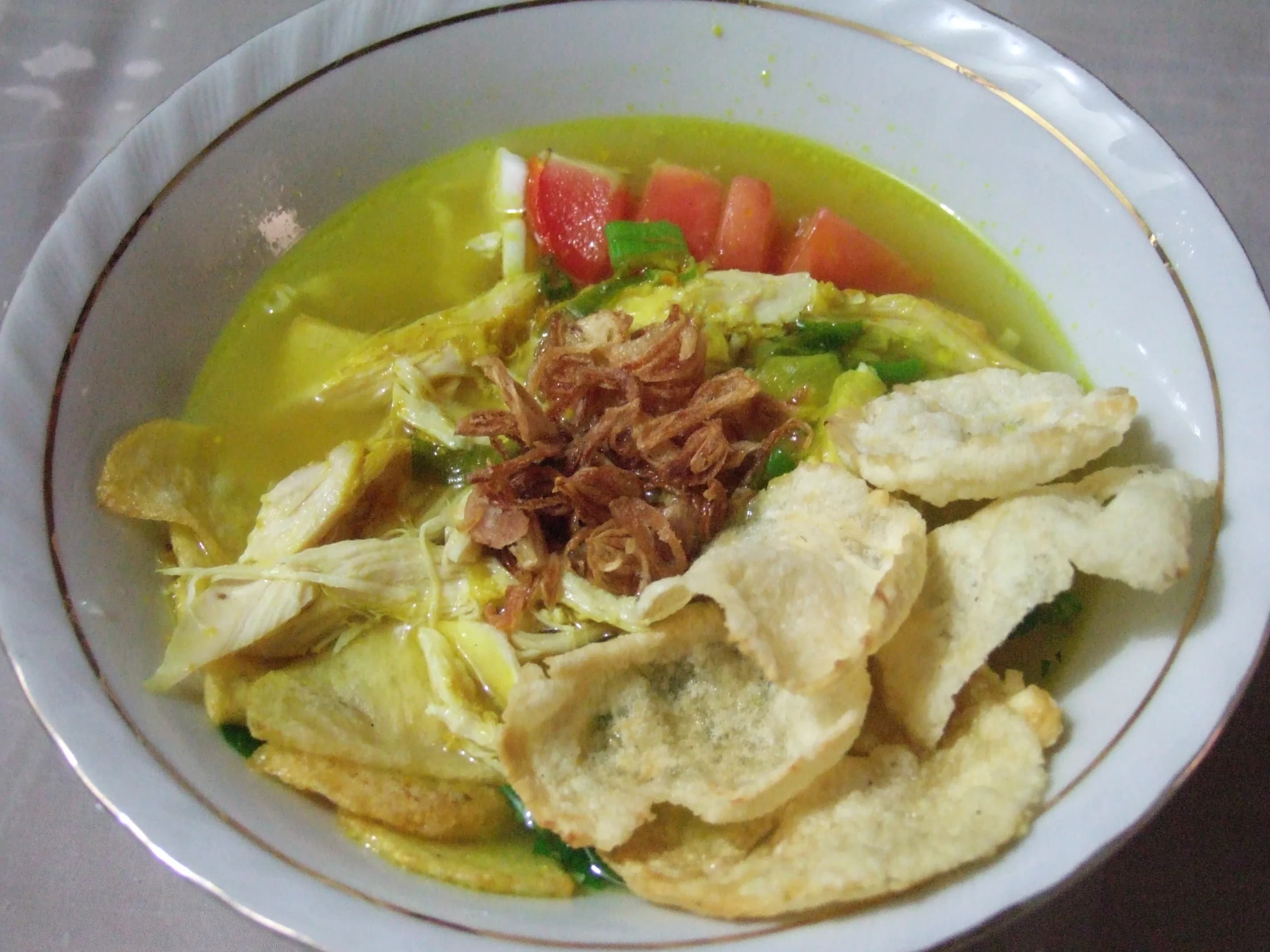
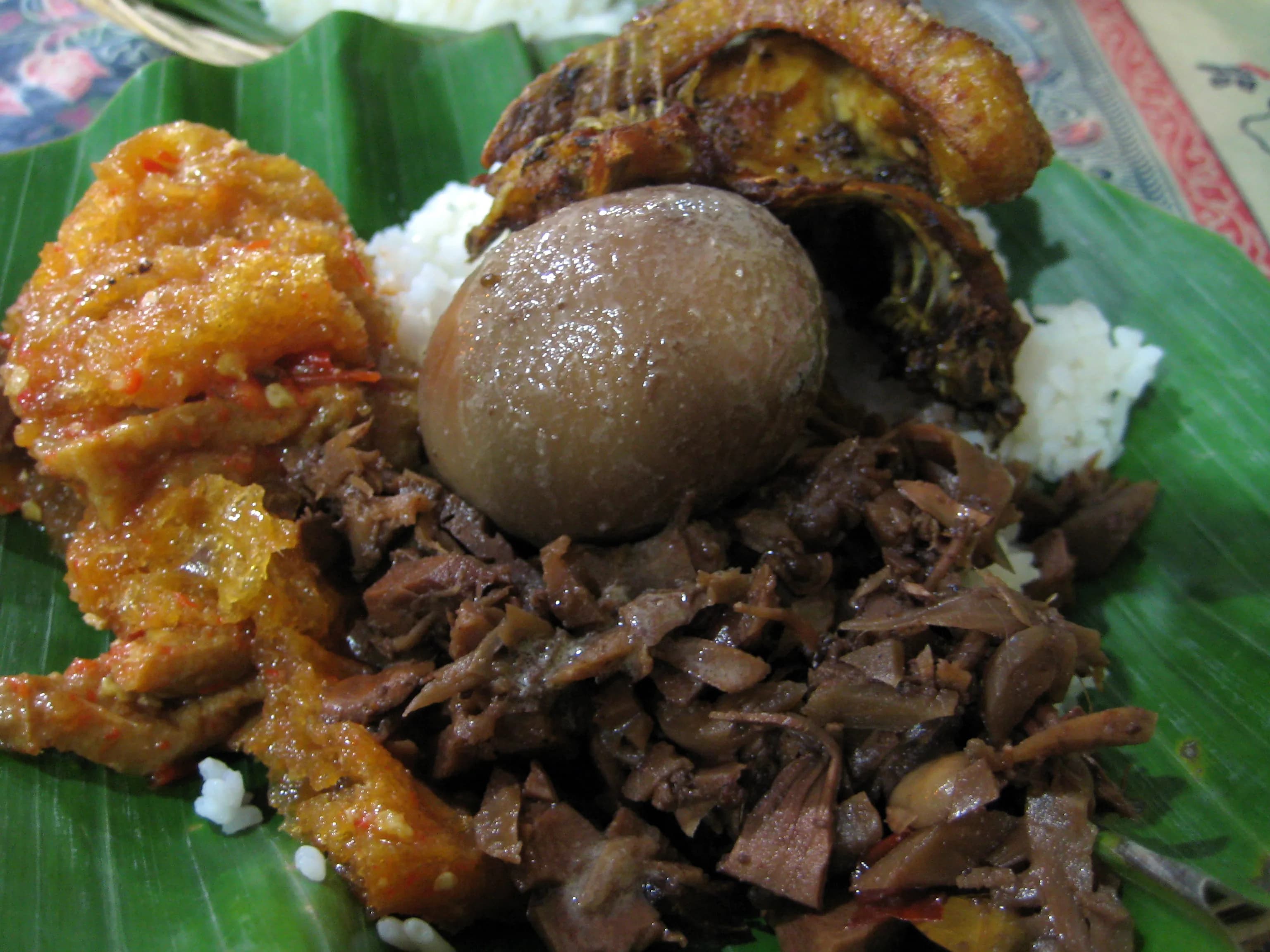
Cuisine
Must-Try Dishes
The flavours that define Indonesia
Flights
Fly to Indonesia
Compare prices across local & global booking platforms
✈ Flights to Indonesia
🏨 Hotels in Indonesia
Clicking opens the booking platform. WorldCurio may earn a commission at no extra cost to you.
Did You Know
Indonesia Facts
Fascinating things most travellers never learn
Indonesia has more active volcanoes than any other country — 127 — including Krakatoa, whose 1883 eruption was heard 4,800 km away in Australia.
Indonesia's Wallace Line — an invisible biogeographical boundary running between Bali and Lombok — marks a dramatic shift in wildlife. West of the line: Asian species. East: Australian species. Spotted by Alfred Russel Wallace in 1859.
Indonesia is the world's largest archipelago nation — 17,508 islands, of which about 6,000 are inhabited. If you could string the islands in a line, they'd span the distance from London to Los Angeles.