Thirty thousand people annually ascend this 2,507-foot cone of quartzite, some shedding their shoes to climb the razor-sharp scree in a tradition of penance that predates the written word.
About Croagh Patrick
Long before Saint Patrick supposedly banished snakes from the summit, the mountain was known as Cruachan Aigli. Bronze Age inhabitants built a massive rampart around the peak, likely using it for celestial observations or sun worship. By the fifth century, the mountain became synonymous with Patrick’s forty-day fast, a pivotal moment in the Christianization of Ireland. Throughout the Middle Ages, it was a major station on the European pilgrimage circuit. Even the suppression of religious gatherings during the Penal Laws couldn't stop the local population from surreptitiously ascending the peak to maintain their ancestral rituals.
Rising like a jagged flint cone above
Rising like a jagged flint cone above the drowned drumlins of Clew Bay, Croagh Patrick is less of a mountain and more of a spiritual magnet. The peak commands the skyline of County Mayo, its scree-covered slopes shimmering in a pale, ghostly grey against the deep greens of the surrounding bogland. For over five millennia, humans have felt compelled to scramble up this quartzite pyramid. The wind here is a constant companion. There are no trees to break the gale, only the rhythmic crunch of boots on loose rock and the heavy breathing of those engaged in a struggle with gravity.
“Rising like a jagged flint cone above the drowned drumlins of Clew Bay, Croagh Patrick is less of a mountain and more of a spiritual magnet.”
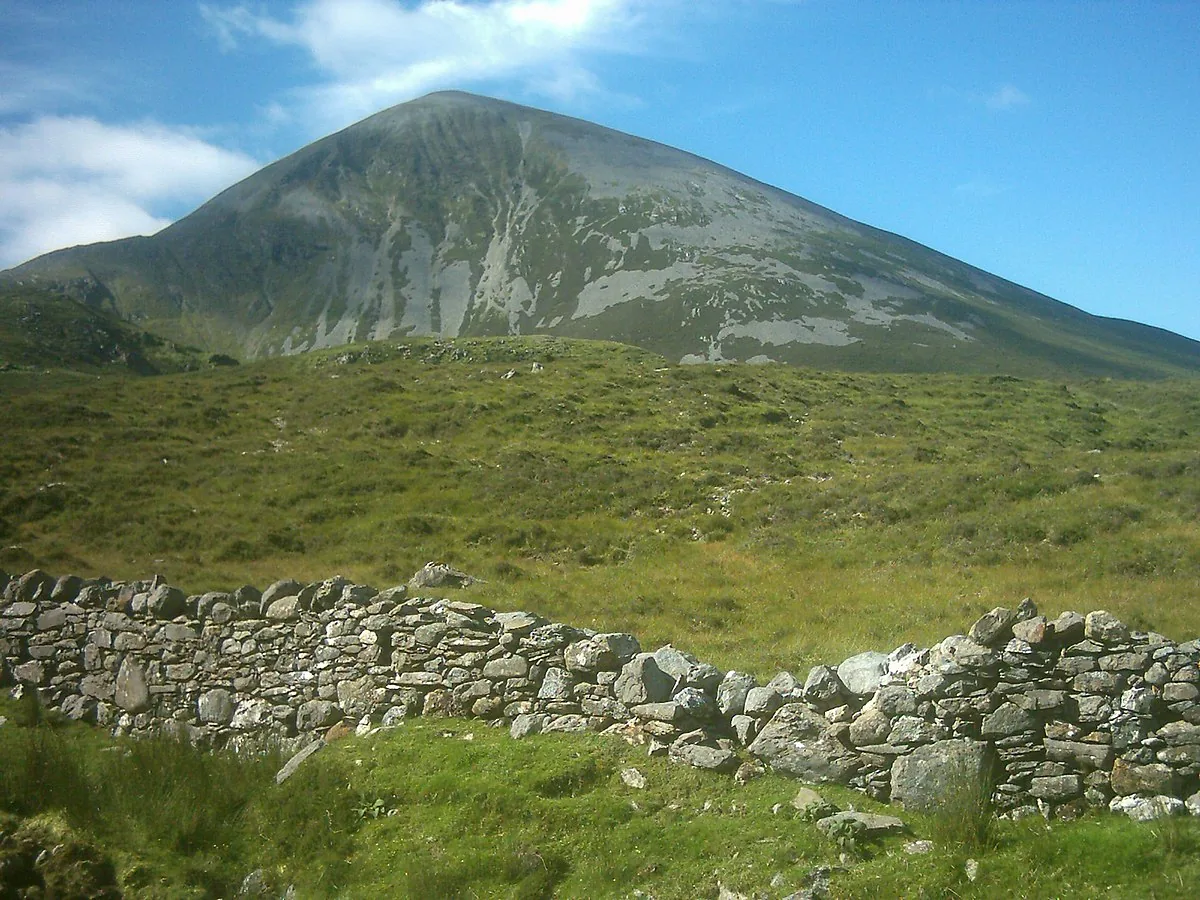
Croagh Patrick, Ireland
History here is layered like the shale underfoot. While the mountain bears the name of Ireland’s patron saint, who allegedly fasted on the summit for forty days in 441 AD, its sanctity predates Christianity by thousands of years. Archeologists discovered a Neolithic hillfort at the top, suggesting that pagan Celts gathered here to celebrate Lughnasadh, the harvest festival. The transition from pagan ritual to Christian pilgrimage was seamless, as the church adopted the mountain's existing gravity. In the fifteenth century, a small chapel was built on the summit, though the elements claimed it repeatedly. The current modest structure was completed in 1905, hauled up the mountainside stone by stone by local men and donkeys who treated the labor as an act of devotion.
The ascent begins at the statue of Saint
Patrick, but the true experience starts on the 'Reek,' as locals call the mountain. The path is grueling, a relentless incline that turns into a treacherous river of loose stones near the summit. You come across a calf-burn and the sudden drops in temperature as the clouds swallow the peak. On Reek Sunday, the last Sunday in July, thousands of pilgrims make the climb, some performing the entire three-hour trek in bare feet as penance. Their skin turns red against the grey rocks, a visceral display of endurance. When the mist clears at the top, the view of Clew Bay, reputedly holding 365 islands, looks like a scatter of emeralds dropped into a silver sea. Murrisk, a small village six miles from the town of Westport, is the base of the mountain. Just about everyone arrive by car or local bus, parking in the shadows of the ruins of Murrisk Abbey. The climb is accessible to anyone with a reasonable level of fitness, but the mountain demands respect. Weather conditions at the base rarely reflect the conditions at the top, where gales can move with enough force to knock a hiker off balance. A sturdy walking stick, often for hire at the trailhead, becomes an essential third leg for the descent through the shifting scree.
The Experience
The air thins and cools as you reach the upper slopes, where the silence is punctuated by the clatter of stones tumbling down the mountainside. A strange camaraderie with the strangers beside you, all of you hunched against the Atlantic wind. On a clear day, the horizon extends to the Twelve Bens of Connemara, but the true magic happens when the clouds roll in, isolating you on a rocky island in the sky. The summit provides a sense of hard-won clarity, a physical relief that mirrors the spiritual catharsis sought by pilgrims for centuries.
Why It Matters
Croagh Patrick is the holiest mountain in Ireland, serving as a physical intersection of Neolithic sun worship and modern Catholic devotion. It represents the enduring power of sacred geography, where the landscape itself dictates the spiritual life of the people. Its climb is a rite of passage for many Irish families, linking generations through shared physical toil.
Why Visit
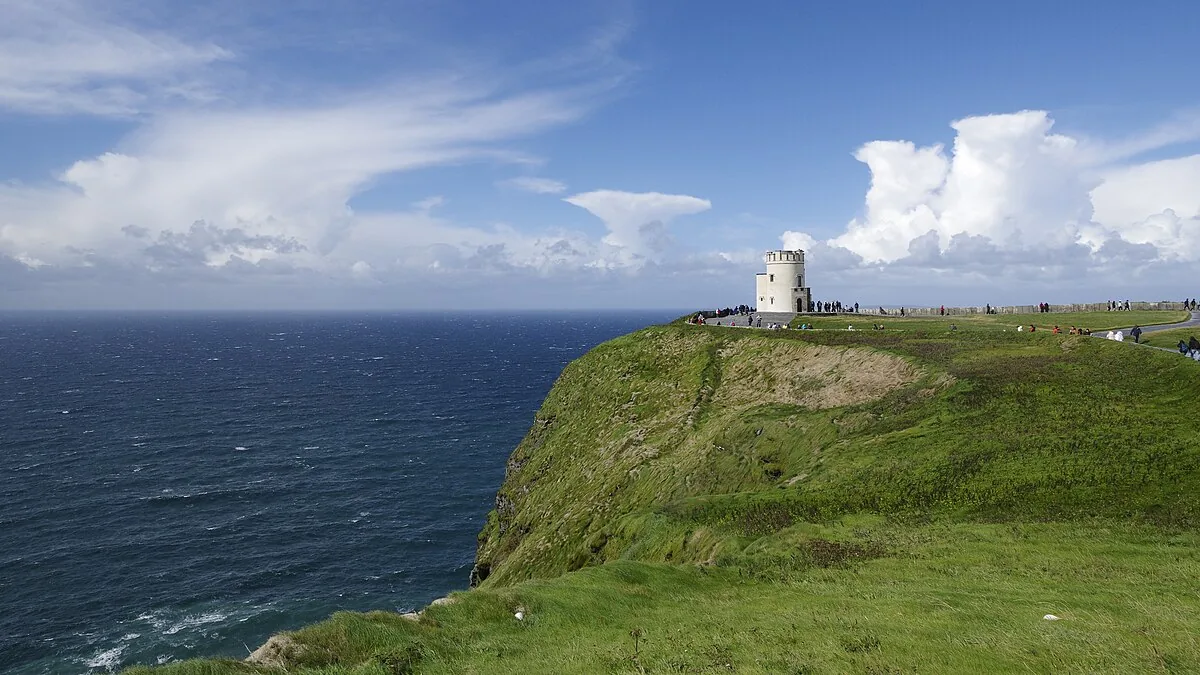
Go because it is a challenge that leaves you physically spent and mentally cleared. While the Cliffs of Moher offer a view to look at, Croagh Patrick offers a landscape to participate in. The view of Clew Bay from the summit is perhaps the most rewarding vista on the Wild Atlantic Way.
Insider Tips
- 1
Rent a wooden walking stick from the vendors at the base; they are essential for stability on the shifting scree during the descent.
- 2
Check the mountain rescue weather forecast specifically, rather than a general Mayo forecast, to avoid getting trapped in sudden 'cloud caps'.
- 3
Start your climb before 8:00 AM if you want to experience the summit chapel in relative peace before the midday hikers arrive.
- 4
Visit the Famine National Memorial at the base in Murrisk after your climb for a somber reflection on the region's history.