Saint Kevin supposedly stood so still in prayer within this valley that a blackbird mistook his outstretched hand for a branch and laid her eggs in his palm.
About Glendalough
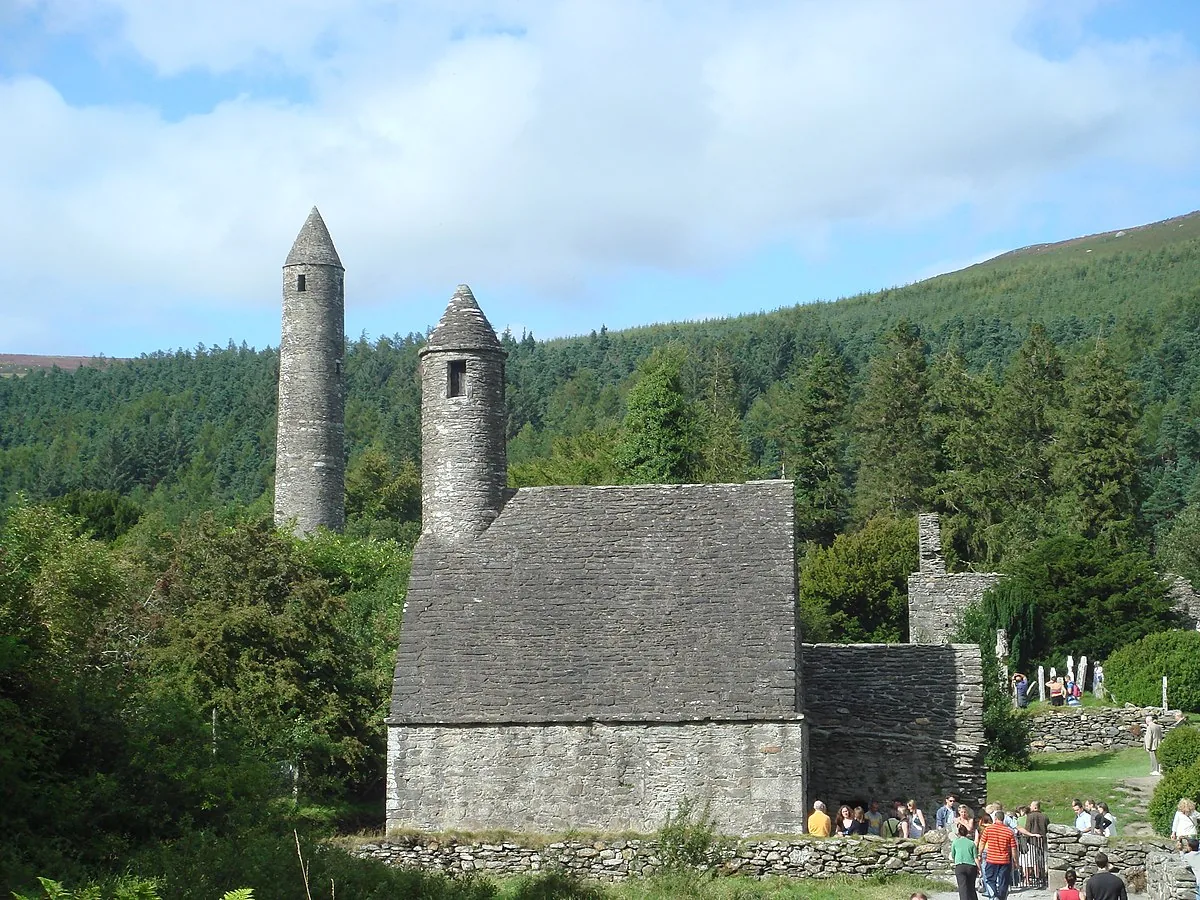
Monastic life took root here in the 500s, but the architecture that defines the glen today reached its peak in the 1000s and 1100s. The Round Tower served as both a landmark for approaching pilgrims and a secure storehouse for precious manuscripts and bells during periods of unrest. Despite being burned and plundered by Norse invaders on multiple occasions, the community rebuilt with a tenacity that preserved its status until the late 14th century. The site remains one of the most important early Christian ruins in Europe, housing a collection of slabs and crosses that trace the evolution of Irish stone carving from the late Iron Age through the medieval period.
What Glendalough in Ireland is
Glendalough feels like a secret kept by the Wicklow Mountains, a deep glacial valley where the air stays cool and smelling of damp moss and Scots pine. Two dark, peat-stained lakes sit at the heart of the glen, reflecting the steep granite cliffs that hem them in. For over a millennium, this landscape has was a sanctuary, first for a hermit seeking solitude and later for thousands of monks who built a city of stone in the wilderness. The silence here is thick, broken only by the sharp cry of a peregrine falcon or the rhythmic trickle of mountain streams feeding the lower lake. Even when the car parks are full, the valley seems to absorb the presence of modern visitors, pulling them back into its prehistoric stillness.
Kevin of Glendalough arrived here in the sixth century, allegedly seeking a life so removed from humanity that he spent his first years living in a hollow tree and a cramped cave known as Saint Kevin's Bed. His reputation for holiness acted as a magnet, drawing disciples into the valley until a monastic city sprouted from the soil. Between the eighth and twelfth centuries, Glendalough became a European center of learning, surviving Viking raids and the internal squabbles of Irish kings. The stone buildings we see today, including the iconic Round Tower and the tiny, steep-roofed St. Kevin’s Kitchen, are survivors of a time when the Church was the primary guardian of Western civilization. When the English forces finally dissolved the monastery in 1398, the site didn't vanish; it simply settled into its role as a monumental graveyard and a place of quiet pilgrimage.
Walking through the arched stone gateway
Walking through the arched stone gateway, you pass from the modern world into an enclosure where time moves at a different speed. The Round Tower rises thirty meters into the grey sky, its doorway perched high above the ground as if to keep the secrets of the monks out of reach. The presence of the rough, cold texture of the mica-schist walls and notice how the light catches the yellow lichen on the Celtic crosses. As you move toward the Upper Lake, the trees close in, and the sound of the wind through the pines creates a low, oceanic roar. The majority linger near the cathedral ruins, but the true spirit of the place reveals itself on the boardwalks through the marshy wetlands between the lakes, where the water levels fluctuate with the Kerry rain.
The valley lies roughly an hour
The valley lies roughly an hour south of Dublin, making it a popular escape for city dwellers. Driving through the Sally Gap offers a dramatic approach, with the road twisting through desolate blanket bogs before dropping suddenly into the lush greenery of the glen. Sturdy footwear is necessary if you plan to move beyond the paved paths of the monastic city to reach the mining ruins at the far end of the Upper Lake. While tour buses arrive late in the morning, hikers who start at dawn can watch the mist rise off the water in total isolation.
The Experience
Moss covers every surface in the valley, dampening the sound of footsteps and giving the ruins a soft, blurred edge. First, the temperature drop as you walk along the shore of the Upper Lake, where the granite cliffs block out the afternoon sun and the water looks like black ink. The smell of woodsmoke often drifts from nearby cottages, mixing with the crisp, ozone scent of the mountain air. Standing among the tilted headstones of the ancient cemetery, you feel a profound sense of continuity, as names from the seventh century rest beside those from the twentieth, all united by the same granite soil.
Why It Matters
Glendalough represents the pinnacle of Ireland's 'Golden Age' when its monasteries were the flickering lanterns of literacy in a darkening Europe. Culturally, it remains a touchstone for Irish identity, blending a rugged, hermit-like spirituality with the architectural sophistication of the Romanesque period. It is a rare example of a monastic city that feels lived-in rather than merely preserved.
Why Visit
Go because Glendalough offers a physical weight that other ruins lack. While many sites feel like museum pieces, the 'Valley of Two Lakes' feels like a living landscape where the ruins are inseparable from the trees, the water, and the wind. It provides the kind of silence that stays with you long after you leave.
✦ Photo Gallery
Best Season
🌤 September brings a clarity to the air and a turning of the leaves that makes the dark waters of the lakes pop against the copper-colored hills.
Quick Facts
Best time to visit
September brings a clarity to the air and a turning of the leaves that makes the dark waters of the lakes pop against the copper-colored hills.
Getting there
In Wicklow, Ireland; reach Wicklow first, then continue to the site.
What's nearby
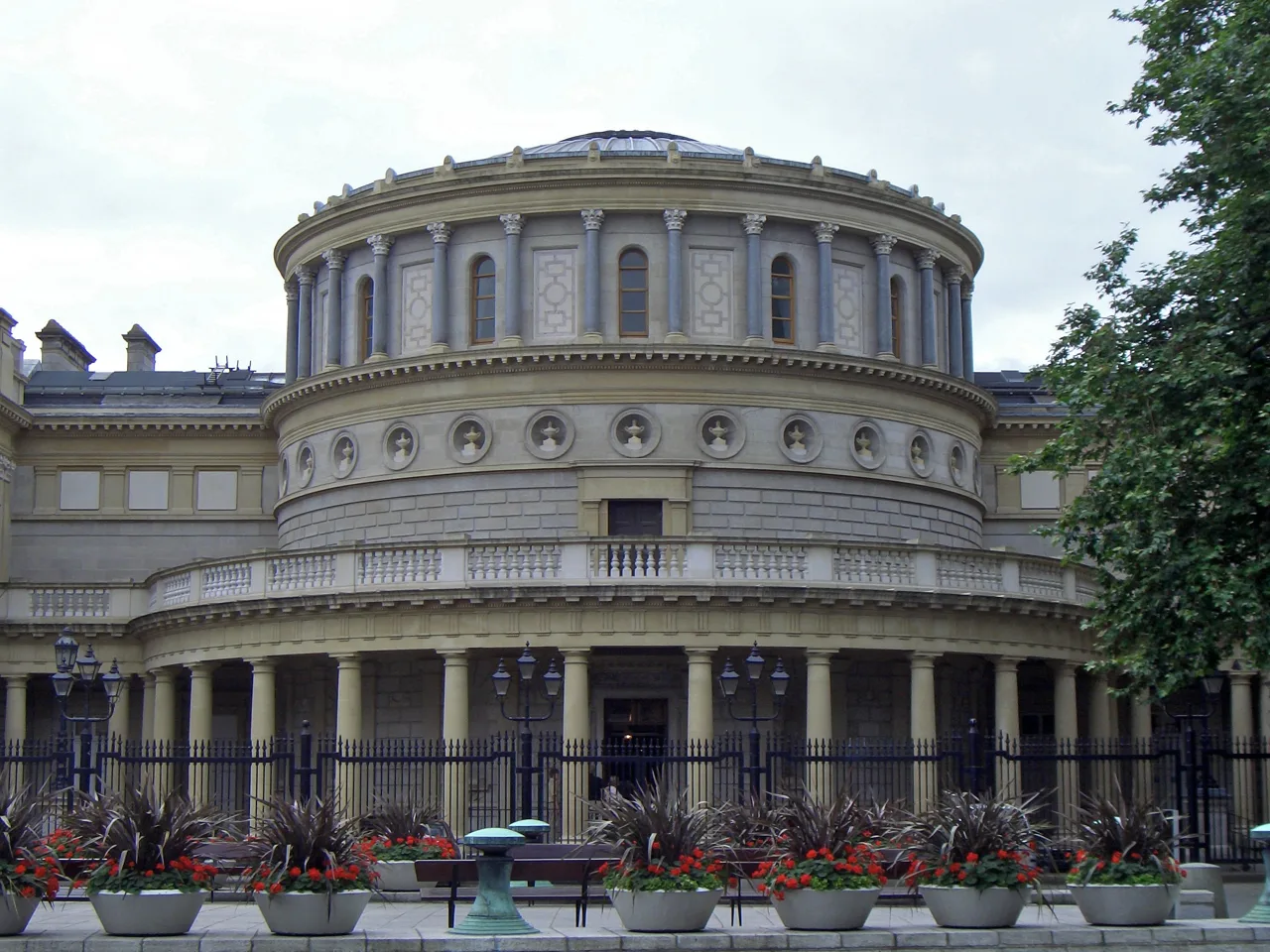
Kilmainham Gaol, Guinness Storehouse and National Museum of Ireland - Archaeology are also in the area.
Location
Wicklow, Ireland
Type
attraction
Coordinates
53.0103°, -6.3275°
Insider Tips
- 1
Follow the Miner’s Road path along the north shore of the Upper Lake to see the abandoned lead mine village most tourists ignore.
- 2
Look for the 'Deer Stone' near the river; it is a bullaun stone used by monks that ancient folklore says was filled with milk by a magical doe.
- 3
The visitor center contains the original 12th-century stone carvings that were moved indoors to prevent erosion, and they are far more detailed than the ones left outside.
- 4
Park at the Upper Lake lot rather than the visitor center if you want immediate access to the more dramatic hiking trails and the best lake views.