“Every piece of crystal here begins as a lump of molten glass at 1,300 degrees, shaped by lungs and hands using techniques that haven't changed since the 18th century.”
About Waterford Crystal Factory
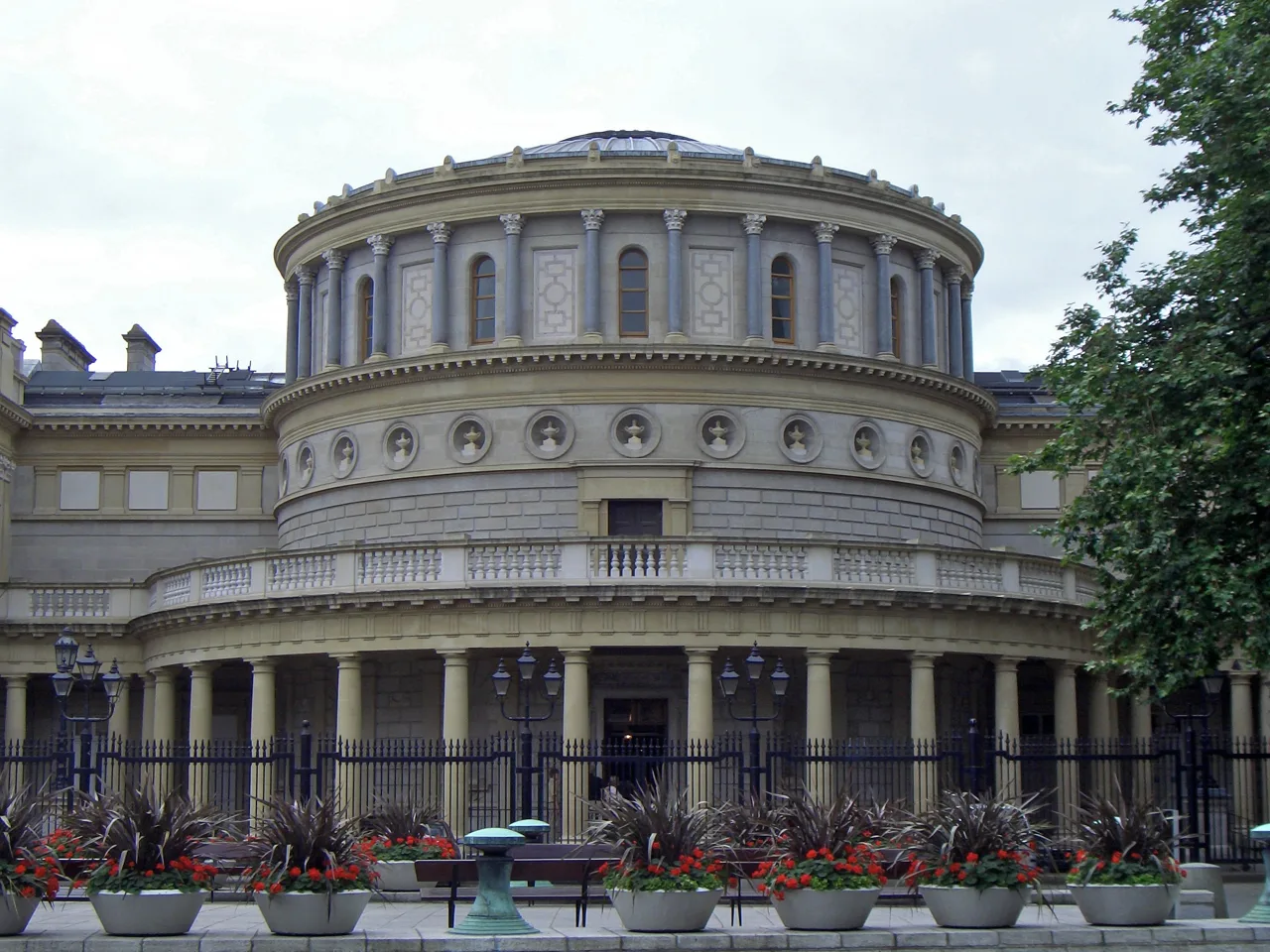
The Penrose brothers founded the original factory near the city's quays to take advantage of shipping routes. After its 19th-century decline, the 1947 revival was spearheaded by Miroslav Havel, who spent hours in the National Museum studying the original 18th-century patterns to ensure the new glass was authentic to the brand's roots. The factory has produced iconic items like the Times Square New Year's Eve Ball and the trophies for the PGA Tour. Today, the House of Waterford Crystal employs over eighty people, many of whom are second or third-generation glassmakers, maintaining a lineage of craft that is rare in the age of automation.
Waterford Crystal Factory in short
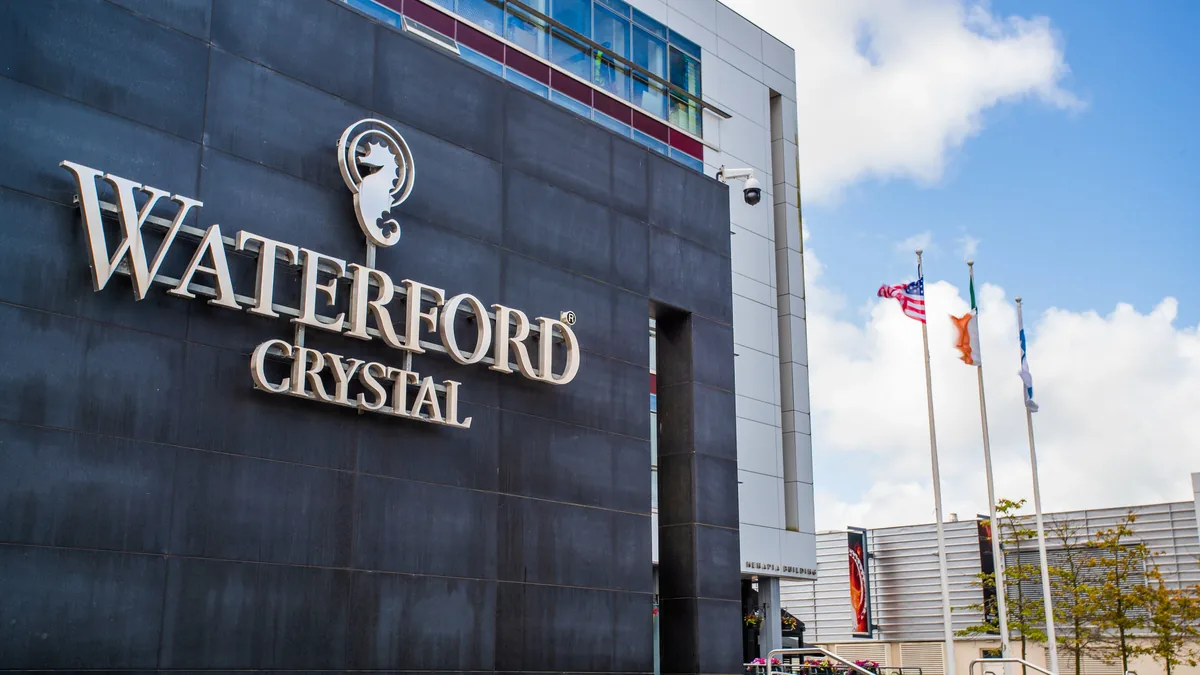
Located in central Ireland’s oldest city, the House of Waterford Crystal is a place of heat, noise, and incredible delicacy. This is not a static exhibit but a loud, breathing factory where master craftsmen transform molten globs of glass into some of the world's most coveted objects. The space in the blowing room is thick with the heat from furnaces burning at 1,300 degrees Celsius, smelling faintly of gas and scorched wood. In the cutting rooms, the sound shifts to the high-pitched whine of diamond-tipped wheels carving intricate patterns into the heavy glass. It is a visceral reminder that luxury often begins with sweat and industrial precision.
Located in central Ireland’s oldest city, the House of Waterford Crystal is a place of heat, noise, and incredible delicacy.
Glassmaking in Waterford dates back
Glassmaking in Waterford dates back to 1783, when George and William Penrose established a factory with the goal of creating 'crystal as transparent as spring water.' They succeeded, and Waterford soon became a global hallmark of quality, gracing the dining tables of European royalty and American presidents. However, the industry was nearly snuffed out in the 1850s due to crippling taxes and a struggling economy. The factory lay dormant for almost a century until it was revived in 1947 by two Czech immigrants, Karel Bacon and Miroslav Havel. They brought back the traditional techniques and introduced the iconic 'Lismore' pattern, which remains the best-selling crystal design in the world. The current facility, opened in 2010, was a statement of resilience after the company faced bankruptcy during the global financial crisis.
The tour takes you dangerously close to the action. There is a radiant heat from the 'glory holes' as the blowers swing long iron pipes with glowing orange bubbles on the end. Initially, the steady hands of the master cutters as they hold heavy bowls against spinning wheels, following guide marks that are barely visible to the untrained eye. You get no room for error; a single slip-up at the final stage of cutting can turn weeks of work into a pile of expensive cullet. The highlight is the retail gallery, where the light hits the finished pieces, trophies, chandeliers, and stemware, creating a dazzling, fractured rainbow that bounces off the walls. The sheer weight of the crystal is surprising; it feels significant, cold, and immensely solid.
Waterford City is about a two-hour drive south of Dublin. The factory is located on the Mall, right in the center of the Viking Triangle, the city’s historical core. It is easily accessible on foot from the bus and train stations. The experience is highly structured, with guided tours departing every fifteen to twenty minutes. It is one of the few factory tours where you are encouraged to talk to the craftsmen, many of whom have spent over thirty years honing their specific skill. After the tour, the surrounding streets offer a chance to explore the city’s Viking roots, with Reginald’s Tower just a short walk away.
Waterford City is about a two-hour drive south of Dublin.
The Experience
The soundscape of the factory is a rhythmic clatter of wooden molds and the splashing of water used to cool the cutting wheels. The intense focus in the eyes of the master engraver as he uses a copper wheel to etch fine details into a trophy, a process that looks more like drawing on air than working with glass. Inside, the final inspection room is quiet and tense; here, every piece is checked for tiny bubbles or imperfections, and those that fail are unceremoniously smashed for recycling. The heat, hear the noise, and then find yourself in the serene, silent gallery where the finished product looks almost too perfect to have been made by human hands.
Why It Matters
Waterford Crystal is the ultimate symbol of Irish craftsmanship and one of the country's most famous exports. It represents a successful fusion of traditional European glassmaking and uniquely Irish design. Culturally, it is the economic and artistic anchor of Waterford City, preserving a specialized skill set that would otherwise be lost to history.
Why Visit
This factory to see how something incredibly beautiful is born from fire and noise. It is an antidote to the mass-produced world. Seeing a master cutter work with such speed and precision is like watching a live performance, and it gives you a profound respect for the glass sitting in your cupboard at home.
✦ Insider Tips
- 1
The morning slots are best for seeing the blowing room in full operation; some furnaces are cooled down in the late afternoon.
- 2
Ask the master cutters about their apprenticeship; many of them had to work for eight years before they were allowed to touch a premium piece.
- 3
The 'Bargain' section in the retail shop often has discontinued patterns or slightly older stock at a fraction of the usual price.
- 4
Check the 'Replacements' service if you have a broken heirloom; they can still hand-make almost any pattern they have ever produced.
- 5
Combine the visit with a tour of the nearby Medieval Museum to see the 'Cloth of Gold' vestments, which are as intricate as the crystal.