A blind tasting in 1878 Paris once fooled the world's greatest experts into believing this remote Bessarabian red was actually a premier Bordeaux.
About Purcari Estate
Following the decree of Emperor Nicholas I, Purcari was granted the status of the first specialized winery in Bessarabia. It thrived under the management of German and French vintners who introduced European grafting techniques to local hardy vines. The estate's most difficult era arrived with the anti-alcohol campaigns of the 1980s, which saw thousands of acres of vineyards destroyed across the Soviet Union. Purcari's survival was a feat of quiet rebellion by local agronomists who protected the rare Rara Neagra and Negru de Purcari stocks. Since the early 2000s, a massive reinvestment has seen the estate reclaim its place on the global stage, winning hundreds of medals and becoming a symbol of Moldova's European aspirations.
Rolling hills of loess soil descend gently toward
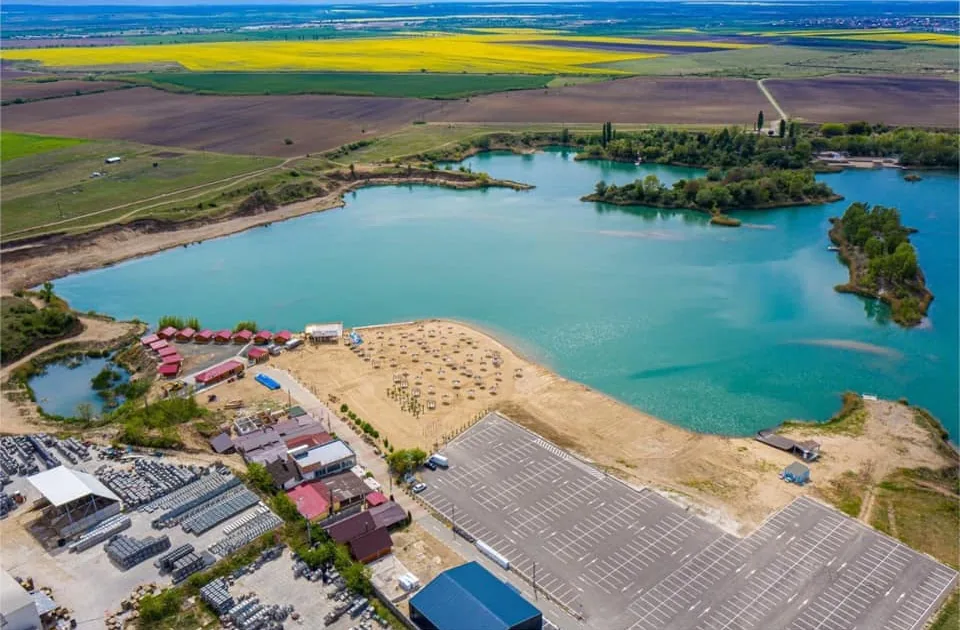
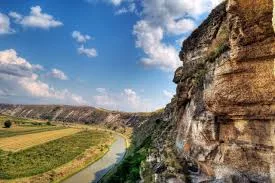
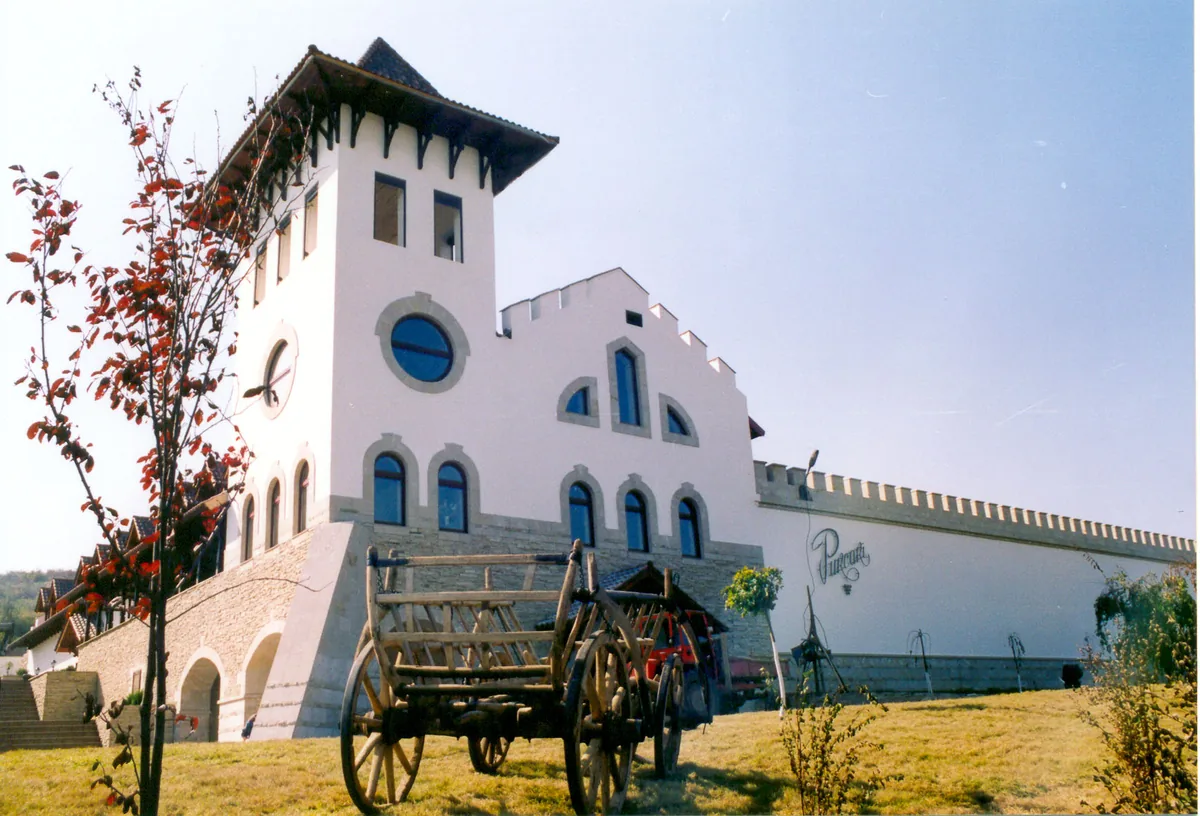
Rolling hills of loess soil descend gently toward the Dniester River, where the microclimate of the Black Sea breeze meets the terrestrial heat of the Moldovan steppe. Purcari Estate is a stately manor of French-influenced architecture, a bastion of viticulture that has outlasted empires and world wars. The room here carries a heavy, intoxicating complexity: the scent of sun-warmed grapes, the damp limestone of the cellars, and the faint, sweet perfume of blooming acacia trees. The walk through neatly trellised rows of Negru de Purcari, noticing the way the rich, dark earth clings to the roots of vines that have grown here since the early 19th century. What is audible is an calm hush, punctuated by the rhythmic snip of pruning shears and the distant splash of a paddle on the nearby lake.
corner of Bessarabia, 1827
French settlers arrived in this corner of Bessarabia in 1827, recognizing that the soil composition mirrored the prestigious terroir of Bordeaux. They established a winery that rapidly gained international fame, famously winning a gold medal at the Paris World Expo in 1878, where judges were shocked to find that the rich, velvety red they assumed was a French grand cru actually hailed from a remote village in Eastern Europe. The estate became a favorite of the Russian Imperial court and the British Royal Family, particularly the late Queen Elizabeth II, who was known to favor their flagship blends. During the 20th century, the winery faced the existential threat of Soviet industrialization, which favored quantity over quality, yet Purcari’s winemakers managed to hide their finest barrels and maintain the integrity of their ancestral varietals. Today, the estate has been meticulously restored, blending modern production technology with the romantic soul of a 19th-century chateau.
Descending into the historic cellars , the temperature drop to a steady, natural chill that smells of oak and slumbering tannins. The first thing you register is the candlelight reflecting off the glass of the 'National Treasure' collection, where bottles from the mid-20th century rest under a protective fur of grey dust. You catch of a wine thief drawing a sample from a massive French oak barrel creates a hollow, echoing resonance in the vaulted room. The weight of a heavy crystal glass in your hand and notice the 'tears' of a deep ruby red wine as they slowly slide down the rim. Beginning with the light fading over the vineyards from the terrace, where the sky turns a bruised purple that matches the liquid in your glass. The most evocative moment is tasting the Rara Neagra, a grape so local and ancient that it feels like drinking the history of the soil itself.
The estate lies in the Stefan Voda district
The estate lies in the Stefan Voda district, roughly two hours southeast of Chisinau. The drive takes you through the heart of Moldova's wine country, passing through sleepy villages and vast expanses of agricultural land. Just about everyone arrange a private driver or join a curated tour from the capital, as public transport options to this specific rural location are infrequent. Arriving just before lunch allows you to walk the grounds and tour the production facilities before sitting down for a meal on the terrace. Booking a room at the chateau is highly recommended, as it allows you to enjoy the evening atmosphere of the vineyards long after the day-trippers have returned to the city.
The Experience
The feel of Purcari is one of refined, agrarian luxury. What lands is the smell of the air, it is noticeably cleaner and more humid than in Chisinau, infused with the green scent of the river valley. You get a slow, deliberate pace of life that wine production demands, where nothing can be rushed. The light filters through the leaves of the vines in the late afternoon, creating a moving pattern of shadows across the white gravel paths. The feel of the old cellar walls, built from rough-hewn stone that breathes with the wine. The most striking detail is the contrast between the high-tech bottling lines and the quiet, dusty silence of the library cellar. It is a place that celebrates the long game.
Why It Matters
Purcari Estate is the most decorated winery in Central and Eastern Europe and a core element of Moldova's cultural and economic identity. It represents the successful preservation of 19th-century European winemaking traditions within a distinctively Moldovan landscape. Historically, it is a site of international diplomacy, having served as a liquid ambassador for the region for nearly two hundred years.
Why Visit
The draw: you need to understand why this tiny nation produces more wine per capita than anywhere else on earth. While larger wineries offer scale, Purcari offers soul and a lineage that includes kings and queens. You come here to taste a wine that shouldn't exist according to the history of the Cold War, and to see a landscape that feels like a secret Mediterranean corner hidden in the East.
✦ Photo Gallery
Best Season
🌤 September is the definitive time to visit, as the harvest is in full swing, the vineyards are heavy with fruit, and the village celebrates the annual wine festival with unmatched energy.
Quick Facts
Best time to visit
September is the definitive time to visit, as the harvest is in full swing, the vineyards are heavy with fruit, and the village celebrates the annual wine festival with unmatched energy.
Getting there
In Causeni, Moldova; reach Causeni first, then continue to the site.
Location
Causeni, Moldova
Type
attraction
Insider Tips
- 1
Request a tasting of the 'Freedom Blend', a symbolic wine crafted from grapes representing Moldova, Georgia, and Ukraine.
- 2
The on-site restaurant specializes in 'rabbit in pumpkin', a traditional local dish that is the perfect structural match for their heavy reds.
- 3
Walk down to the river bank at the edge of the property; you can see across to Ukraine, emphasizing the estate's frontier history.
- 4
If you are a serious collector, ask to see the 'library' where they keep small quantities of vintages dating back to the 1940s.
- 5
Don't skip the white wines; while Purcari is famous for reds, their 'Alb de Purcari' is a sophisticated, barrel-aged surprise.