Twenty-two waterfalls tumble through a sacred limestone gorge where monks claim to have seen a divine footprint etched forever into the living rock.
About Saharna Waterfall
The Saharna gorge is a geological time capsule that has sheltered humans since the Iron Age. The waterfalls were the primary reason for the density of ancient settlements here, providing a reliable water source in a region prone to drought. In the 15th century, the area was part of the defensive network of Stephen the Great, with lookouts perched on the surrounding cliffs. The modern history of the falls is inseparable from the spiritual revival of the monastery; after being suppressed during the Soviet era, the paths to the waterfalls were cleared by volunteers in the 1990s. Today, the cascades serve as both a natural wonder and a ritual space, where the sound of falling water is seen as a cleanser for both the body and the soul.
What Saharna Waterfall in Moldova is
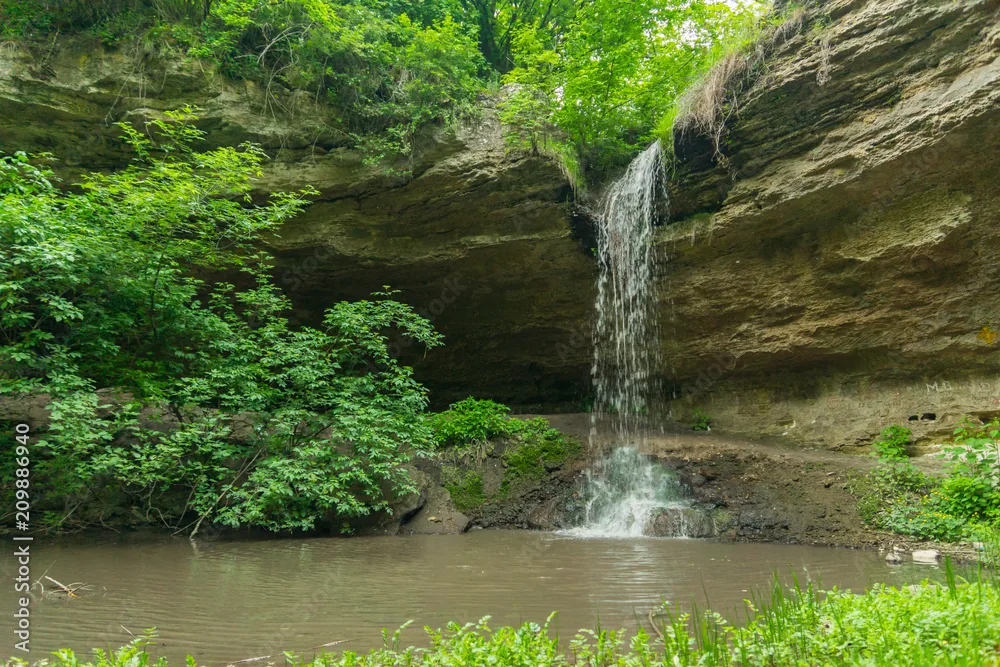
A hidden canyon carved into the limestone plateau of the Dniester river valley leads to a series of twenty-two cascades, the most famous of which falls into a deep, circular basin known as 'Gipsy Hole.' Saharna Waterfall is a rare vertical eruption in a country defined by its horizontal plains and rolling hills. The space in the gorge is significantly cooler than on the sun-scorched heights above, smelling of cold water, crushed mint, and the clean scent of wet stone. You hike along a path that follows the Saharna River. Notice how the water has polished the limestone into smooth, ivory-colored slides. What is audible is a constant, percussive roar that fills the narrow canyon, drowning out the world and creating a sanctuary of white noise and spray.
Trinity Monastery founded, 1776
The water has been carving this path for millennia, but its historical significance is deeply tied to the nearby Holy Trinity Monastery founded in 1776. According to local lore, a monk once saw the Virgin Mary standing on a high rock here, leaving a footprint in the stone that remains a site of pilgrimage today. The waterfalls themselves were considered sacred long before the monks arrived, with archaeological evidence suggesting that Geto-Dacian tribes utilized the gorge for ritual purposes over two thousand years ago. During the 19th century, the cascades were a popular retreat for the monastic brotherhood who built small stone bridges and paths to navigate the slippery terrain. The largest waterfall, 'Gipsy Hole,' drops nearly ten meters, a height that made it a powerful source of mechanical energy for several small mills that once operated along the river bank.
Approaching the main falls, There is a fine , cool mist settling on your face, a welcome relief from the dusty Moldovan summer. You register the way the moss clings to the vertical rock faces, creating lush, green tapestries that drip with condensation. The sound is an overwhelming, rhythmic thrumming that you can feel in your chest as you get closer to the base of the cascade. The temperature drop as the canyon walls close in, trapping the cold air from the water. Initially, the clarity of the stream, where the pebbles on the bottom are visible through several feet of rushing water. The most striking moment is standing at the edge of the Gipsy Hole basin, watching the water swirl in a dark, bottomless green before it continues its journey toward the Dniester.
Location and access
Saharna is located in the Rezina district, approximately 110 kilometers north of Chisinau. The drive takes you through some of the most dramatic river scenery in the country, ending at the gates of the Saharna Monastery. From the monastery, a well-marked trail leads into the gorge and toward the waterfalls. Arriving in the early morning allows you to visit the monastery first before the afternoon sun illuminates the cascades. The hike is relatively easy but involves some slippery sections and stone steps, so sturdy shoes are essential. Because the site is a major religious landmark, visitors should dress modestly until they reach the more secluded parts of the river canyon.
The Experience
Arriving at the falls is one of vibrant, rushing energy. The first thing you register is the smell of the air, it is sharp and fresh, carrying the scent of the surrounding forest and the ozone of the spray. The humidity increase as you descend into the canyon, a physical transition into a different climate zone. The light is dramatic, breaking through the trees in shafts that turn the waterfall into a shimmering curtain of silver. Straight off, the small stone basins carved by the water over centuries, which look like natural baptismal fonts. The most evocative detail is the sight of local pilgrims dipping their hands into the freezing stream, a gesture of faith that connects the natural beauty of the falls to the spiritual heart of the monastery.
Why It Matters
Saharna Waterfall is the most famous natural cascade system in Moldova and a vital part of the Saharna-Țipova landscape reserve. It represents the unique intersection of Eastern Orthodox spirituality and the raw power of the Moldovan landscape. Historically, it is significant as a site of continuous human veneration and utility spanning over two millennia.
Why Visit
The pull is that you need to experience the sound of power in a quiet land. While Moldova is known for its gentle slopes, Saharna offers a visceral, vertical excitement. You come here to escape the heat of the plains and to stand in a place where the earth and water have spent millions of years having a loud, beautiful conversation. It is the only place in the country where nature feels truly untamed.
✦ Photo Gallery
Best Season
🌤 May is the best time to visit, as the spring rains ensure the waterfalls are at their maximum volume and the gorge is filled with the scent of blooming wildflowers.
Quick Facts
Best time to visit
May is the best time to visit, as the spring rains ensure the waterfalls are at their maximum volume and the gorge is filled with the scent of blooming wildflowers.
Getting there
In Rezina, Moldova; reach Rezina first, then continue to the site.
Location
Rezina, Moldova
Type
attraction
Insider Tips
- 1
The hike to the highest lookout point, 'Grimalauca,' offers a view of the waterfalls and the monastery that most visitors miss.
- 2
Bring a small towel; the temptation to wade into the cool, clear water at the base of the falls is almost impossible to resist.
- 3
Visit on a weekday if possible; the gorge is a favorite weekend spot for families from the capital and can get quite crowded.
- 4
Check the 'Cave of the Monk' on your way to the falls, a small hermitage carved into the rock that is still used for prayer.
- 5
Buy some local honey from the monks at the monastery gate; it is flavored by the wild herbs that grow in the waterfall gorge.