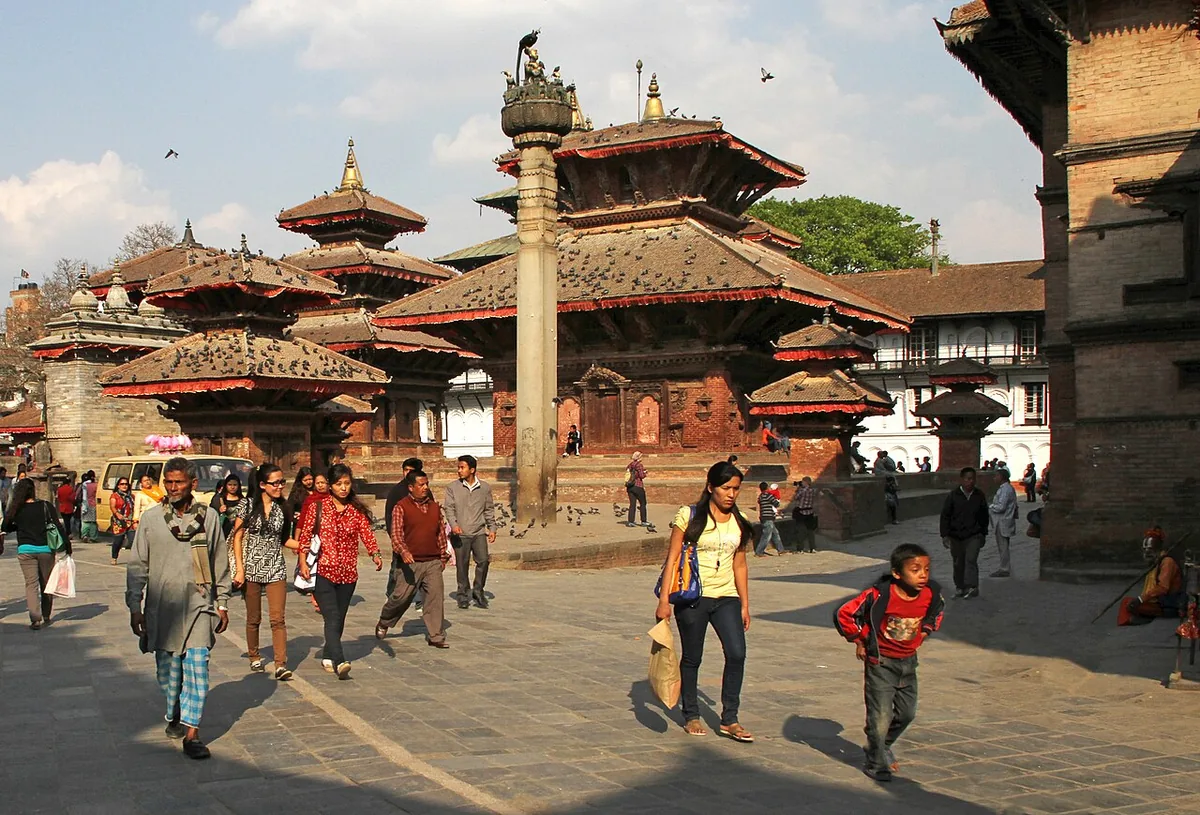
“Lumbini is the birthplace of the Buddha, and a pillar raised by Emperor Ashoka in the third century BCE still stands here, its inscription naming this as the very spot.”
About Lumbini
Lumbini was a renowned pilgrimage site in antiquity, visited by the emperor Ashoka, who erected a commemorative pillar whose inscription records his visit and identifies the place as where the Buddha was born. The site later faded and was lost for centuries before being rediscovered and identified in the late nineteenth century, partly through that very pillar. Now a UNESCO World Heritage Site, Lumbini has been developed around a master plan that created the monastic zone and protected the sacred garden, turning it into a focus of international Buddhist devotion and ongoing archaeology.
What Lumbini in Nepal is
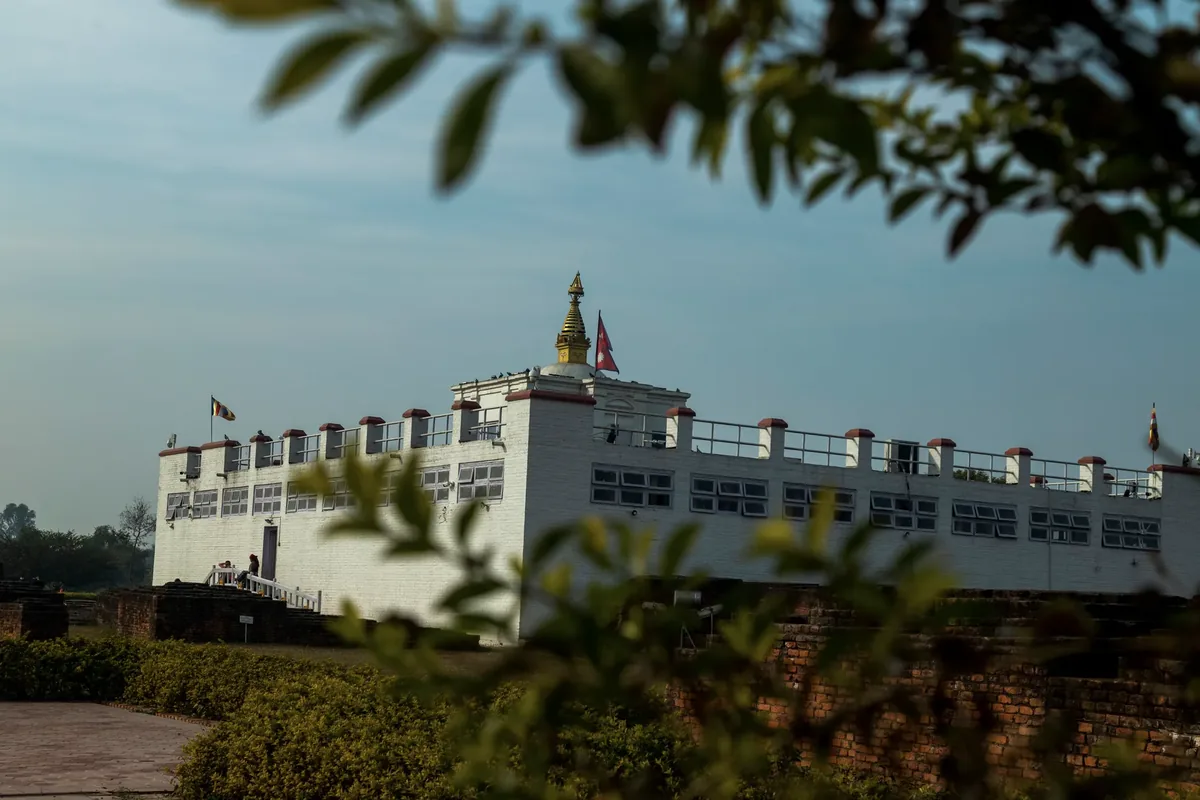
Lumbini, in the southern plains near the Indian border, is the birthplace of the Buddha, where Queen Maya Devi is said to have given birth to Siddhartha Gautama around the sixth century BCE. It is one of the four great pilgrimage sites of Buddhism and draws pilgrims and visitors from across the Buddhist world to the quiet, sacred grove where it all began.
Lumbini, in the southern plains near the Indian border, is the birthplace of the Buddha, where Queen Maya Devi is said to have given birth to Siddhartha Gautama around the sixth century BCE.
The Sacred Core
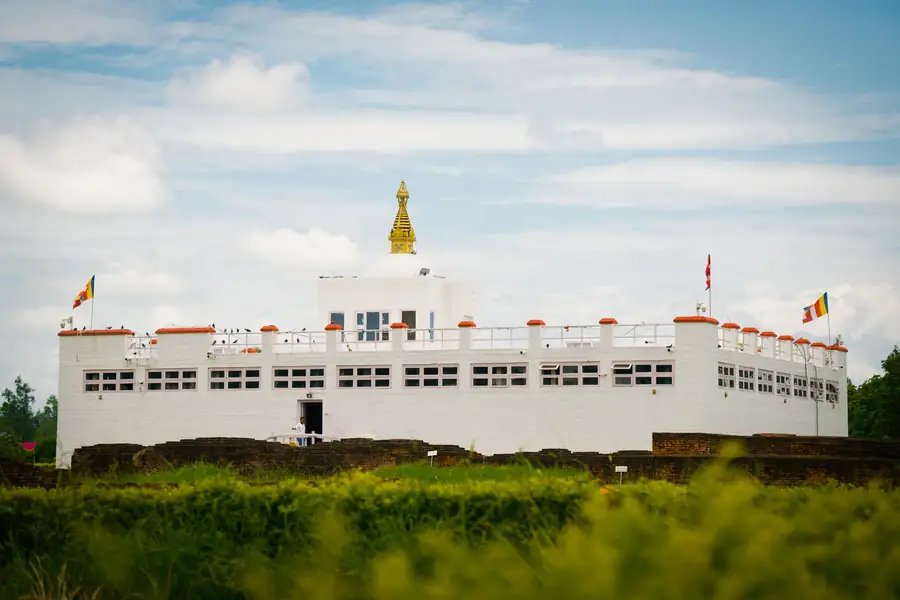
At the heart of the site is the Maya Devi Temple, sheltering the marker stone identifying the exact birthplace and the remains of ancient structures, beside a sacred pool and a venerable Bodhi tree hung with prayer flags. Nearby stands a pillar erected by the Indian emperor Ashoka in the third century BCE, whose inscription confirms the spot as the Buddha's birthplace, the key evidence for the site's identification.
The Monastic Zone
Around the sacred garden, a vast planned monastic zone, laid out with the help of international design, contains monasteries built by Buddhist nations from Thailand to Germany to Myanmar, each in its own national style, scattered along canals and gardens.
A Place of Pilgrimage
The atmosphere is calm and devotional, a place for slow walking, meditation and reflection rather than spectacle.
The Experience
A visit centres on the quiet sacred garden: the Maya Devi Temple over the birthplace marker, the still reflecting pool where the queen is said to have bathed, the Ashoka pillar, and the Bodhi tree draped in prayer flags where pilgrims chant and meditate. The mood is hushed and reverent. Beyond the core, you can walk or cycle the monastic zone, where temples built by different nations offer a tour of Buddhist architecture from around the world. The flat, warm plains setting is a world away from the mountains, and the overwhelming impression is of peace.
Why It Matters
Lumbini is the birthplace of the Buddha and one of Buddhism's four principal pilgrimage sites, a UNESCO World Heritage Site whose Ashoka pillar provides crucial historical evidence. It is a focus of devotion for Buddhists worldwide and a site of continuing archaeological importance.
Why Visit
It is among the most sacred places in Buddhism and a uniquely peaceful, reflective destination, with the added fascination of monasteries from many nations. Visit the Maya Devi Temple and Ashoka pillar respectfully, then cycle the monastic zone, and allow unhurried time.
✦ Insider Tips
- 1
Visit the Maya Devi Temple and the Ashoka pillar at the sacred core respectfully and quietly.
- 2
Hire a bicycle or rickshaw to explore the large monastic zone of international temples.
- 3
Dress modestly and remove shoes where required; this is an active pilgrimage site.
- 4
The plains get very hot; visit in the cool season and carry water and sun protection.