Pilgrims bathe under 108 icy water spouts at 3,800 metres, beside a natural flame that burns over water, sacred to Hindus and Buddhists alike.
About Muktinath Temple
Muktinath has been a major pilgrimage destination for both Hindus and Buddhists for centuries, one of the rare sites holy to both faiths, set in the high desert of Mustang on the old trans-Himalayan trade and pilgrimage route. Hindus revere it as one of the most sacred Vishnu shrines and a place of liberation, while Buddhists associate it with Guru Rinpoche; its natural eternal flame is central to its sanctity.
Muktinath is one
Muktinath is one of the most sacred pilgrimage sites in Nepal, a temple complex set high in the mountains of Mustang at around 3,800 metres, holy to both Hindus and Buddhists. Pilgrims journey to this remote, windswept spot to bathe under its 108 water spouts and to see its natural eternal flame, seeking liberation in a place where the two great faiths meet.
“Muktinath is one of the most sacred pilgrimage sites in Nepal, a temple complex set high in the mountains of Mustang at around 3,800 metres, holy to both Hindus and Buddhists.”
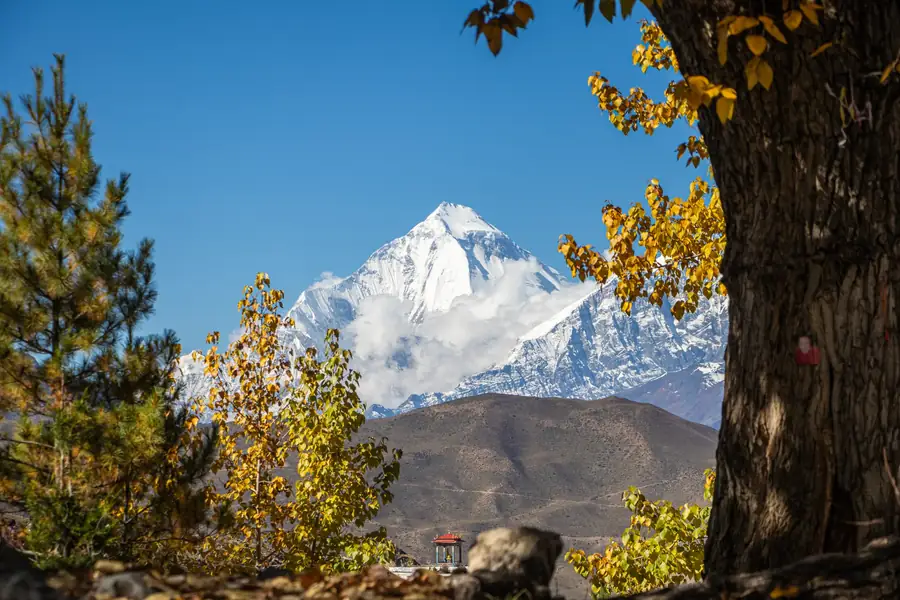
Muktinath Temple, Nepal
108 Spouts and an Eternal Flame
Muktinath, whose name means 'place of liberation', draws pilgrims to two famous features. Around the main temple, 108 carved water spouts, often shaped as cattle heads, pour icy spring water, and devout pilgrims bathe under every one in turn despite the cold and altitude, as an act of purification. Nearby, a Buddhist shrine houses a natural flame, fed by underground natural gas, burning over water, a phenomenon revered as a miraculous eternal fire sacred to both religions.
The Experience
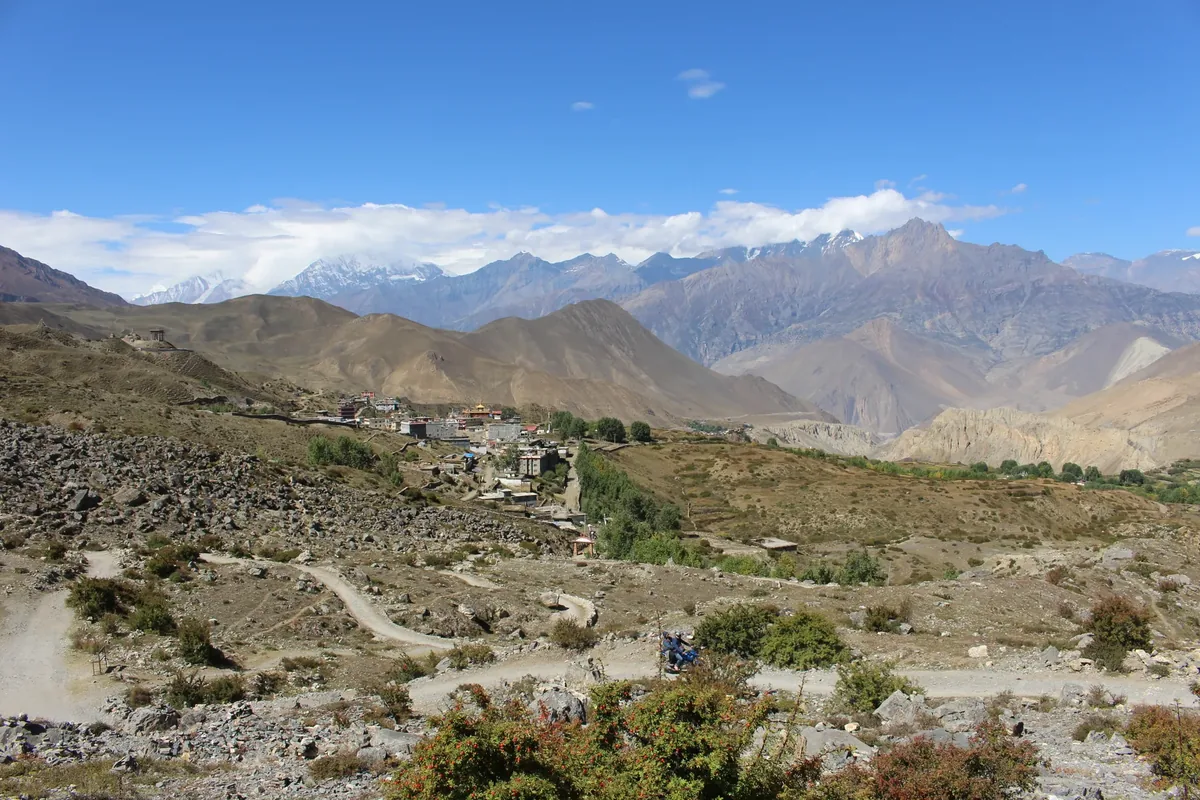
You reach Muktinath by a path through the dramatic high-altitude landscapes of Mustang, then climb to the temple complex where pilgrims brave the freezing water of the 108 spouts and visit the shrine of the eternal flame burning over a spring. The thin air, the stark mountain setting, the devotion and the natural wonders combine in a powerful, otherworldly pilgrimage experience shared by two religions.
Why It Matters
Muktinath is one of the holiest sites in both Hinduism and Buddhism and a remarkable symbol of religious coexistence in the high Himalaya. Its sacred springs and natural eternal flame, set in the extraordinary landscape of Mustang, make it a destination of deep spiritual significance and natural wonder.
Why Visit
A high-altitude pilgrimage temple in Mustang sacred to Hindus and Buddhists, with 108 holy water spouts and a natural eternal flame burning over water.
Insider Tips
- 1
Acclimatise; the temple sits at around 3,800 metres.
- 2
See the natural eternal flame burning over water.
- 3
Spring and autumn are best; winter is harsh at altitude.