“This people thrived for centuries in malarial jungle where others could not, traditionally said to carry a natural resistance to the disease.”
About Tharu Village
The Tharu are an indigenous people of the Terai lowlands who long inhabited the dense, malaria-ridden forests along the Indian border, with a traditional reputation for resistance to malaria. Living close to the land and jungle, they developed a distinctive culture. As Chitwan became a wildlife tourism hub, Tharu villages opened to visitors, sharing their architecture, customs and performances, including the energetic stick dance.
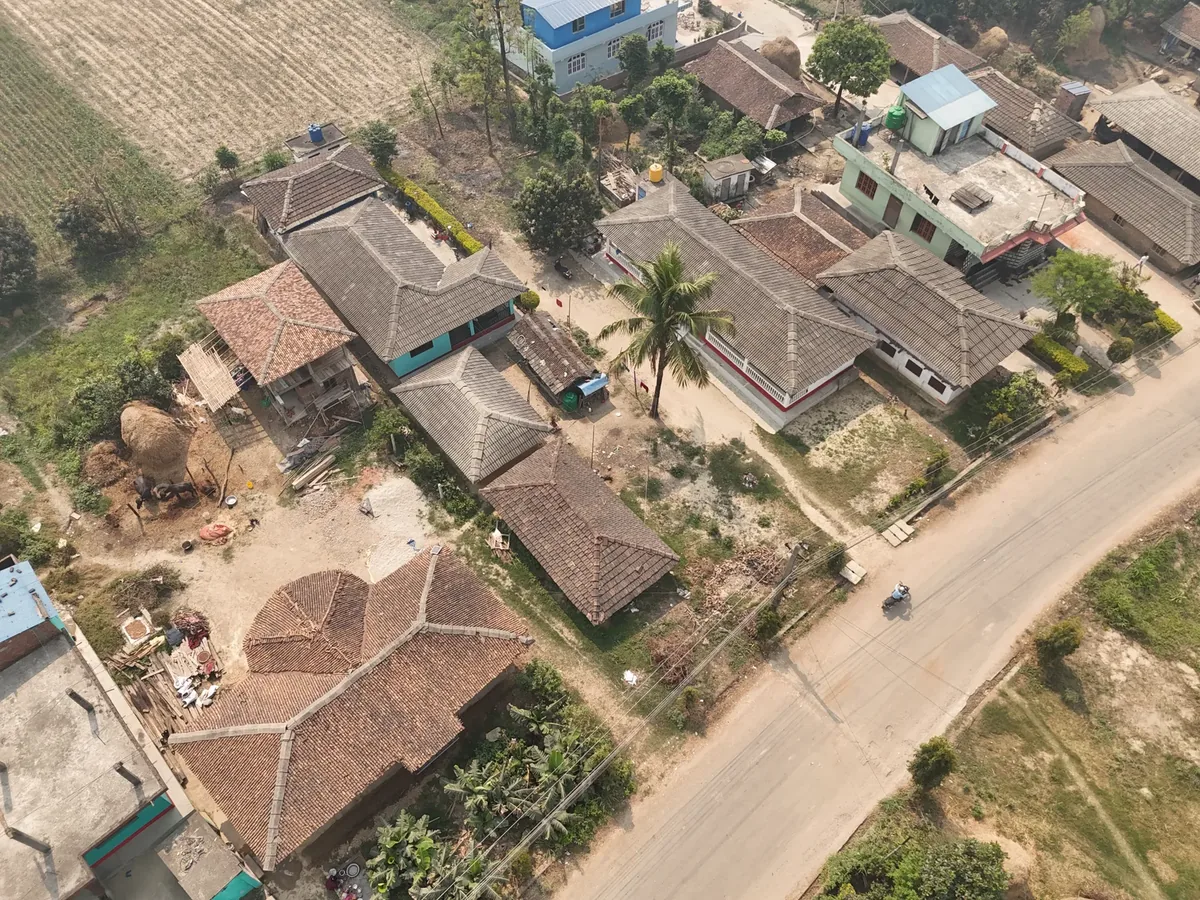
What Tharu Village actually is
The Tharu villages around Chitwan in Nepal's southern lowlands offer a window into the culture of the Tharu people, an indigenous group long native to the Terai region. Visitors come to see traditional mud-and-thatch homes, learn about Tharu customs and watch the famous Tharu stick dance, a vibrant cultural performance.
The Tharu villages around Chitwan in Nepal's southern lowlands offer a window into the culture of the Tharu people, an indigenous group long native to the Terai region.
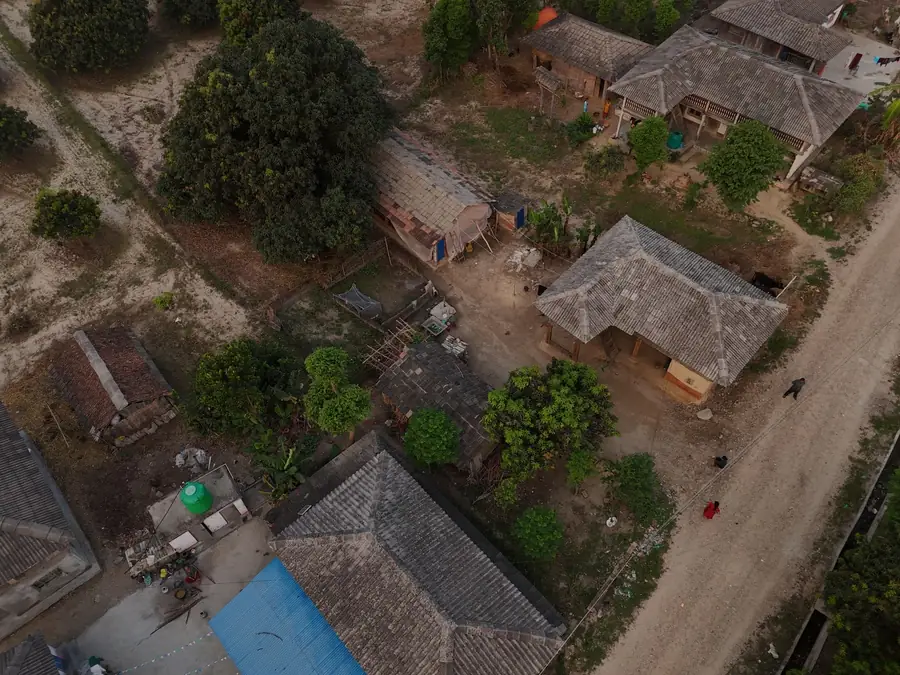
People of the Jungle
The Tharu have lived in the malarial jungles of the Terai for centuries and are traditionally said to carry a natural resistance to malaria, which allowed them to thrive where others could not before the disease was controlled. Their distinctive culture includes elaborately decorated mud houses, unique customs, dress and cuisine, and a rich tradition of music and dance. The Tharu stick dance, performed with rhythmic clashing of sticks, is the best-known expression of their heritage.
The Experience
You visit a village of neatly built mud-and-thatch houses, often decorated with painted patterns, learn about Tharu daily life, farming and traditions, and watch a stick dance performance in which dancers clash long sticks in rhythmic, swirling patterns. Cultural programmes and museums add context. The experience pairs naturally with a Chitwan wildlife safari, adding human culture to the natural attractions of the region.
Why It Matters
Tharu village visits showcase the distinctive indigenous culture of Nepal's Terai and the people who first made the jungle habitable. They add an important cultural dimension to a Chitwan trip and support the Tharu community, helping to preserve and share traditions that might otherwise fade with modernisation.
Tharu village visits showcase the distinctive indigenous culture of Nepal's Terai and the people who first made the jungle habitable.
Why Visit
An insight into the indigenous Tharu culture of Nepal's lowlands, with traditional mud villages, customs and the famous stick dance, alongside a Chitwan safari.
✦ Insider Tips
- 1
Watch the energetic Tharu stick dance, often performed evenings.
- 2
See the traditional decorated mud-and-thatch houses.
- 3
Combine it with a wildlife safari in Chitwan.
- 4
Visiting supports the local Tharu community.