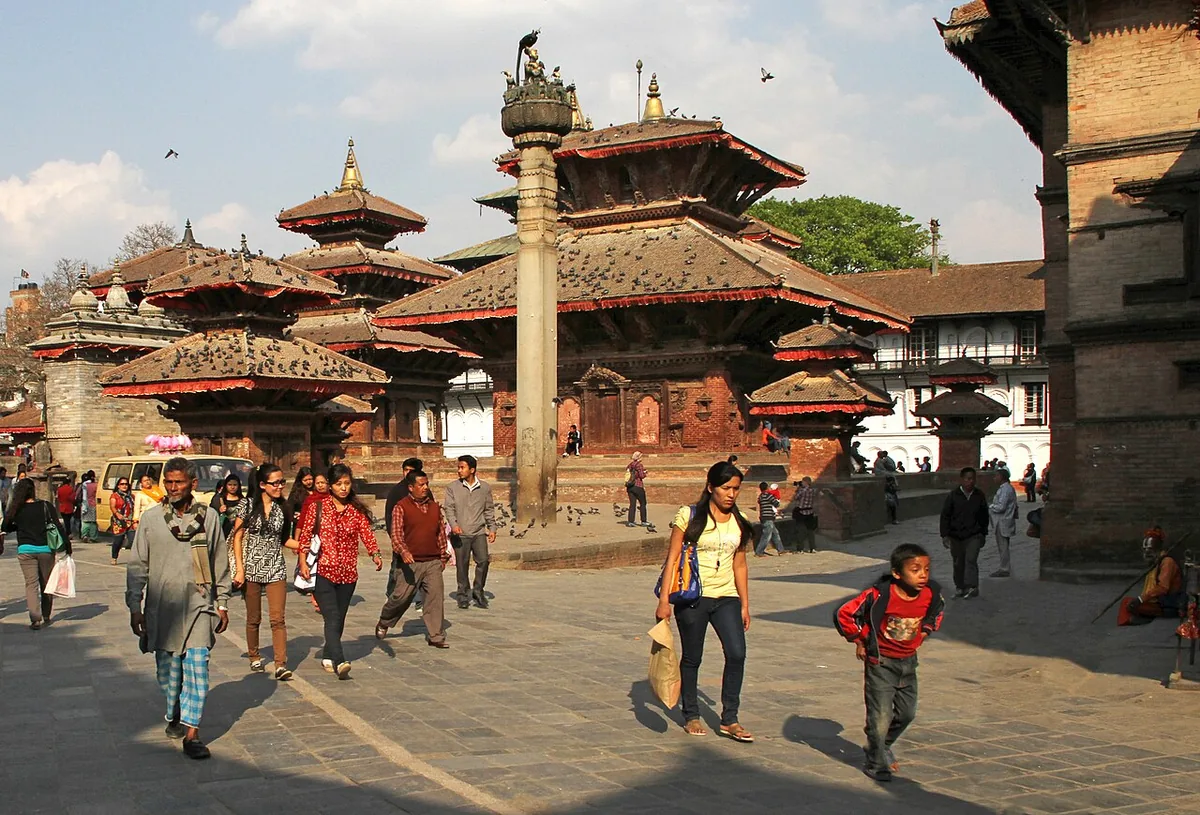
“Buddhist nations from around the world each built a monastery here in their own style, creating an open-air gallery of global Buddhist architecture.”
About World Monastic Zone
The monastic zone is part of a grand master plan for Lumbini conceived by the renowned architect Kenzo Tange in the 1970s, intended to develop the Buddha's birthplace into an international pilgrimage and peace centre. Over the following decades, Buddhist countries and organisations were allotted plots and built monasteries in their distinctive national and sectarian styles, gradually filling the planned precincts.
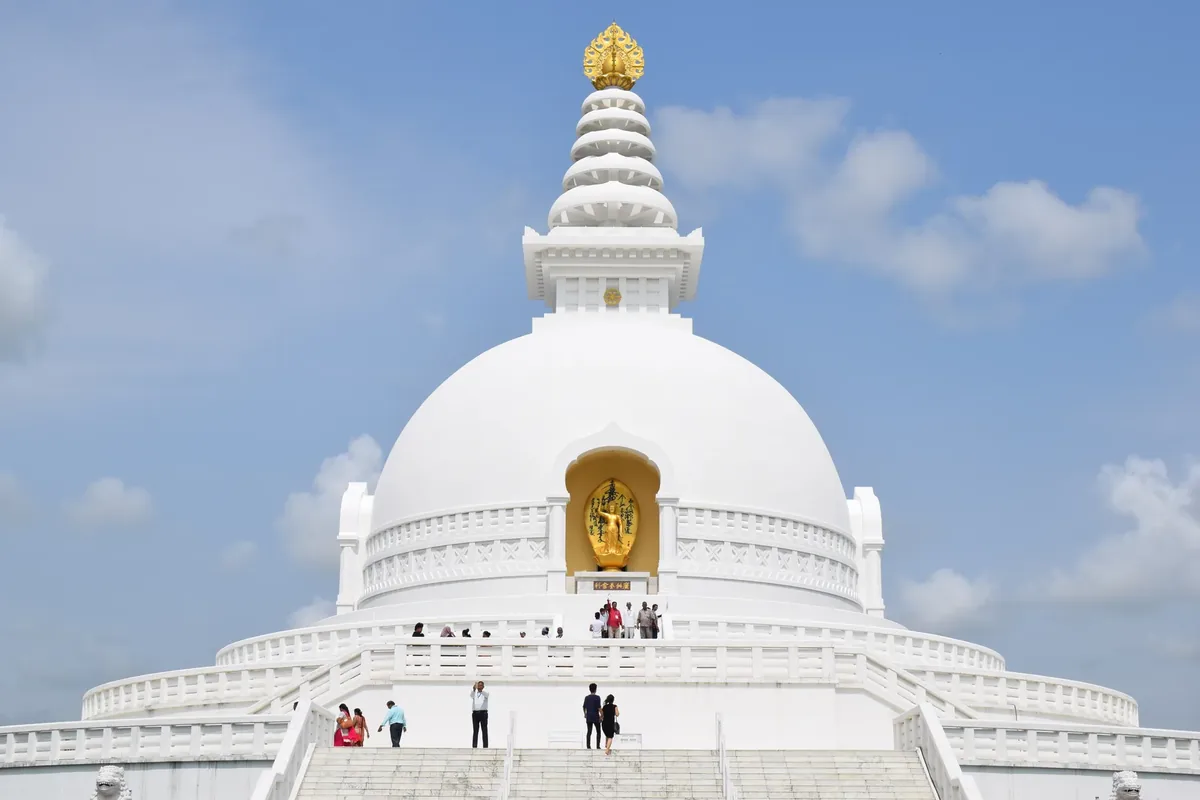
World Monastic Zone
The World Monastic Zone is the heart of the modern Lumbini development around the Buddha's birthplace, a vast landscaped area where Buddhist nations from around the world have each built a monastery in their own national style. The result is an extraordinary open-air gallery of global Buddhist architecture, from Thai and Burmese temples to Tibetan, Japanese, Chinese and German monasteries.
The result is an extraordinary open-air gallery of global Buddhist architecture, from Thai and Burmese temples to Tibetan, Japanese, Chinese and German monasteries.
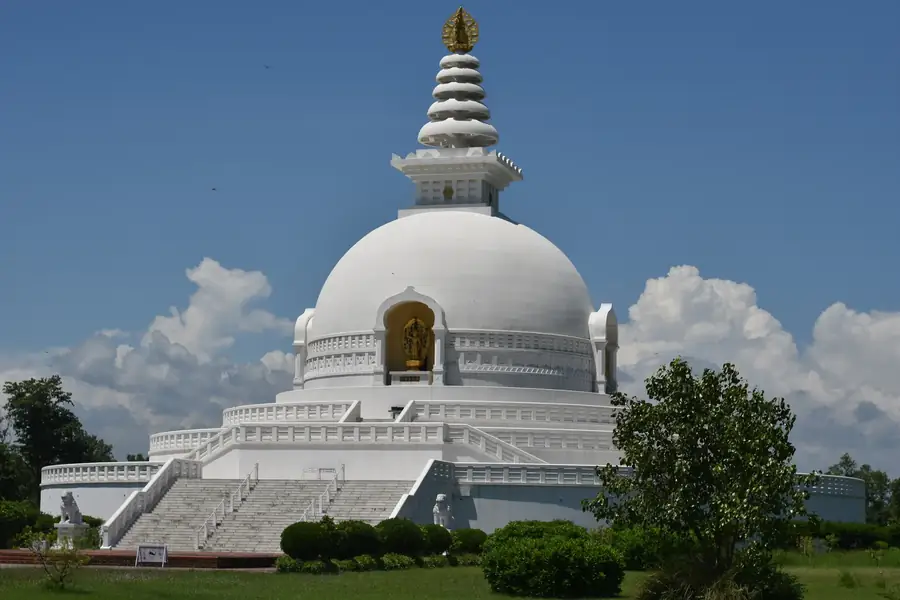
A Map of the Buddhist World
Laid out according to a master plan designed by the Japanese architect Kenzo Tange, the monastic zone is divided into eastern and western precincts, where different Buddhist countries and traditions have constructed monasteries reflecting their own heritage. Walking or cycling between them is like touring the diversity of the Buddhist world in one place, each monastery a vivid expression of its nation's interpretation of the faith, gathered around the birthplace of its founder.
The Experience
Moving through the spread-out zone on foot, by bicycle or rickshaw, moving between strikingly different monasteries: a golden Thai temple, an ornate Burmese pagoda, a Tibetan gompa rich with murals, a serene Japanese peace temple and many more, set among gardens and waterways. The variety of architecture, colour and atmosphere is captivating, and the scale encourages a leisurely, contemplative visit around the sacred core of Lumbini.
Why It Matters
The World Monastic Zone embodies Lumbini's role as a global centre of Buddhism and a symbol of the faith's worldwide reach from a single birthplace. Its collection of national monasteries makes it a unique showcase of Buddhist diversity and a centrepiece of the UNESCO-listed Lumbini development.
The World Monastic Zone embodies Lumbini's role as a global centre of Buddhism and a symbol of the faith's worldwide reach from a single birthplace.
Why Visit
An extraordinary collection of monasteries built by Buddhist nations worldwide in their own styles, an open-air gallery of global Buddhist architecture at Lumbini.
✦ Insider Tips
- 1
Explore by bicycle or rickshaw, as the zone is large.
- 2
Compare the Thai, Burmese, Tibetan, Japanese and other styles.
- 3
Combine it with the Maya Devi Temple at the sacred core.
- 4
Visit in cooler hours; the Terai is hot much of the year.