“Seven million hand-planted bulbs wake up simultaneously for just eight weeks a year, creating a floral stampede that can be seen from space.”
About Keukenhof
The park's 19th-century foundation was laid by Jan David Zocher and his son, who embraced the Romantic era's love for naturalistic but highly managed parks. The bulb industry in the Netherlands has deep roots in the 17th-century 'Tulip Mania,' and Keukenhof is the modern, more stable descendant of that obsession. Since its first public opening in 1950, the park has hosted nearly 100 million people. It remains a private foundation supported by the bulb growers themselves, who use the grounds to demonstrate the latest cross-breeding techniques and seasonal trends. The park also manages a 17th-century castle on the opposite side of the road, which provides a historical anchor for the surrounding horticultural madness.
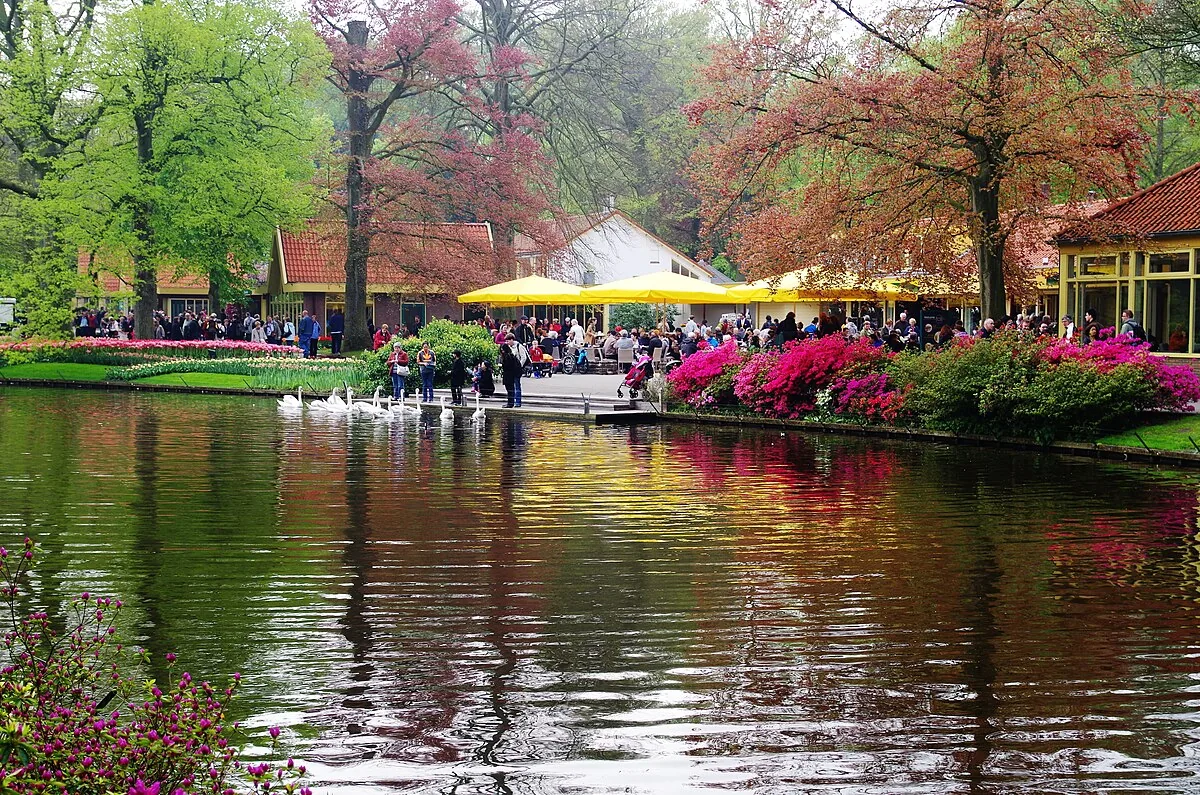
Every spring, a quiet corner of Lisse explodes
Every spring, a quiet corner of Lisse explodes into a technical marvel of color known as Keukenhof. Spread over 32 hectares, this is the world's largest flower garden, where over seven million bulbs are hand-planted each year to create a fleeting, eight-week spectacle. The park is a designed landscape of winding paths, ancient trees, and themed gardens that showcase the pinnacle of Dutch horticultural skill. While the tulip is the undisputed king here, the pavilions are filled with hyacinths, lilies, and orchids of such intense saturation they almost look artificial. Around you it is thick with a scent that is both sweet and earthy, a perfume that lingers on your clothes long after you leave. It is a place of manicured perfection, where the geometry of the flower beds mirrors the precision of the Dutch landscape itself.
Every spring, a quiet corner of Lisse explodes into a technical marvel of color known as Keukenhof.
The name Keukenhof translates to 'Kitchen
The name Keukenhof translates to 'Kitchen Garden,' harkening back to the 15th century when the grounds provided herbs and vegetables for the castle of Jacqueline, Countess of Hainaut. The current park was designed in 1857 by the same architects responsible for Amsterdam's Vondelpark, utilizing an English landscape style characterized by flowing lines and surprise vistas. The idea for a public flower exhibition was born in 1949, when a group of bulb growers decided to use the estate to showcase their products to the world. Since then, it has evolved into a global event that attracts millions of visitors, serving as a massive living catalog for the Dutch floral industry. Each year features a different theme, reflected in giant flower mosaics that use tens of thousands of individual blooms to create complex images.
Walking through the gates, The sheer
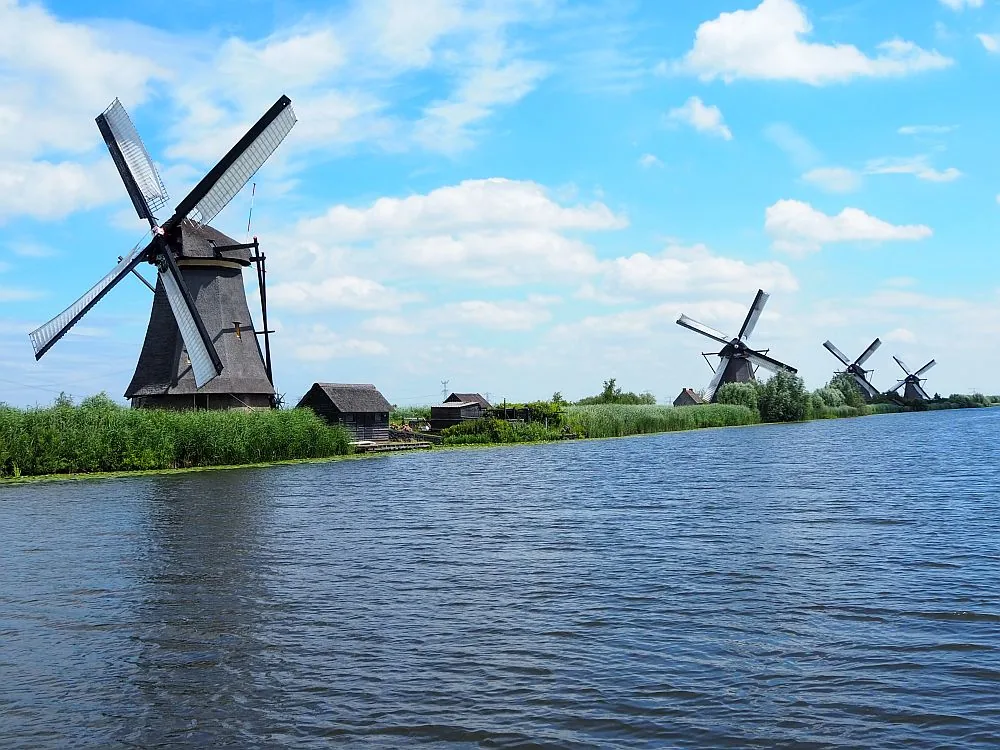
Walking through the gates, The sheer volume of color is almost disorienting; the reds, purples, and yellows are so bright they seem to vibrate against the deep green of the lawns. The park is a mixture of falling water from the fountains and the low hum of thousands of visitors speaking in dozens of different languages. What gets your attention is the texture of the tulips, the waxy feel of the petals and the sturdy, cool stems. There is a feeling of soft, well-groomed mulch of the paths beneath your feet. Often overlooked is the historic windmill at the edge of the park, which offers a view out over the actual commercial bulb fields that stretch to the horizon. First you see the way the light filters through the budding beech trees, creating a dappled effect that makes the flower beds look like impressionist paintings.
Keukenhof is only open from late
Keukenhof is only open from late March to mid-May, making timing essential. The most efficient way to reach it is via the 'Keukenhof Express' buses that run directly from Schiphol Airport, Leiden, and Amsterdam RAI. Cycling to the park through the flower fields of the Bollenstreek is a popular alternative for those who want to see the surrounding landscape. Because of the extreme seasonality, tickets must be booked in advance for a specific time slot. Arriving at the opening hour or late in the afternoon is the only way to experience the gardens with a sense of tranquility before the main tour groups arrive.
Keukenhof is only open from late March to mid-May, making timing essential.
The Experience
Immediately, the temperature change as you enter the Willem-Alexander Pavilion, where thousands of lilies create an indoor climate of humid, floral heat. You hear a traditional barrel organ often plays near the entrance, adding a nostalgic, festive layer to the atmosphere. There is a feeling of spring breeze coming off the nearby North Sea, which keeps the flowers crisp and vibrant. Most visitors miss the quiet 'Inspiration Gardens' at the back of the park, where modern garden design is practiced on a smaller, more relatable scale. The piece that stays with you is standing on the bridge over the large pond, watching the swans glide between reflections of cherry blossoms and rows of parrot tulips.
Why It Matters
Keukenhof is the international billboard for the Dutch floral industry, which produces nearly 90% of the world's flower bulbs. It is a site of immense cultural pride and a masterclass in landscape architecture. Beyond the tourism, it is a vital site for horticultural research and the preservation of rare bulb varieties that might otherwise be lost to commercial monoculture.
Why Visit
Visit Keukenhof to see what happens when humans and nature collaborate with total precision. It is the most concentrated dose of spring on the planet. Even if you aren't a gardener, the scale and the sensory impact of the color are enough to justify the trip; it is a living art installation that exists for only a few weeks a year.
✦ Insider Tips
- 1
Rent a bike at the main entrance to explore the surrounding 'real' bulb fields after you've finished with the manicured park.
- 2
Bring a picnic; the food stalls inside are expensive and the lawns near the pond are perfect for an outdoor lunch.
- 3
The best indoor display is the orchid show in the Beatrix Pavilion, which is often overlooked but spectacular.
- 4
Avoid the weekend of the Bloemencorso (flower parade) unless you enjoy being in a crowd of a million people.
- 5
Check the 'Flower Radar' on the park's website before you go to see which sections are currently in peak bloom.