All landmarks and tourist attractions in Netherlands
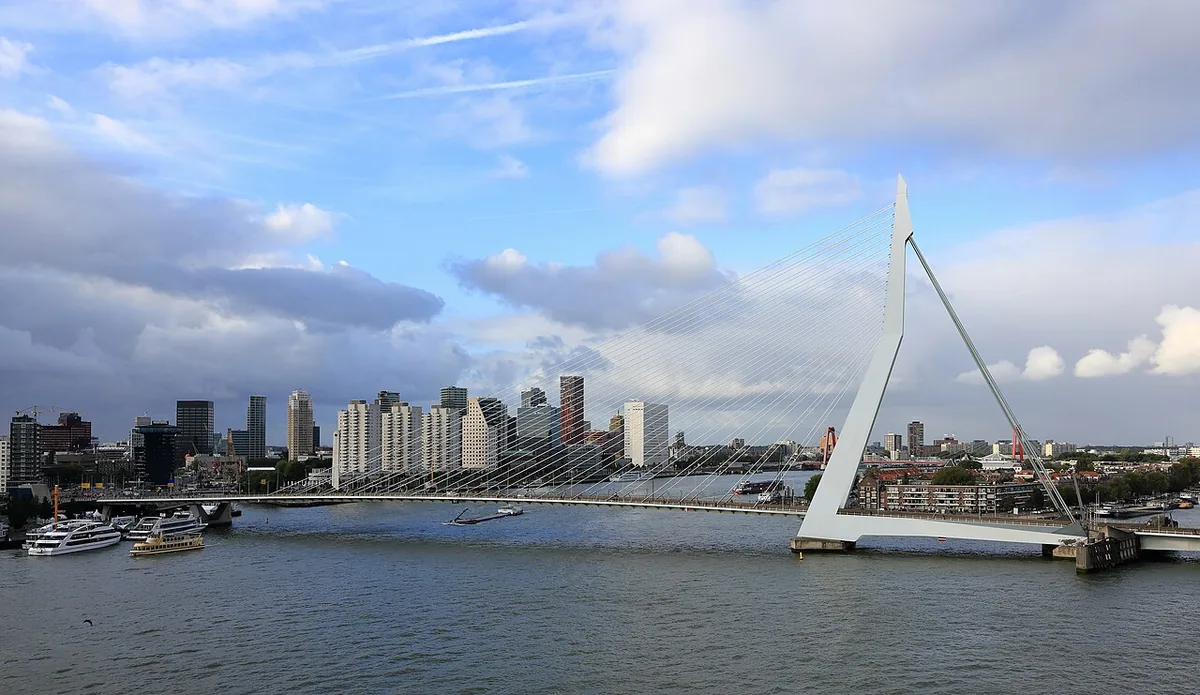
Erasmusbrug
A 139-metre asymmetrical steel pylon nicknamed 'The Swan' that tethers the historic centre to the industrial Kop van Zuid; this 1996 cable-stayed bridge spans the Nieuwe Maas with a singular; elegant harp-like geometry; stand on the northern quay at midnight when the white steel is floodlit and the river current churns against the concrete piers; the sound is a low; industrial hum against the North Sea wind.
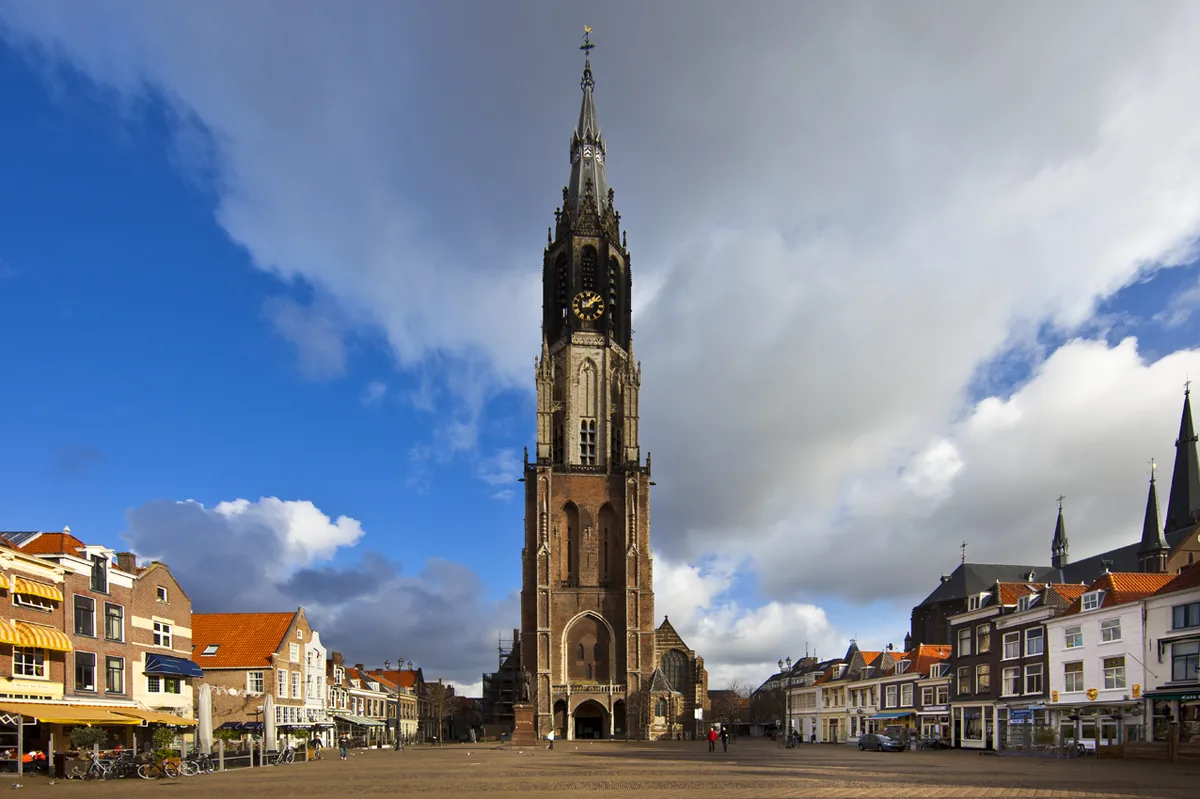
Nieuwe Kerk
The 14th-century Gothic brick giant houses the royal crypt of the House of Orange-Nassau and the ornate marble mausoleum of William the Silent; the 108-metre tower provides a geometric grid view of the city’s medieval canals; stand in the nave at 4 pm when the western light penetrates the high clerestory windows; the smell of cold stone and centuries of damp earth is pervasive.
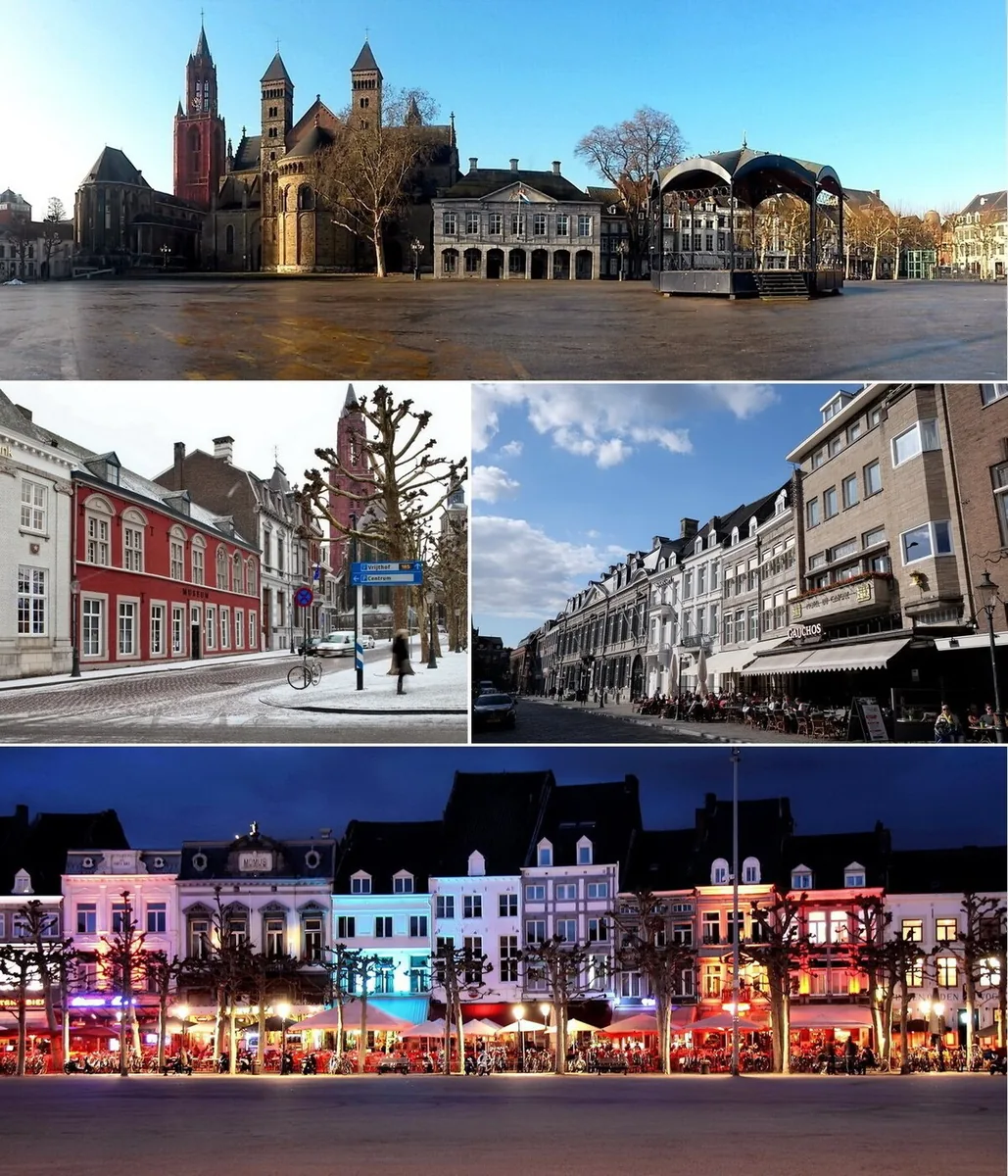
Vrijthof
A massive stone-paved square at the heart of the Roman-founded city; flanked by the 12th-century Romanesque Basilica of Saint Servatius and the distinct red tower of Saint John's; the space has served as a religious pilgrimage site and a military parade ground since the Middle Ages; sit at a peripheral cafe at dusk as the limestone facades turn amber; the sound of the carillon bells is heavy and bronze.
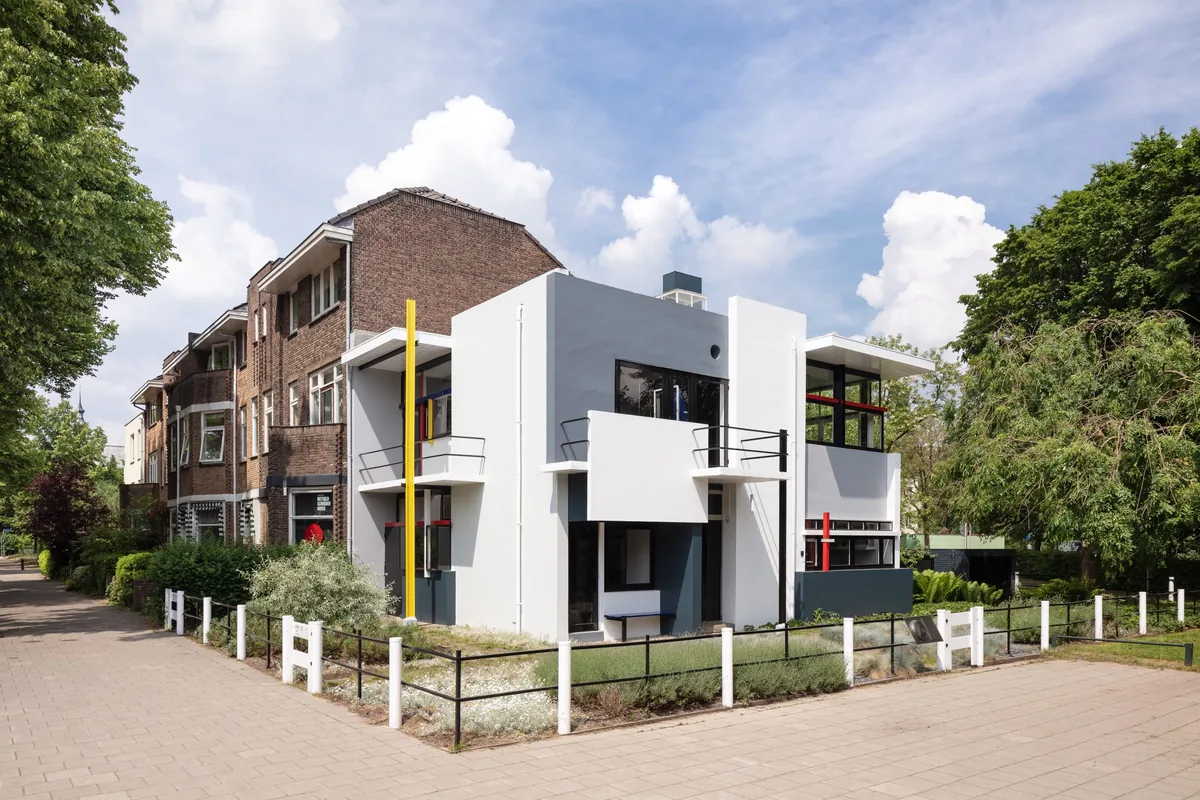
Rietveld Schröderhuis
The 1924 manifesto of the De Stijl movement is a modular house of primary colours and sliding walls that abolished the traditional concept of rooms; designed by Gerrit Rietveld; it remains the only building of its kind in the world; walk through the upper floor when the guide shifts the partitions to reveal the changing interior geometry; the clinical light through the corner windows demonstrates the radical clarity of Dutch modernism.
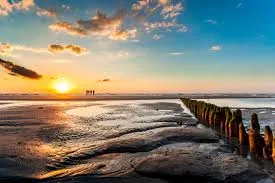
Wadden Sea
A UNESCO-listed intertidal zone where the North Sea retreats to reveal 10,000 square kilometres of mudflats; sandbanks; and eelgrass meadows; this prehistoric landscape is a shifting; aqueous desert that serves as a critical migratory corridor; walk the mudflats at low tide with a local guide; the air smells of iodine and wet salt; while the sound of the retreating tide is a distant; rhythmic hiss.
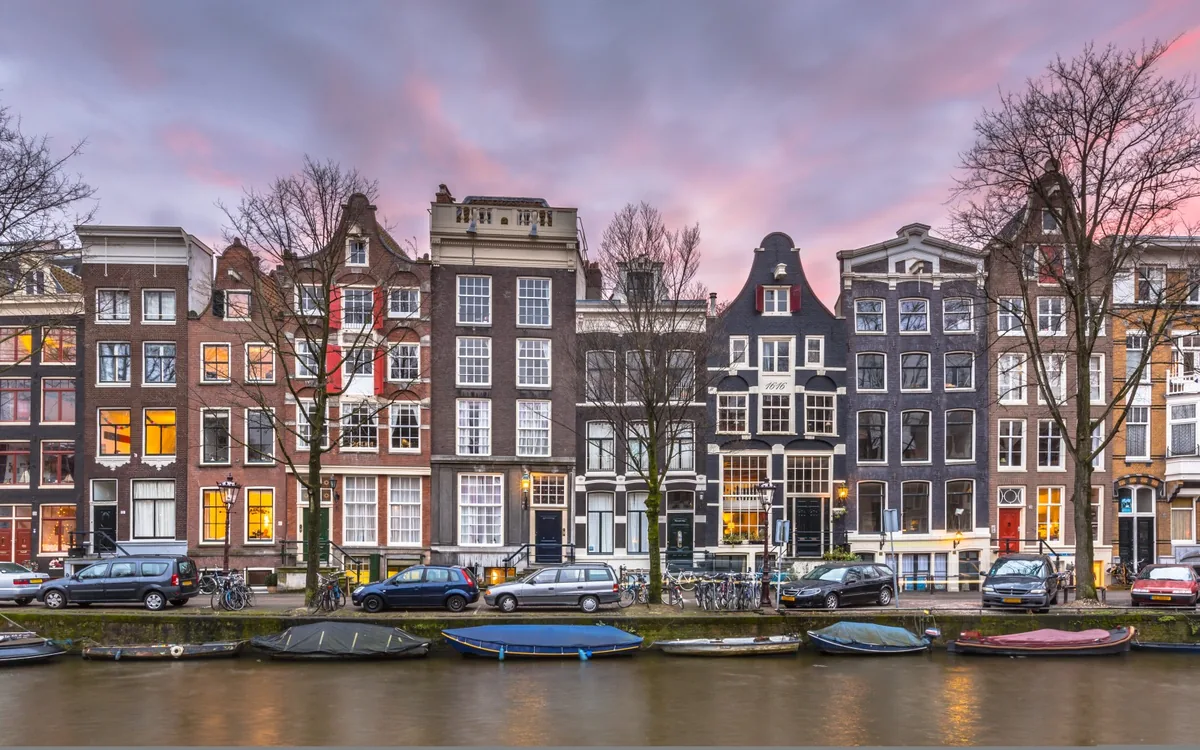
Jordaan District
Originally a 17th-century working-class enclave; this grid of narrow canals and 'hofjes' (hidden courtyards) is the most culturally distinct quarter of the capital; the architecture is defined by leaning gables and hand-carved stone tablets; enter an unmarked courtyard on the Egelantiersgracht; the temperature drops and the city's traffic vanishes; leaving only the sound of water dripping off ivy and the smell of old brick.
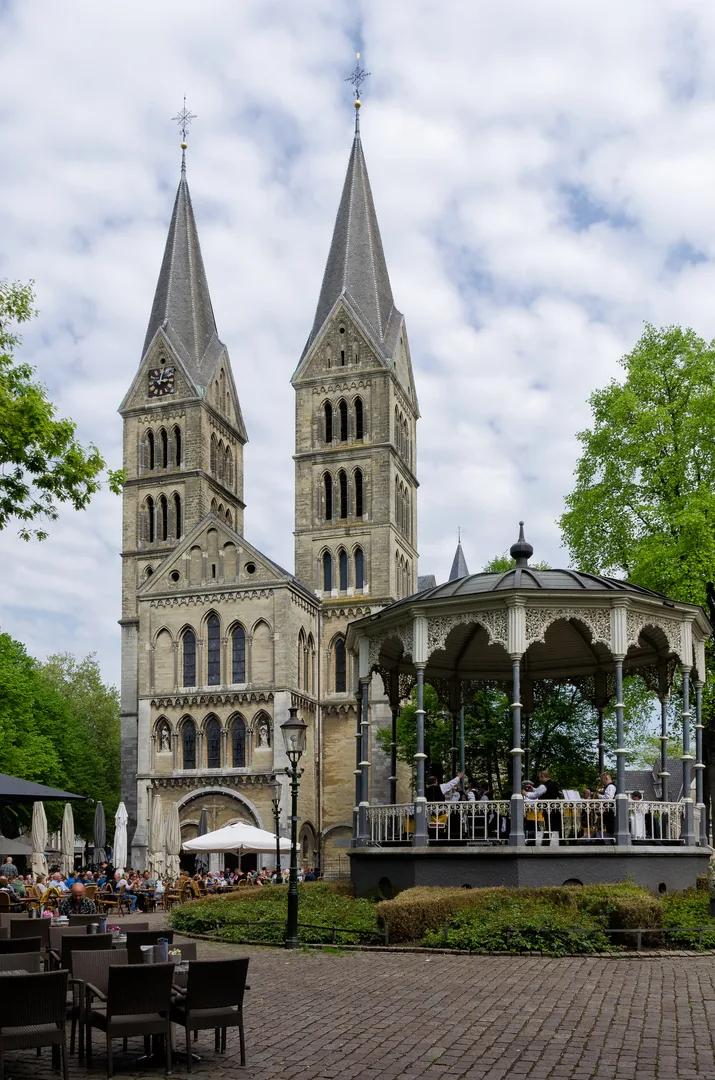
Munsterkerk
The only 13th-century Late Romanesque church in the Netherlands; built as a Cistercian abbey for noblewomen and housing the tomb of Gerard III; its architecture is a heavy; fortress-like transition between Romanesque mass and Gothic verticality; enter the nave when the light is low; the thick stone walls muffle all sound; leaving only the cold smell of incense and the sight of the geometric floor tiles.
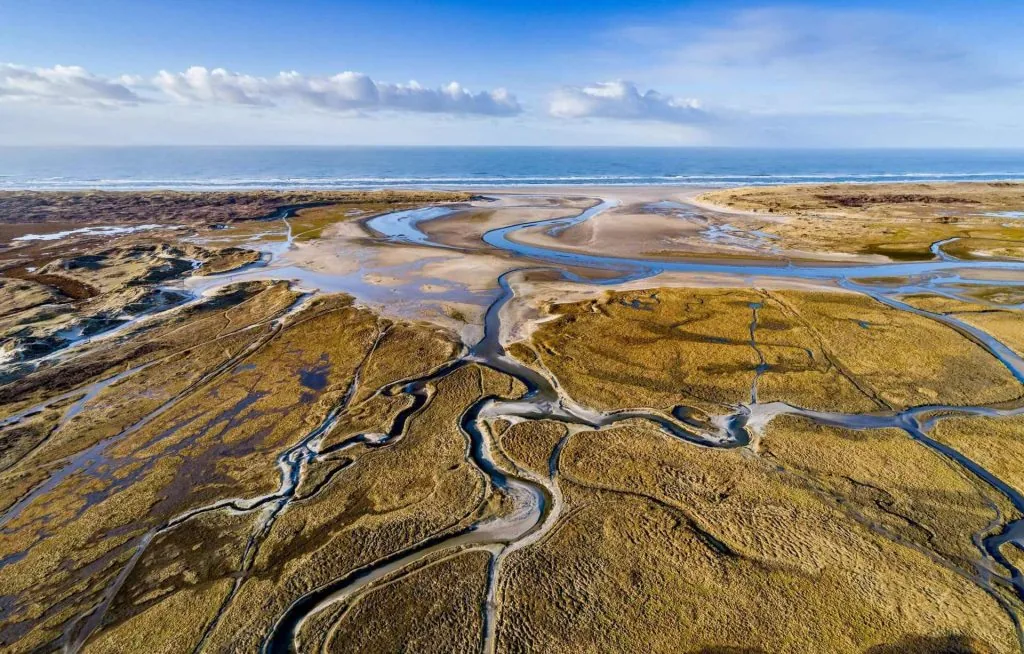
Texel Dunes National Park
A 43-square-kilometre expanse of shifting sand dunes; salt marshes; and wet 'slacks' on the western edge of the island of Texel; the landscape is dominated by the 19th-century bright red Eierland Lighthouse; hike the Slufter valley during a high spring tide; the North Sea breaches the dunes to flood the plains; creating a temporary salt-water lagoon; the sound of thousands of Brent geese is deafening.
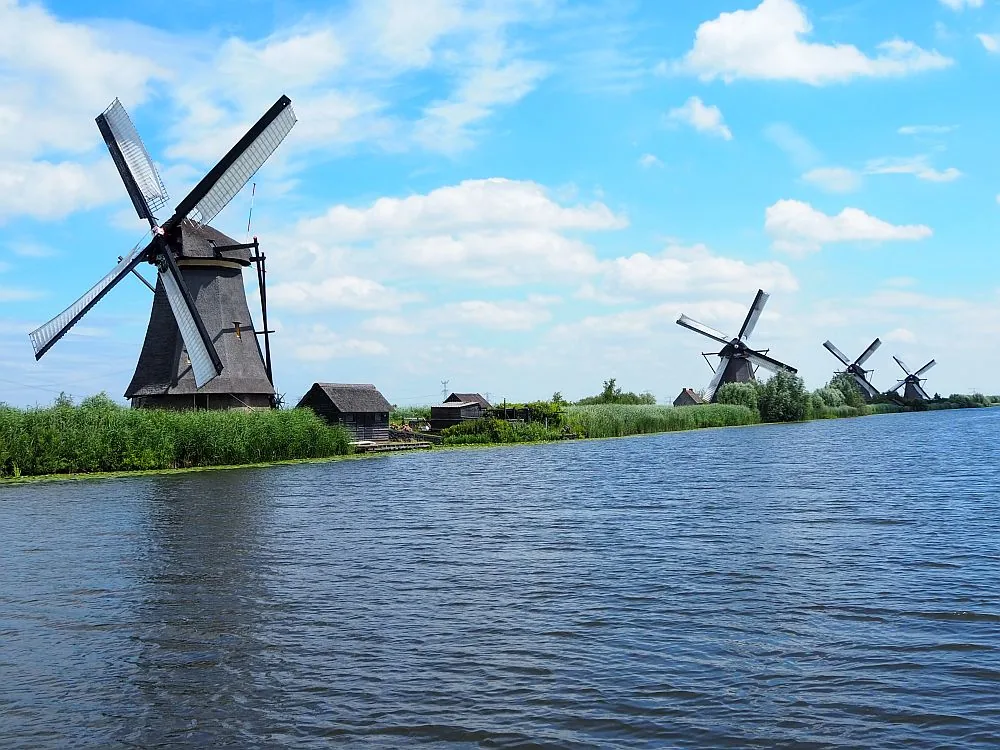
Kinderdijk-Elshout Windmill Network
Nineteen wooden giants have spent three centuries standing in the mud, performing a synchronized mechanical dance to prevent the North Sea from swallowing the very ground you stand on.
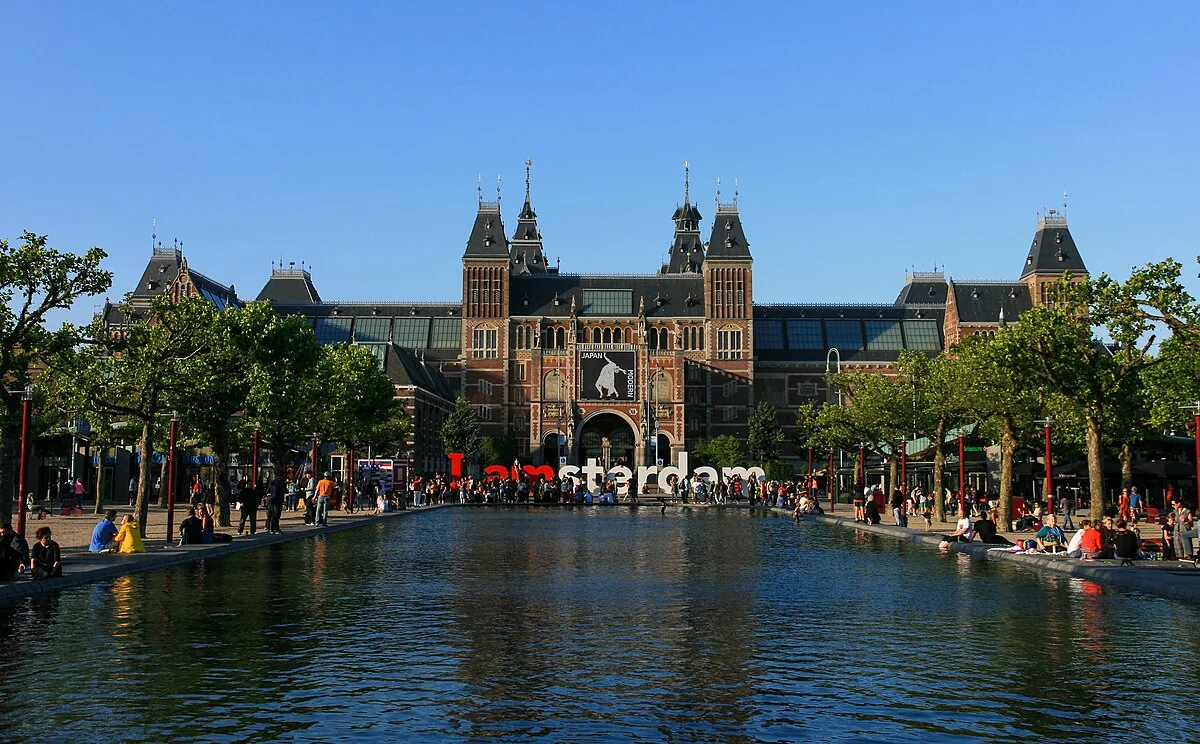
Rijksmuseum
The 1885 Neo-Gothic bastion of Dutch identity houses Rembrandt’s 'The Night Watch' in a dedicated gallery designed as a secular cathedral; the Great Hall features hand-painted terrazzo floors and stained-glass windows celebrating artistic guilds; walk the Gallery of Honour at 9 am when the light strikes the Dutch Master canvases with surgical precision; the air is cool and silent despite the city's exterior chaos.
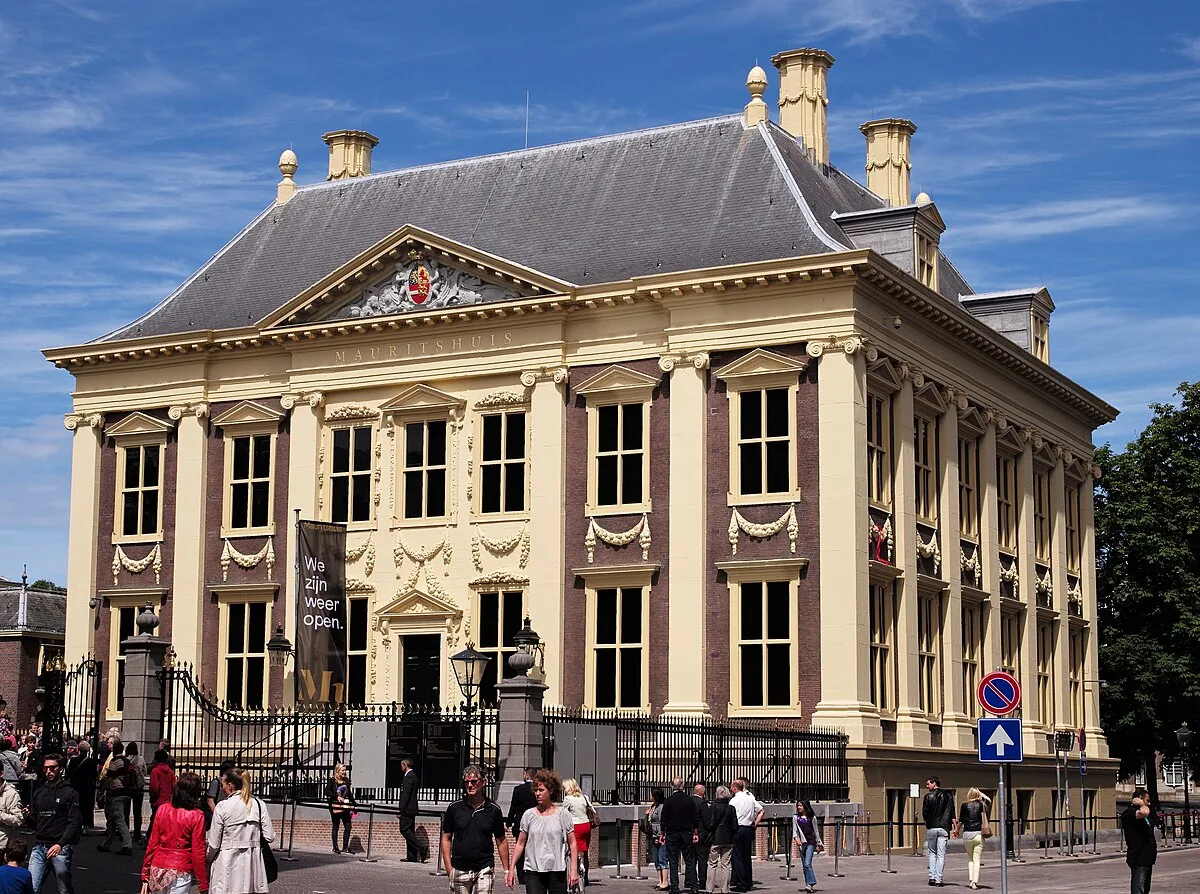
Mauritshuis
A 17th-century 'sugar palace' of Dutch Classicist architecture overlooking the Hofvijver that houses Vermeer’s 'Girl with a Pearl Earring'; the interior features silk-lined walls and heavy oak panelling that absorb the sound of the city; arrive during a rainy afternoon when the grey light from the pond reflects into the Vermeer room; the intimacy of the space makes the small-scale canvases feel monumental.
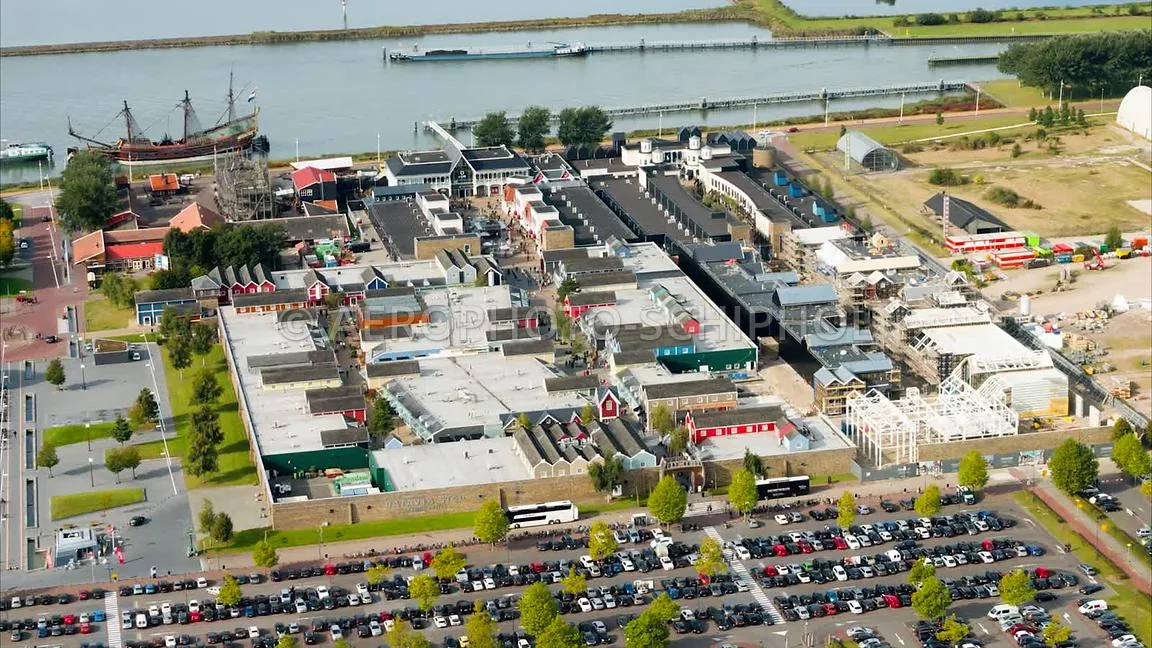
The Bataviastad (Batavia-werf)
A precise 1:1 reconstruction of the 1628 Dutch East India Company ship 'Batavia'; built using traditional 17th-century ship-building techniques and hand-forged ironwork; the smell of tar and hemp is overpowering as you descend into the cramped gun deck; visit during a North Sea gale; the creak of the massive oak hull and the whistling of the wind through the rigging provide a visceral sense of maritime peril.
The Bataviastad (Batavia-werf)
A ghost from the Golden Age reconstructed on the bottom of a vanished sea, where the scent of tar and oak still signals the start of an ocean voyage.
Kinderdijk-Elshout Windmill Network
Nineteen stone and thatched drainage mills from 1740 stand in two parallel rows along the reclaimed polders of the Alblasserwaard; this UNESCO-listed system is the zenith of 18th-century hydraulic engineering designed to prevent peat subsidence; navigate the narrow cycle paths at dawn when the fog sits heavy on the reed beds; the rhythmic creak of the massive wooden sails is the only sound in the marshes.
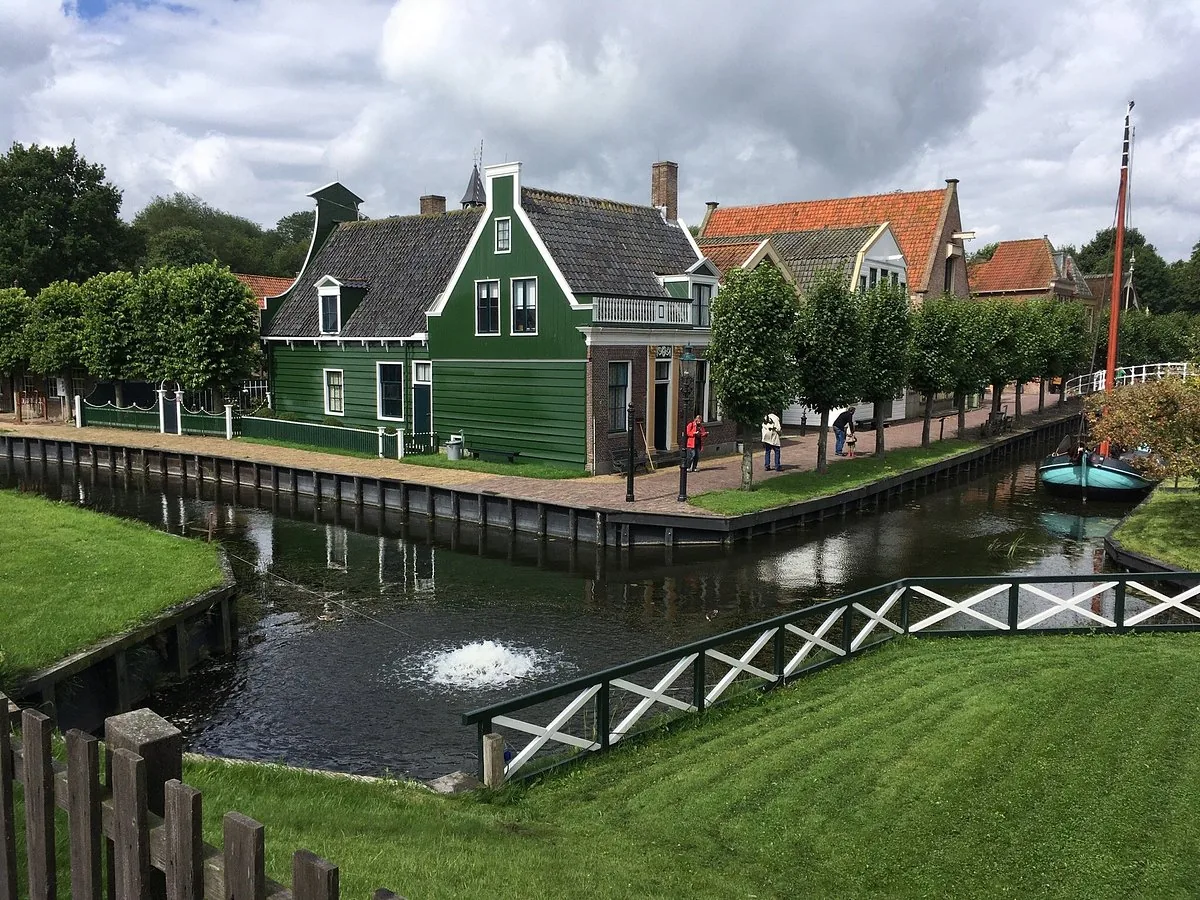
Zuiderzeemuseum
An outdoor preservation of a 19th-century fishing village featuring over 140 authentic buildings relocated to the edge of the IJsselmeer; the site demonstrates the pre-Afsluitdijk life of the interior sea; walk the lime-kiln district on a misty Tuesday; the smell of smoked herring and peat fires is trapped between the narrow brick alleys; the lack of modern noise creates a vacuum of historical immersion.
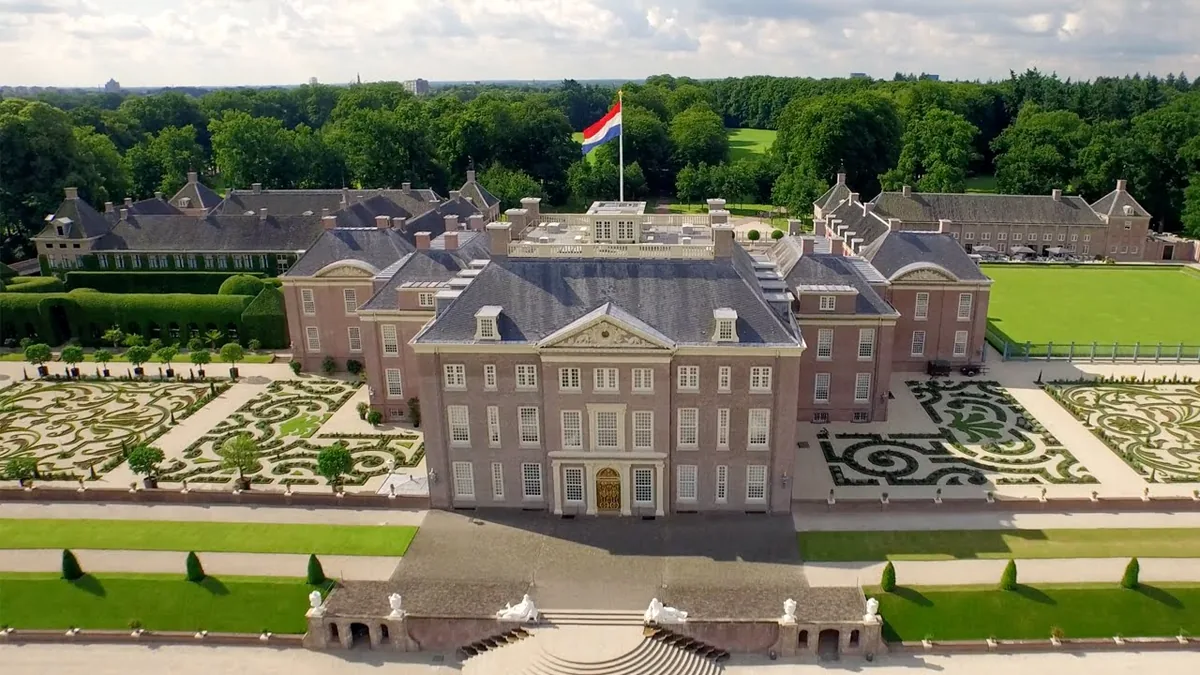
Paleis Het Loo
The 17th-century 'Versailles of the North' is a Baroque summer palace defined by its perfectly symmetrical Great Garden and intricate box-hedge parterres; the interior remains a time-capsule of the House of Orange; explore the sunken gardens at noon when the fountain spray catches the light; the smell of damp boxwood and the sight of perfectly clipped yew trees represent the Dutch obsession with taming the waterland.
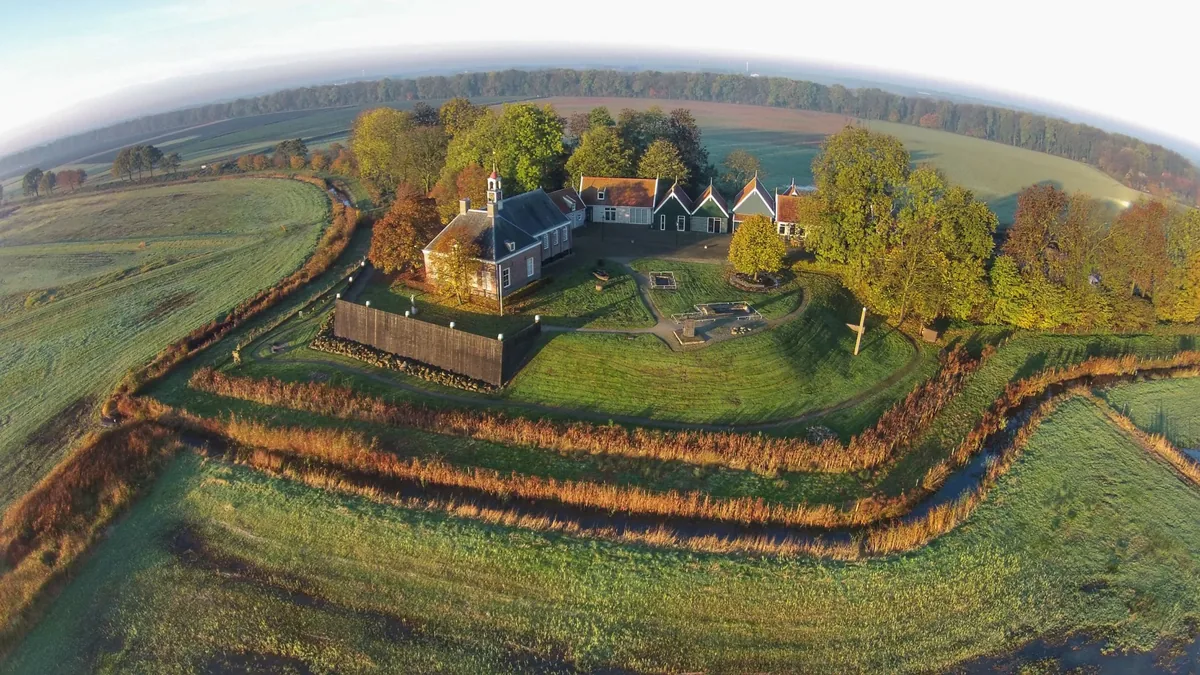
Schokland and Surroundings
A former peat-island that was evacuated in 1859 due to rising sea levels; now a 'high' point in the drained polder landscape of the Noordoostpolder; the UNESCO-listed site features the isolated Middelbuurt church standing on a mound of hand-laid sod; walk the old shoreline at dusk; the ground is laterite-dry where it was once seabed; and the silence of the surrounding flatland is absolute.
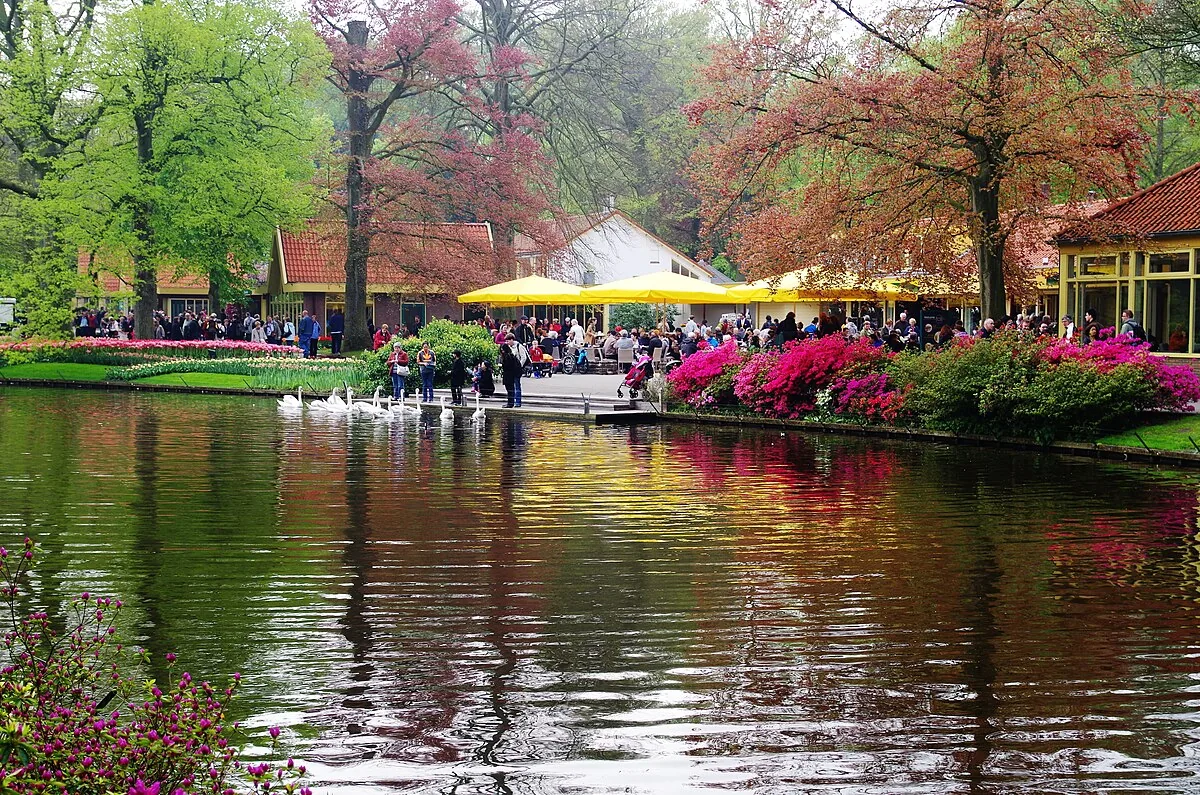
Keukenhof
The world's largest spring garden covers 32 hectares of the former 15th-century hunting grounds of Countess Jacoba van Beieren; over seven million hand-planted bulbs create a saturated mosaic of scent and pigment each April; enter the Historical Garden at 8 am to see the dew sitting on rare 17th-century tulip varieties; the smell of hyacinth is so thick it feels structural; dissipating only as the wind picks up.
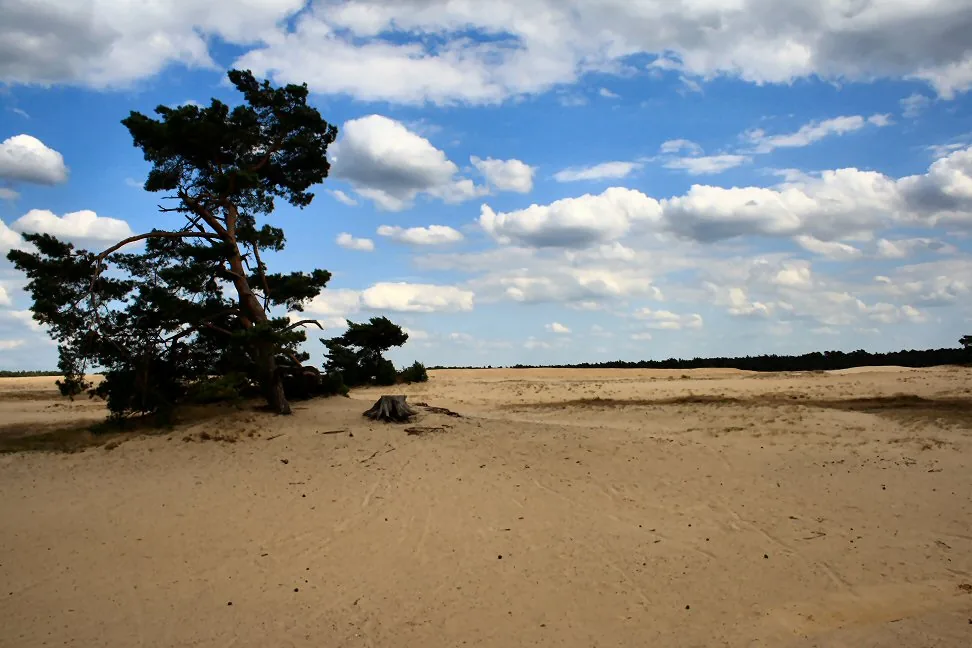
Hoge Veluwe National Park
A 55-square-kilometre mosaic of heathland; sand dunes; and woodland that houses the Kröller-Müller Museum’s Van Gogh collection; the park operates on a system of 1,800 free white bicycles for navigating the interior; cycle through the Deelense Zand at sunset; the red-laterite paths contrast with the white sand; and the silence is only broken by the occasional bell of a passing cyclist.
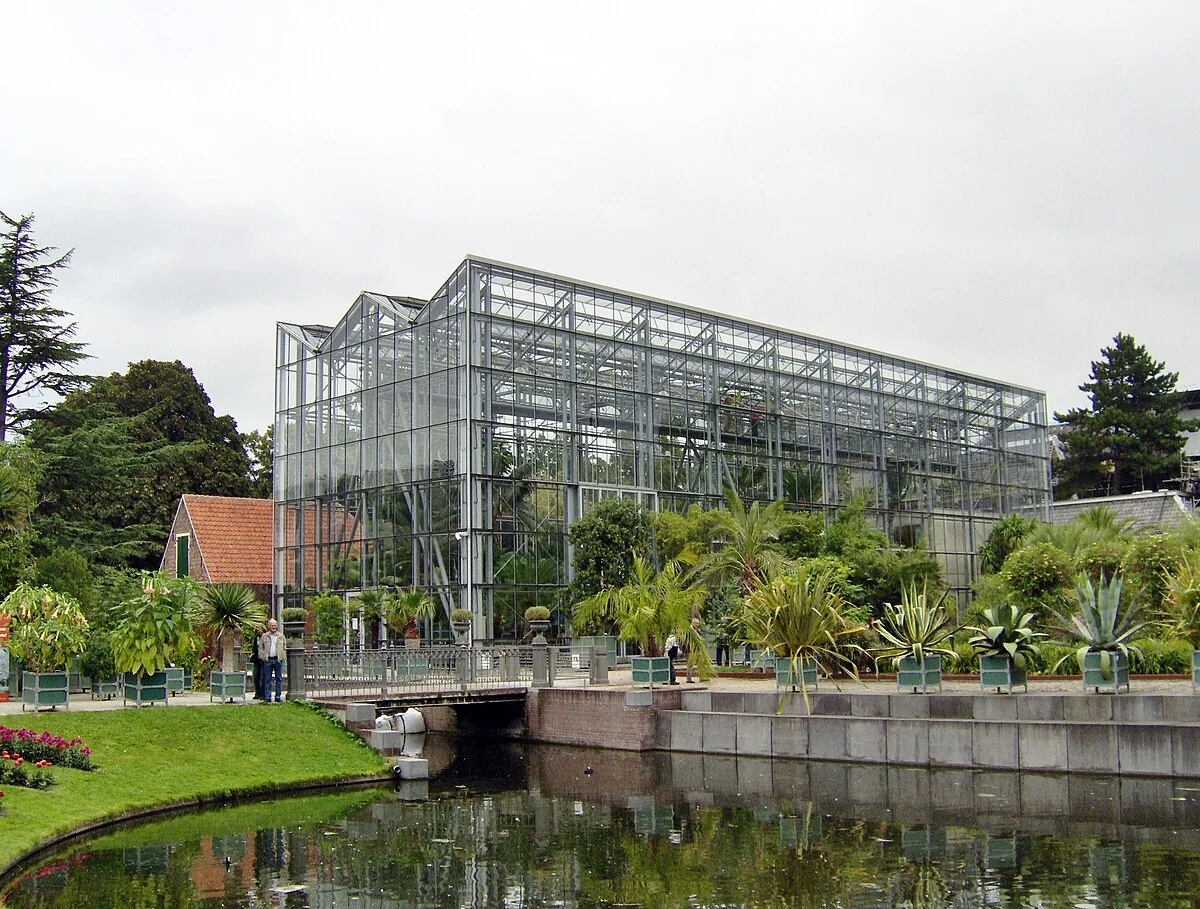
Hortus Botanicus Leiden
Established in 1590; this is the oldest botanical garden in the Netherlands where the first Dutch tulips were planted by Carolus Clusius; the tropical greenhouses contain 19th-century Victoria amazonica water lilies with pads large enough to support a child; walk the fern garden at 9 am; the humidity is high and the air smells of wet earth and ancient chlorophyll; far from the academic bustle outside.