
Explore
Landmarks & Places
Must-see destinations across Netherlands
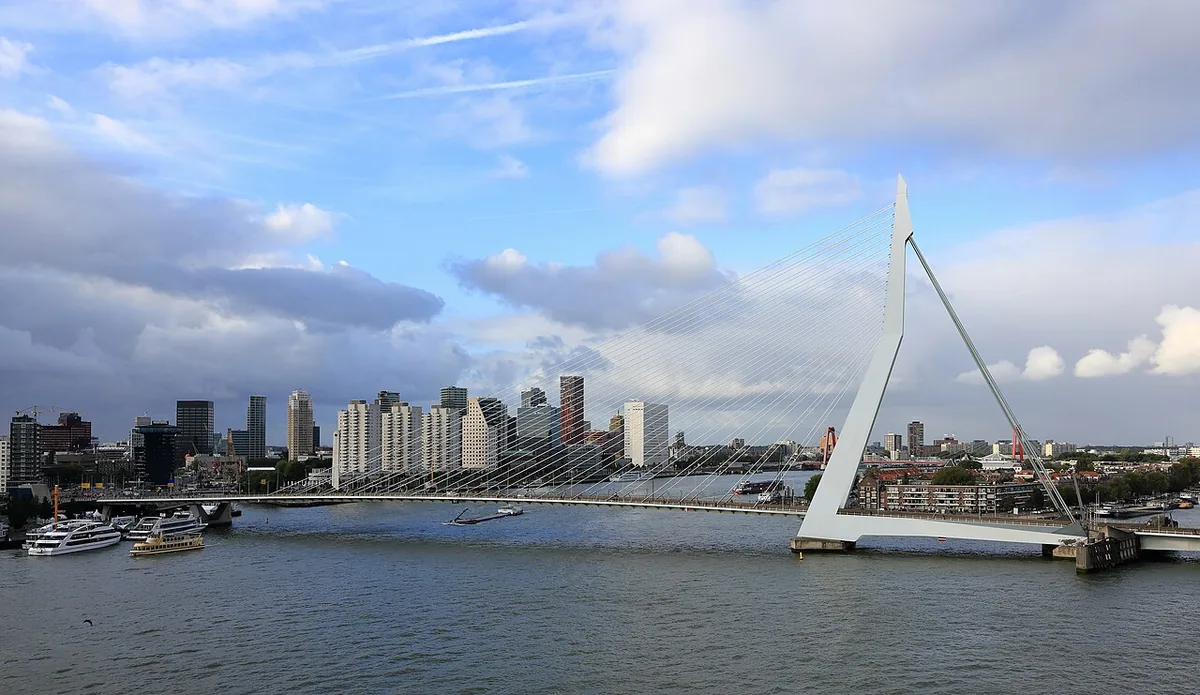
Erasmusbrug
A 139-metre asymmetrical steel pylon nicknamed 'The Swan' that tethers the historic centre to the industrial Kop van Zuid; this 1996 cable-stayed bridge spans the Nieuwe Maas with a singular; elegant harp-like geometry; stand on the northern quay at midnight when the white steel is floodlit and the river current churns against the concrete piers; the sound is a low; industrial hum against the North Sea wind.
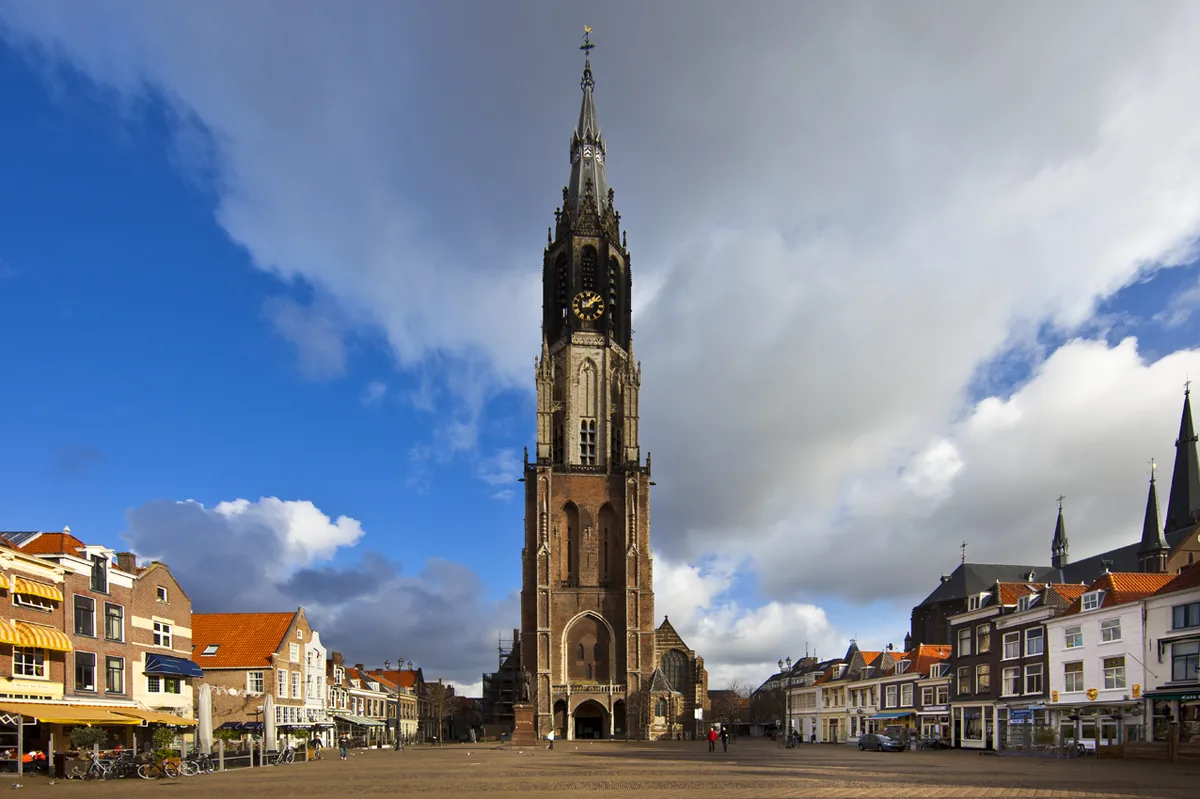
Nieuwe Kerk
The 14th-century Gothic brick giant houses the royal crypt of the House of Orange-Nassau and the ornate marble mausoleum of William the Silent; the 108-metre tower provides a geometric grid view of the city’s medieval canals; stand in the nave at 4 pm when the western light penetrates the high clerestory windows; the smell of cold stone and centuries of damp earth is pervasive.
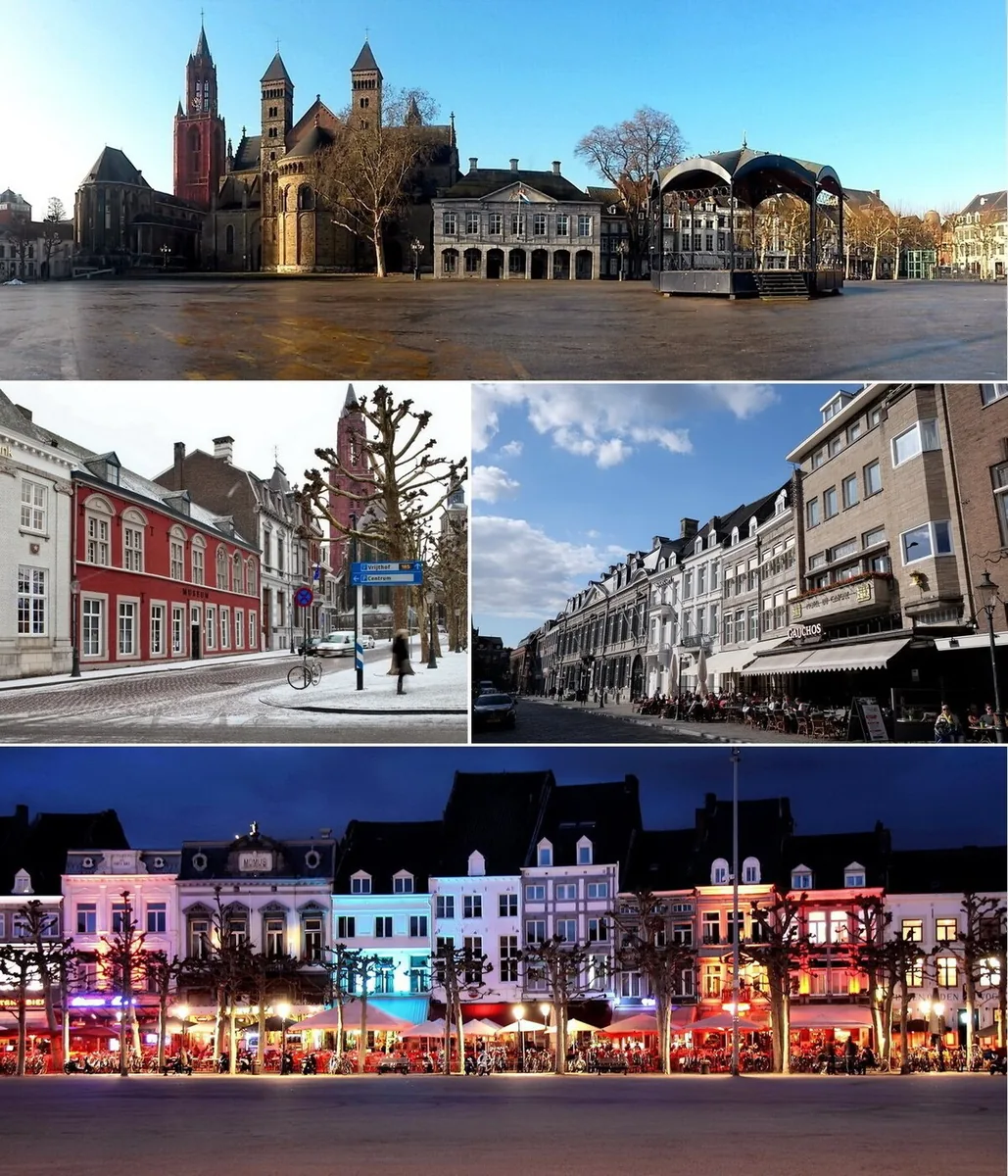
Vrijthof
A massive stone-paved square at the heart of the Roman-founded city; flanked by the 12th-century Romanesque Basilica of Saint Servatius and the distinct red tower of Saint John's; the space has served as a religious pilgrimage site and a military parade ground since the Middle Ages; sit at a peripheral cafe at dusk as the limestone facades turn amber; the sound of the carillon bells is heavy and bronze.
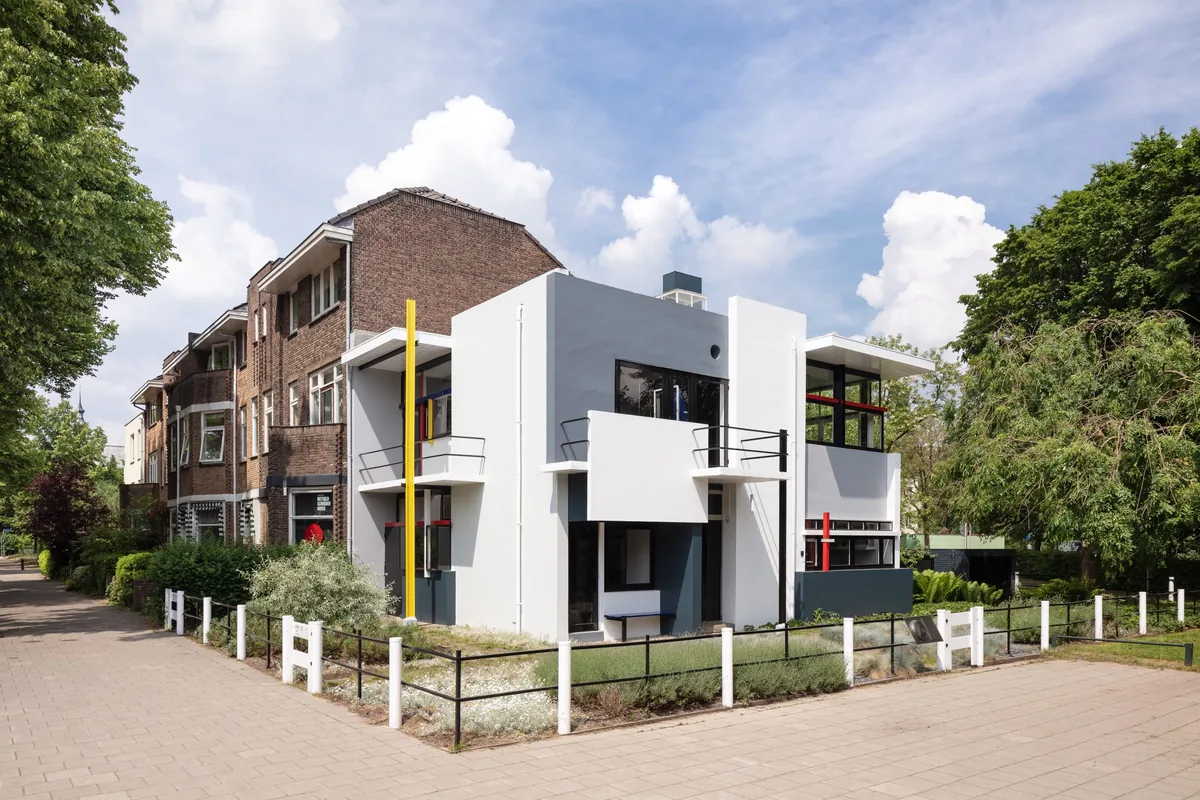
Rietveld Schröderhuis
The 1924 manifesto of the De Stijl movement is a modular house of primary colours and sliding walls that abolished the traditional concept of rooms; designed by Gerrit Rietveld; it remains the only building of its kind in the world; walk through the upper floor when the guide shifts the partitions to reveal the changing interior geometry; the clinical light through the corner windows demonstrates the radical clarity of Dutch modernism.
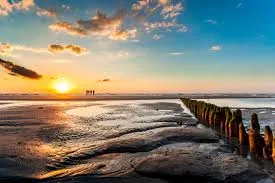
Wadden Sea
A UNESCO-listed intertidal zone where the North Sea retreats to reveal 10,000 square kilometres of mudflats; sandbanks; and eelgrass meadows; this prehistoric landscape is a shifting; aqueous desert that serves as a critical migratory corridor; walk the mudflats at low tide with a local guide; the air smells of iodine and wet salt; while the sound of the retreating tide is a distant; rhythmic hiss.
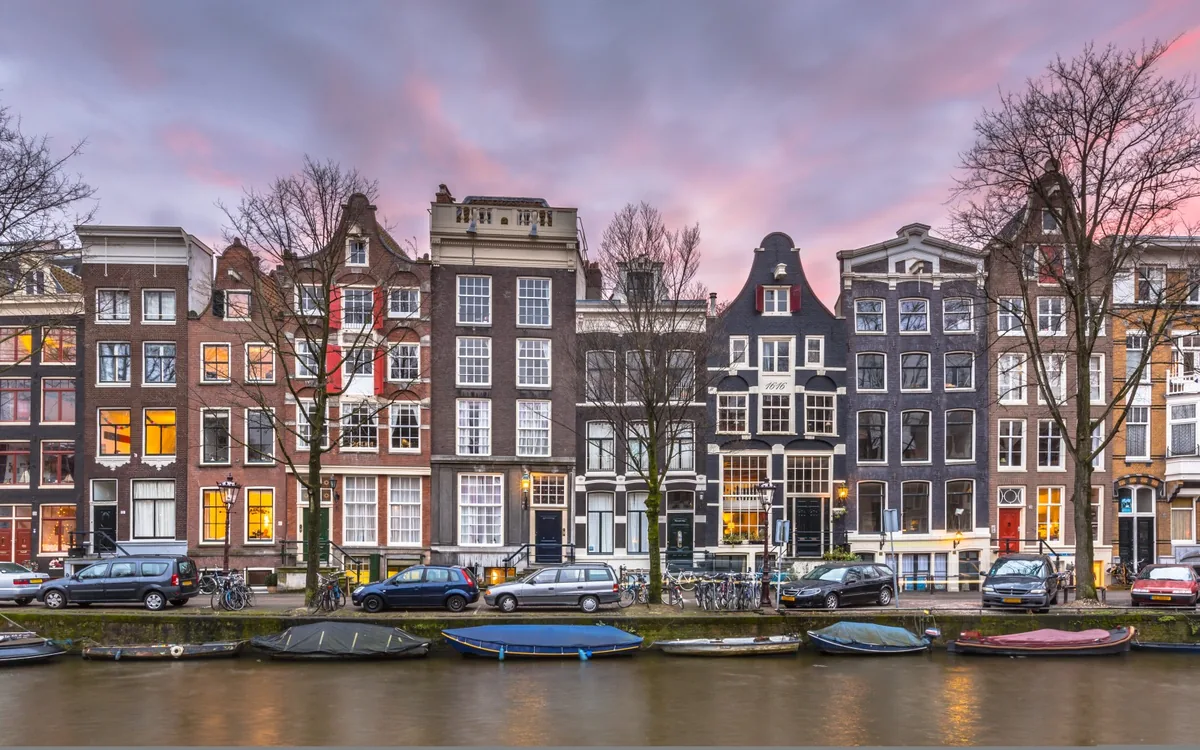
Jordaan District
Originally a 17th-century working-class enclave; this grid of narrow canals and 'hofjes' (hidden courtyards) is the most culturally distinct quarter of the capital; the architecture is defined by leaning gables and hand-carved stone tablets; enter an unmarked courtyard on the Egelantiersgracht; the temperature drops and the city's traffic vanishes; leaving only the sound of water dripping off ivy and the smell of old brick.
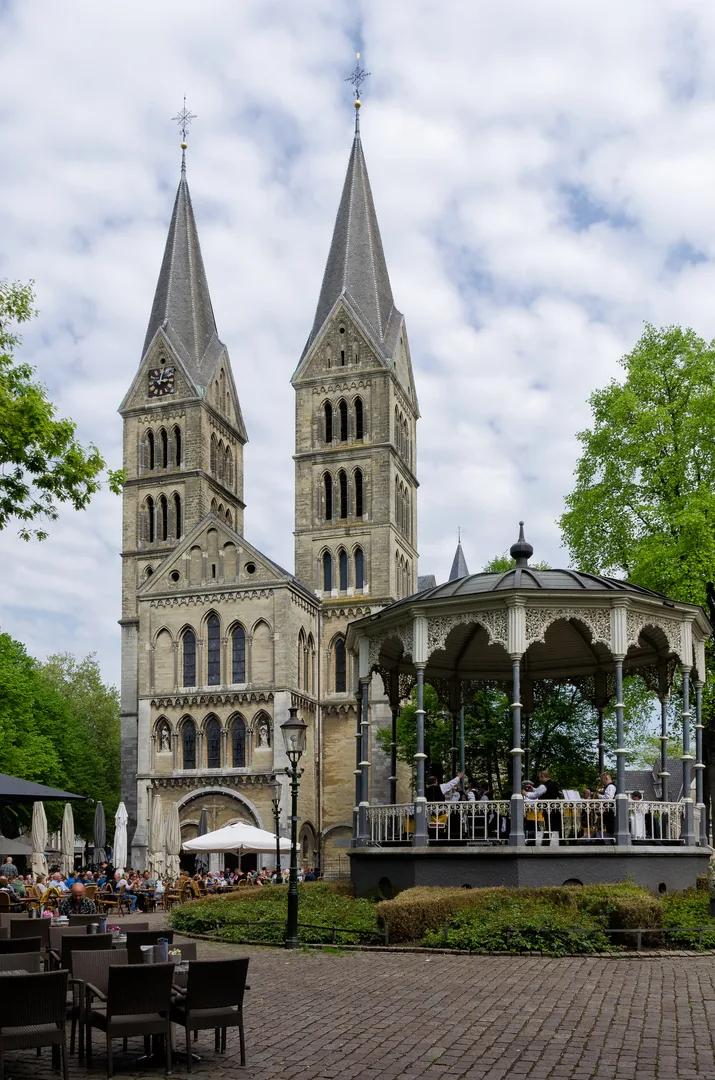
Munsterkerk
The only 13th-century Late Romanesque church in the Netherlands; built as a Cistercian abbey for noblewomen and housing the tomb of Gerard III; its architecture is a heavy; fortress-like transition between Romanesque mass and Gothic verticality; enter the nave when the light is low; the thick stone walls muffle all sound; leaving only the cold smell of incense and the sight of the geometric floor tiles.
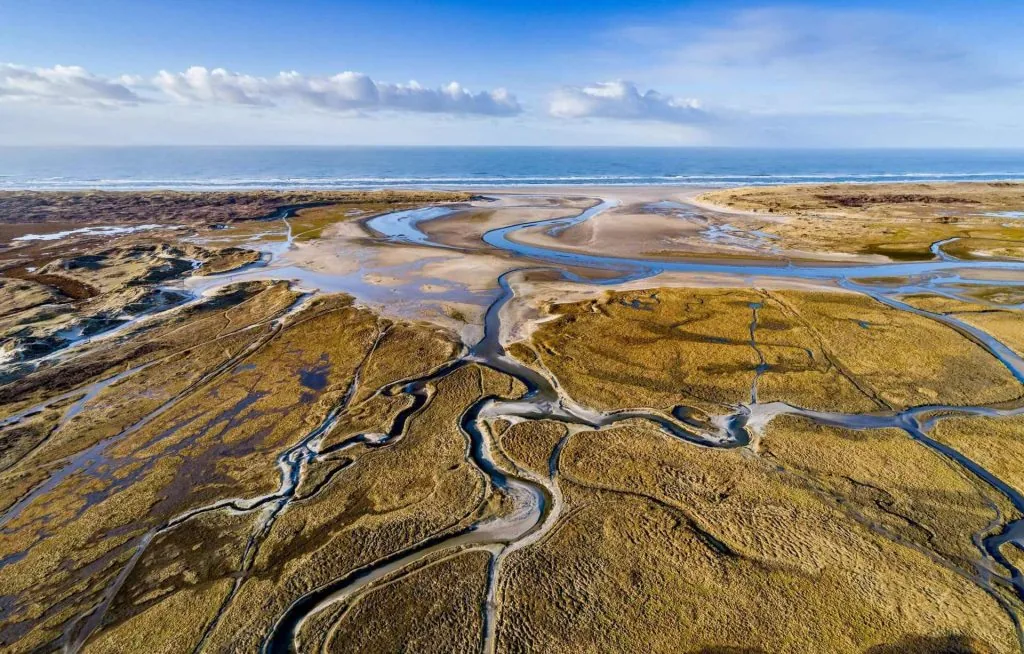
Texel Dunes National Park
A 43-square-kilometre expanse of shifting sand dunes; salt marshes; and wet 'slacks' on the western edge of the island of Texel; the landscape is dominated by the 19th-century bright red Eierland Lighthouse; hike the Slufter valley during a high spring tide; the North Sea breaches the dunes to flood the plains; creating a temporary salt-water lagoon; the sound of thousands of Brent geese is deafening.
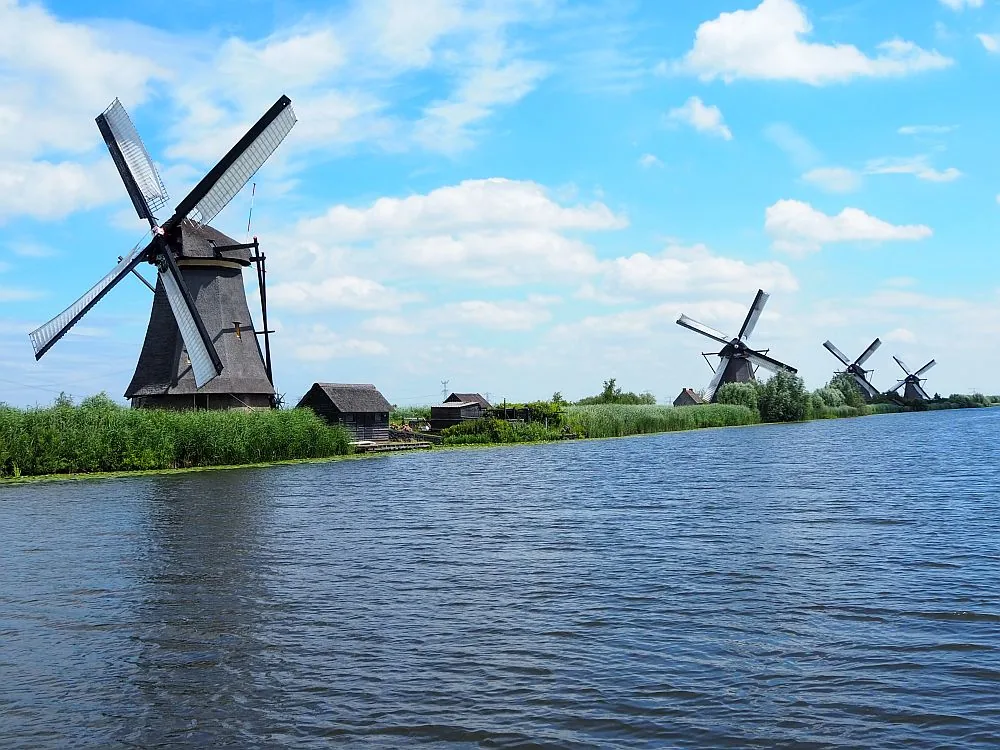
Kinderdijk-Elshout Windmill Network
Nineteen wooden giants have spent three centuries standing in the mud, performing a synchronized mechanical dance to prevent the North Sea from swallowing the very ground you stand on.
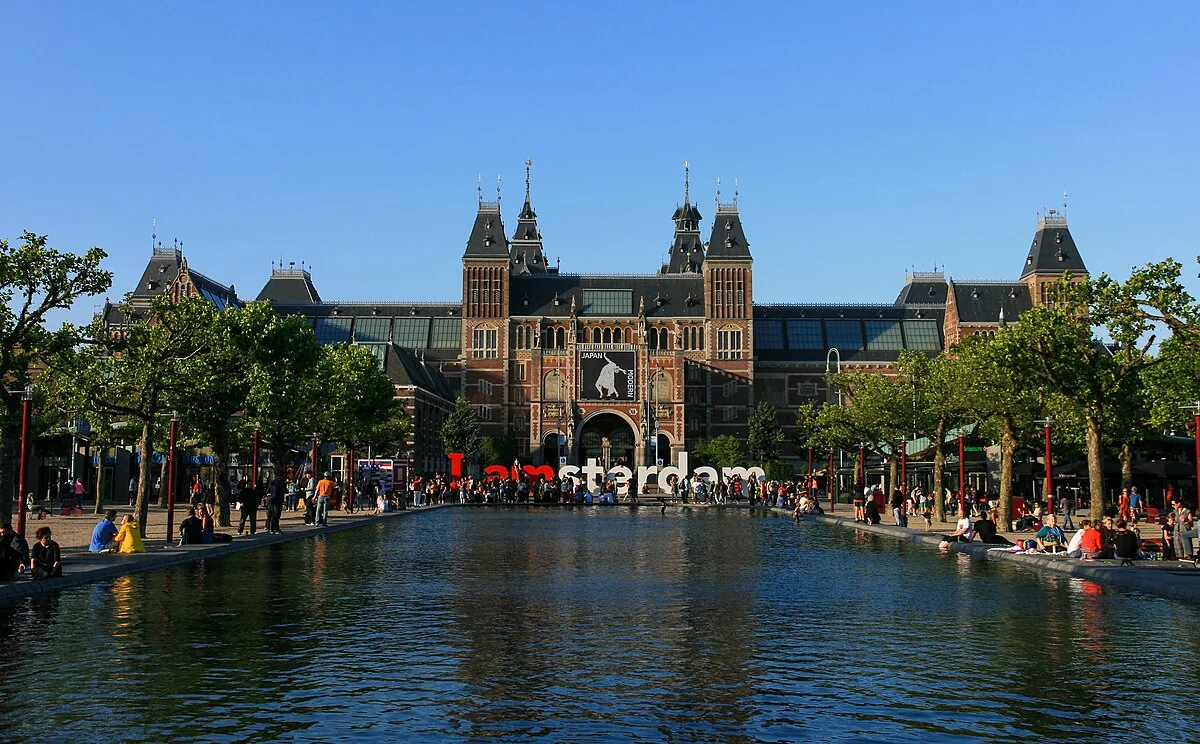
Rijksmuseum
The 1885 Neo-Gothic bastion of Dutch identity houses Rembrandt’s 'The Night Watch' in a dedicated gallery designed as a secular cathedral; the Great Hall features hand-painted terrazzo floors and stained-glass windows celebrating artistic guilds; walk the Gallery of Honour at 9 am when the light strikes the Dutch Master canvases with surgical precision; the air is cool and silent despite the city's exterior chaos.
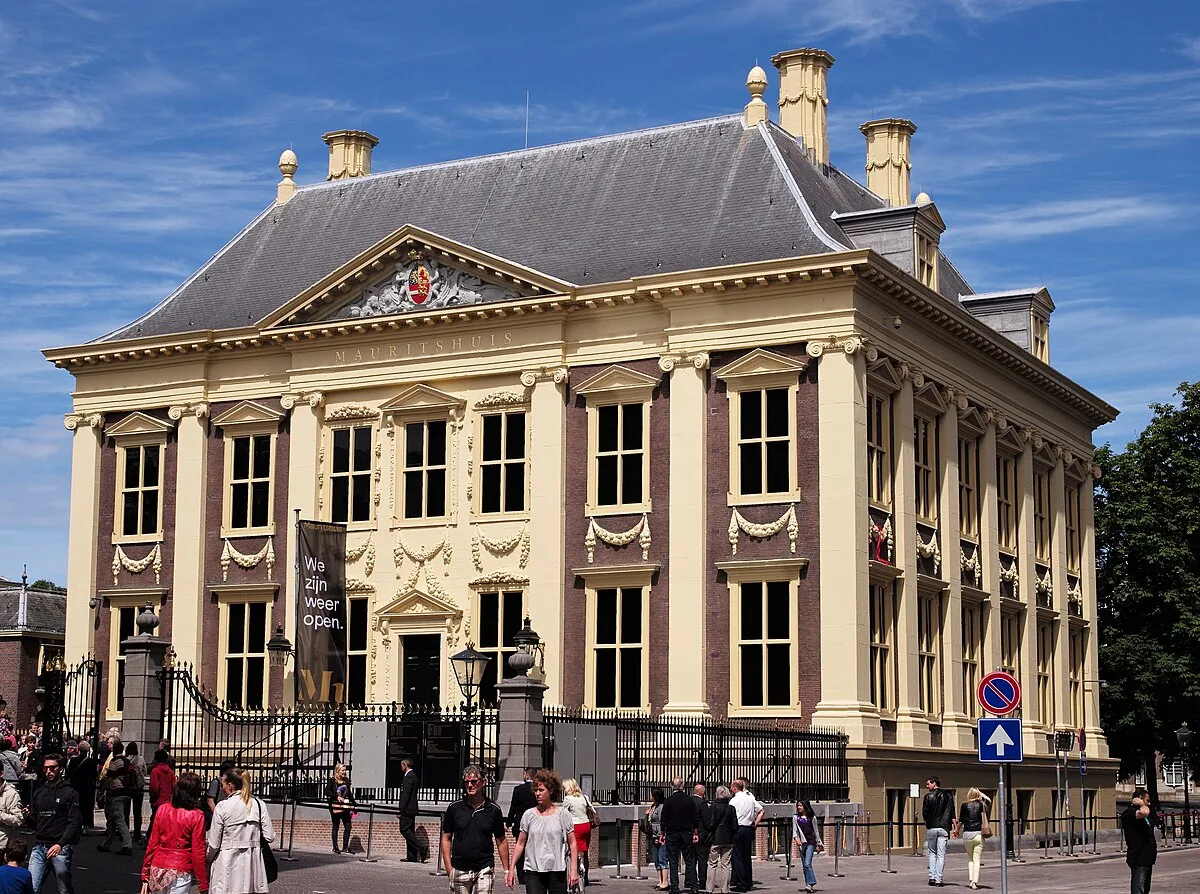
Mauritshuis
A 17th-century 'sugar palace' of Dutch Classicist architecture overlooking the Hofvijver that houses Vermeer’s 'Girl with a Pearl Earring'; the interior features silk-lined walls and heavy oak panelling that absorb the sound of the city; arrive during a rainy afternoon when the grey light from the pond reflects into the Vermeer room; the intimacy of the space makes the small-scale canvases feel monumental.
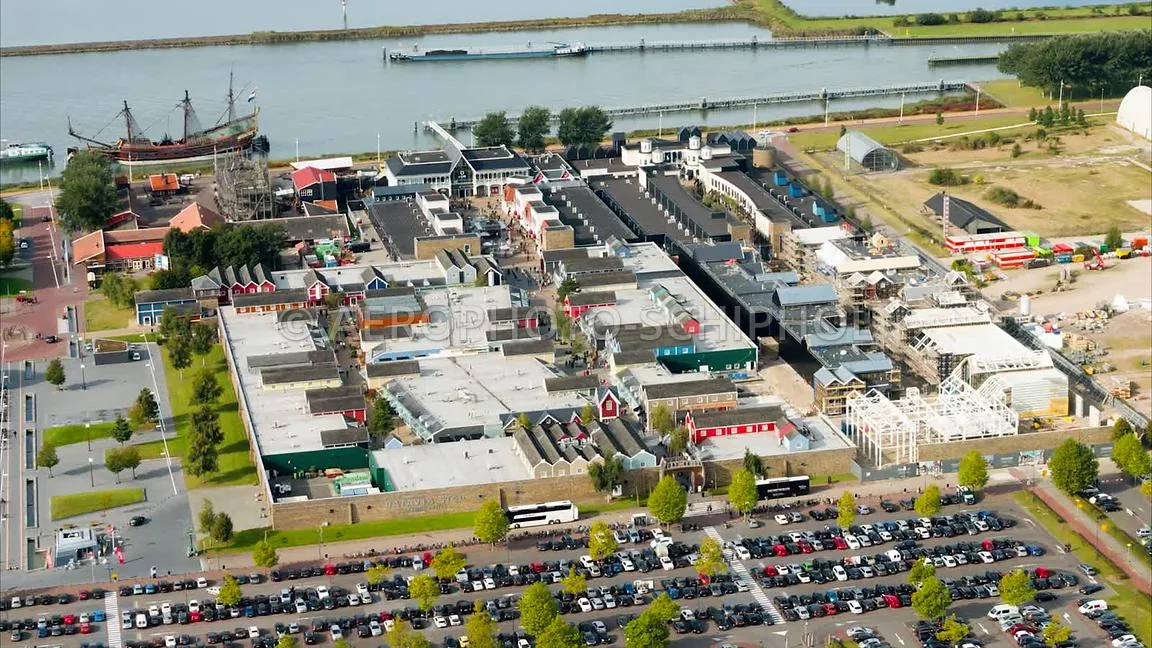
The Bataviastad (Batavia-werf)
A precise 1:1 reconstruction of the 1628 Dutch East India Company ship 'Batavia'; built using traditional 17th-century ship-building techniques and hand-forged ironwork; the smell of tar and hemp is overpowering as you descend into the cramped gun deck; visit during a North Sea gale; the creak of the massive oak hull and the whistling of the wind through the rigging provide a visceral sense of maritime peril.
The Bataviastad (Batavia-werf)
A ghost from the Golden Age reconstructed on the bottom of a vanished sea, where the scent of tar and oak still signals the start of an ocean voyage.
Kinderdijk-Elshout Windmill Network
Nineteen stone and thatched drainage mills from 1740 stand in two parallel rows along the reclaimed polders of the Alblasserwaard; this UNESCO-listed system is the zenith of 18th-century hydraulic engineering designed to prevent peat subsidence; navigate the narrow cycle paths at dawn when the fog sits heavy on the reed beds; the rhythmic creak of the massive wooden sails is the only sound in the marshes.
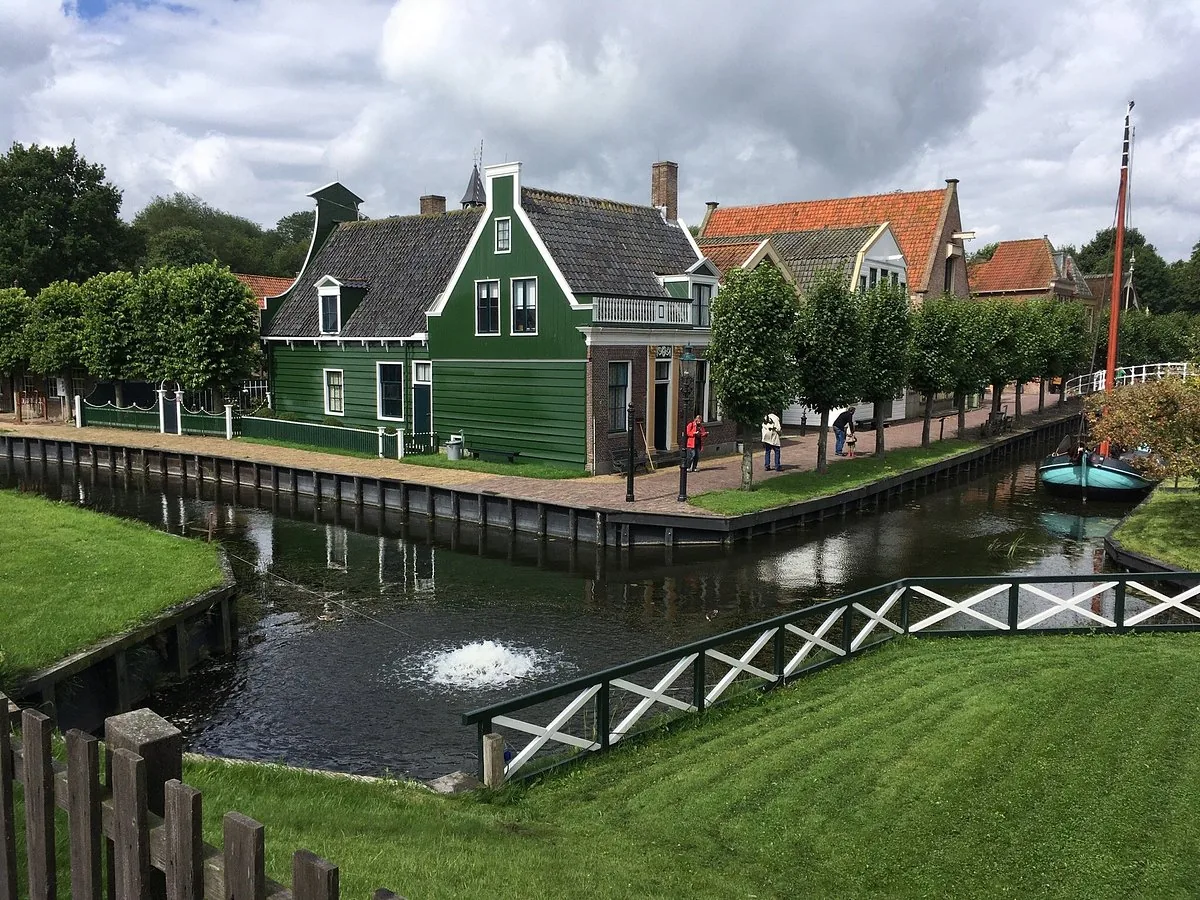
Zuiderzeemuseum
An outdoor preservation of a 19th-century fishing village featuring over 140 authentic buildings relocated to the edge of the IJsselmeer; the site demonstrates the pre-Afsluitdijk life of the interior sea; walk the lime-kiln district on a misty Tuesday; the smell of smoked herring and peat fires is trapped between the narrow brick alleys; the lack of modern noise creates a vacuum of historical immersion.
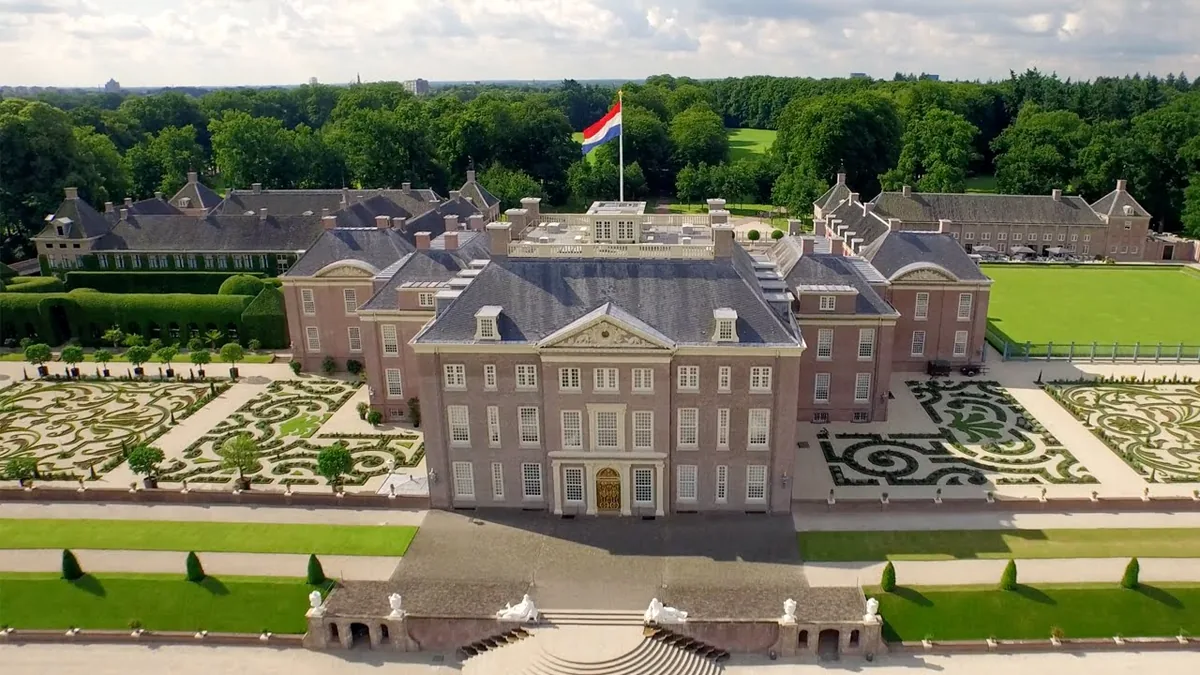
Paleis Het Loo
The 17th-century 'Versailles of the North' is a Baroque summer palace defined by its perfectly symmetrical Great Garden and intricate box-hedge parterres; the interior remains a time-capsule of the House of Orange; explore the sunken gardens at noon when the fountain spray catches the light; the smell of damp boxwood and the sight of perfectly clipped yew trees represent the Dutch obsession with taming the waterland.
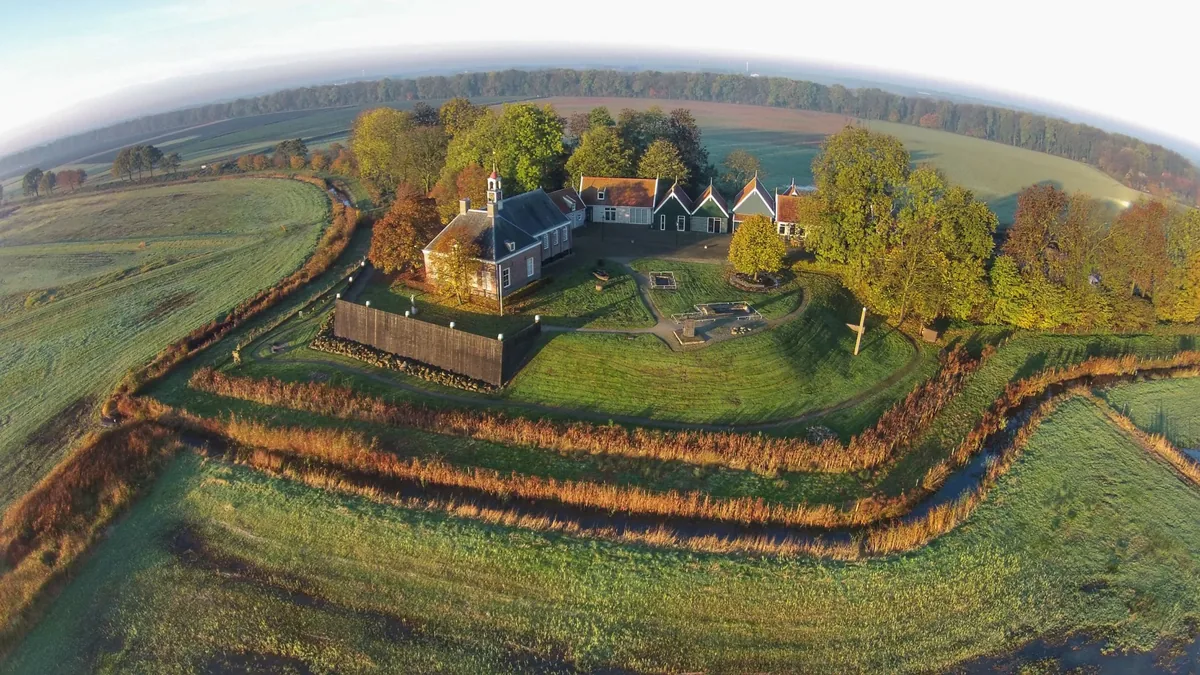
Schokland and Surroundings
A former peat-island that was evacuated in 1859 due to rising sea levels; now a 'high' point in the drained polder landscape of the Noordoostpolder; the UNESCO-listed site features the isolated Middelbuurt church standing on a mound of hand-laid sod; walk the old shoreline at dusk; the ground is laterite-dry where it was once seabed; and the silence of the surrounding flatland is absolute.
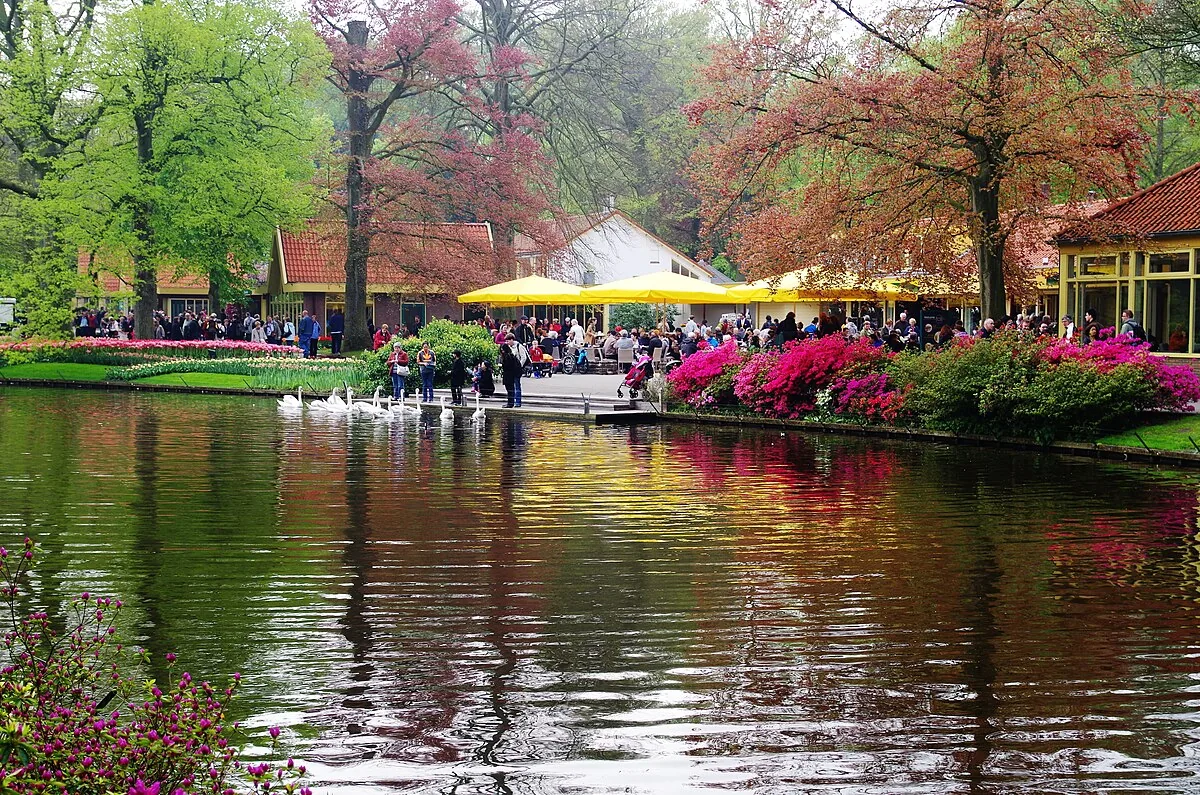
Keukenhof
The world's largest spring garden covers 32 hectares of the former 15th-century hunting grounds of Countess Jacoba van Beieren; over seven million hand-planted bulbs create a saturated mosaic of scent and pigment each April; enter the Historical Garden at 8 am to see the dew sitting on rare 17th-century tulip varieties; the smell of hyacinth is so thick it feels structural; dissipating only as the wind picks up.
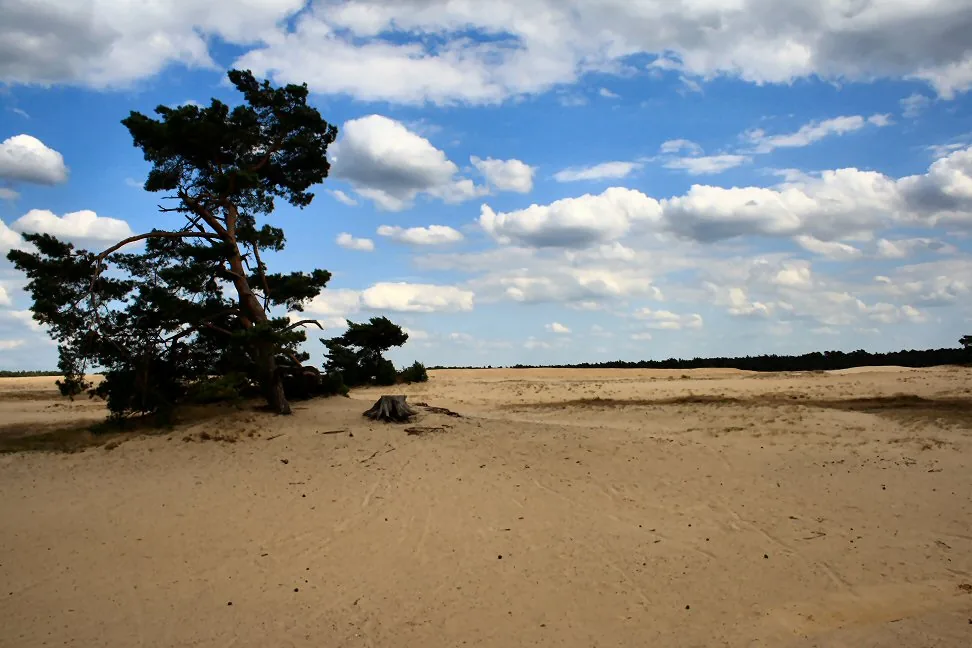
Hoge Veluwe National Park
A 55-square-kilometre mosaic of heathland; sand dunes; and woodland that houses the Kröller-Müller Museum’s Van Gogh collection; the park operates on a system of 1,800 free white bicycles for navigating the interior; cycle through the Deelense Zand at sunset; the red-laterite paths contrast with the white sand; and the silence is only broken by the occasional bell of a passing cyclist.
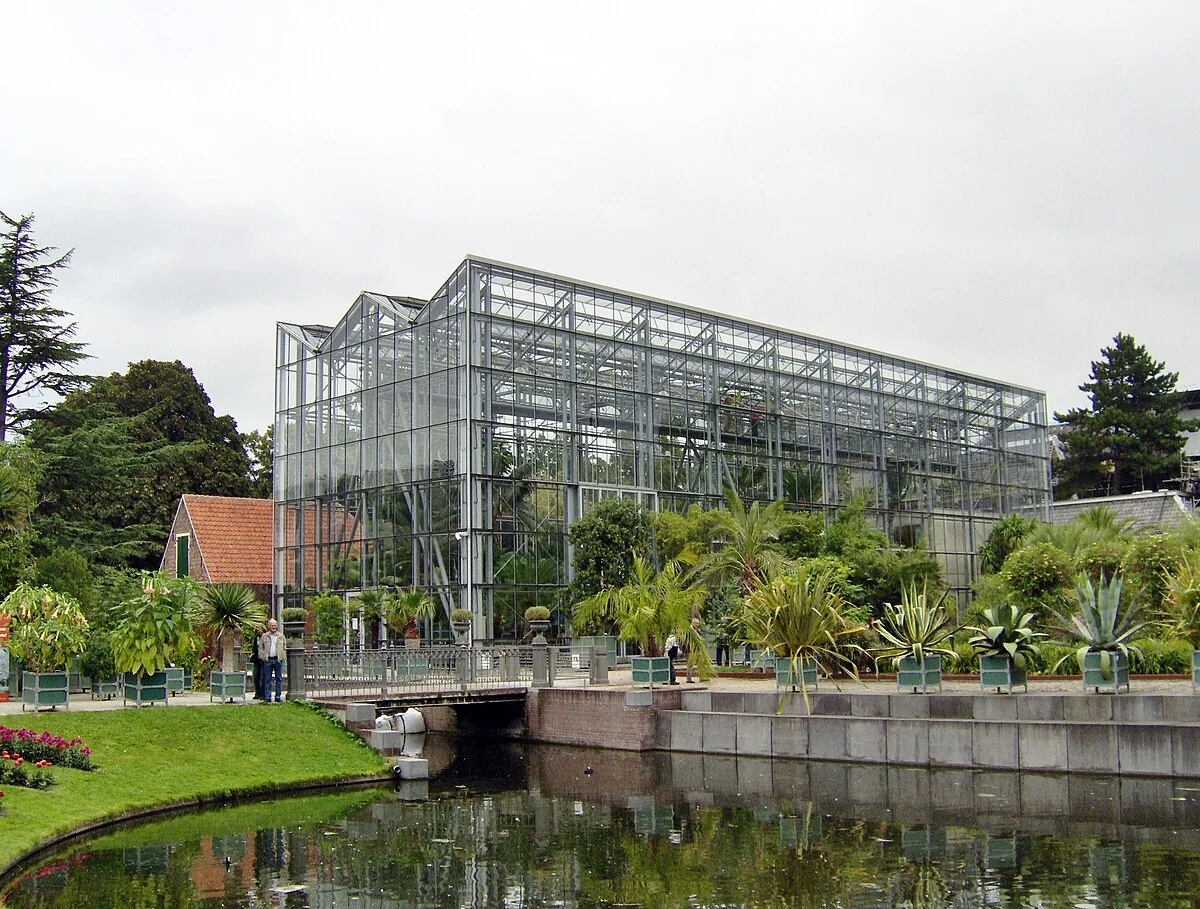
Hortus Botanicus Leiden
Established in 1590; this is the oldest botanical garden in the Netherlands where the first Dutch tulips were planted by Carolus Clusius; the tropical greenhouses contain 19th-century Victoria amazonica water lilies with pads large enough to support a child; walk the fern garden at 9 am; the humidity is high and the air smells of wet earth and ancient chlorophyll; far from the academic bustle outside.
Cuisine
Must-Try Dishes
The flavours that define Netherlands


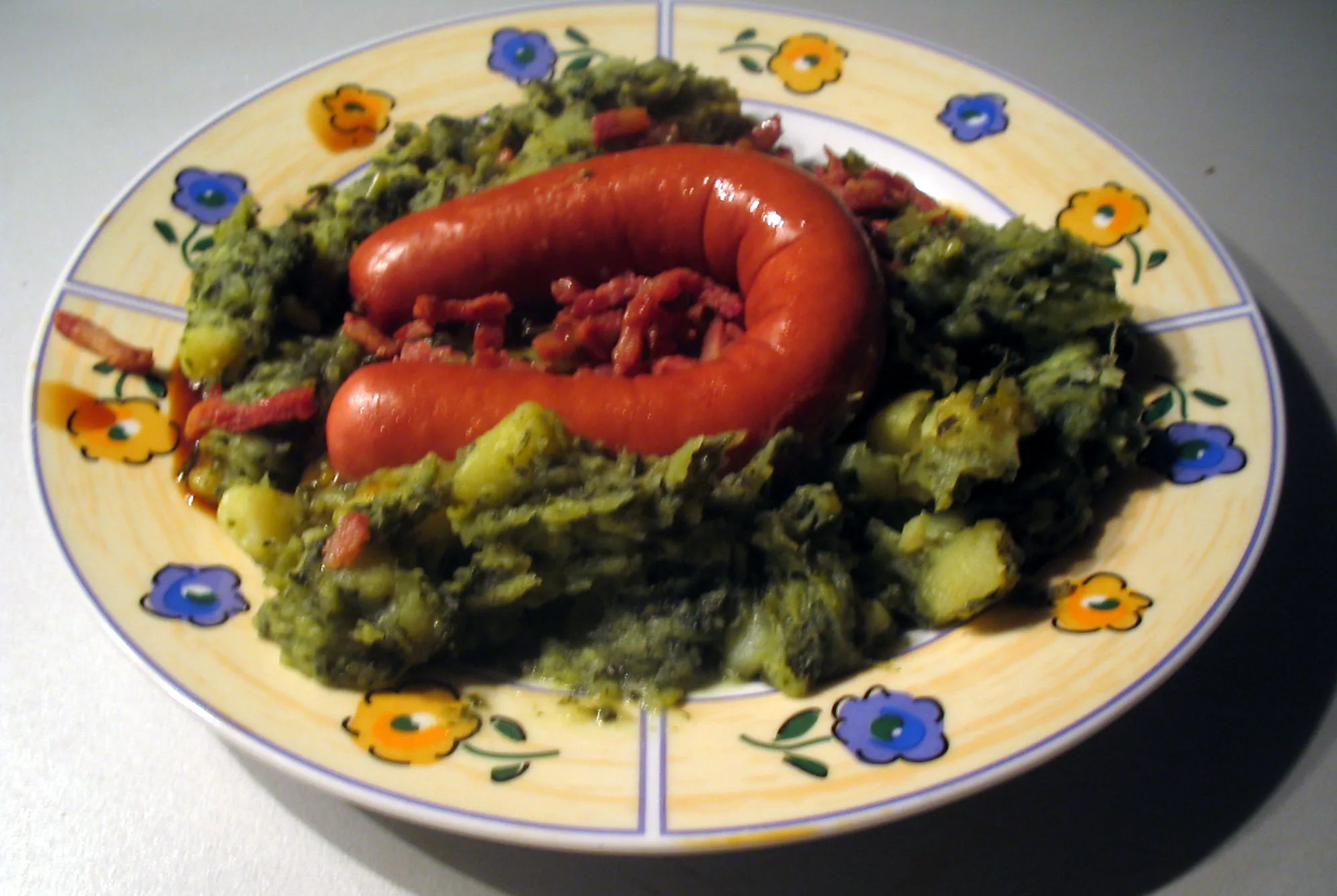
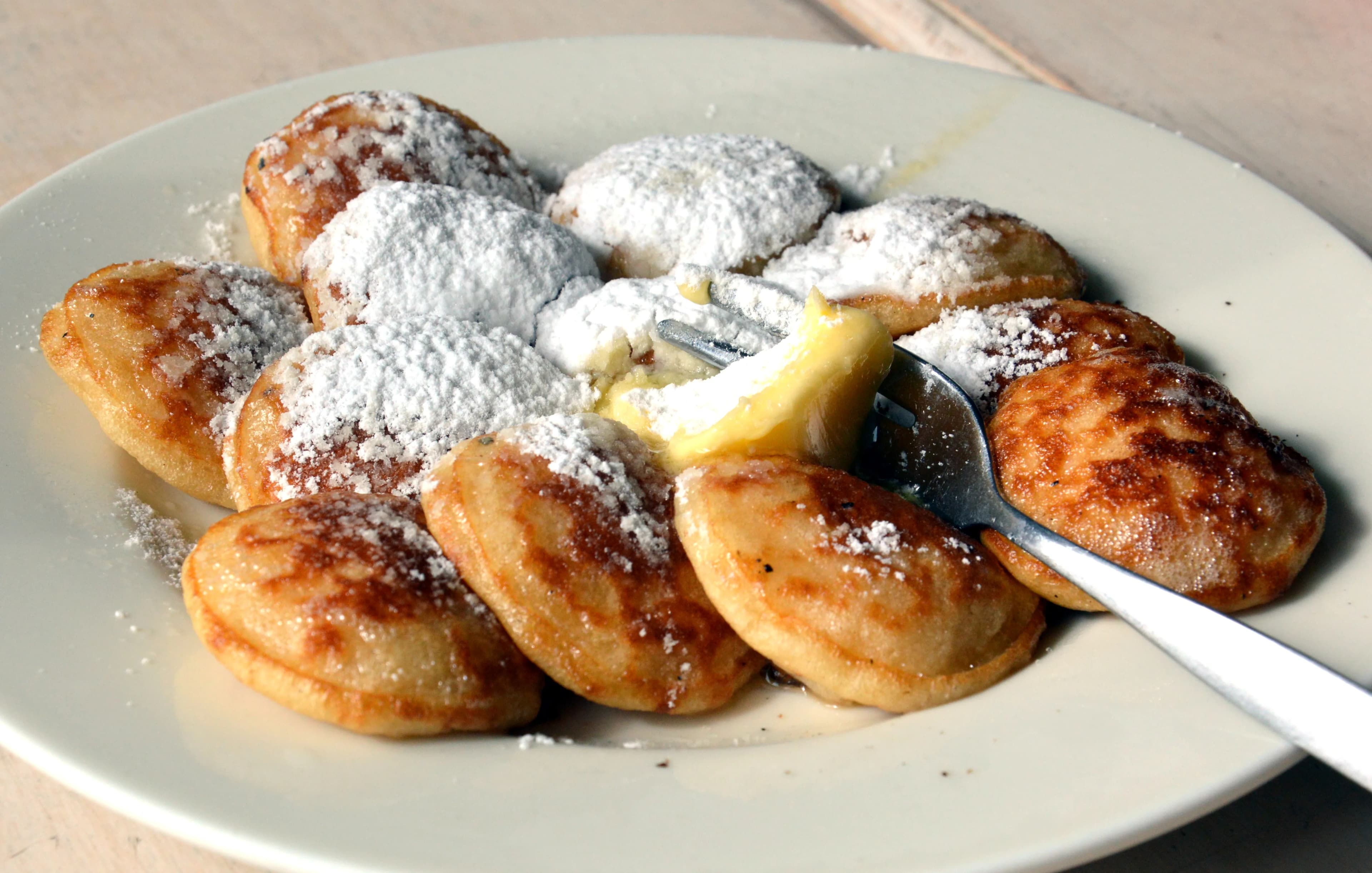
Flights
Fly to Netherlands
Compare prices across local & global booking platforms
✈ Flights to Netherlands
🏨 Hotels in Netherlands
Clicking opens the booking platform. WorldCurio may earn a commission at no extra cost to you.
Did You Know
Netherlands Facts
Fascinating things most travellers never learn
The Netherlands exports more value in agricultural products than any country except the United States — despite being smaller than West Virginia. The secret? Precision greenhouse farming.
The Netherlands has more bicycles than people — 23 million bikes for 17.9 million citizens. Amsterdam has more bicycles than cars and over 800 km of dedicated cycle lanes.
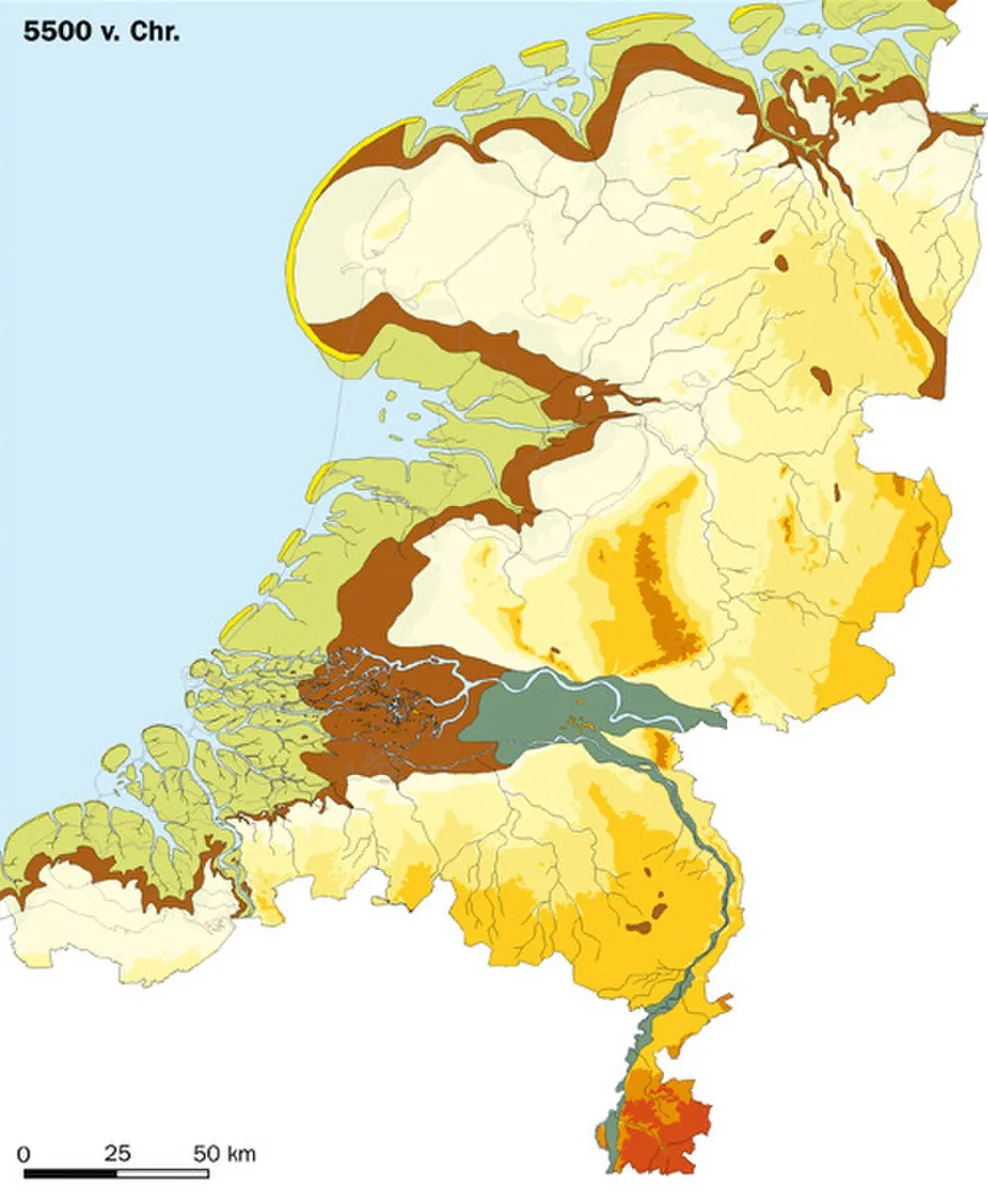
About 26% of the Netherlands lies below sea level — protected by the world's most sophisticated system of dikes, pumps, and flood barriers. The Dutch have reclaimed 17% of their total land from the sea.