βNineteen wooden giants have spent three centuries standing in the mud, performing a synchronized mechanical dance to prevent the North Sea from swallowing the very ground you stand on.β
About Kinderdijk-Elshout Windmill Network
The Alblasserwaard drainage project reached its current form in the mid-1700s, replacing earlier, less efficient methods of water management. Each mill was part of a tiered system; some mills lifted water from the polder into a lower basin, while others lifted it again into the higher river-level reservoir. This 'staged' pumping was a breakthrough in hydraulic engineering. During the 19th century, steam power began to threaten the mills' relevance, but the high cost of coal ensured these wind-powered sentinels remained essential until the 1920s. Even during the Hunger Winter of 1944-45, when fuel was scarce, these mills were brought back into full service to prevent the flooding of the occupied territories. They were collectively recognized as a UNESCO World Heritage site in 1997, protecting the most complete historic drainage system in existence.

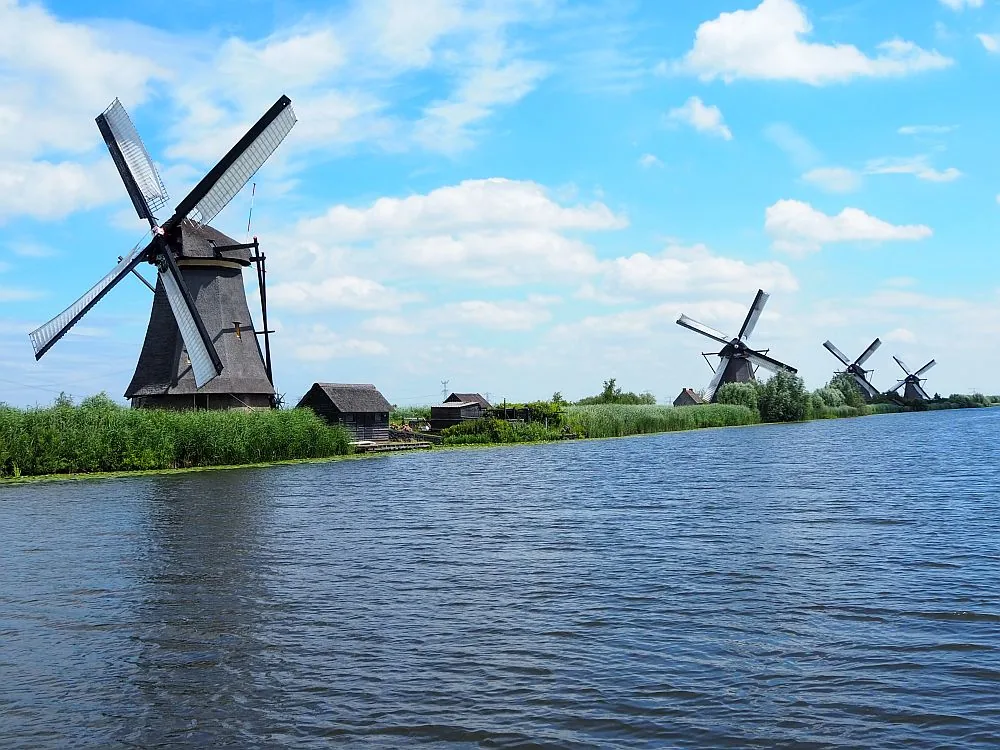
Nineteen giant silhouettes of brick and timber stand in a perfectly straight line against the immense, low-hanging Dutch sky, battling a sea that sits higher than the land. Kinderdijk-Elshout is the worldβs most dramatic manifestation of the human will to stay dry. The air here carries the sharp, cold scent of freshwater reeds and the oily, metallic aroma of ancient gears in motion. You walk along narrow cycling paths that bisect the shimmering canals, noticing how the massive sails catch the North Sea winds with a low, rhythmic thrum. The soundscape is a hauntingly beautiful mix of whistling reeds, the splashing of grebes, and the occasional creak of a thousand-pound wooden axle turning inside a mill. Every element of the landscape serves a mechanical purpose, yet the result feels like a painting by a Dutch Master come to life.
Nineteen giant silhouettes of brick and timber stand in a perfectly straight line against the immense, low-hanging Dutch sky, battling a sea that sits higher than the land.

Medieval farmers in the Alblasserwaard polder faced a watery existential crisis as the peat soil beneath their feet began to subside, leaving their homes vulnerable to the rising tides of the Lek and Noord rivers. Around 1740, the local water boards commissioned this sophisticated network of nineteen mills to pump excess water into high-level basins until it could be released back into the river. These structures were high-tech marvels of the 18th century, using Archimedean screws and massive paddle wheels to defy the laws of gravity. While modern electric pumping stations now do the heavy lifting, the windmills remain fully functional, kept in working order by a dedicated group of millers who often live inside these cramped, vertical homes. They stand today as a testament to the fact that the Netherlands is not a gift of nature, but a victory of engineering.
Stepping inside one of the open museum mills, you feel the physical vibration of the entire structure as the wind picks up and the sails begin to turn. You notice the way the light filters through the small, thick glass windows, illuminating the dust motes dancing around the massive wooden cogs. The smell of old canvas and grease fills the tight living quarters where entire families once squeezed between the machinery. You feel the dampness of the polder air on your skin, a reminder of the water that is always just inches away from reclaiming the path. You notice the incredible silence of the surrounding marshland when the wind drops, leaving the mills like frozen giants in the mist. The most evocative moment is standing at the end of the line at sunset, watching the long shadows of the sails stretch across the silver water like the hands of a giant clock.
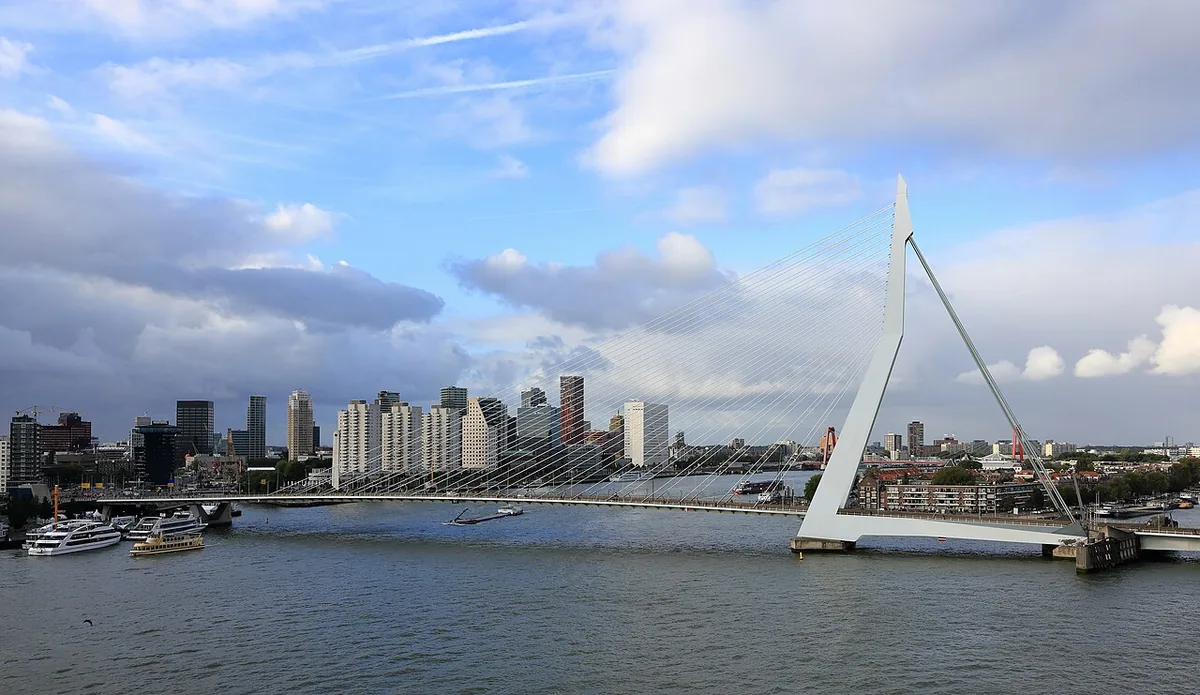
Kinderdijk lies roughly fifteen kilometers east of Rotterdam and is most romantically reached by the Waterbus, which departs regularly from the Erasmusbrug pier. The boat journey offers a perspective of the industrial harbor before transitioning into the quiet, reed-fringed canals of the polder. Alternatively, a bus from Utrecht or a bike ride from nearby Dordrecht provides a slower, more intimate approach through the flat countryside. Arriving in the early morning is the only way to catch the mist rising off the water before the first tour boats disturb the reflection. Most visitors find that bringing a bicycle allows for a much broader exploration of the distant, quieter mills where the sense of isolation remains perfectly intact.
Kinderdijk lies roughly fifteen kilometers east of Rotterdam and is most romantically reached by the Waterbus, which departs regularly from the Erasmusbrug pier.
The Experience
The atmosphere at Kinderdijk is one of quiet, industrial grace. You notice the smell of the waterβit is fresh and earthy, unlike the salty tang of the nearby coast. You feel the height of the mills as you stand at their base, realizing that the sails are nearly as long as the buildings are tall. The light is famously fickle, shifting from a bright, watery blue to a moody charcoal grey in a matter of minutes, casting the mills in ever-changing silhouettes. You notice the small vegetable gardens maintained by the resident millers, a touch of domesticity amidst the grand engineering. The most striking detail is the sound of the wind through the sailcloth, a sharp 'thwack' that echoes across the flat plains. It is a place that feels simultaneously ancient and brilliantly functional.
Why It Matters
Kinderdijk-Elshout is the premier symbol of Dutch water management and a masterpiece of 18th-century hydraulic technology. It represents the collective survival of a nation built entirely on reclaimed land. Culturally, it is the most authentic landscape in the Netherlands, preserved not as a theme park, but as a working document of human ingenuity against the elements.
Why Visit
Visit because you need to see the original Dutch engine. While modern cities are impressive, Kinderdijk shows you the raw, wooden machinery that made the rest of the country possible. You come here to stand in a landscape that hasn't changed since the 1700s and to feel the power of the wind harnessed by hand-carved gears. It is the only place where the legendary struggle against the sea is visible in every brick and timber.
β¦ Insider Tips
- 1
Take the Waterbus from Rotterdam; the entrance into the canal system from the river provides the most dramatic first view of the mill line.
- 2
Rent a bicycle at the entrance; the network is much longer than it looks on a map and the best views are at the very far end.
- 3
Look for the 'Millerβs signal'; the position of the sails tells a story, such as joy, mourning, or a short break in work.
- 4
Visit the Wisboom Pumping Station first to understand the physics of the site before you walk out to the historic mills.
- 5
Check the wind forecast; the mills only turn their sails when the wind is at least 4 on the Beaufort scale.