New Zealand’s only French settlement sits inside the flooded crater of a volcano, where the streets are named 'Rue' and the rare dolphins have ears like Mickey Mouse.
About Akaroa Village
The village sits on the ancestral lands of the Ngāi Tahu iwi, who lived in the harbor long before the French or British arrived. The French settlers brought with them a sophisticated knowledge of horticulture, planting the walnuts and poplars that still line the valley today. During the late 19th century, Akaroa was a major port for the kauri timber trade, but as the forests were cleared, it settled into a quiet life as a holiday destination. The 2011 Christchurch earthquakes temporarily turned it into a major cruise ship port, bringing a surge of visitors that highlighted the town's delicate balance between heritage and modern tourism.
Placed inside the eroded caldera of an ancient
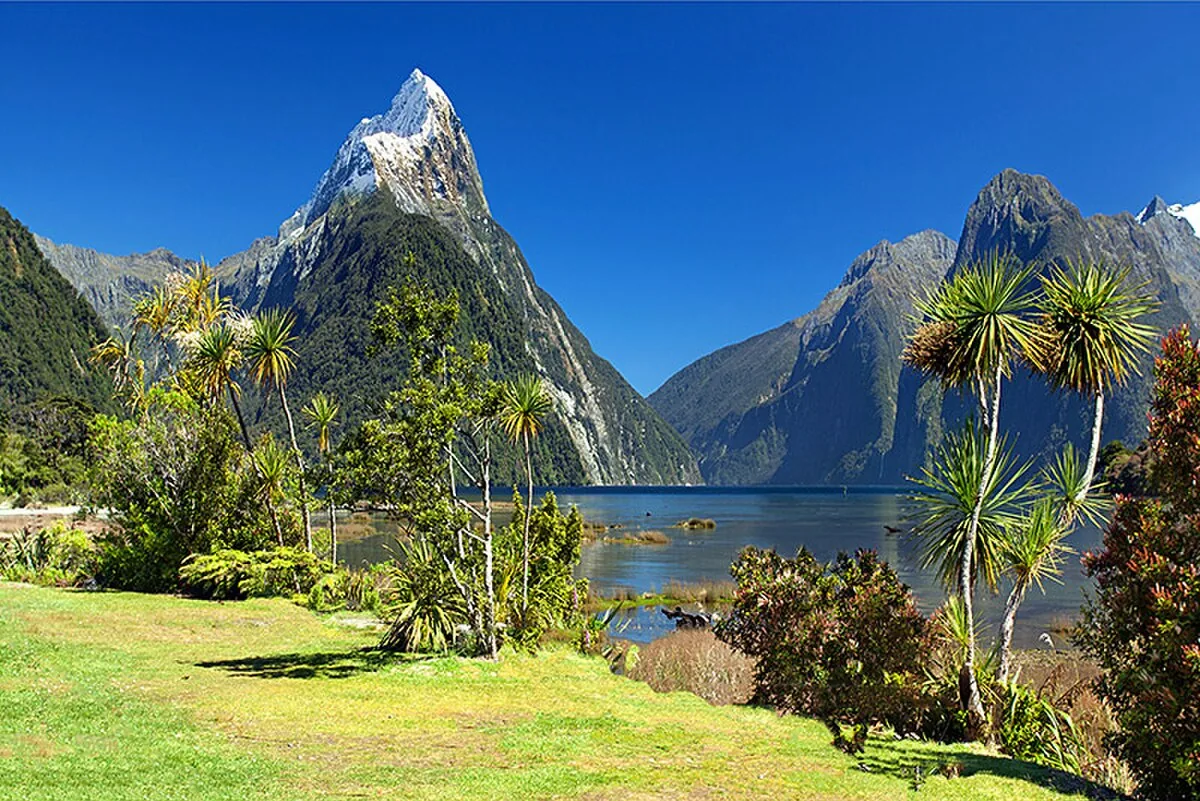
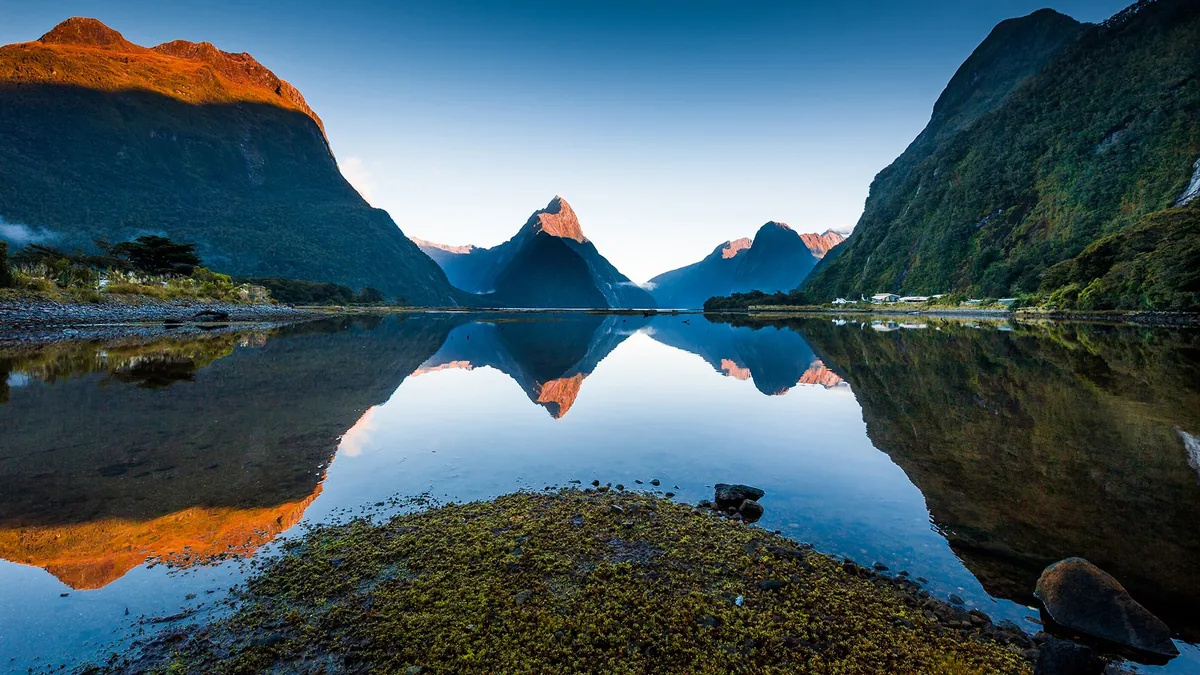
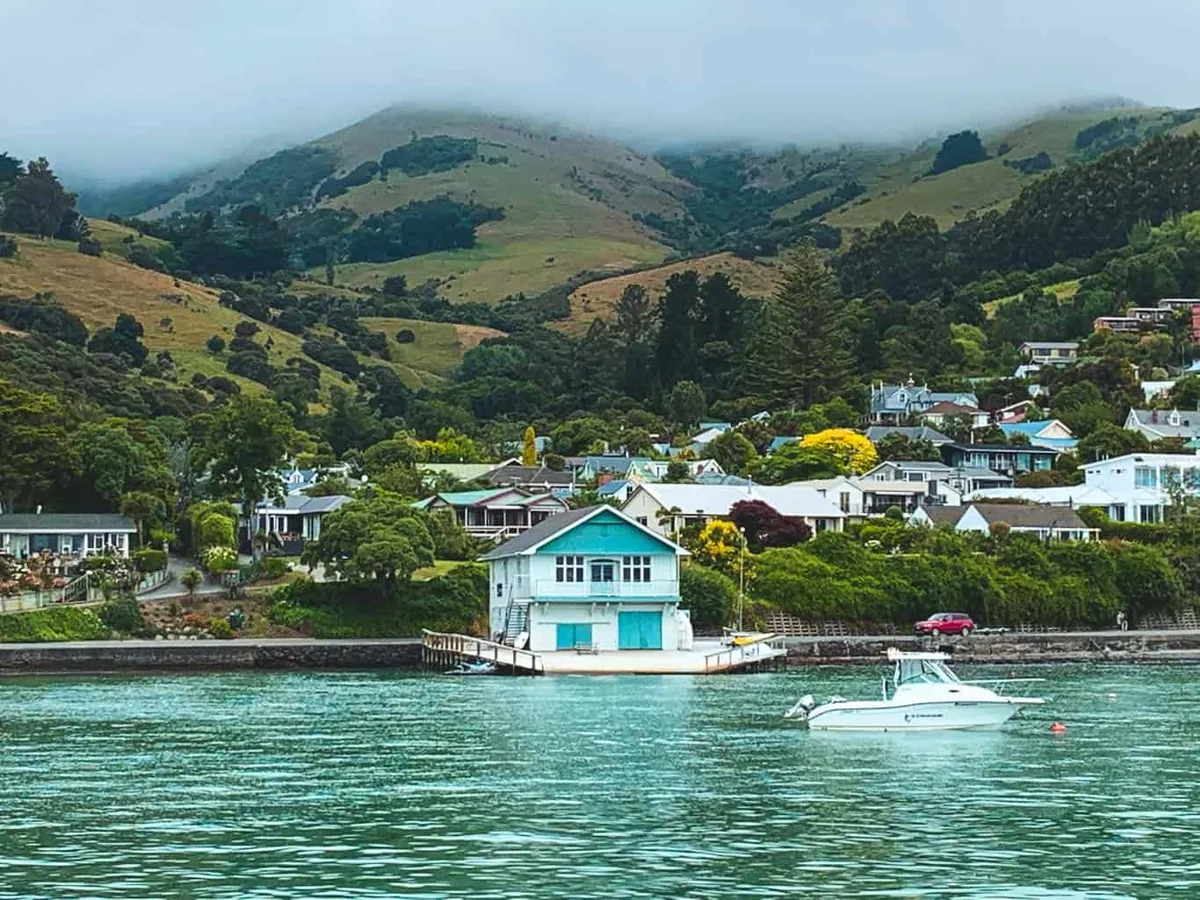
Placed inside the eroded caldera of an ancient volcano, Akaroa is a delightful anomaly: a French-settled village in the centre of British-colonial Canterbury. The streets bear names like Rue Lavaud and Rue Jolie, and the tricolor flag still flutters outside the local butcher shop. This harbor-side sanctuary on the Banks Peninsula feels a world away from the flat plains of Christchurch. The water in the bay is a calm, sheltered green, home to the world's smallest and rarest dolphins, the Hector’s dolphin. It is a town of roses, lavender, and colonial architecture, where the Gallic influence persists in the sourdough, the wine, and the unhurried pace of life.
In 1838, French whaling captain Jean-François
In 1838, French whaling captain Jean-François Langlois 'purchased' the Banks Peninsula from local Māori for a few cloaks and some hardware, planning to establish a French colony. By the time the settlers arrived on the ship L'Aube in 1840, they discovered that the British had already signed the Treaty of Waitangi and claimed sovereignty over the South Island. Undeterred, the French stayed, blending their culture into the landscape. They planted the first vineyards and orchards, creating a Mediterranean-style enclave. The village remained relatively isolated for a century, which helped preserve its unique character. Today, the town is a protected historic area, maintaining its French heritage through its street names and the annual French Festival.
Visiting Akaroa Village
Walking along the waterfront, the gentle, rhythmic lap of the harbor against the stone sea wall. What grabs you is the scent of fresh pastries drifting from the bakeries, mingling with the salt air. The architecture is a mix of French cottage style and English Victorian, with intricate fretwork and colorful gardens. The warmth of the sun trapped by the volcanic hills that surround the town, creating a microclimate where everything seems to grow in abundance. On the water, the sight of the tiny Hector’s dolphins, with their distinctive rounded 'Mickey Mouse' ears, is a quiet, magical occurrence. Most visitors find themselves sitting on the wharf, watching the yachts bobbing in the caldera and feeling a sense of tranquility that is rare in the busier tourist hubs.
Akaroa is a ninety-minute drive
Akaroa is a ninety-minute drive from Christchurch, but the journey is half the experience. The road climbs steeply over the rim of the volcano, offering spectacular views of the harbor below from the Hilltop Tavern. The descent into the village is a winding series of turns that reveal the lush, green valleys of the peninsula. There are daily shuttle services from Christchurch, but having a car is recommended to explore the many 'outer bays' that offer secluded beaches and rugged coastal walks. Most visitors come for a day, but the village is at its best in the early morning or late evening after the day-trippers have left.
The Experience
You notice the street signs are in both French and English, a subtle nod to the town's dual identity. The hum of the town is a mix of church bells and the distant hum of outboard motors. There is a feeling of smoothness of the volcanic pebbles on the beach and the cool shade of the giant walnut trees. People tend to miss the 'Lighthouse on the Hill,' which was moved from the harbor entrance to the town center in 1980 to save it from the sea. The highlight is the 'Giant's House,' a mosaic garden that feels like a surrealist dream, providing a sharp, colorful contrast to the town's colonial elegance.
Why It Matters
Akaroa is a unique cultural relic. It represents the 'what if' of New Zealand history, a glimpse of what the country might have looked like if the French had been faster than the British. It is also an internationally recognized sanctuary for the Hector’s dolphin, making it a critical site for marine conservation and environmental education.
Why Visit
Visit Akaroa if you want a taste of Europe in the South Pacific. It is the most romantic town in New Zealand, offering a sophisticated blend of history, wildlife, and gastronomy. It’s the kind of place where you can spend an entire day doing very little and feel like you’ve had a full adventure.
✦ Photo Gallery
Best Season
🌤 October is particularly beautiful as the spring flowers are in full bloom, but April offers the best light and the most stable, golden autumn weather for harbor cruises.
Quick Facts
Best time to visit
October is particularly beautiful as the spring flowers are in full bloom, but April offers the best light and the most stable, golden autumn weather for harbor cruises.
Getting there
In Akaroa, New Zealand; reach Akaroa first, then continue to the site.
Location
Akaroa, New Zealand
Type
attraction
Insider Tips
- 1
The 'L'Escargot Rouge' kitchen serves some of the most authentic French pastries outside of Paris; arrive early before the croissants sell out.
- 2
Take the mail run tour to see the remote 'outer bays' and meet the locals who live in the most isolated parts of the peninsula.
- 3
Visit the Akaroa Museum to see the 'Akaroa Video,' which beautifully explains the town's complex founding story in ten minutes.
- 4
Walk the 'Children's Bay' track to see the giant metal rhino sculpture hidden in the hills overlooking the harbor.
- 5
Swim with the dolphins only through licensed operators to ensure the safety and welfare of the tiny, shy Hector’s species.