Instead of a gilded altarpiece, this tiny stone chapel features a single glass window that frames the Southern Alps, turning the entire landscape into a divine work of art.
About Church of the Good Shepherd
The foundation stone was laid by the Duke of Gloucester in 1935, but the heart of the project belonged to the local run-holders who provided the labor and materials. Every stone was hand-picked and remained in its natural state, moss and all, to ensure the building looked like it had always existed on the shoreline. Inside, the vestry was added in 1957, but the main hall has remained unchanged since its dedication. The nearby statue of a working collie dog, commissioned in 1968, pays tribute to the animals that made farming in this harsh environment possible. Over the years, the church has survived extreme snowstorms and the pressures of global tourism, yet it remains one of the few places where the original vision of the settlers is still perfectly intact.
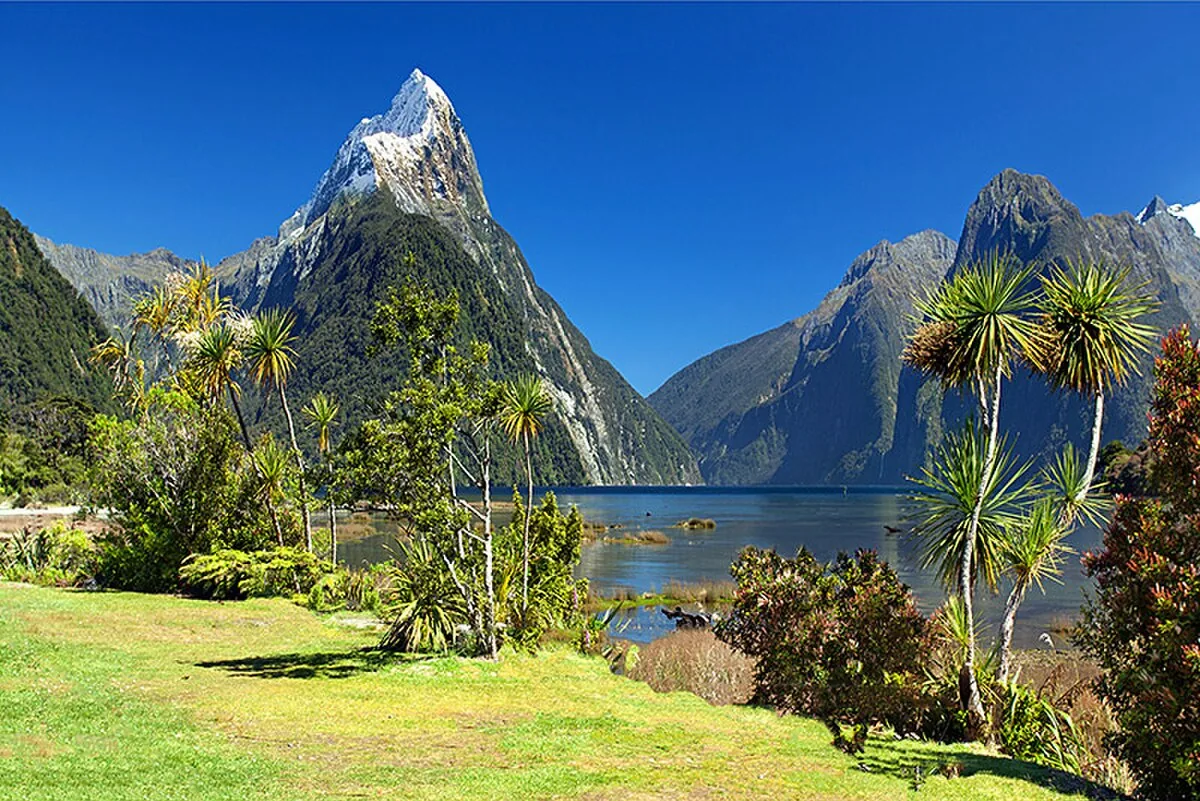
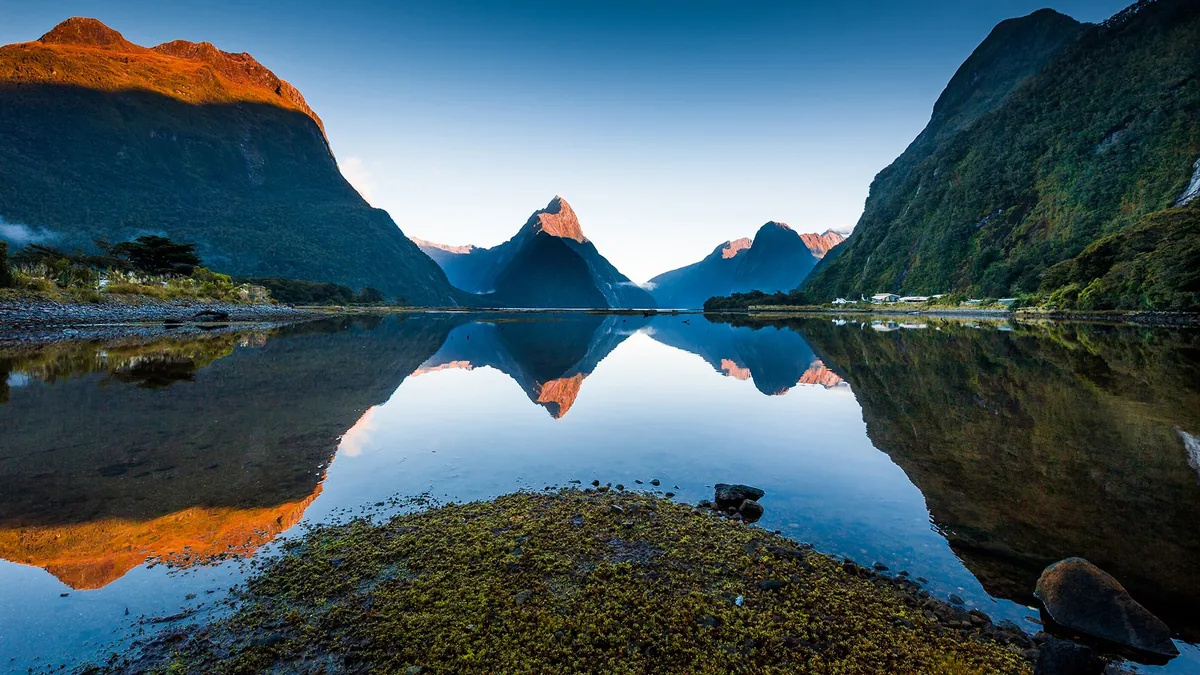
Rough-hewn boulders from the shores of Lake Tekapo form the walls of a tiny chapel that sits perfectly aligned with the turquoise glacial waters and the jagged peaks of the Southern Alps. The Church of the Good Shepherd is perhaps the most photographed building in the Southern Hemisphere, a modest structure that achieves grandeur through its frame. The space around the lake is crisp and incredibly dry, often smelling of wild lupins during the summer months. You walk across the gravel path. Notice how the stone exterior was left un-plastered to mimic the rugged Mackenzie Country landscape. In your ears is a mix of the wind whipping off the glaciers and the soft, hushed tones of visitors who are momentarily silenced by the view from the altar window. It is a building that doesn't compete with nature; it provides a lens through which to worship it.
“Rough-hewn boulders from the shores of Lake Tekapo form the walls of a tiny chapel that sits perfectly aligned with the turquoise glacial waters and the jagged peaks of the Southern Alps.”
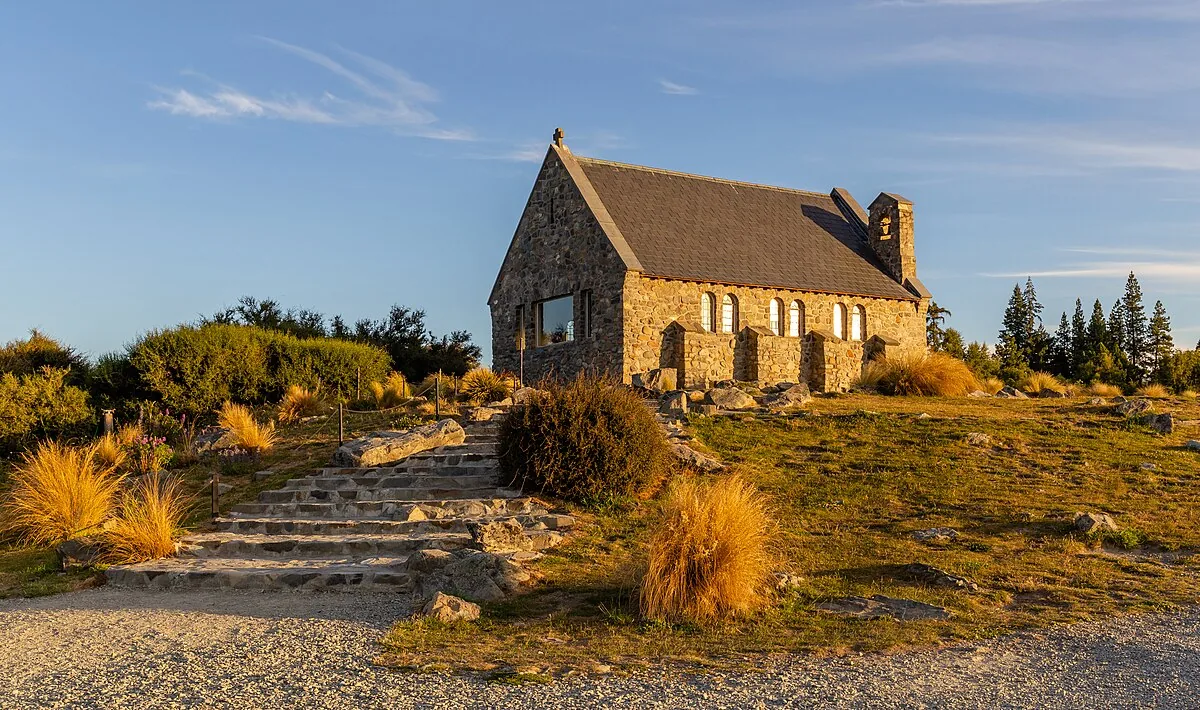
Church of the Good Shepherd, New Zealand
commissioned the church, 1935
Local families commissioned the church in 1935 as a memorial to the pioneers of the Mackenzie Basin, demanding that the architecture reflect the hard-scrabble reality of high-country life. Architect Richard Fielding Atkinson was instructed that the building should be barely visible against the landscape, leading to the selection of local stone and a low, unassuming profile. The builders were forbidden from removing any native shrubs from the site, and the stones were gathered from within five miles of the lake to ensure the color palette was a perfect match. Upon its completion, the church became a symbol of the community’s resilience and their deep connection to the land. While it remains a functioning place of worship for the Mackenzie Cooperating Parish, its global fame has turned it into a secular pilgrimage site for those seeking the perfect alignment of architecture and environment.
Standing inside the small sanctuary,
Standing inside the small sanctuary, the immediate, magnetic pull of the altar window, which looks out over the lake like a living painting. The first thing you register is the way the light changes the color of the water from a milky teal to a deep, royal blue as clouds pass over the sun. The sound of the wind rattling the heavy timber door reminds you of the isolation of this alpine plateau. An echo of the cool, solid temperature of the stone walls, which seem to hold the chill of the mountains even on a warm afternoon. Beginning with the simple, unadorned interior, where the focus remains entirely on the world outside the glass. The most evocative moment is visiting at night under the International Dark Sky Reserve, when the Milky Way stretches directly over the stone roof in a display of celestial light that feels almost close enough to touch.
The church sits on the edge
The church sits on the edge of the Tekapo township, easily accessible from State Highway 8, which connects Christchurch to Queenstown. Those visiting stop here as a breaking point on the long drive across the South Island, parking in the designated area near the lakefront. Arriving before dawn or staying until late evening is the only way to avoid the heavy coach tours that can crowd the small grounds during the day. Photography is strictly prohibited inside the church to maintain its sanctity, but the exterior offers endless angles from the surrounding tussock. Because the area is a protected dark sky zone, the lighting around the church is kept to an absolute minimum, making a torch essential for navigating the paths after dark.
“The church sits on the edge of the Tekapo township, easily accessible from State Highway 8, which connects Christchurch to Queenstown.”
The Experience
The energy at the Church of the Good Shepherd is a constant struggle between peaceful solitude and public spectacle. What registers is the smell of the mountain air, thin, sharp, and clean, which contrasts with the dusty scent of the dry earth. You get a physical smallness of the building, which seats only a few dozen people, creating an intimate energy that forces you to be still. The light is the true master here, especially during the 'blue hour' when the lake and the sky become indistinguishable. What you catch first is the way the weathered wood of the pews feels smooth under your hand, worn down by nearly a century of touch. The most striking detail is the bronze dog statue nearby; it is the silent guardian of the chapel's history.
Why It Matters
The church is a masterpiece of landscape-integrated architecture and a pillar of New Zealand's cultural identity. It represents the spiritual connection between the high-country settlers and the formidable terrain of the South Island. Historically, it is a rare example of 1930s rural design that has achieved international icon status without losing its original function.
Why Visit
The pull is that you want to see a building that understands its place in the world. While other cathedrals are built to impress, this church is built to humble. You come here to see the stars in their purest form and to realize that sometimes the most powerful architecture is a simple frame for the horizon. It is the only place where the view is more holy than the building.
Insider Tips
- 1
Visit after 10:00 PM for astrophotography; the church is located in one of the world's best stargazing spots and the stars appear spectacularly bright behind the steeple.
- 2
Check the service times before you arrive; the church is closed to tourists during weddings and Sunday services, which happen frequently.
- 3
Walk the short bridge over the Tekapo River to find a quieter angle for photos that includes the snowy peaks in the background.
- 4
Respect the 'no interior photos' rule; the local parish is very protective of the space and will ask you to leave if they see a camera out.
- 5
Bring a warm jacket even in summer; as soon as the sun drops behind the mountains, the temperature at the lakefront plummets.