A two-kilometer-deep abyss sits just offshore from a mountain range, creating a permanent marine cafeteria where giants come to feed in the shadow of the snow.
About Kaikoura Peninsula
Māori established major pā (fortified villages) on the peninsula’s heights to guard the rich fishing grounds. European whalers arrived in the 1840s, and the remains of their whalebone fences can still be seen at Fyffe House, the town’s oldest building. The 2016 earthquake was a turning point, nearly cutting the town off from the world for months. The massive effort to rebuild the road and rail line also involved a deeper commitment to protecting the marine environment, leading to the creation of the Hikurangi Marine Reserve in 2014, which covers over 10,000 hectares of the canyon.
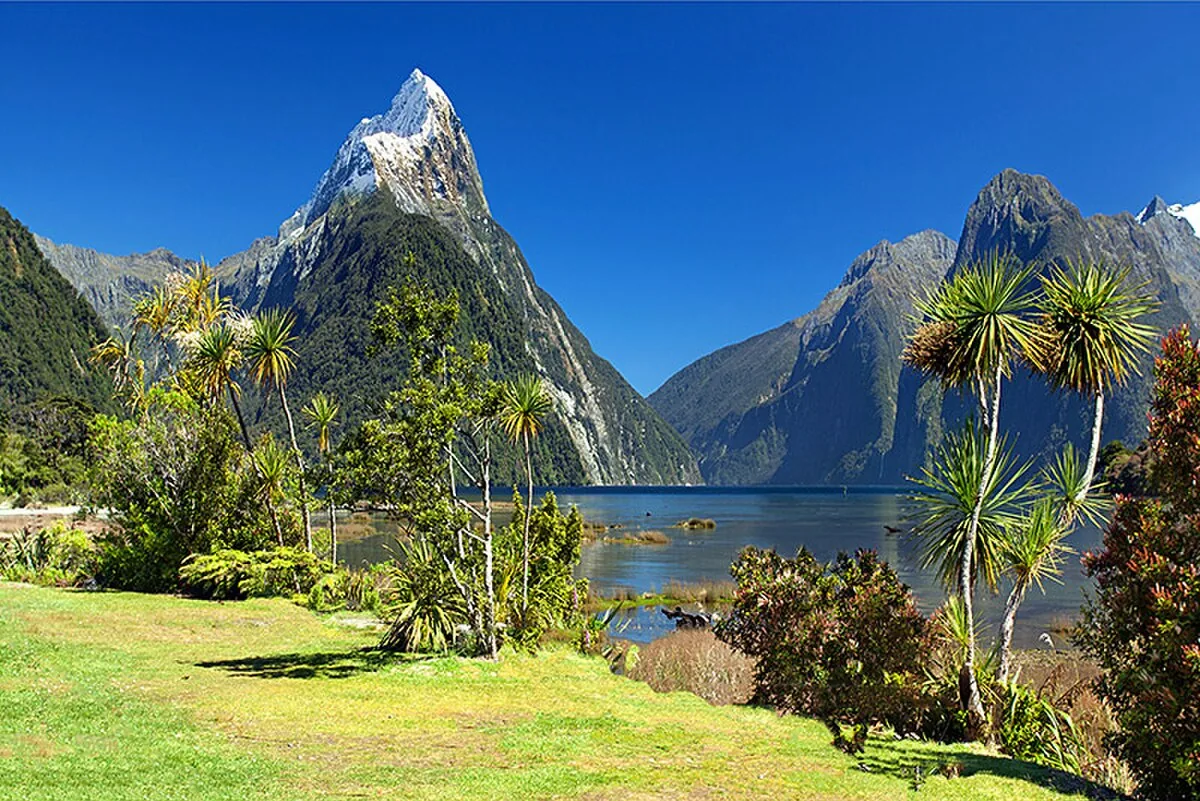
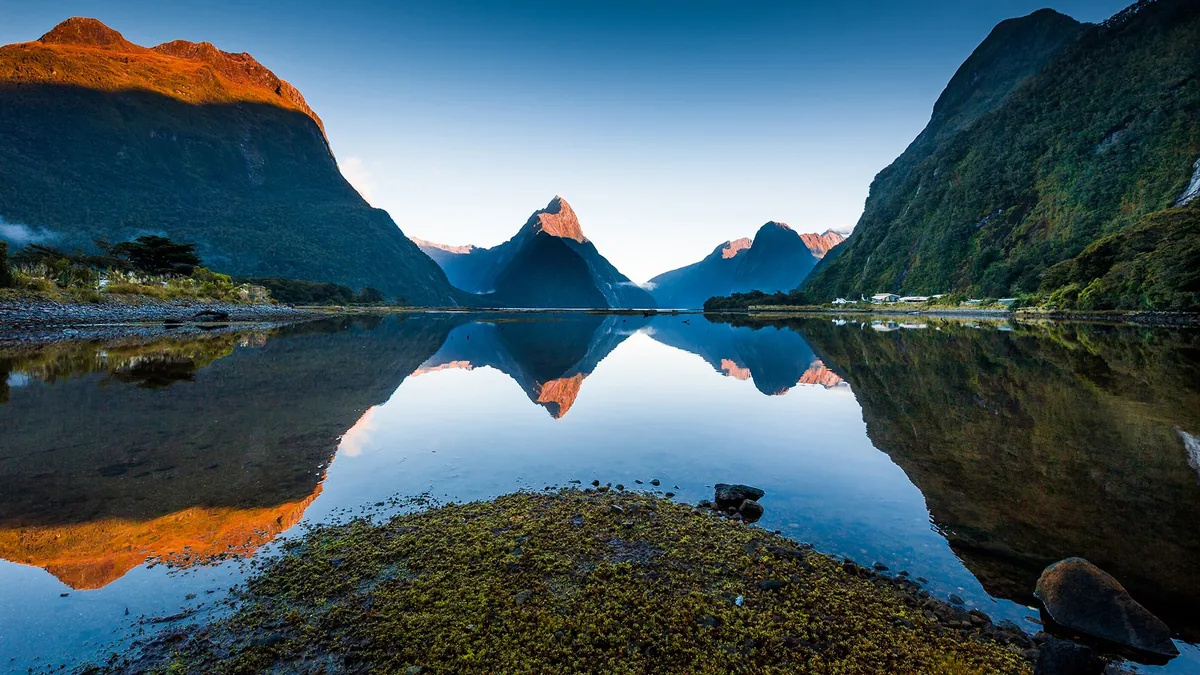
Snow-capped mountains drop directly into
Snow-capped mountains drop directly into a deep-water abyss at the Kaikoura Peninsula, creating a rare geographical theater for some of the planet’s largest creatures. The Hikurangi Trench, a two-kilometer-deep canyon just offshore, brings nutrient-rich currents close to the coast, making this a permanent cafeteria for sperm whales, dusky dolphins, and fur seals. On the peninsula itself, white limestone cliffs are carved into strange, skeletal shapes by the relentless Pacific swells. It is a place of wild, unmanicured beauty where the smell of kelp and salt is constant, and the horizon is frequently broken by the fluke of a diving whale.
“Snow-capped mountains drop directly into a deep-water abyss at the Kaikoura Peninsula, creating a rare geographical theater for some of the planet’s largest creatures.”
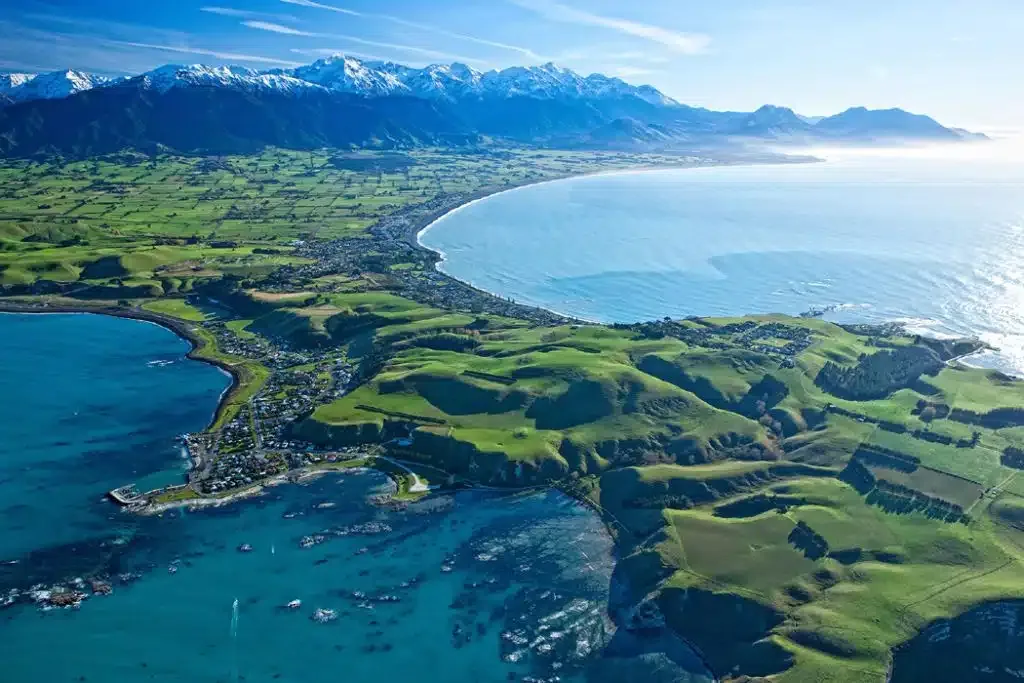
Kaikoura Peninsula, New Zealand
The name Kaikoura translates to 'meal
The name Kaikoura translates to 'meal of crayfish,' reflecting the abundance that has sustained Māori for eight hundred years. In the mid-19th century, it became a brutal hub for the whaling industry, with shore-based stations hunting the very animals that people now travel across the world to photograph. The 2016 magnitude 7.8 earthquake dramatically altered the peninsula, lifting the seabed by up to two meters in mere seconds. This geological upheaval exposed massive stretches of previously submerged reef, forever changing the coastline and creating new habitats for the local birdlife. Today, the town has pivoted entirely toward conservation, becoming a global model for sustainable marine tourism.
Walking the Peninsula Walkway, the spongy
Walking the Peninsula Walkway, The spongy turf of the clifftops and the sharp blast of the easterly wind. Nearby, the New Zealand fur seals, a chorus of barks and bleats, long before seeing them camouflaged against the grey rocks of the shore. The light here is exceptionally clear, making the white snow of the Seaward Kaikoura Range seem to vibrate against the dark blue of the ocean. There is a feeling of scale of the landscape looking out over the 'new' reefs exposed by the earthquake, their surfaces now covered in vibrant green algae. Most visitors spend their time on the water, but the true magic is standing on the cliffs at dawn, watching the shadows of the mountains stretch out over the sea as the first whales come up to breathe.
Kaikoura is located on the East
Kaikoura is located on the East Coast of the South Island, roughly halfway between Christchurch and Picton. The drive along State Highway 1 is one of the most spectacular in the country, following the narrow strip of land between the mountains and the sea. The Coastal Pacific train offers a more relaxed approach, with large windows designed for wildlife spotting. Once in town, the peninsula is easily accessible by car or a long, pleasant walk along the waterfront. Most visitors base themselves in the township for a night or two to account for the unpredictable weather that can occasionally ground the whale-watching boats.
“Kaikoura is located on the East Coast of the South Island, roughly halfway between Christchurch and Picton.”
The Experience
You notice the water is a strange, milky turquoise near the shore, a result of the limestone being ground down by the waves. The smell of the seal colony is pungent and wild, a mix of fish and salt that sticks to your clothes. There is a sense of vulnerability on the lower reef paths, where the tide moves quickly over the flat rocks. Most visitors miss the tiny blue penguins that nest in the rocks near the wharf at dusk. The piece that stays with you is the 'huff' of a whale's blowhole echoing off the cliffs, a sound that carries surprisingly far in the still morning air.
Why It Matters
Kaikoura is a global hotspot for biodiversity. It is one of the few places on earth where deep-sea species can be seen so close to land. Culturally, it represents the successful transition from an extractive industry (whaling) to a regenerative one (eco-tourism), proving that conservation can be the economic engine of a community.
Why Visit
Visit Kaikoura because it offers the most visceral connection to the ocean in New Zealand. It is not a place of manicured beaches; it is a place of raw, powerful nature where you are an observer in a world dominated by marine life. It is the best place in the country to see the literal 'rising' of the earth following the recent earthquake.
Insider Tips
- 1
Walk the peninsula loop at low tide to see the extraordinary rock formations exposed by the 2016 earthquake.
- 2
Eat at the Nin's Bin crayfish caravan north of town; it's a legendary local institution where the seafood is caught just meters away.
- 3
Bring binoculars; even from the clifftop walkway, you can often see the tell-tale spray of a whale in the distance.
- 4
Visit Fyffe House to see the foundation made of whale vertebrae, a grim but fascinating relic of the town's past.
- 5
Check the 'Whale Watch' flight options if you get seasick; seeing the scale of a sperm whale from the air is a different, equally moving experience.