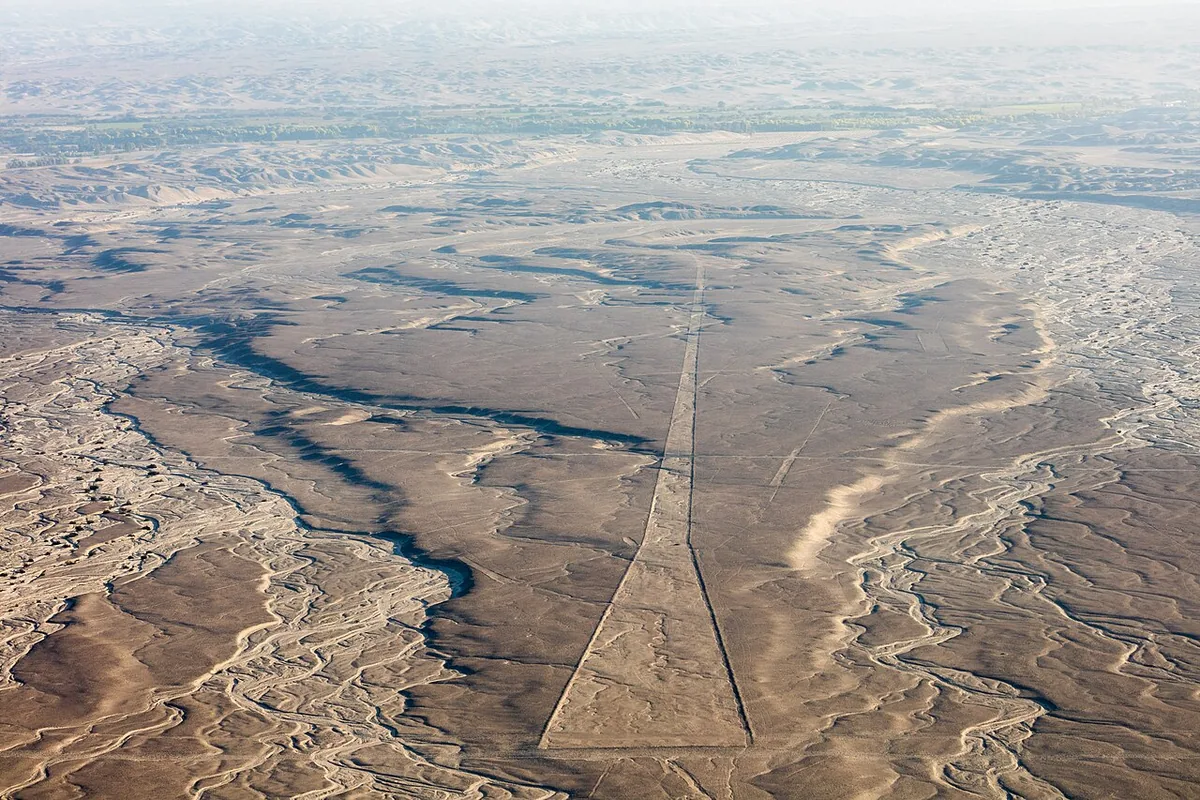
“A thousand years ago, this city of mud and sand was the largest in the Americas, built by a kingdom that surrendered only when their enemies stopped the rain.”
About Chan Chan
The Chimú people rose from the remnants of the Moche culture, establishing Chan Chan as a bureaucratic and ceremonial heartland. Each successive ruler built a new palace, leading to the sprawling, multi-citadel layout seen today. Their society was highly stratified, with the elite living behind high walls while the commoners resided in smaller dwellings on the periphery. The 1470 Inca conquest marked the beginning of the end, followed by the Spanish arrival in 1535, which saw the city abandoned and systematically looted for its ceremonial gold. UNESCO added the site to its World Heritage list in 1986, noting its status as an endangered masterpiece of earthen architecture.
What Chan Chan is
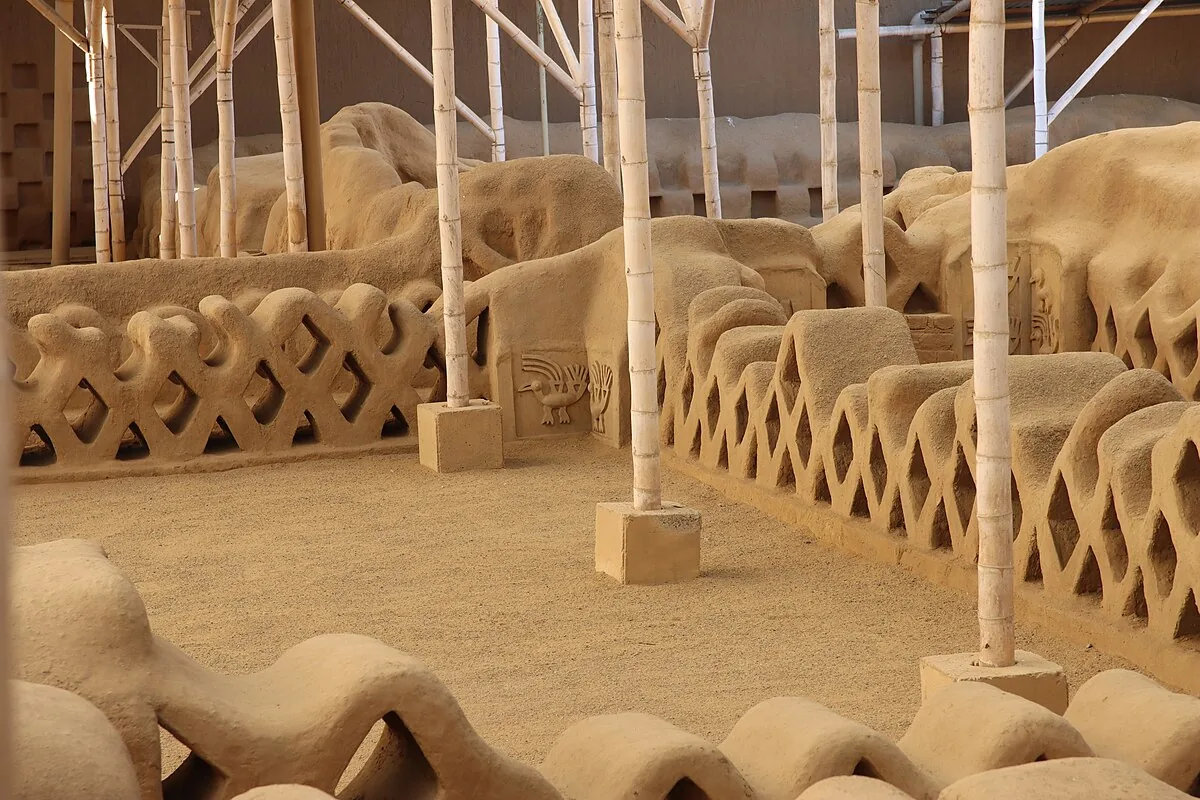
Sprawling across the sun-bleached coastal desert near Trujillo, the adobe metropolis of Chan Chan remains a haunting a result of a kingdom that once rivaled the Inca. This earthen labyrinth was the capital of the Chimú Empire, a city of mud and sand that at its height housed perhaps 60,000 people. The architecture here is defined by massive citadel walls that rise like melting cliffs from the dust, decorated with rhythmic friezes of sea creatures and geometric waves. Unlike the stone fortresses of the Andes, Chan Chan feels delicate and ephemeral, as if the Pacific breeze might one day whistle it back into the dunes. The scale of the Nik An palace complex reveals a society obsessed with the sea and the celestial cycles, expressed through clay rather than granite. The walk through its corridors, The weight of a civilization that mastered the art of survival in one of the driest places on earth.
Sprawling across the sun-bleached coastal desert near Trujillo, the adobe metropolis of Chan Chan remains a haunting a result of a kingdom that once rivaled the Inca.
History
Constructed around 850 AD, Chan Chan grew through the labor of a people who conquered the desert with an incredible network of irrigation canals. The Chimú kings ruled from ten vast walled citadels, each designed to serve as a palace during their life and a tomb after their death. Their goldsmiths were legendary, creating works so fine that the Inca, upon conquering the city in 1470, spared the artisans and took them back to Cusco to teach their craft. The empire fell not through military weakness but through thirst; the Inca diverted the canals that fed the city, forcing a surrender. Centuries of El Niño rains and colonial looting stripped the city of its gold and much of its detail, yet the bones of the city remained. In the late 20th century, archaeologists began the painstaking work of stabilizing the adobe walls against the encroaching humidity of the coast.
Visiting Chan Chan
Entering the Nik An palace, the sudden coolness of the thick mud walls provides a visceral relief from the glare of the desert sun. The repetitive patterns of pelicans and fish carved into the walls, a visual prayer to the Humboldt Current that provided the city's sustenance. The sound is limited to the crunch of sand under your boots and the distant, rhythmic roar of the Pacific breakers hitting the shore. What registers is the strange, sunken gardens called 'huachaques' where the Chimú grew crops in the humid soil beneath the water table. What most skip is the acoustic properties of the large courtyards, where a whisper can travel across a space designed for royal audiences. A sense of fragility as you touch the coarse, sun-dried clay, realizing that every rainstorm is a battle for the city's existence. The light at sunset turns the walls a deep, burnt orange, making the ancient carvings look as though they are moving in the shadows.
Chan Chan sits just five kilometers
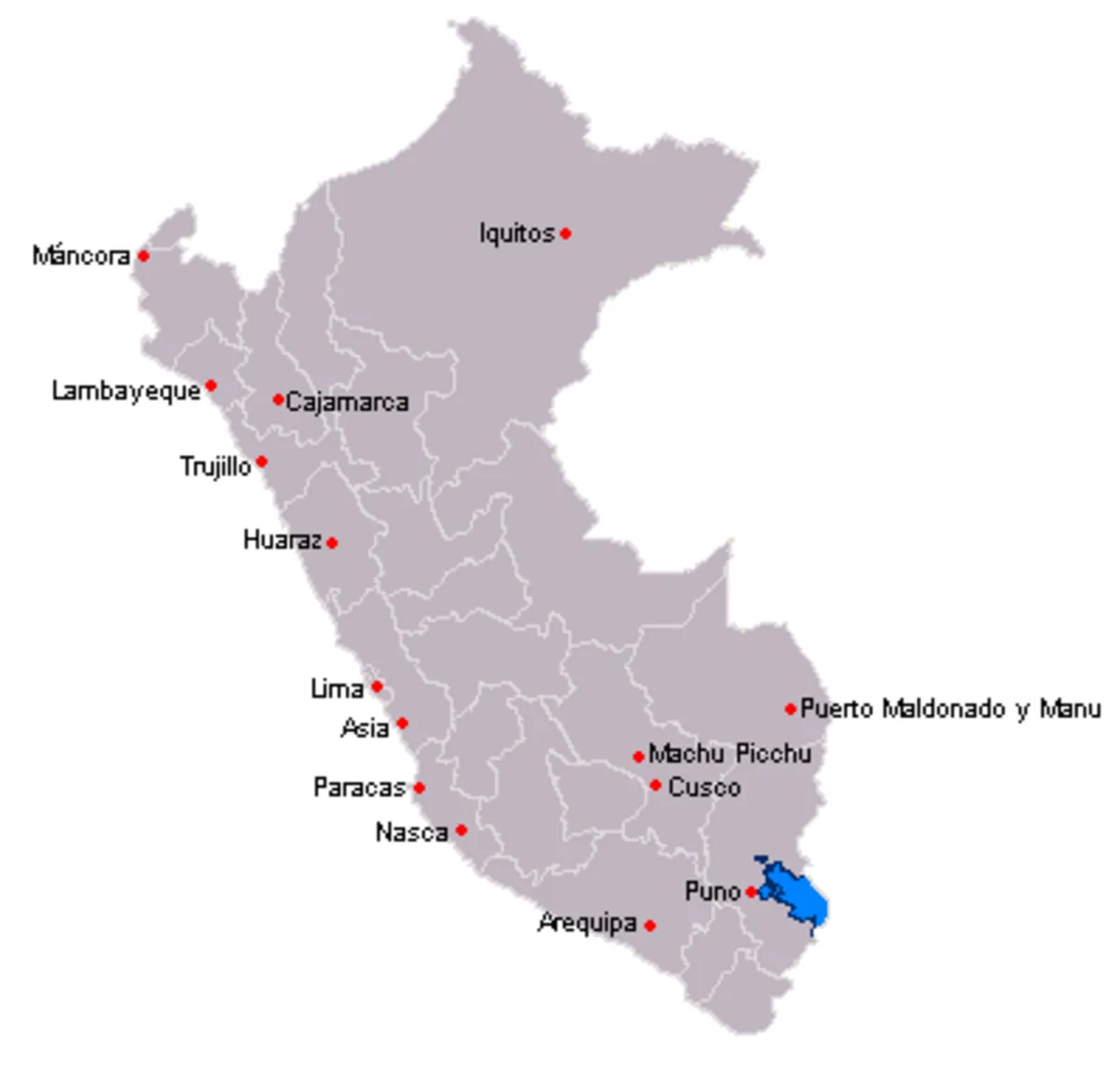
Chan Chan sits just five kilometers west of the city of Trujillo, easily reached by a short taxi ride or the local 'combi' vans that run toward Huanchaco. Most travelers arrive in Trujillo via an eight-hour bus ride from Lima or a quick one-hour flight. The site is massive, so many visitors choose to explore the Nik An complex on foot and use a vehicle to reach the outlying temples like Huaca Esmeralda. Hiring a local guide at the entrance is highly recommended to decipher the complex iconography of the friezes.
Chan Chan sits just five kilometers west of the city of Trujillo, easily reached by a short taxi ride or the local 'combi' vans that run toward Huanchaco.
The Experience
The light catches the relief of the 'Sea Wall,' where hundreds of carved crabs seem to scuttle toward the floor. The air carries a salty tang from the nearby ocean, mixing with the scent of dry earth. The silence of the ceremonial plazas, once filled with thousands of subjects, now inhabited only by the occasional lizard darting between the cracks. Most visitors miss the small, strategically placed holes in the walls designed to monitor the movement of the stars. The piece that stays with you is standing in the central burial platform, looking out over the desolate dunes and imagining the vibrant, painted city that once stood as a emerald in the dust.
Why It Matters
Chan Chan represents the pinnacle of pre-Columbian urban planning using adobe. It is the largest earthen city in the world and serves as a vital record of Chimú cosmology, social structure, and hydraulic engineering. Its existence challenges the Andean-centric view of Peruvian history, reminding us that the desert coast was home to empires just as sophisticated as those in the mountains.
Why Visit
Visit Chan Chan to see how humans can build an empire out of nothing but sand and salt. While stone ruins endure, these clay walls possess a vulnerable, human quality that connects you to the past in a way granite never could. It is the best place in South America to see the intersection of ancient art and environmental survival.
✦ Insider Tips
- 1
Visit the site museum first to see the wooden statues that once guarded the palace entrances.
- 2
Hire a taxi for the full day to include the nearby 'Huanchaco' beach, where traditional reed boats are still used for fishing.
- 3
Wear a wide-brimmed hat and bring more water than you think you need; the reflective heat of the sand is deceptively draining.
- 4
Ask your guide to show you the 'secret' acoustics of the main assembly hall where sounds resonate in a unique pattern.
- 5
Check the weather; if rain is predicted, the site may close to protect the fragile adobe structures from erosion.