All landmarks and tourist attractions in Peru
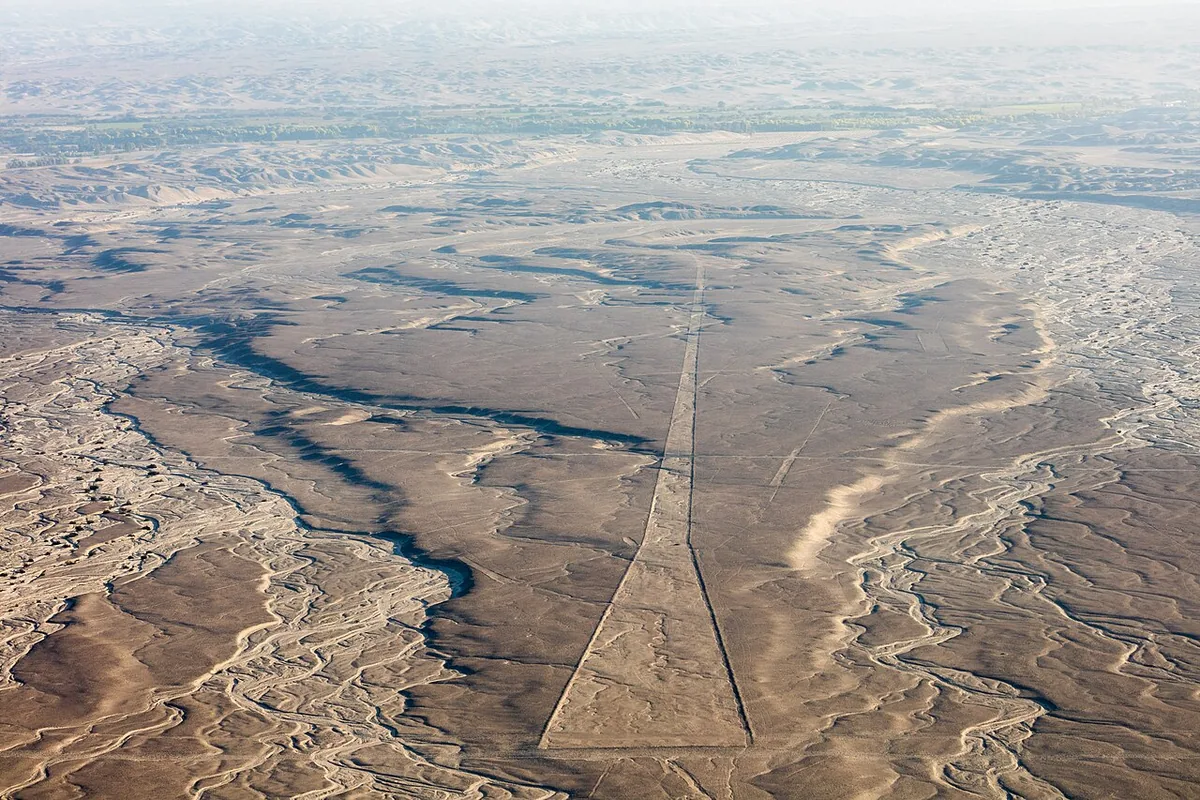
Nazca Lines
A 450-square-kilometre desert geoglyph complex etched into the iron-oxide coated pebbles of the Pampa de Jumana by the Nazca culture between 500 BC and 500 AD; flying at 1;000 feet reveals the geometric precision of the 300-metre monkey and spider figures; the dry; wind-scoured earth preserves the white paths of sun-bleached limestone beneath the dark surface in an environment that almost never sees rain.
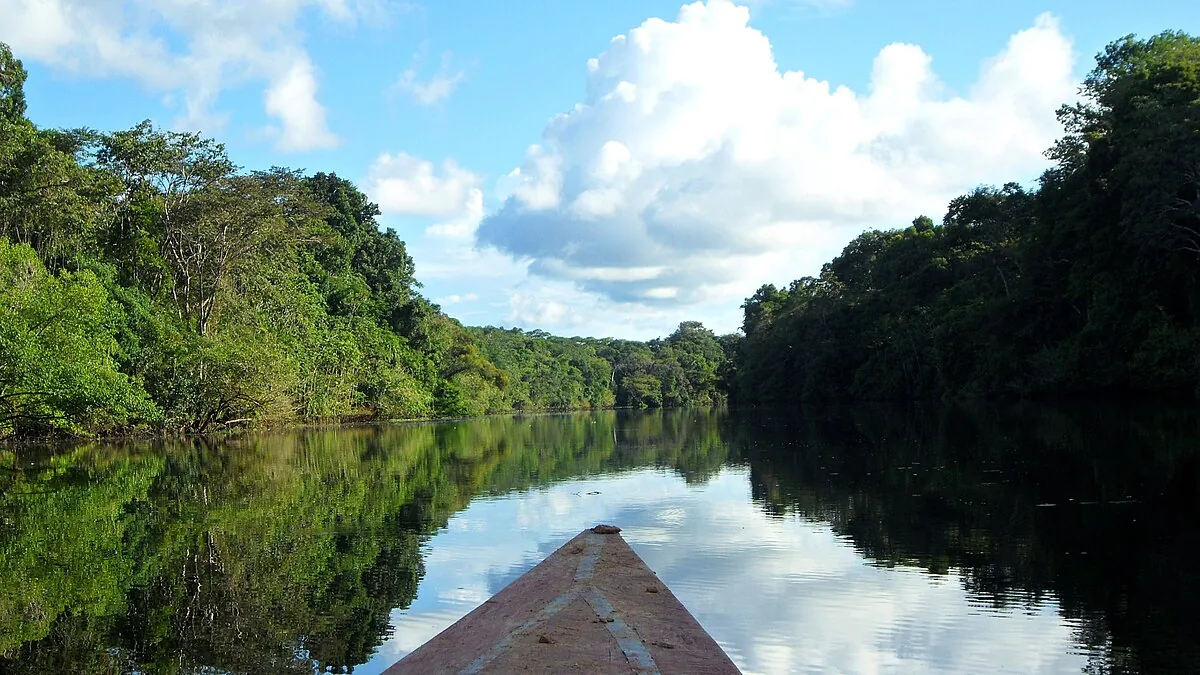
Pacaya-Samiria National Reserve
A 20;800-square-kilometre 'forest of mirrors' where the black waters of the Amazon headwaters reflect the primary rainforest canopy with photographic clarity; the ecosystem supports pink river dolphins and giant otters; navigate the Yanayacu-Pucate basin at dawn; the air is thick with the scent of wet humus and blooming orchids; the only sound is the rhythmic chattering of squirrel monkeys.
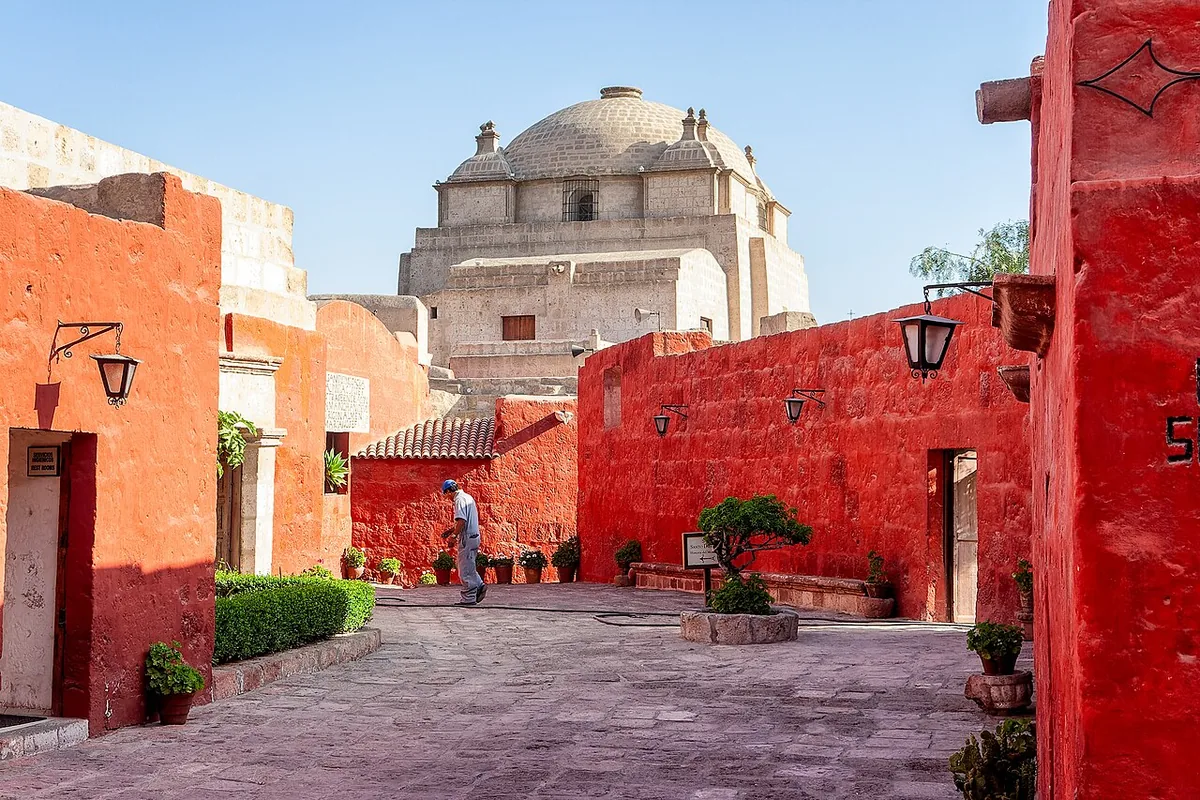
Santa Catalina Monastery
A 20;000-square-metre 'city within a city' founded in 1579; defined by narrow streets and cloisters painted in saturated indigo and sienna volcanic sillar; the Mudéjar-influenced architecture houses silent cells and communal kitchens; walk the Calle Sevilla at 4 pm; the western light turns the red-clay walls into glowing embers while the air carries the scent of dry wood and old stone.
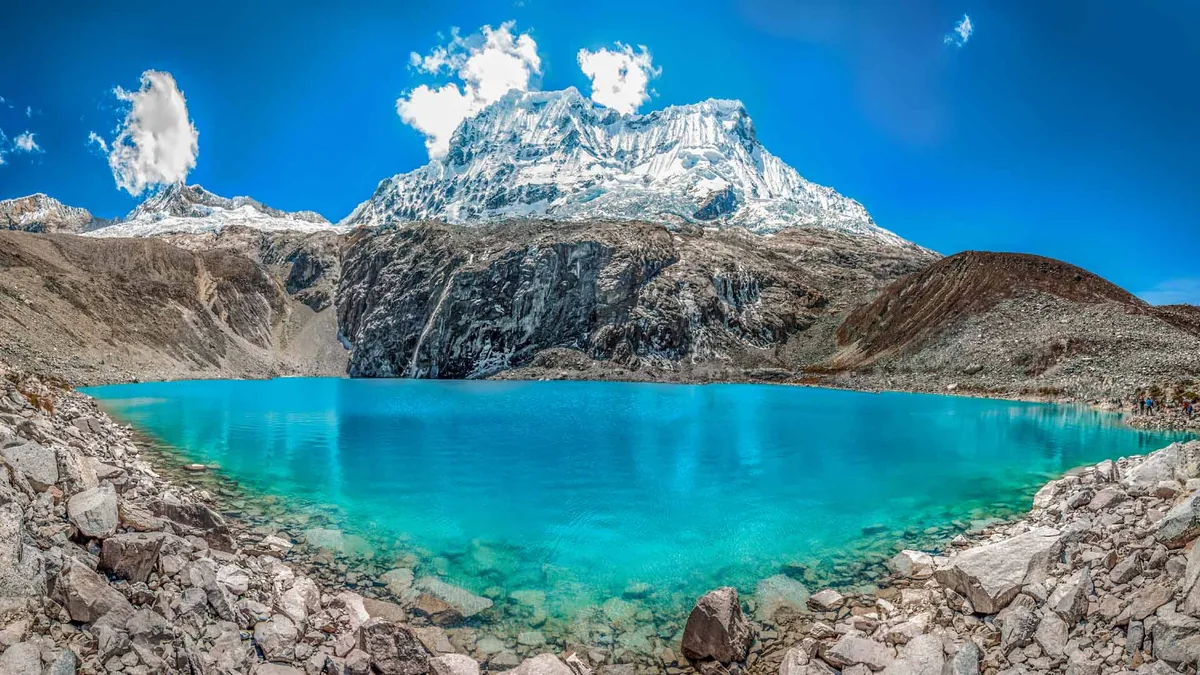
Huascarán National Park
The Cordillera Blanca contains 663 glaciers and the 6;768-metre Huascarán peak; the highest tropical mountain range on Earth; the turquoise waters of Lake 69 sit at the base of vertical granite walls; hike the Llanganuco Valley in the early morning; the thin; icy air is perfectly still as the sun strikes the snow-capped summits; turning the glaciers into blinding white blades against a deep cobalt sky.
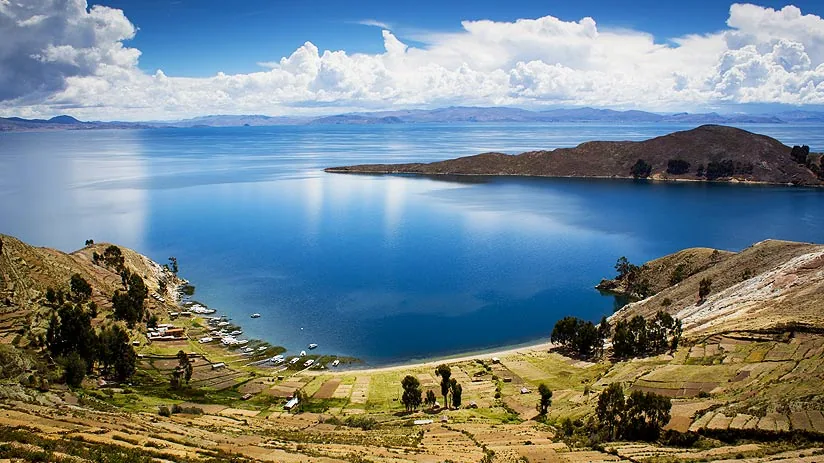
Lake Titicaca
The world highest navigable lake at 3;812 metres contains the Uros floating islands made of layered totora reeds; the deep blue water is framed by the snow-capped Apolobamba range; take a wooden boat toward Taquile Island at sunrise; the horizontal light turns the lake surface into brushed steel while the thin air carries the scent of dry grass and cold water; the silence is physically heavy.
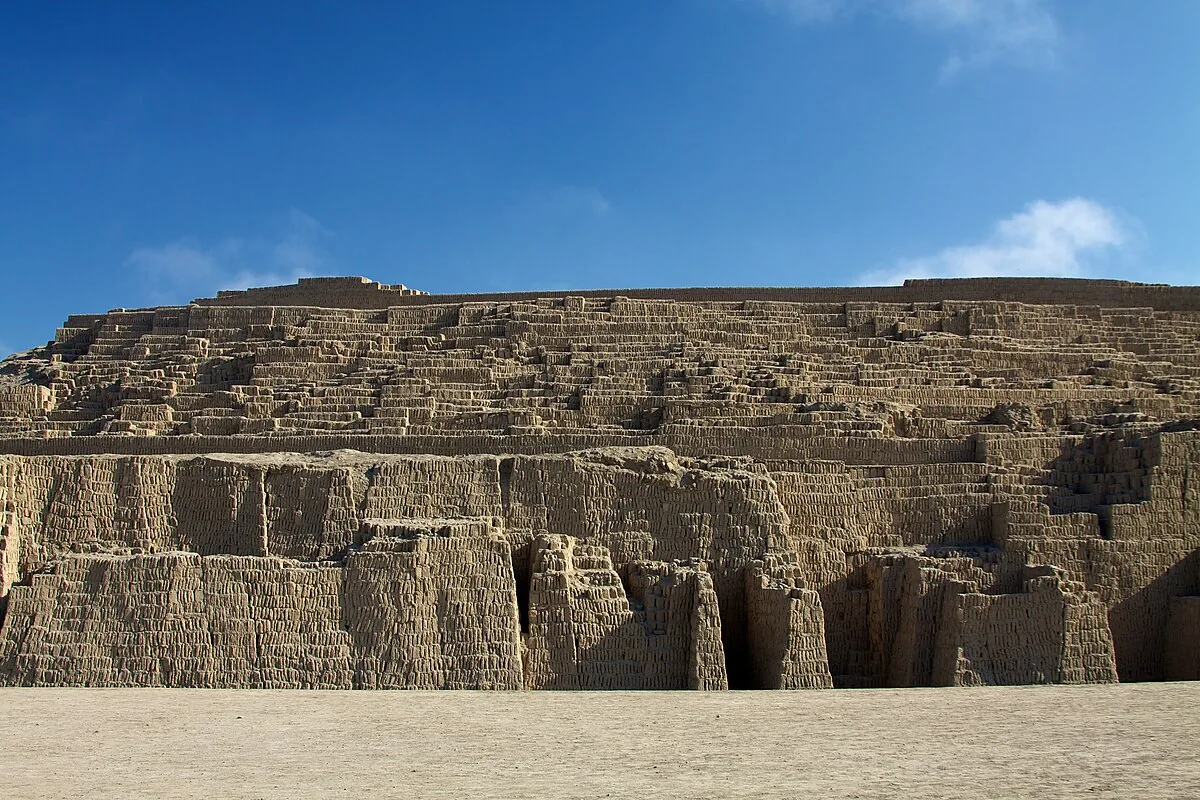
Huaca Pucllana
A 4th-century ceremonial pyramid made of millions of vertically stacked adobe bricks; located in the heart of the modern Miraflores district; the 'bookshelf' construction style was a Lima culture innovation for earthquake resistance; visit at night when the floodlights highlight the rhythmic texture of the clay tiers; the prehistoric silence of the site contrasts sharply with the neon hum of the surrounding metropolis.
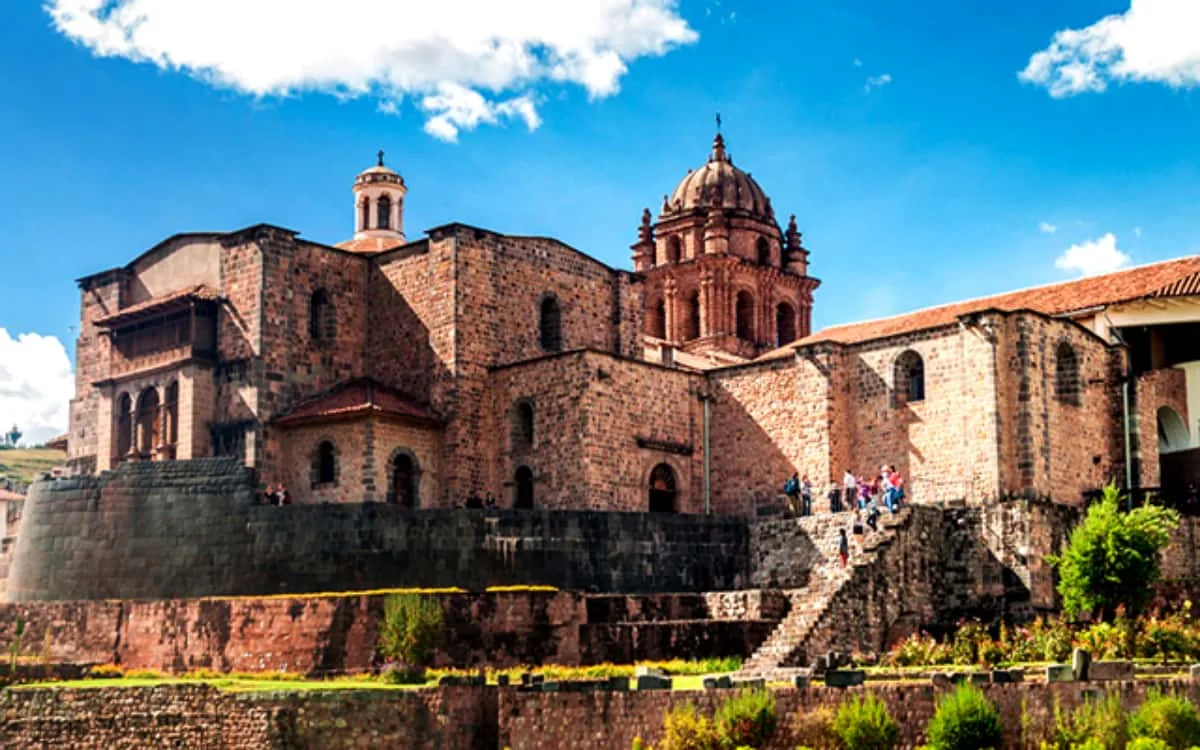
Qorikancha
The 'Golden Courtyard' was the Inca Empire most sacred temple; once clad in 700 sheets of solid gold until the 16th-century Spanish built the Church of Santo Domingo directly onto its foundations; the interior features perfectly curved basalt walls; stand in the central cloister at 3 pm; the light strikes the smooth; dark stone of the Inca niches; revealing the violent architectural collision of two civilizations.
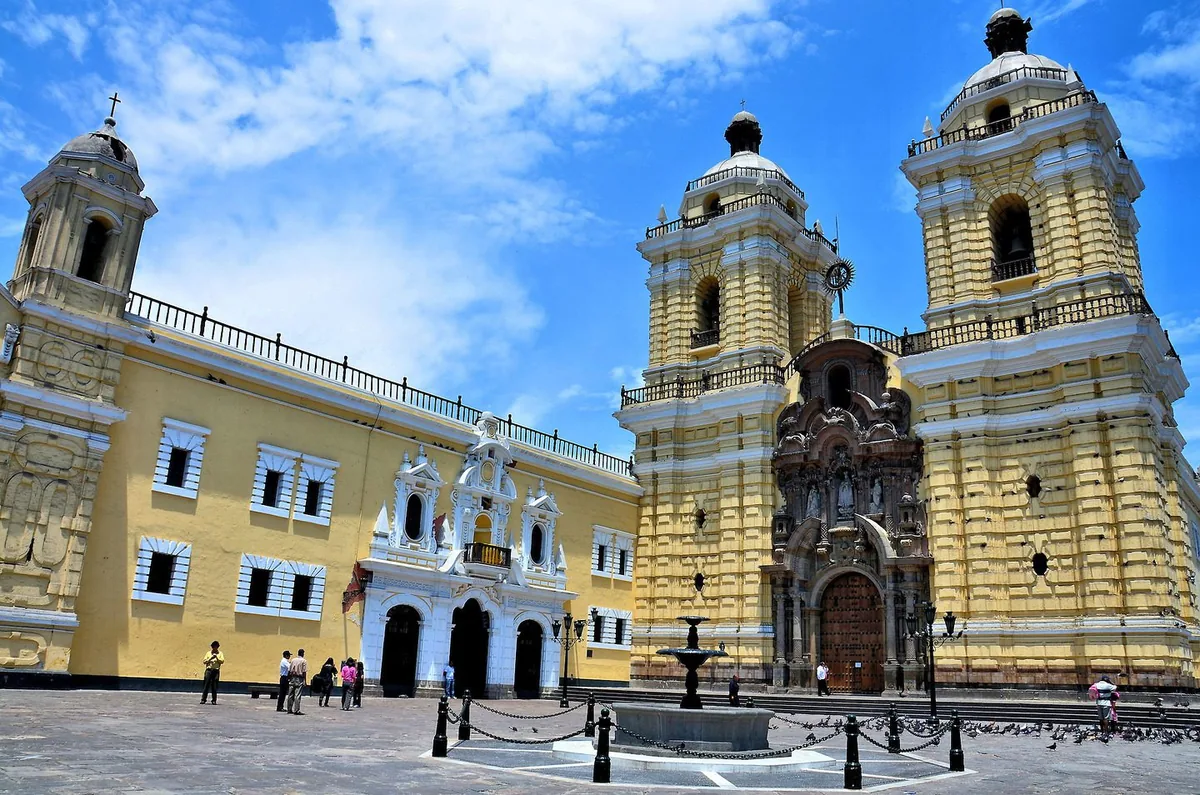
Convento de San Francisco
A 17th-century Baroque monastery famous for its Sevillian tilework and vast subterranean catacombs containing the bones of 25;000 citizens; the library houses 25;000 ancient texts on hand-pressed paper; descend into the ossuaries at midday; the air is cool; damp; and smells of lime and aged dust while the rhythmic geometry of the skeletal remains is illuminated by single shafts of natural light.
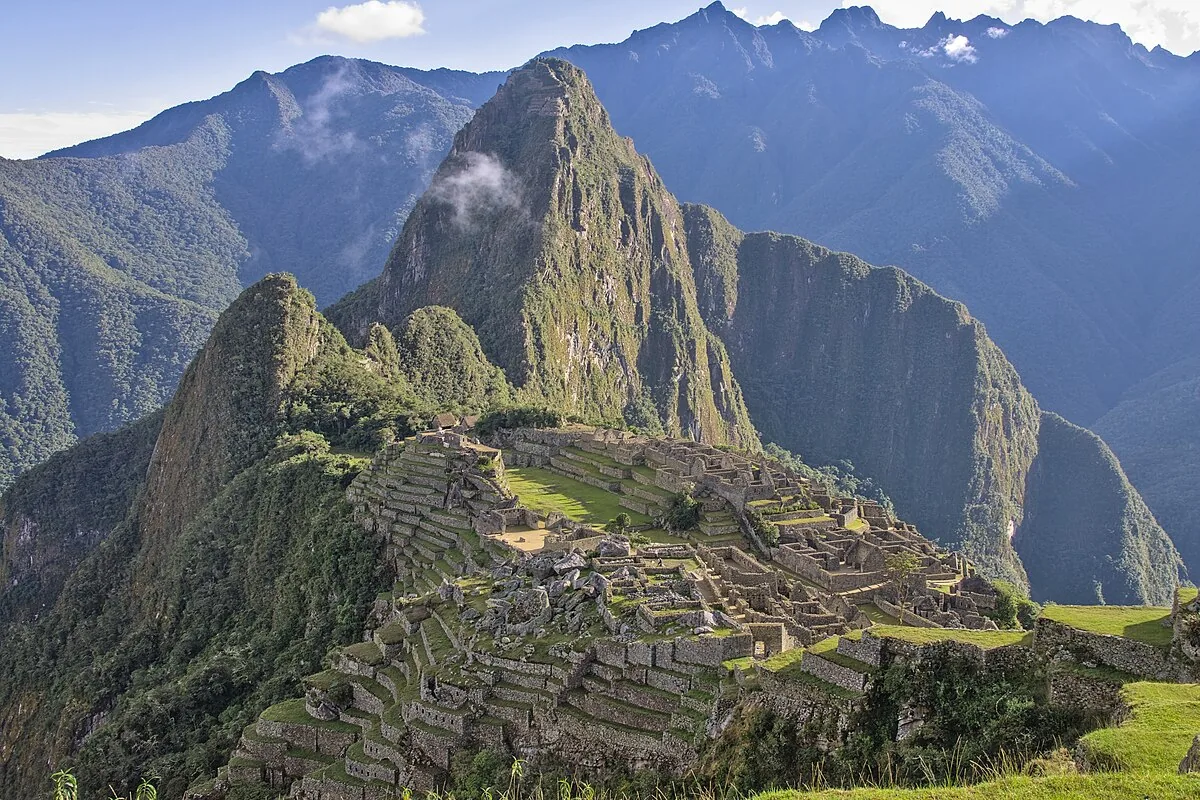
Machu Picchu
The 15th-century citadel sits on a narrow ridge between Huayna Picchu and Machu Picchu mountain at 2;430 metres; the dry-stone Ashlar masonry features granite blocks cut so precisely they require no mortar; arrive at the Sun Gate as the first light dissolves the cloud forest mist; the jagged peaks turn a saturated emerald while the silence of the Urubamba Valley below is absolute.
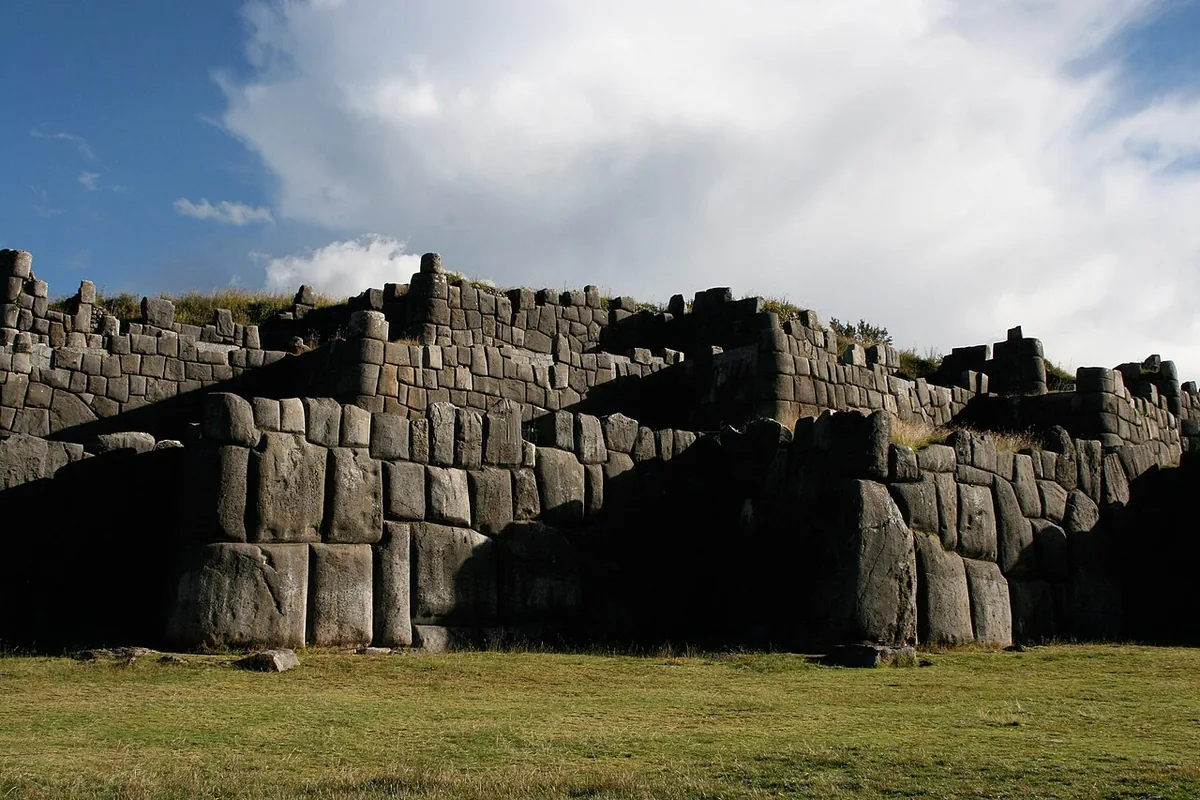
Sacsayhuamán
An Imperial Inca ceremonial fortress featuring three-tiered zigzag walls constructed from monolithic limestone blocks; some weighing over 120 tons; the stonework utilizes interlocking polygonal joints that have withstood five centuries of seismic activity; stand in the central plaza at sunset; the low sun highlights the hand-hammered texture of the grey stone while the wind whistles through the high Andean gaps.
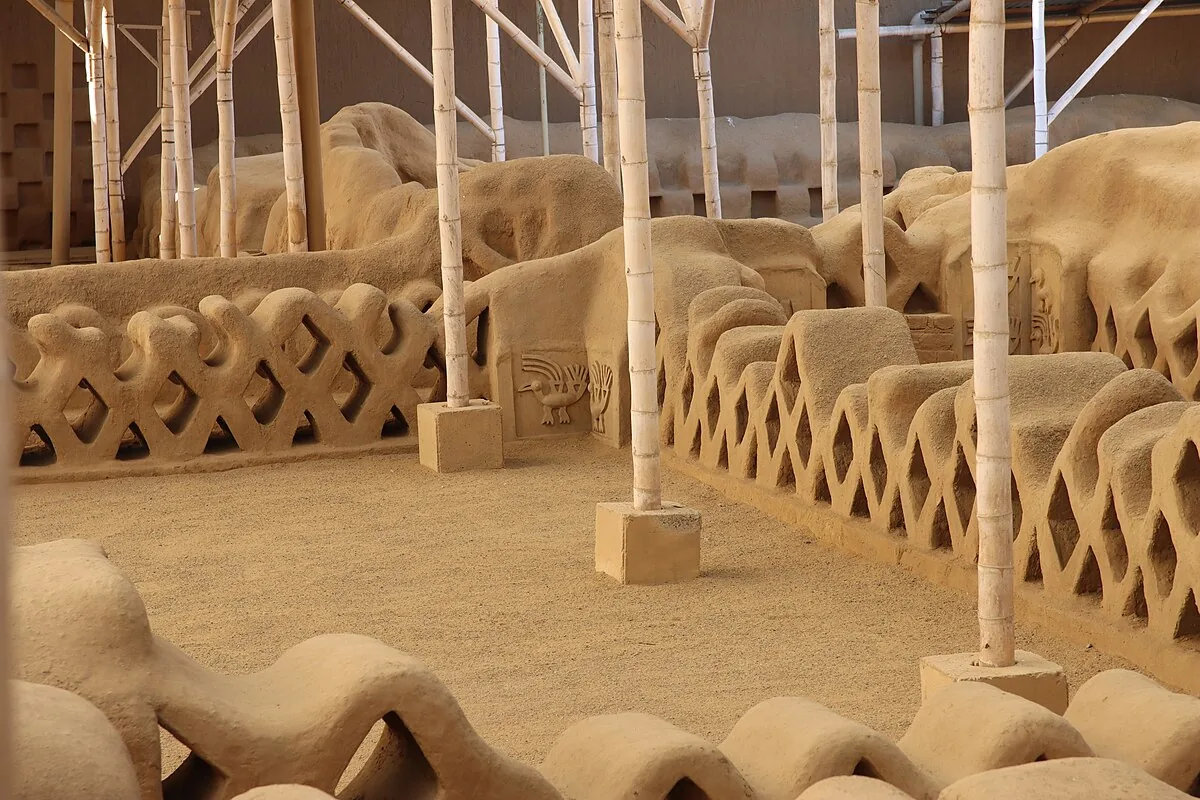
Chan Chan
The world largest mud-brick city and 15th-century capital of the Chimú Kingdom; spanning 20 square kilometres of intricate adobe friezes depicting marine life; the walls of the Nik An palace are etched with repetitive geometric patterns; walk the labyrinthine corridors at 10 am; the harsh desert sun highlights the relief of the sun-baked earth while the Pacific salt spray erodes the ancient clay.
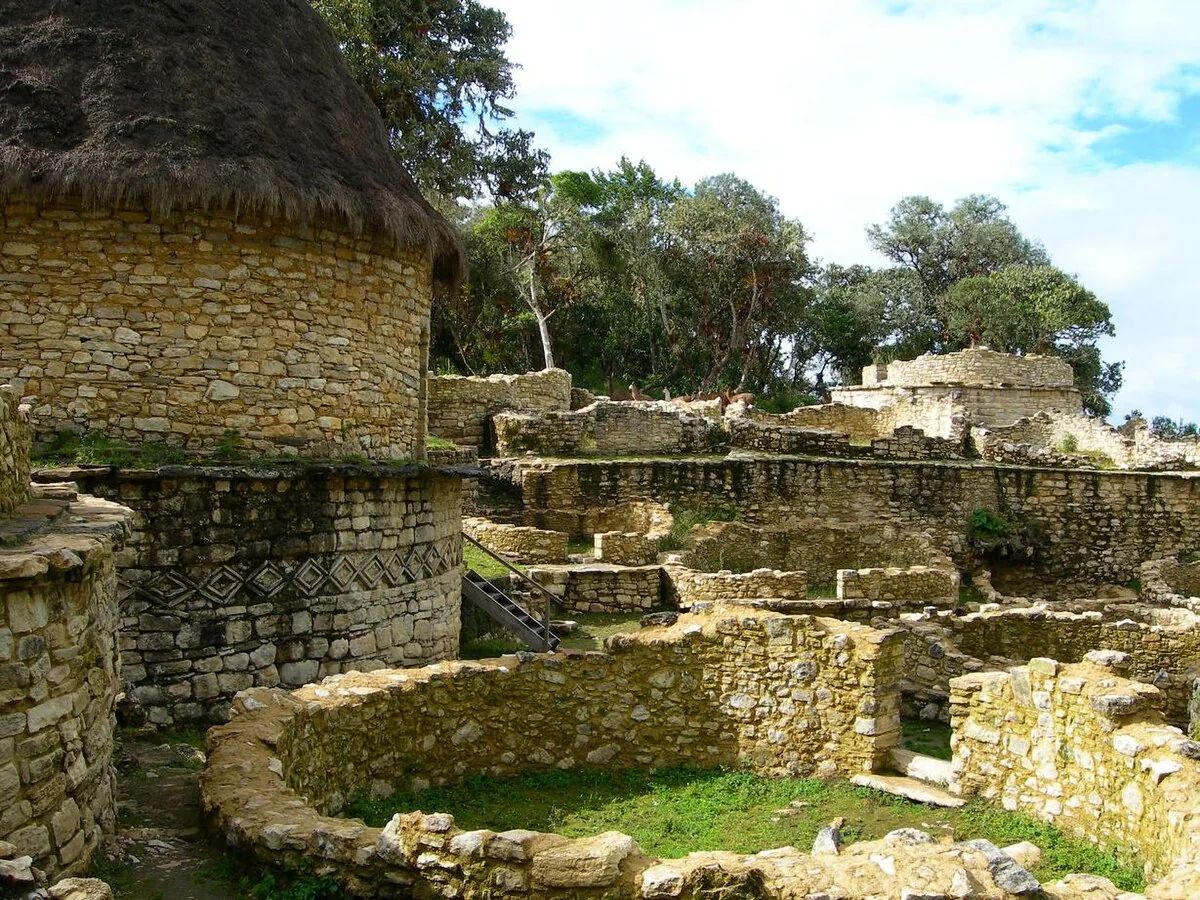
Kuélap
A massive 6th-century walled city perched on a limestone ridge at 3;000 metres; featuring 400 circular stone dwellings decorated with rhomboid friezes; the 'Warriors of the Clouds' built walls reaching 20 metres in height; enter through the narrow fortified passage at noon; the mist from the Utcubamba Valley often drifts through the moss-slicked ruins; creating a damp; prehistoric atmosphere far removed from the Cusco crowds.
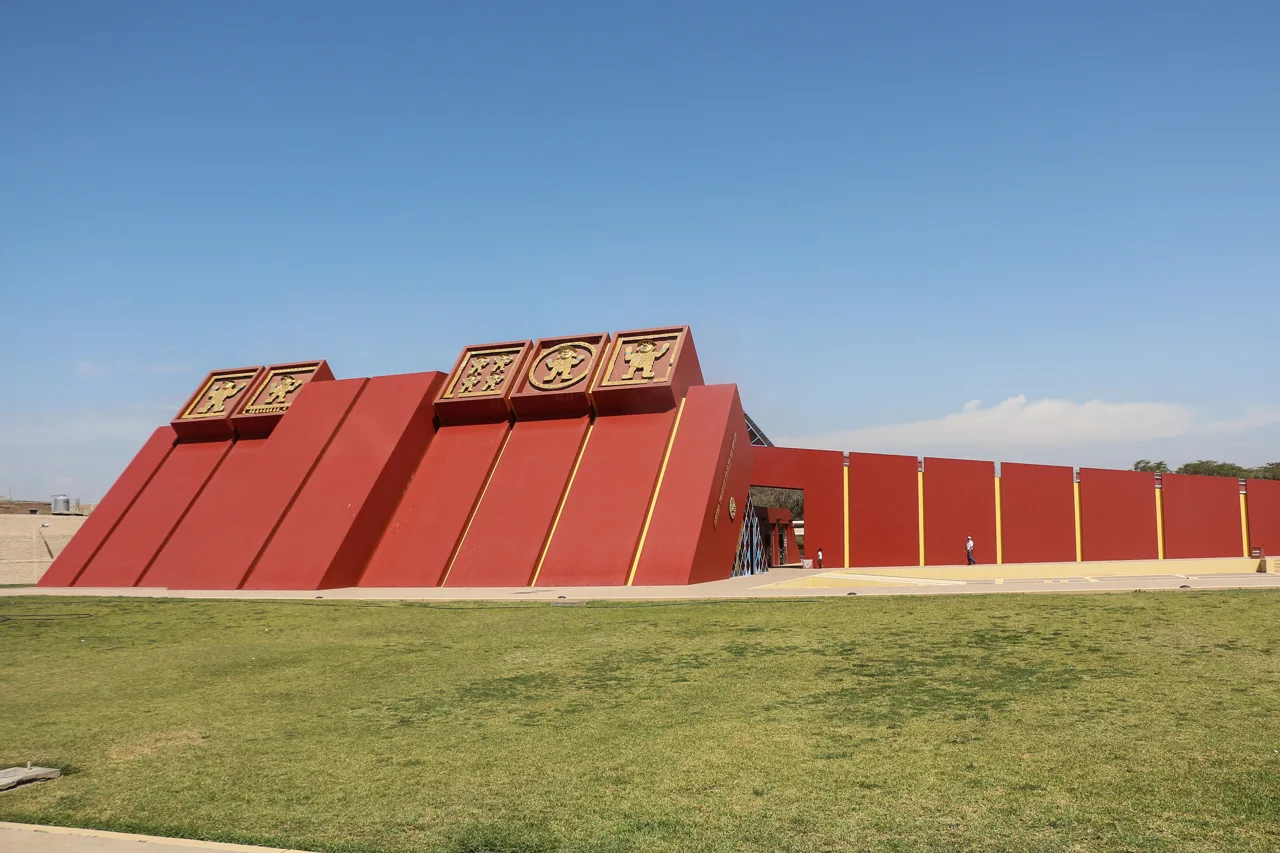
Museum of the Royal Tombs of Sipán
In 1987, a showdown with looters led to the discovery of an undisturbed royal tomb that has been called the Tutankhamun of the Americas.
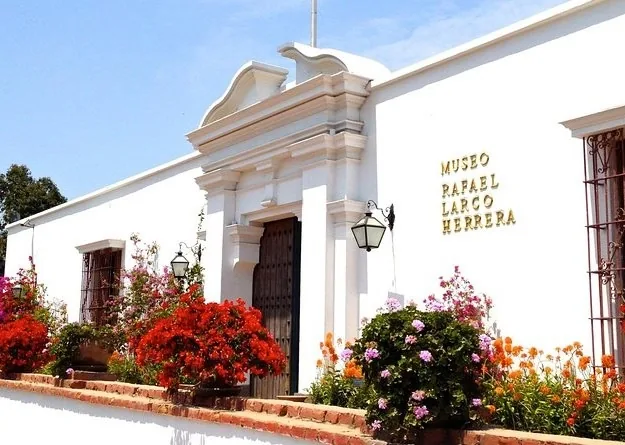
Museo Larco
An 18th-century vice-royal mansion built over a 7th-century pre-Columbian pyramid; housing 5;000 years of Peruvian history through its gold; textile; and world-renowned erotic pottery collections; the open-stack gallery allows for a rare tactile visual experience of thousands of ceramic vessels; visit the bougainvillea-choked courtyard at midday; the clinical light through the skylights illuminates the hammer-marks on Moche gold breastplates.
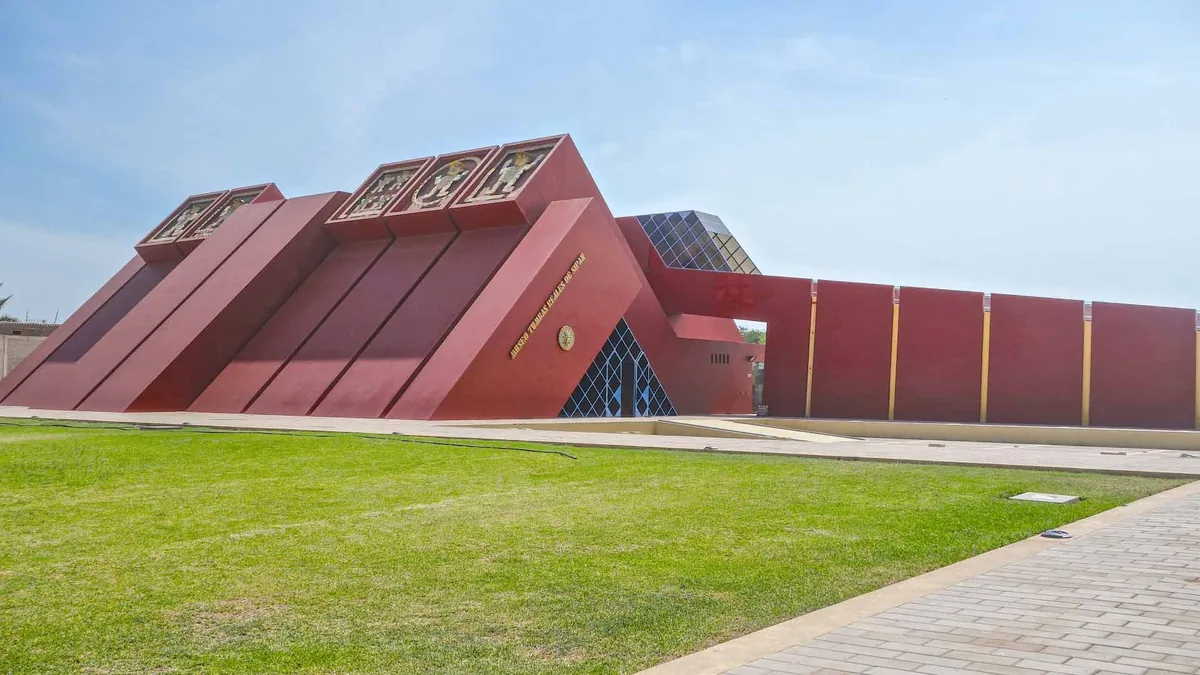
Museum of the Royal Tombs of Sipán
A modernist pyramid structure housing the unlooted tomb of a Moche warrior-priest from 300 AD; the collection includes intricate gold and turquoise ear ornaments and silver scepters; the entrance ramp is designed to mimic an archaeological excavation; stand before the Lord of Sipán display; the dark; clinical galleries focus the light on the hand-hammered gold; making the treasure appear to pulse against the shadows.
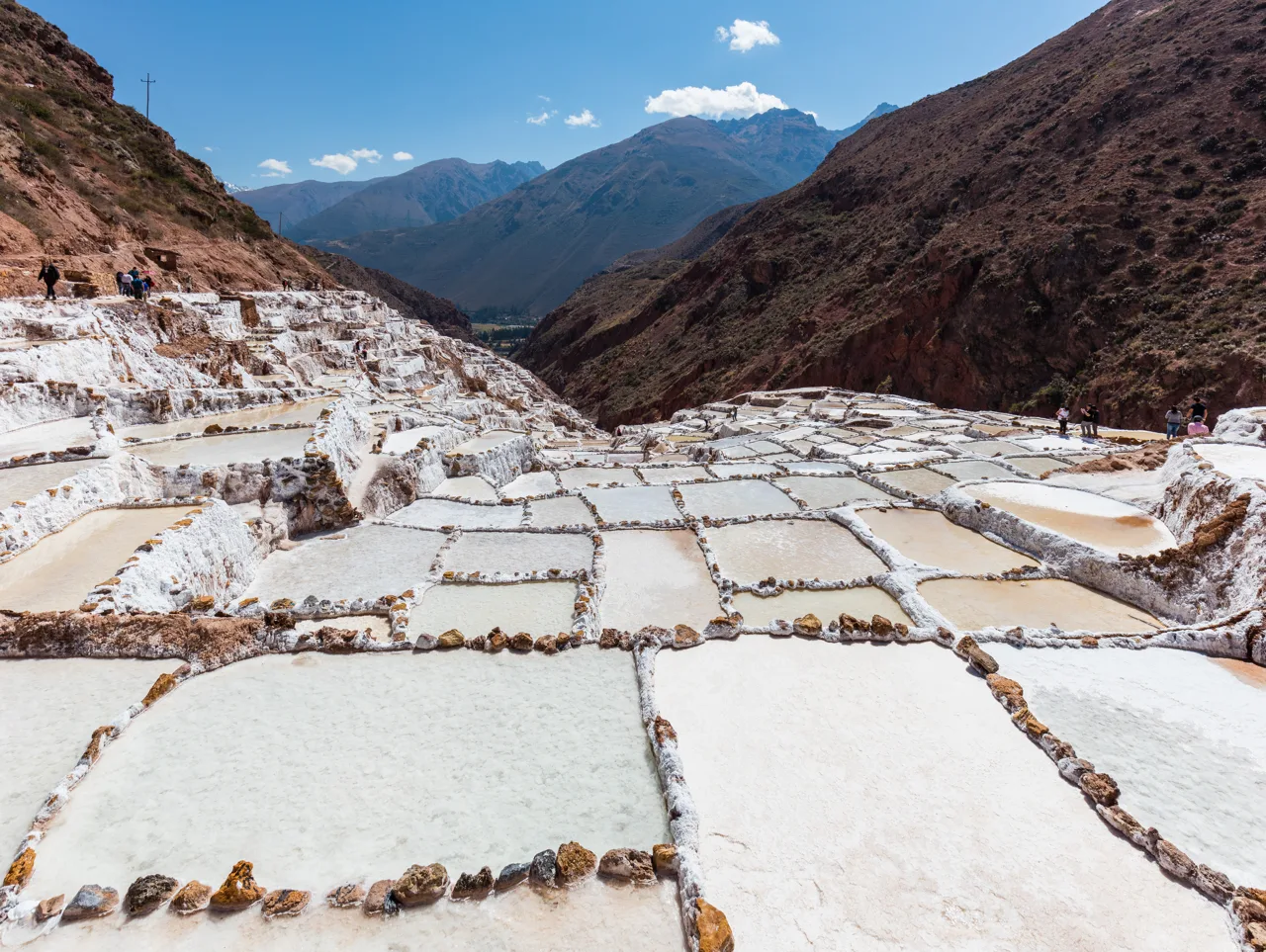
Salineras de Maras
Thousands of individual families still harvest salt from these three thousand ponds using a gravity-fed plumbing system designed before the Inca ever rose to power.
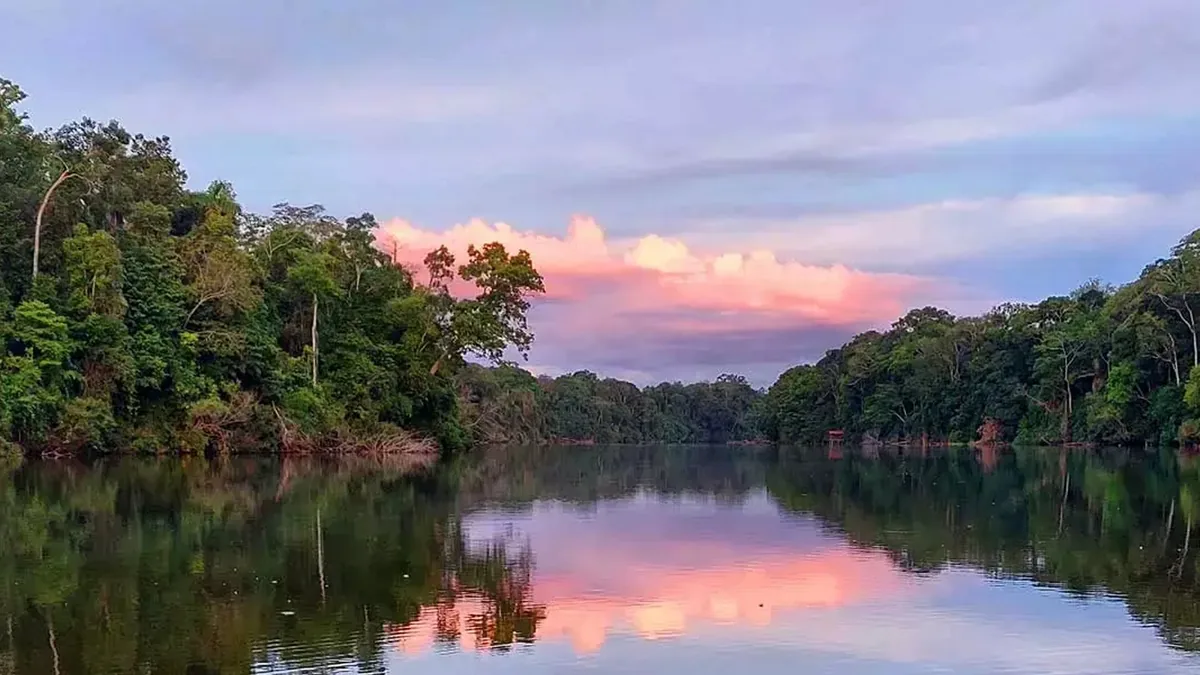
Manu Biosphere Reserve
A 1.7-million-hectare UNESCO site protecting the entire watershed from the Andean highlands to the lowland Amazon; this is the most biodiverse place on the planet; navigate the Manu River by dugout canoe in late August; the red clay banks are crowded with hundreds of macaws at the clay licks; the sound of their squawking is deafening while the air is saturated with the smell of river silt.