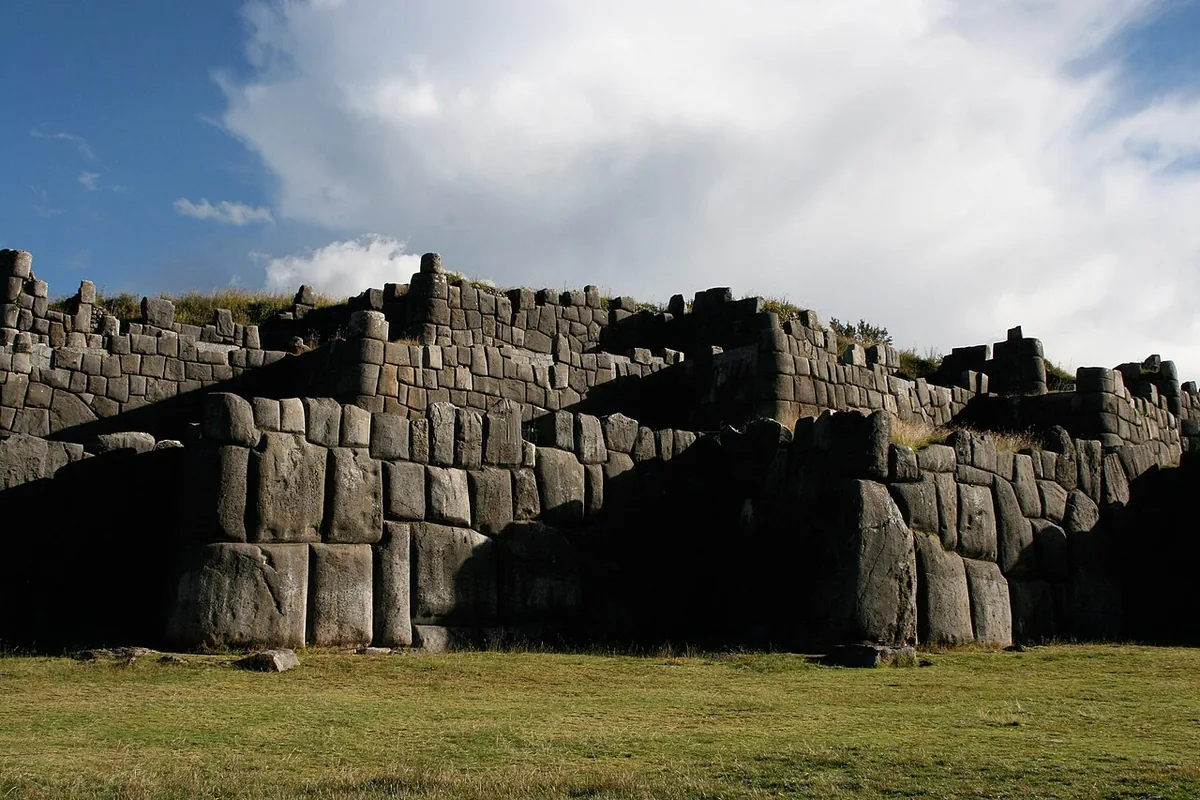
“Hidden from the world for four centuries, this granite city was built with such precision that a single blade of grass cannot fit between its massive, unmortared stones.”
About Machu Picchu
Machu Picchu was built during the golden age of the Inca Empire under the direction of Pachacuti. The site features over 200 structures, including temples, residences, and granaries, all connected by an intricate system of stone stairways. Unlike many other Inca sites, it was never destroyed by the Spanish, as its remote location kept it hidden from colonial eyes. Local families knew of its existence for generations, but it remained a scientific secret until the early 20th century. Following Bingham's 'discovery,' decades of excavation and restoration have turned it into a global icon of pre-Columbian history. In 1983, it was declared a UNESCO World Heritage site, and today it serves as the ultimate symbol of Peruvian national pride and indigenous heritage.
What Machu Picchu actually is
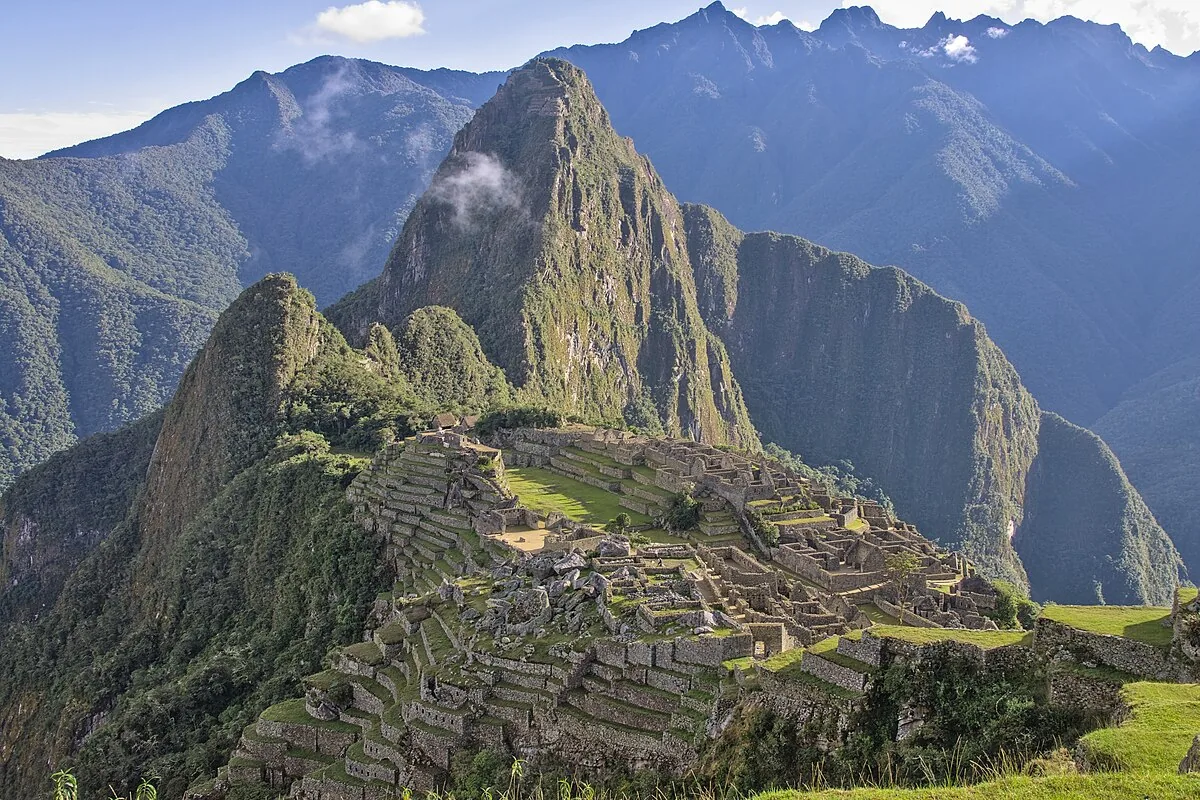
Clouds cling to the jagged emerald peaks of Huayna Picchu like torn silk, occasionally parting to reveal a citadel of white granite that seems to float between the Andes and the Amazon. Machu Picchu remains the ultimate proof of Inca ambition, a royal retreat built where the earth meets the sky. The area here feels thin and sharp, smelling of damp moss and the dry, mineral breath of ancient stone. You walk along narrow terraces that drop away into a vertical abyss, noticing the precision of the masonry where blocks weighing several tons join without a sliver of mortar between them. Overhead, the space is a rhythmic mix of the distant Urubamba River churning thousands of feet below and the soft, percussive footsteps of llamas grazing on the ceremonial plazas. It feels like standing in a masterclass of celestial engineering, where every window and stone was placed to catch the first rays of the winter solstice sun.
Clouds cling to the jagged emerald peaks of Huayna Picchu like torn silk, occasionally parting to reveal a citadel of white granite that seems to float between the Andes and the Amazon.
commissioned this estate, 1450
Pachacuti Inca Yupanqui, the ninth Inca ruler, commissioned this estate around 1450 at the height of the empire's expansion. It was a spiritual sanctuary and a royal residence, far removed from the political noise of Cusco. When the Spanish conquest toppled the empire, the invaders never found this mountain refuge, allowing it to be swallowed by the high-altitude cloud forest for centuries. Hiram Bingham, an American explorer, stumbled upon the ruins in 1911 guided by a local farmer, famously misidentifying it as the 'Lost City of the Incas.' Modern archaeology has since revealed it was a sophisticated hub of agricultural experimentation and astronomical observation. The site was abandoned only a century after its construction, likely due to the collapse of the imperial infrastructure rather than a specific siege, leaving a perfectly preserved skeleton of a civilization.
Climbing the steep stone steps toward
Climbing the steep stone steps toward the Guardian’s Hut, the altitude pulsing in your temples as the entire valley floor reveals itself in a dizzying panorama. What registers is the way the morning light strikes the Temple of the Sun, turning the cold grey granite into a warm, glowing gold. The grain of the stones varies from the rough-hewn walls of the common quarters to the silk-smooth finish of the Intihuatana, the 'hitching post of the sun.' There is a profound sense of quiet when the first groups of the day move toward the lower ruins, leaving the upper terraces in a state of mountain solitude. First, the sophisticated drainage systems, small stone channels that still carry rainwater away with the same efficiency they did five hundred years ago. The most evocative moment is leaning against a sun-warmed wall and watching the mist dissolve, realizing that the entire city was built to harmonize with the mountains rather than conquer them.
Most travelers reach this sanctuary
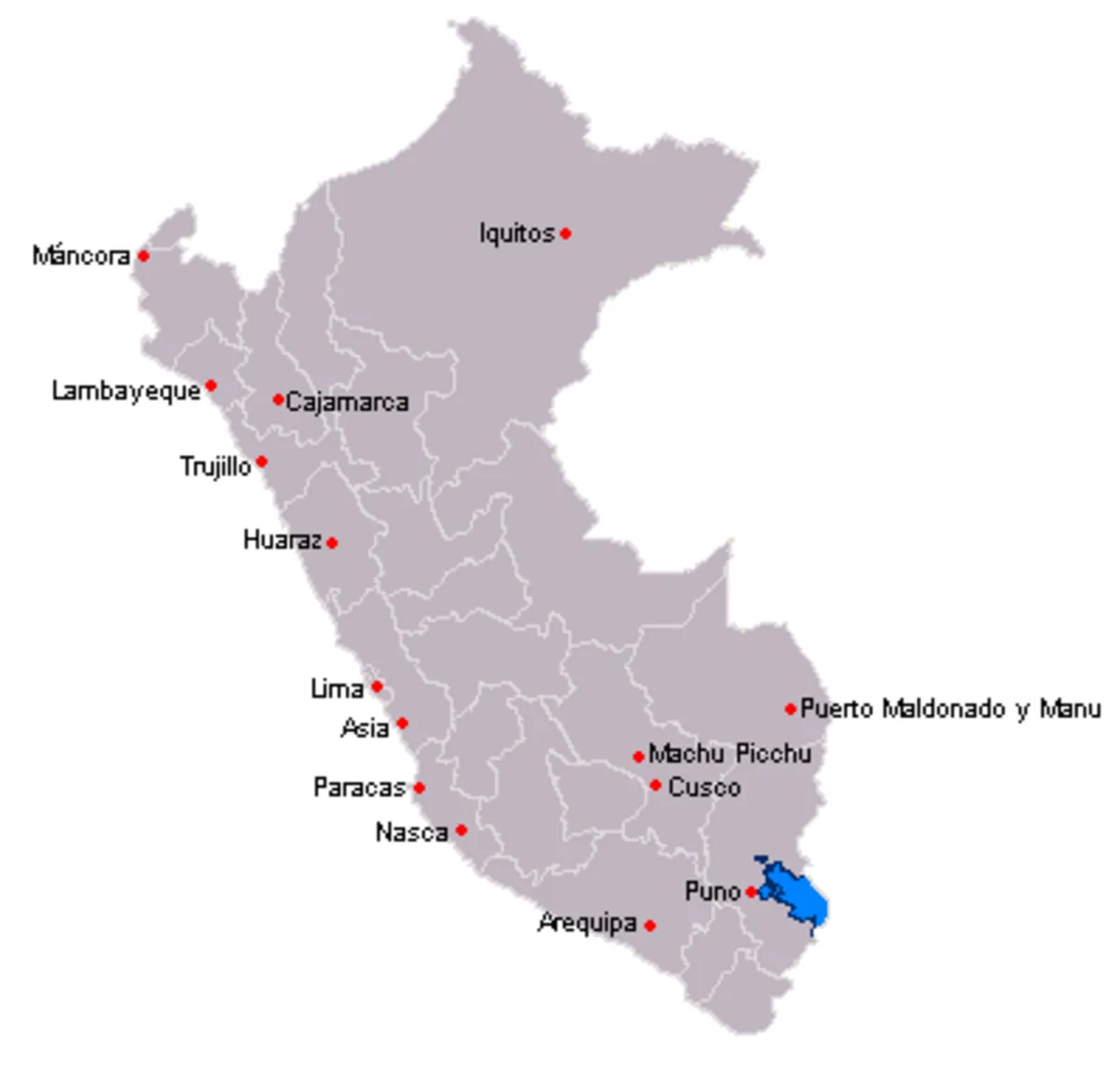
Most travelers reach this sanctuary by taking the train from Cusco or Ollantaytambo to Aguas Calientes, the lively town at the base of the mountain. From there, a fleet of buses zig-zags up the Hiram Bingham Highway, a hair-raising series of switchbacks that climb toward the entrance. For those seeking a slower immersion, the classic four-day Inca Trail offers the reward of entering through the Intipunku, or Sun Gate, at dawn. Access is strictly regulated through timed entry tickets, and hiring a certified guide is a requirement for entry. Arriving with the 6:00 AM slot provides the best light for photography and the highest chance of seeing the ruins before the heavy afternoon clouds roll in from the jungle.
Most travelers reach this sanctuary by taking the train from Cusco or Ollantaytambo to Aguas Calientes, the lively town at the base of the mountain.
The Experience
The energy at Machu Picchu is one of hushed, architectural reverence. The first thing you register is the smell of wet earth and tropical vegetation, a heavy green scent that reminds you that the Amazon basin begins just beyond these peaks. Part of the cool temperature of the morning mist on your face, which slowly gives way to the intense heat of the high-altitude sun. The light is extraordinarily sharp, casting long, dramatic shadows across the agricultural terraces. The clatter of the wind whistling through the windows of the Three Windows Temple, a hollow, haunting noise that echoes the city's abandonment. The most striking detail is the sheer verticality of the surrounding peaks, which make the city feel like a fragile nest perched on the edge of the world.
Why It Matters
Machu Picchu is the most significant archaeological site in South America and a masterpiece of landscape integration. It represents the height of Inca social organization and their profound understanding of hydraulics, astronomy, and structural engineering. Humanly, it works as a monument to the resilience of a culture that built a heaven on earth in one of the most challenging environments on the planet.
Why Visit
No photograph can prepare you for the physical scale of the architecture or the gravity-defying location. While other ruins are impressive, Machu Picchu is transcendent. You come here to stand at the intersection of a lost empire and the wild mountains, and to witness the exact moment when human ingenuity perfectly mirrored the natural world. It is the only place where the stones feel as alive as the mountains they came from.
✦ Insider Tips
- 1
Climb to the Sun Gate (Intipunku) for a perspective that shows the city within its wider mountainous context, a view most visitors skip in their rush to the central ruins.
- 2
Book your entry tickets at least three months in advance, especially if you intend to climb Huayna Picchu or Machu Picchu Mountain.
- 3
Carry a reusable water bottle; single-use plastics are strictly prohibited at the site and guards will confiscate them at the gate.
- 4
The sun at 2,430 meters is deceptively strong even when it's cloudy; apply high-factor sunscreen every two hours.
- 5
Visit the Intimachay, a small cave-temple used to track the solstice, which remains one of the quietest and most mysterious corners of the citadel.