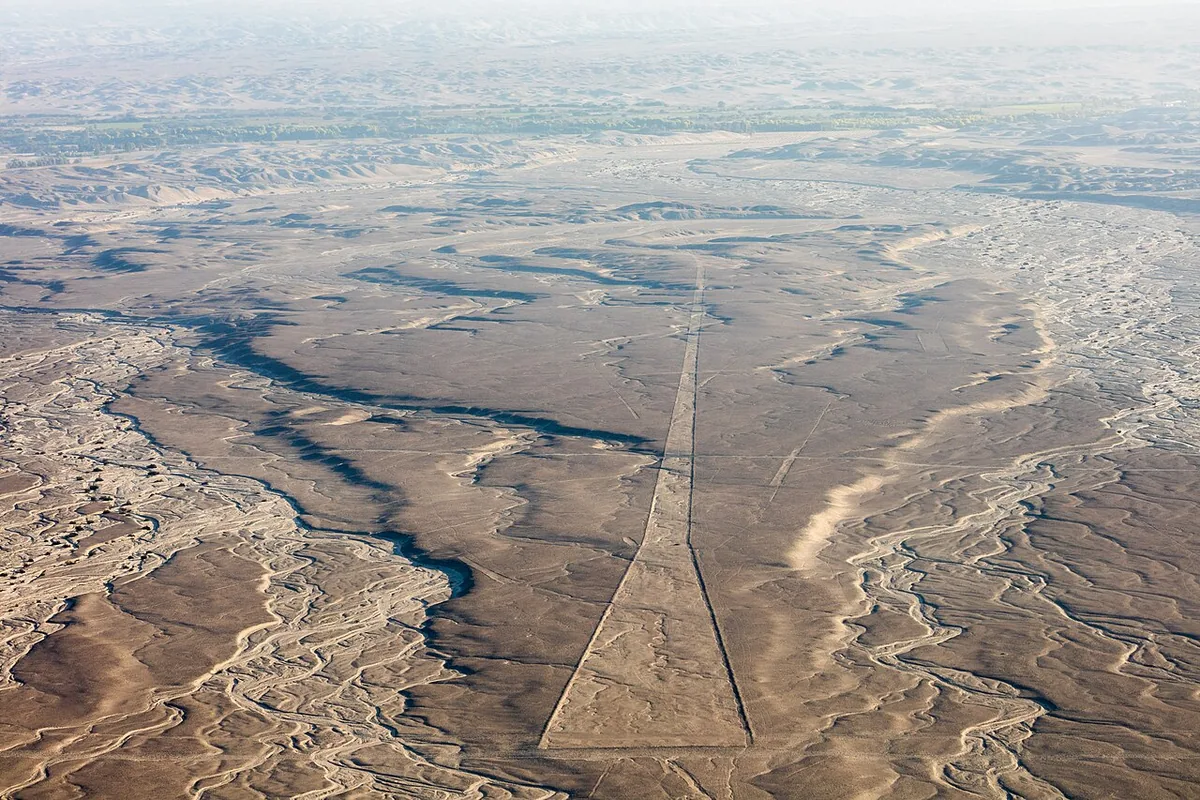
This forty-kilometer stone staircase was built by an empire without the wheel, designed as a sacred pilgrimage through the clouds that ends at the world's most famous hidden city.
About Inca Trail
The Inca Trail was part of a 40,000-kilometer network that was the literal spine of the Inca administration. This particular stretch was likely a restricted path, used only for religious purposes and by the 'Chasquis' (runners) who carried messages across the empire in record time. Following the fall of Machu Picchu, the trail was largely forgotten by the Spanish, who stayed in the valleys. It wasn't until the 1940s that the full extent of the trail was mapped by archaeological expeditions. Today, it is one of the most heavily regulated trekking routes in the world, serving as a model for sustainable adventure tourism.
What The Inca Trail is
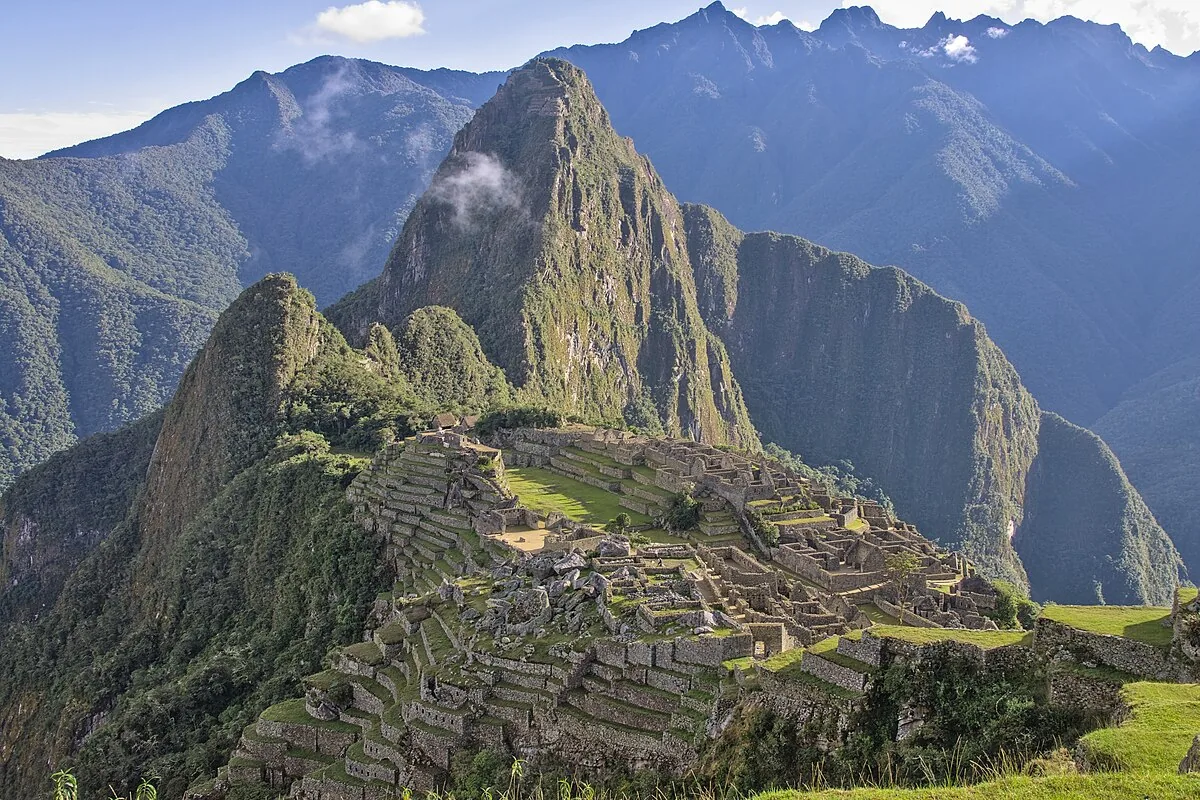
Winding through the dramatic folds of the Vilcabamba mountain range, the Inca Trail is more than just a path; it is a four-day ritual of stone and sky. This ancient route is a small fragment of the 'Qhapaq Ñan,' the massive road network that once bound the Inca Empire from Ecuador to Chile. The trail takes hikers through a staggering diversity of landscapes, from the dry, cactus-dotted slopes of the Urubamba River to the high, oxygen-starved mountain passes and finally into the humid, orchid-filled cloud forests. The path itself is a marvel of engineering, featuring thousands of hand-cut stone steps and narrow tunnels carved directly into the granite. It culminates in a sunrise view of Machu Picchu from the Sun Gate, a reward that feels earned through sweat, sore muscles, and a profound connection to the landscape.
“Winding through the dramatic folds of the Vilcabamba mountain range, the Inca Trail is more than just a path; it is a four-day ritual of stone and sky.”
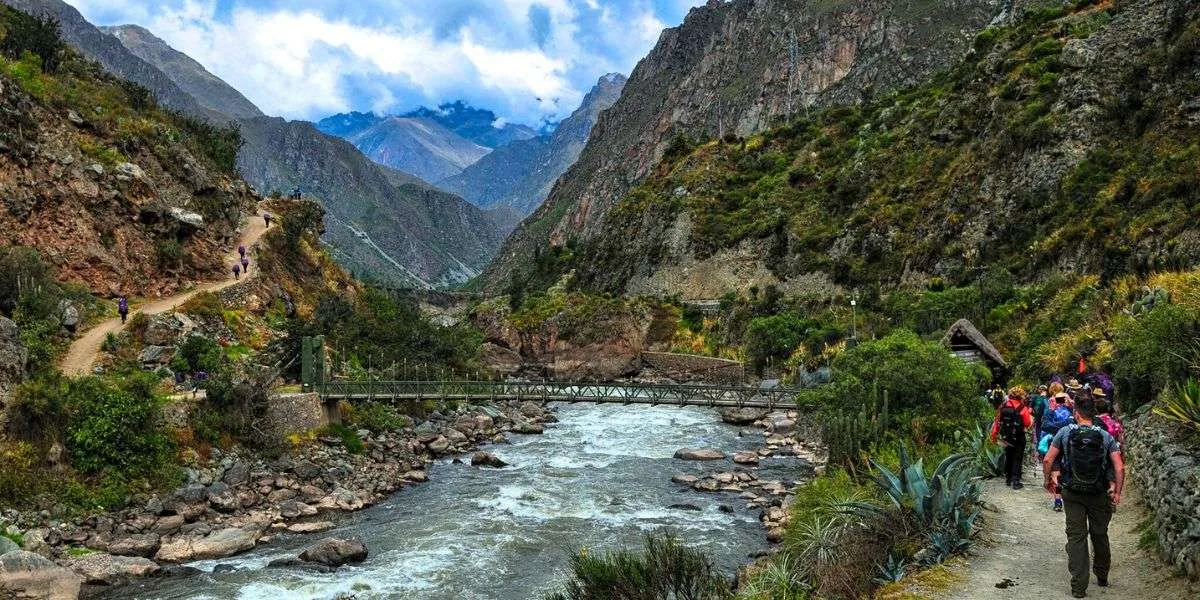
Inca Trail, Peru
Starting at 'Kilometer 82,' The sound
Starting at 'Kilometer 82,' The sound of the raging Urubamba River quickly fades as you begin the first ascent. The room is crisp and carries the scent of wild sage and damp earth. The grain of the stones beneath your boots, worn smooth by the passage of millions of pilgrims and porters over the centuries. Reaching 'Dead Woman’s Pass' at 4,215 meters, The thinness of the air in your chest and the sudden, biting cold of the wind. The light shift from the harsh, high-altitude sun to the soft, diffused glow of the cloud forest at 'Sayacmarca.' Most visitors overlook the incredible variety of orchids, over 300 species, that cling to the mossy banks near the trail. First, the rhythmic breathing of the porters as they pass you with heavy loads, a humbling reminder of the physical demands of this ancient terrain.
The Inca Trail officially begins
The Inca Trail officially begins at Kilometer 82 of the railway from Cusco to Aguas Calientes. You cannot hike the trail independently; you must go with a licensed tour operator and a professional guide. Permits are strictly limited to 500 per day (including porters and guides) and often sell out six months in advance. Most treks begin with a pre-dawn bus ride from Cusco to the trailhead. The four-day journey covers roughly 42 kilometers, ending at the Sun Gate (Intipunku) on the final morning, followed by a guided tour of the Machu Picchu ruins below.
Why it matters
The Inca built this specific branch of the road in the 15th century as a royal processional route for the Sapa Inca and his elite retinue. It was designed to be a spiritual journey, passing several minor archaeological sites, each with its own ceremonial purpose, before reaching the sacred citadel. After the Spanish conquest, the trail was abandoned and quickly reclaimed by the jungle, which ironically protected it from the destruction that befell other Inca sites. It remained unknown to the western world until the early 20th century, though local Quechua families had used sections of it for generations. In the 1970s, it was 'rediscovered' for tourism, and by the 2000s, the Peruvian government implemented a strict permit system to prevent the fragile ecosystem and stonework from being overwhelmed by its own fame.
The Experience
The way the mist rolls up from the valley at 'Wiñay Wayna,' obscuring the ruins one moment and revealing them the next like a theatrical curtain. Nearby, the mountain silence is profound, broken only by the occasional cry of a mountain hawk or the rustle of a llama in the grass. There is a sense of shared purpose with your fellow hikers, bonded by the collective struggle of the climbs and the shared awe of the scenery. Most visitors miss the tiny 'Inca tunnels' where the road was carved directly through a mountain ridge to maintain the gradient. The piece that stays with you is the 'Gringo Killer' stairs, the final, vertical climb to the Sun Gate, where the first glimpse of Machu Picchu makes the previous three days of effort feel like a small price to pay.
Why It Matters
The Inca Trail is the most iconic hiking route in South America and a masterpiece of ancient civil engineering. It provides the essential context for understanding Machu Picchu, showing that the citadel was not an isolated ruin but the climax of a carefully planned sacred landscape. It remains a vital source of income for the Quechua-speaking porters who are the backbone of the modern trekking industry.
Why Visit
Visit the Inca Trail if you want to earn your view of Machu Picchu. While the train is comfortable, it robs you of the dramatic reveals and the spiritual buildup that the Inca intended. It is the best place in the world to see how an ancient civilization integrated their architecture with the impossible verticality of the Andes.
Insider Tips
- 1
Book your permit at least six months in advance; there are no 'last minute' spots for the classic Inca Trail.
- 2
Bring a set of high-quality trekking poles; the descent on the third and fourth days involves thousands of stone steps that are brutal on the knees.
- 3
Tip your porters generously at the end of the trek; they are the hardest working people on the trail and their physical feats are extraordinary.
- 4
Pack a headlamp for the pre-dawn hike on the final day; the path to the Sun Gate is narrow and can be dangerous in the dark.
- 5
Carry several small bags of coca leaves to share with your porters; it is a traditional gesture of respect and helps everyone manage the altitude.