“In 1987, a showdown with looters led to the discovery of an undisturbed royal tomb that has been called the Tutankhamun of the Americas.”
About Museum of the Royal Tombs of Sipán
The Moche culture thrived on the northern coast of Peru between 100 and 700 AD, creating the most realistic ceramic art in the pre-Columbian world. The discovery at Sipán provided the first physical evidence of the 'Warrior-Priests' that had previously only been seen in Moche iconography. Walter Alva's work at the site was a landmark in Peruvian archaeology, moving the focus of study from the highland Inca to the coastal desert. The museum itself was funded largely by the regional government and private donations, representing a rare example of a world-class cultural institution located outside the capital city. It continues to be a site of active research, as new tombs and artifacts are still being unearthed in the surrounding valley.

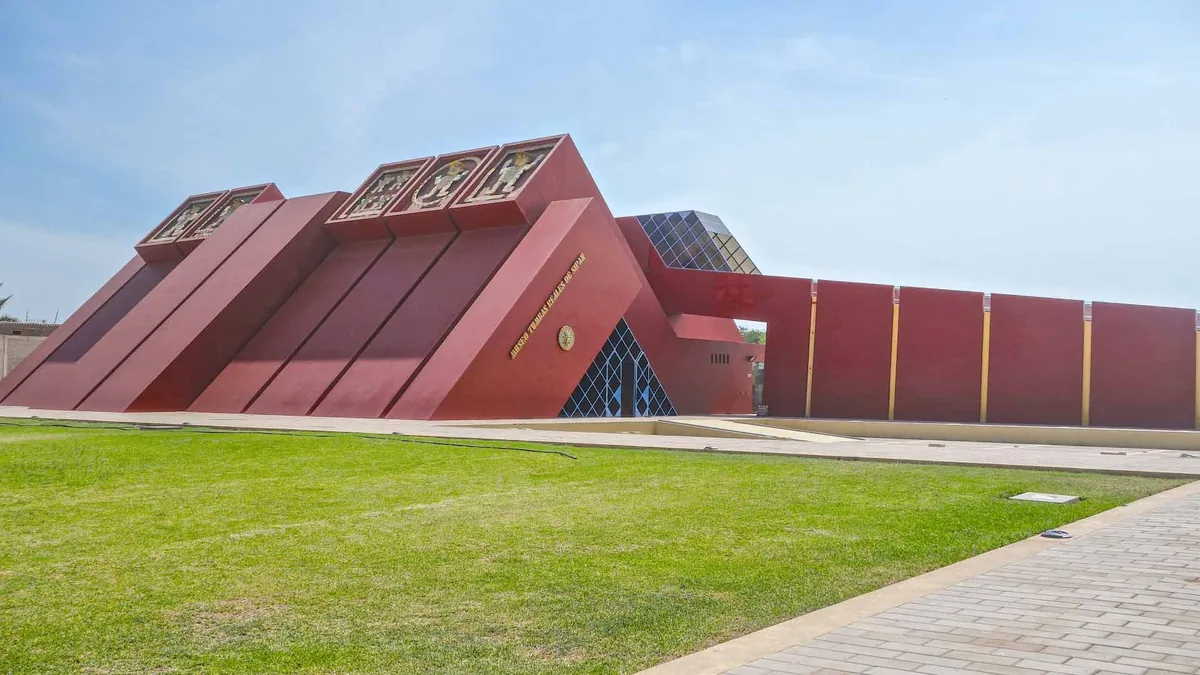
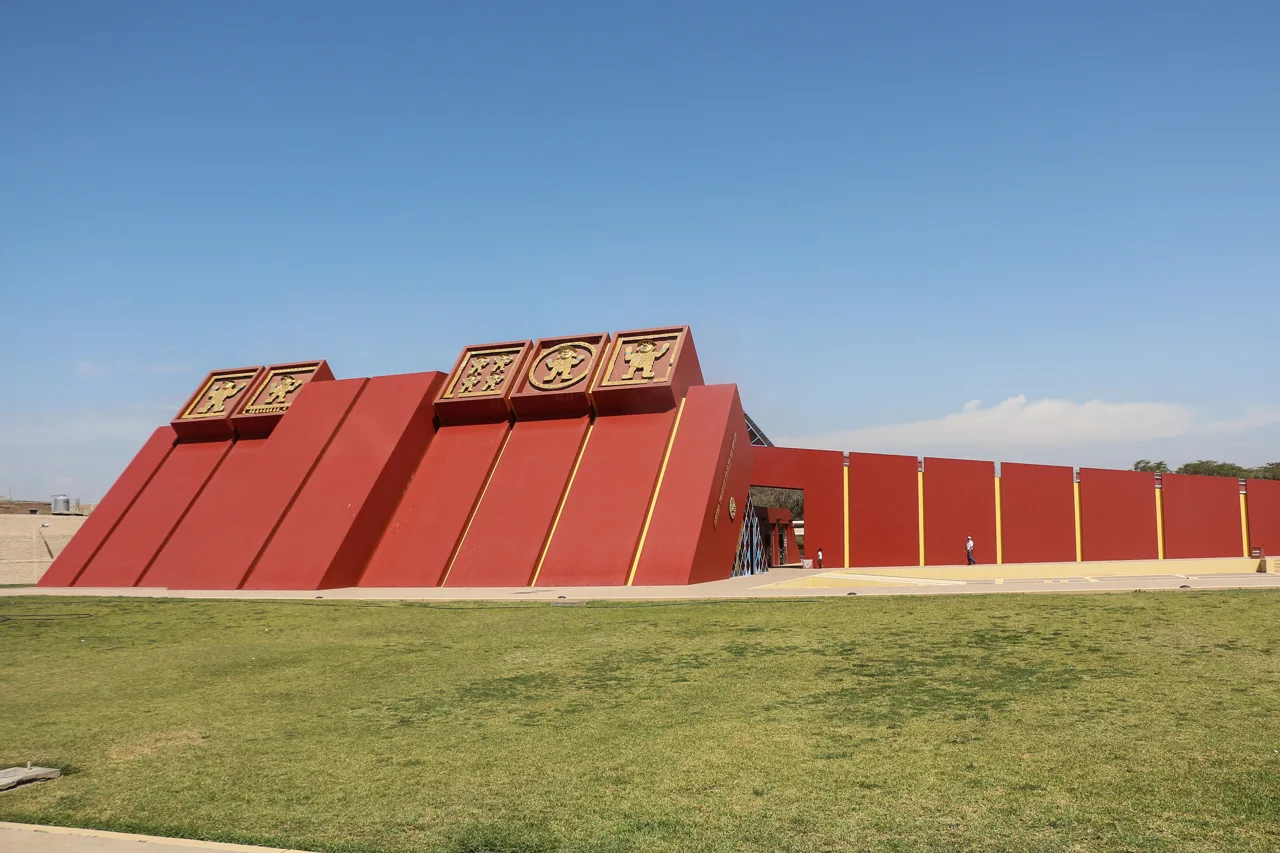
Rising from the desert plains near Lambayeque like a modern blood-red pyramid, the Museum of the Royal Tombs of Sipán houses what is widely considered the most significant archaeological find in the Americas. This world-class institution was built specifically to hold the staggering treasures of the Lord of Sipán, a Moche ruler whose undisturbed tomb was discovered in 1987. The museum’s architecture is a direct homage to the truncated pyramids of the Moche culture, with a long ramp that leads visitors into the dark, climate-controlled heart of the collection. Inside, the glint of hammered gold, silver, and turquoise is overwhelming, revealing a level of craftsmanship that rivals the best of ancient Egypt or Mesopotamia. It is a place of deep shadows and brilliant metal, designed to make the visitor feel like they are descending into the very earth where these kings lay hidden for over 1,700 years.
This world-class institution was built specifically to hold the staggering treasures of the Lord of Sipán, a Moche ruler whose undisturbed tomb was discovered in 1987.

In 1987, local looters began finding high-quality gold artifacts at a site called Huaca Rajada. Alerted to the discovery, archaeologist Walter Alva moved quickly to secure the site with the help of the local police. What he found changed Peruvian history: the first unlooted tomb of a high-ranking Moche lord, buried with his wives, guards, and a staggering array of ceremonial ornaments. The discovery proved that the Moche were not just a simple agrarian society but a highly stratified and artistically sophisticated civilization. The museum was opened in 2002 to house these treasures after they had toured the world, ensuring they remained in the region where they were found. The 'Lord of Sipán' has since become a symbol of northern Peruvian identity, a figure of royal power who predates the Inca by a millennium.
Walking up the long exterior ramp, you notice the silence of the surrounding desert and the heat reflecting off the red concrete walls. The sound changes as you enter the museum, becoming a muffled, respectful hush as your eyes adjust to the low light. You notice the smell of cool, filtered air, a sharp contrast to the dusty warmth outside. The displays are arranged chronologically, leading you through the layers of the excavation. You notice the intricate detail on the gold earspools, which depict miniature warriors no larger than a thumbnail, each with moving parts. You feel a sense of solemnity in the room where the Lord’s actual remains are displayed in their original burial position. Most visitors miss the display of the 'decapitator' god, a terrifying deity that reveals the darker, sacrificial side of Moche religion. You notice the iridescent sheen of the spondylus shells, which were more valuable than gold to the ancient people of the coast.
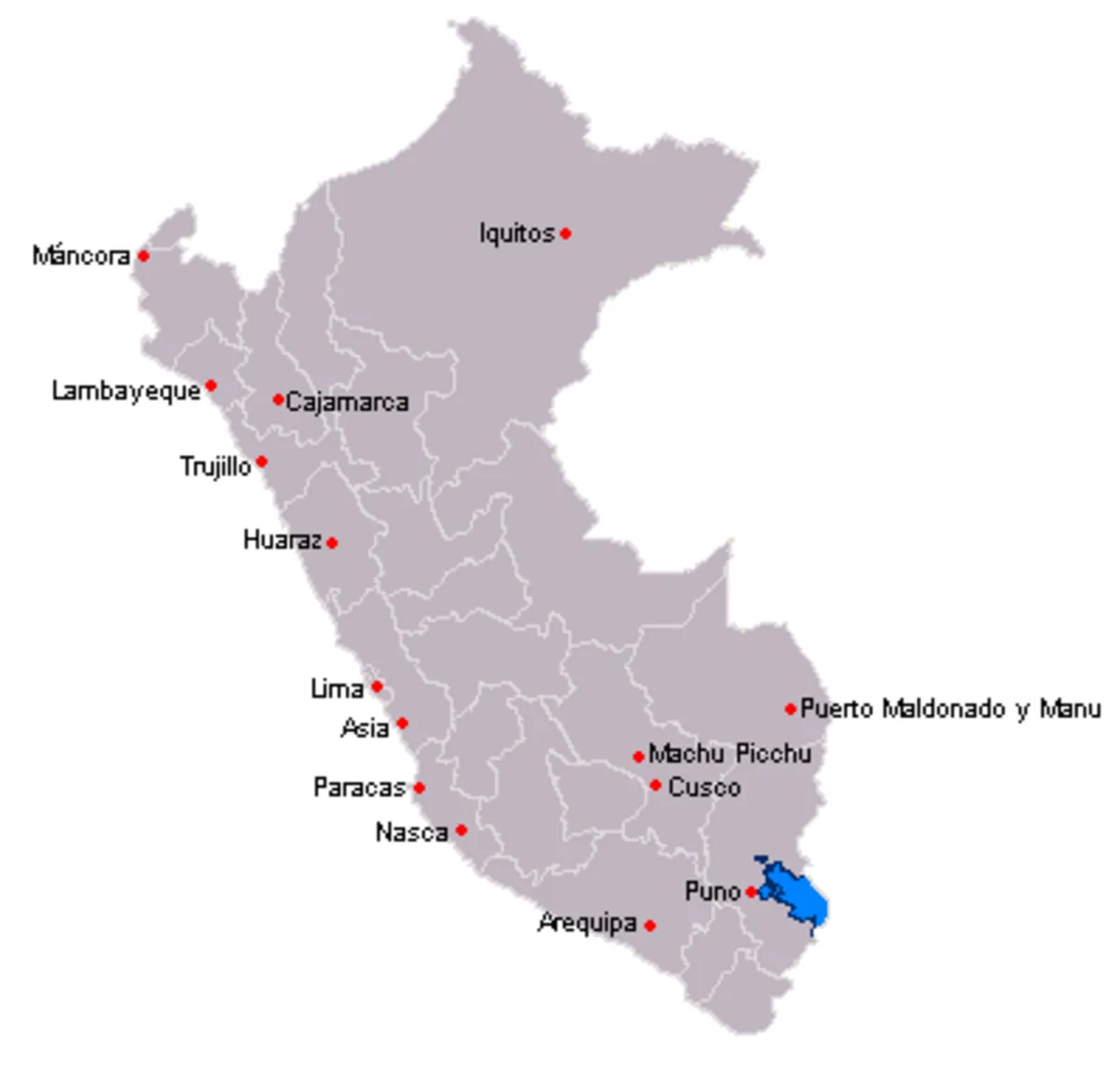
The museum is located in the town of Lambayeque, about a 15-minute taxi or bus ride from the city of Chiclayo. Chiclayo is accessible by a one-hour flight from Lima or a nine-hour bus journey along the Pan-American Highway. The museum is a major destination in northern Peru and is very well-organized for international visitors. Be aware that photography is strictly prohibited inside the museum to protect the artifacts and maintain the reverent atmosphere, and all bags and cameras must be left in secure lockers at the entrance.
The museum is located in the town of Lambayeque, about a 15-minute taxi or bus ride from the city of Chiclayo.
The Experience
You notice the way the gold seems to glow from within the black display cases, a testament to the purity of the metal and the skill of the Moche smiths. The sound of your own footsteps is the only thing that breaks the concentration as you move from one masterpiece to the next. You feel a chill in the air as you look at the skeletons of the 'sentinels'—guards who were buried with their feet cut off so they could never leave their post in the afterlife. Most visitors are so distracted by the gold that they overlook the incredibly complex textiles and feathered capes that have survived nearly two millennia in the dry sand. The moment that stays with you is standing before the Lord's full regalia, realizing that every piece was once worn by a living man who commanded the life and death of a valley.
Why It Matters
The Museum of the Royal Tombs of Sipán is the most important repository of Moche culture in the world. It provides the definitive evidence of the complexity of pre-Inca coastal societies. The discovery and subsequent museum have been instrumental in curbing the illicit trade in antiquities in Peru, proving that these treasures are far more valuable to the nation when preserved in a public museum than in private collections.
Why Visit
Visit this museum to see the peak of ancient American craftsmanship. While Machu Picchu is about the stone, Sipán is about the metal and the person. It is the best place in the world to understand the absolute power and divine status of an ancient king, presented in a building as dramatic as the story it tells.
✦ Insider Tips
- 1
Leave your camera in the hotel or your tour bus; they are not allowed in the building and the locker line can be long.
- 2
Visit the Túcume pyramids on the same day; they are nearby and provide the environmental context for the Moche and later Sican cultures.
- 3
Take a guided tour in your preferred language; the symbolism of the artifacts is too complex to understand by just looking at the labels.
- 4
Try the local 'King Kong' sweet in Lambayeque town afterward; it is a giant layered pastry that is the region's culinary trademark.
- 5
The museum is closed on Mondays, so plan your northern itinerary accordingly.