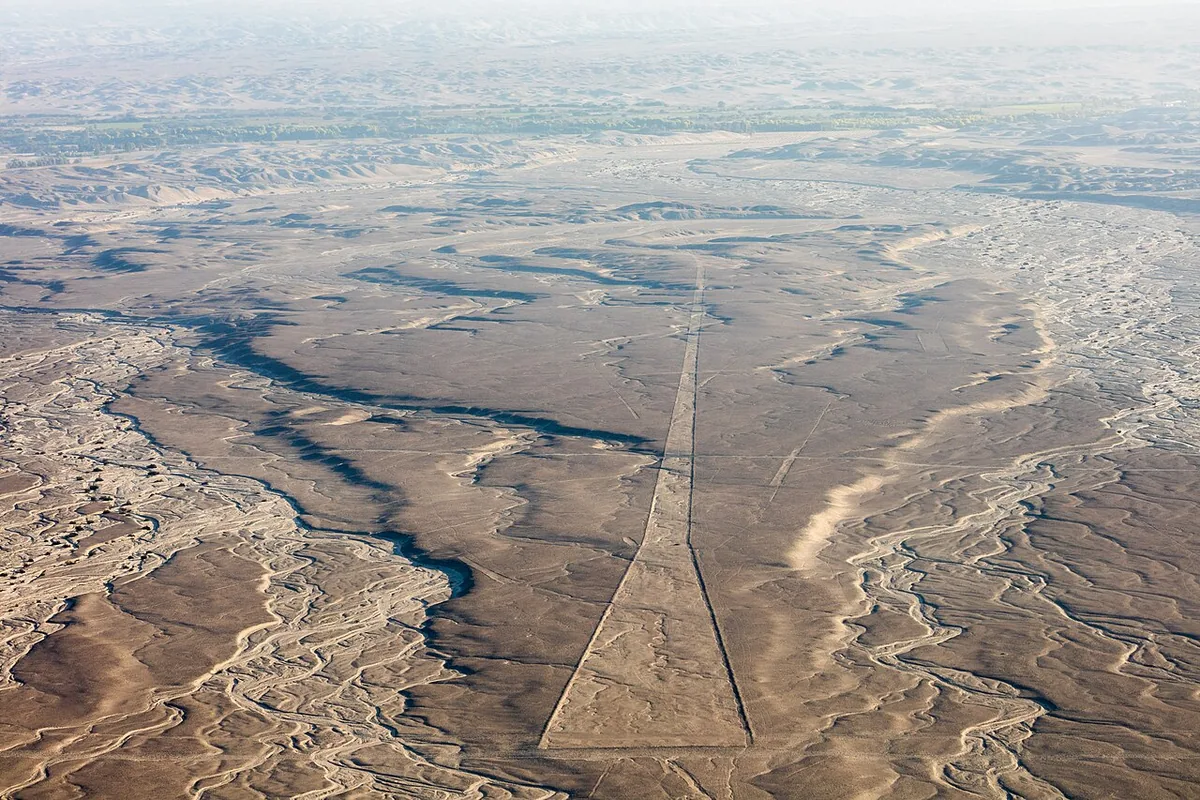
In this 'Jungle of Mirrors,' the water is so dark and still that you can't tell where the river ends and the Amazonian sky begins.
About Pacaya-Samiria National Reserve
The reserve's history is deeply tied to the ebb and flow of the Amazon's water levels, which can fluctuate by over ten meters between the wet and dry seasons. In the early 20th century, the area was exploited for its timber and animal skins, but the establishment of the reserve in the 80s turned the tide toward conservation. Today, it is a vital laboratory for scientists studying climate change and aquatic biology. The Cocama people have successfully transitioned from hunters to protectors, managing turtle nesting sites and piranha populations to ensure the jungle remains as vibrant for their grandchildren as it was for their ancestors.
Deep in the Peruvian Amazon, where the Marañón
Deep in the Peruvian Amazon, where the Marañón and Ucayali rivers converge to form the mighty Amazon, lies the Pacaya-Samiria National Reserve. This is the 'Jungle of Mirrors,' a vast flooded forest where the dark, tannin-rich waters perfectly reflect the sky and the towering lupuna trees. Spanning over two million hectares, it is one of the largest protected areas in Peru and a stronghold for the Amazon's most iconic species. The landscape is a labyrinth of black-water lagoons, winding creeks, and floating meadows that shift with the seasonal rains. The room is thick, humid, and smelling of wet earth and blooming orchids. It is a world where the line between water and forest is blurred, offering a level of biodiversity that feels almost overwhelming to the uninitiated observer.
“Deep in the Peruvian Amazon, where the Marañón and Ucayali rivers converge to form the mighty Amazon, lies the Pacaya-Samiria National Reserve.”
Pacaya-Samiria National Reserve, Peru
Established, 1982
Established in 1982, the reserve was created to protect the fragile ecosystems of the Amazonian floodplains and the diverse wildlife that depends on them. Unlike many national parks that exclude human presence, Pacaya-Samiria is home to over 40,000 people from the Cocama-Cocamilla ethnic group who live in small communities along the riverbanks. These 'ribereños' serve as the reserve's guardians, participating in sustainable fishing and palm harvesting programs that prove humans and the jungle can coexist. The reserve's name comes from the two rivers that define its boundaries, the Pacaya and the Samiria. Historically, this region was a frontier for rubber tappers and explorers, but today it is a model for community-led conservation in South America.
Drifting quietly in a dugout canoe at dawn
Drifting quietly in a dugout canoe at dawn, The way the mist rises from the black water like steam. The sound is a dense, multi-layered wall of noise, the screech of macaws, the rhythmic clicking of insects, and the sudden, explosive splash of a caiman retreating from the bank. The pink river dolphins breaking the surface with a soft huff, their rosy skin startlingly bright against the dark river. A sense of oppressive, damp heat on your skin, a mark of the jungle's power to reclaim anything that stays still for too long. The light at midday is filtered through a thousand layers of green, creating a cathedral-like atmosphere beneath the canopy. People often miss the tiny poison dart frogs that cling to the buttress roots of the giant trees, their neon colors a warning to the unwary. First, the sheer scale of the Victoria amazonica lilies, their pads large enough to support a small child.
The way into Pacaya-Samiria is the city
The way into Pacaya-Samiria is the city of Iquitos, which is itself accessible only by air or boat. From Iquitos, a two-hour drive takes you to the port of Nauta, where you board a riverboat to enter the reserve. Most visitors choose to explore via multi-day river cruises or by staying in eco-lodges located on the fringes of the protected area. Inside the reserve requires a permit and a licensed guide, as the maze of waterways is impossible to navigate without local knowledge.
“The way into Pacaya-Samiria is the city of Iquitos, which is itself accessible only by air or boat.”
The Experience
What grabs you is the way the jungle smells different after a rain, a pungent, sweet scent of rotting leaves and fresh growth. The sound of the howler monkeys at dusk is a haunting, guttural roar that seems to come from the ground itself. There is a feeling of vibration of the boat engine through the floor, the only mechanical sound in a collection of biological noise. Most visitors miss the three-toed sloths camouflaged in the cecropia trees, moving with a deliberate slowness that defies the frantic energy of the jungle. What stays with you is standing on the deck of a boat at night, watching the constellations reflect in the water while the eyes of a thousand caimans glow red in the beam of a flashlight.
Why It Matters
Pacaya-Samiria is a global treasure of biodiversity, protecting the habitat of the giant river otter, the manatee, and the harpy eagle. It is one of the few places left on earth where large-scale Amazonian ecosystems remain largely intact. Beyond its wildlife, it is a crucial carbon sink and shaped by the success of integrated conservation programs involving indigenous communities.
Why Visit
Visit Pacaya-Samiria for the true, unedited Amazon. While other jungle tours take you to the fringes, this is a deep immersion into a flooded wilderness that feels like the dawn of time. It is the best place in the world to see the pink dolphins and to experience the eerie, mirrored beauty of the black-water lagoons.
Insider Tips
- 1
Pack plenty of high-strength insect repellent and long-sleeved clothing, as the mosquitoes in the flooded forest are legendary.
- 2
Bring a high-quality pair of waterproof binoculars; most of the action in the reserve happens in the high canopy or across wide lagoons.
- 3
Try the local 'suri' (palm grubs) if offered by a local community; they are a sustainable and surprisingly buttery source of protein.
- 4
Charge all your camera batteries before entering, as most lodges rely on limited solar power or generators.
- 5
Respect the 'ribereño' communities by asking permission before taking photographs of residents or their homes.