Crimson beaches and ochre cliffs collide with a turquoise ocean in this desert sanctuary, where penguins and sea lions thrive in one of the world's driest landscapes.
About Paracas National Reserve
The name 'Paracas' comes from the Quechua words for 'sand' and 'rain,' referring to the blinding sandstorms that characterize the region. Historically, the peninsula was a sacred site for the Paracas culture, who buried their elite in elaborate shaft tombs wrapped in some of the finest textiles ever produced in the ancient world. The modern reserve protects over 335,000 hectares, most of which is ocean, ensuring that the industrial fishing fleets of the coast cannot deplete the food source for the resident wildlife. Despite the loss of the 'Cathedral' rock formation, the geological diversity of the area continues to draw researchers studying the movement of the Nazca and South American tectonic plates.
Where the hyper-arid desert of Peru meets
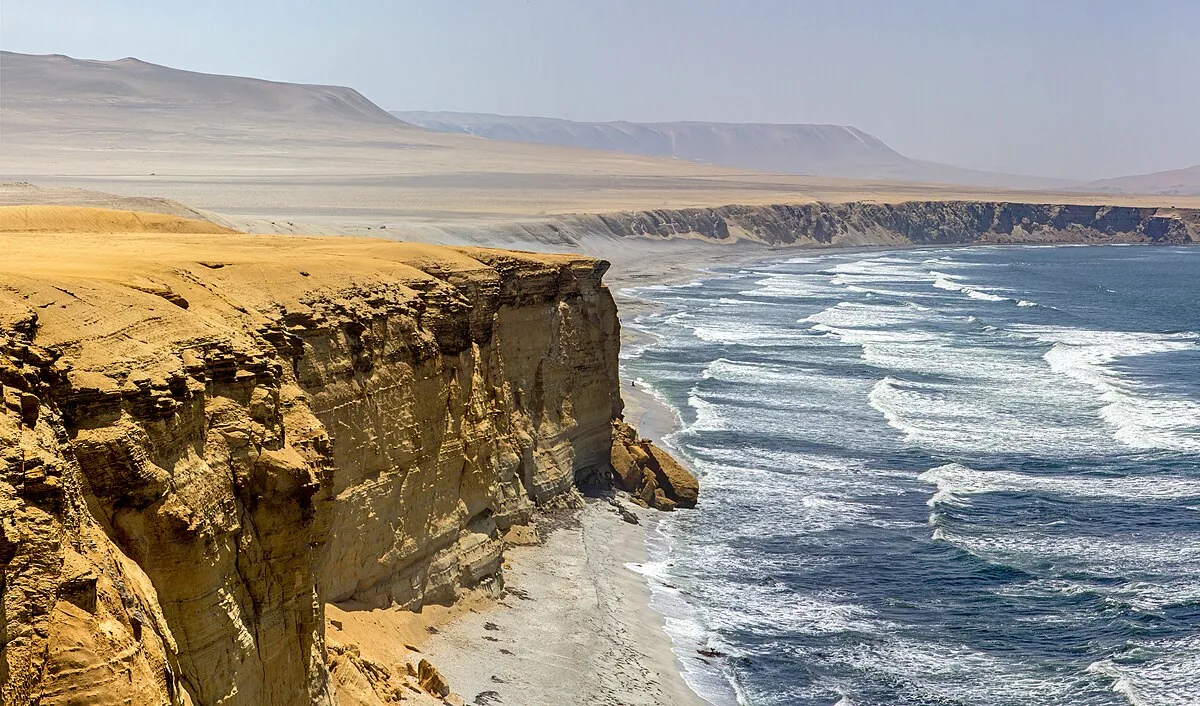
Where the hyper-arid desert of Peru meets the cold, nutrient-rich waters of the Pacific, the Paracas National Reserve creates a landscape of stark and violent beauty. This protected marine area is defined by its dramatic sea cliffs, red-sand beaches, and the vast, wind-sculpted dunes of the Ica desert. The color palette here is surreal, the deep turquoise of the ocean crashes against ochre-colored earth and the pale, sun-bleached fossils of ancient sea creatures. The room is perpetually salted by the sea spray and animated by the 'Paracas' winds, which can whip the sand into a blinding frenzy by mid-afternoon. It is a place of paradox, where life teems in the water while the land remains a desolate, bone-dry waste. Thousands of sea lions, penguins, and pelicans find sanctuary on the offshore islands and hidden coves, making it a critical refuge for marine life in the Southern Hemisphere.
The Paracas Peninsula was once the center
The Paracas Peninsula was once the center of a sophisticated pre-Columbian culture known for its intricate textiles and advanced skull surgery. These people, who flourished between 800 BC and 100 AD, thrived in this harsh environment by mastering the resources of the sea. The reserve was established in 1975 to protect both the unique desert ecosystem and the incredibly productive Humboldt Current, which supports one of the highest concentrations of marine life on earth. A tragic turning point in the reserve's recent history occurred in 2007, when a powerful earthquake destroyed 'La Catedral,' a massive natural stone arch that had been the site’s iconic landmark. Today, the reserve is a vital laboratory for marine biologists and a sanctuary for the endangered Humboldt penguin and the blue-footed booby.
Standing on the edge of the cliffs
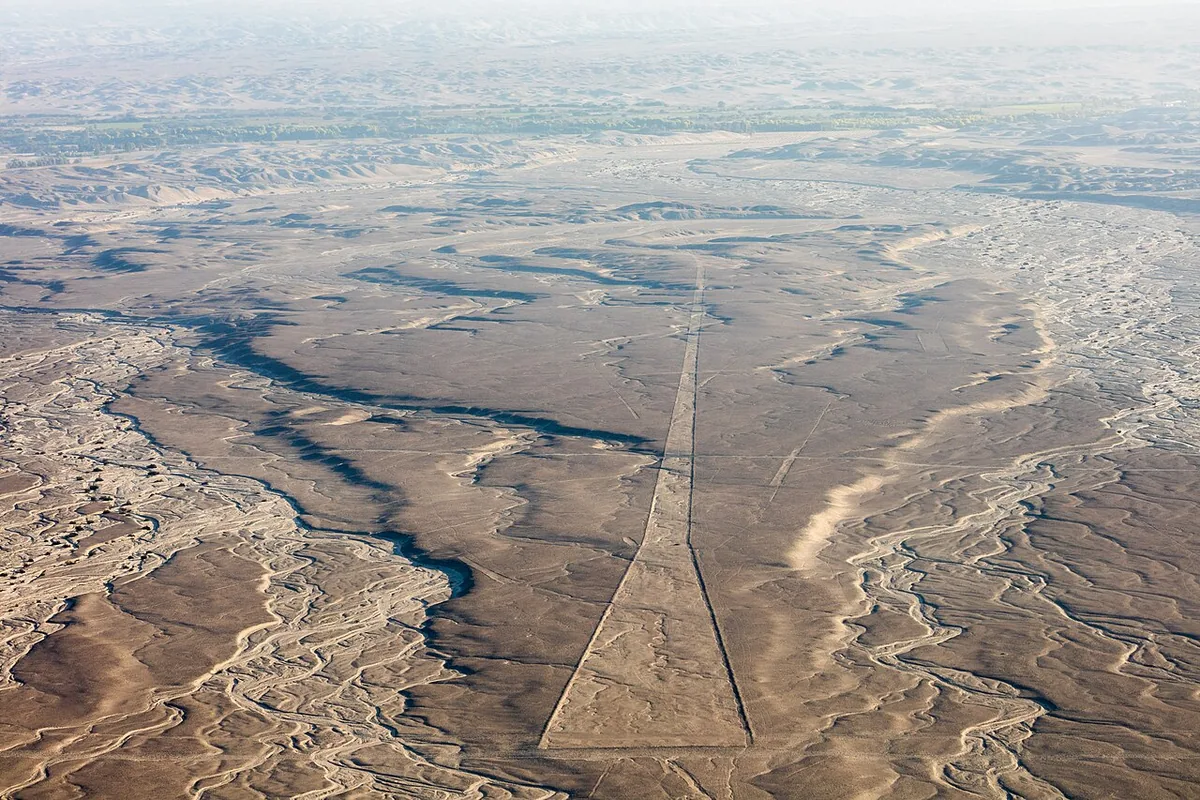
Standing on the edge of the cliffs at the Isthmus of Paracas, The wind is a constant, physical presence that tugs at your clothes and carries the scent of brine. The sound is a relentless dialogue between the roaring surf and the crying of thousands of seabirds. The texture of the sand at 'Playa Roja,' a deep, volcanic crimson that feels coarse and heavy beneath your feet. The light at sunset is extraordinary, as the desert hills turn a glowing purple while the ocean fades to a dark, cold indigo. There is a feeling of sudden chill when the sun drops, a record of the desert's extreme temperature shifts. Frequently skipped is the 'Candelabro,' a massive geoglyph etched into a hillside that can only be seen clearly from a boat, its origins still debated by archaeologists. The thousands of tiny crabs scuttling over the rocks at low tide, a miniature army feeding on the ocean’s bounty.
Paracas is a four-hour drive south of Lima
Paracas is a four-hour drive south of Lima along the Pan-American Highway. Most travelers base themselves in the small town of Paracas (El Chaco), which is the hub for boat tours to the Ballestas Islands and vehicle excursions into the reserve. A private car or a taxi is the best way to explore the interior of the reserve, as the distances between the beaches and viewpoints are too great to cover on foot in the desert heat. Bicycles are also a popular, if exhausting, way to navigate the flat, windswept tracks that lead to the hidden coves.
The Experience
You notice the sharp, ammonia-like scent of guano as you approach the offshore islands, a smell that once drove an entire 19th-century economy. You hear the sea lions barking is deafening in the enclosed sea caves, a wild, territorial chorus. An impression of spray of the Pacific on your face as the boat speeds toward the Ballestas, a refreshing contrast to the dry heat of the mainland. Most visitors miss the small desert foxes that prowl the dunes at twilight, looking for scraps of food near the fishing camps. The moment that stays with you is standing on a high ridge and seeing nothing but miles of golden sand meeting the infinite blue of the sea, a horizon line that feels like the edge of the world.
Why It Matters
Paracas is one of the most important marine reserves in the Pacific and a critical stopover for migratory birds. It protects a unique transition zone where the Andes submerge into the sea. Culturally, it guards the archaeological remnants of a people who were among the first in the Americas to achieve a high level of artistic and medical sophistication, long before the Inca reached the coast.
Why Visit
Visit Paracas for the sheer visual drama. It is a place where the colors seem saturated beyond reality, and the wildlife is so abundant it feels like a scene from a nature documentary. It is the best place in Peru to see the raw power of the ocean and the silence of the desert in a single afternoon.
✦ Photo Gallery
Best Season
🌤 The summer months from December to March are best for warm weather and beach access, though the wildlife is present year-round.
Quick Facts
Best time to visit
The summer months from December to March are best for warm weather and beach access, though the wildlife is present year-round.
Getting there
In Paracas, Peru; reach Paracas first, then continue to the site.
Location
Paracas, Peru
Type
attraction
Coordinates
-13.8954°, -76.2711°
Insider Tips
- 1
Book your boat tour to the Ballestas Islands for the earliest possible slot (8:00 AM) to avoid the rougher seas and high winds that arrive in the afternoon.
- 2
Bring a windproof jacket; even on a hot day, the 'Paracas' winds are incredibly strong and can feel quite cold on the water.
- 3
Wear sunglasses even if it's cloudy; the reflection of the sun off the sand and sea is intense, and the lenses protect your eyes from flying grit.
- 4
Stop at the Julio C. Tello Site Museum at the reserve entrance to see the incredible Paracas textiles before you explore the landscape that inspired them.
- 5
Eat lunch in the small fishing village of Lagunillas within the reserve; the ceviche there is caught just feet from your table.