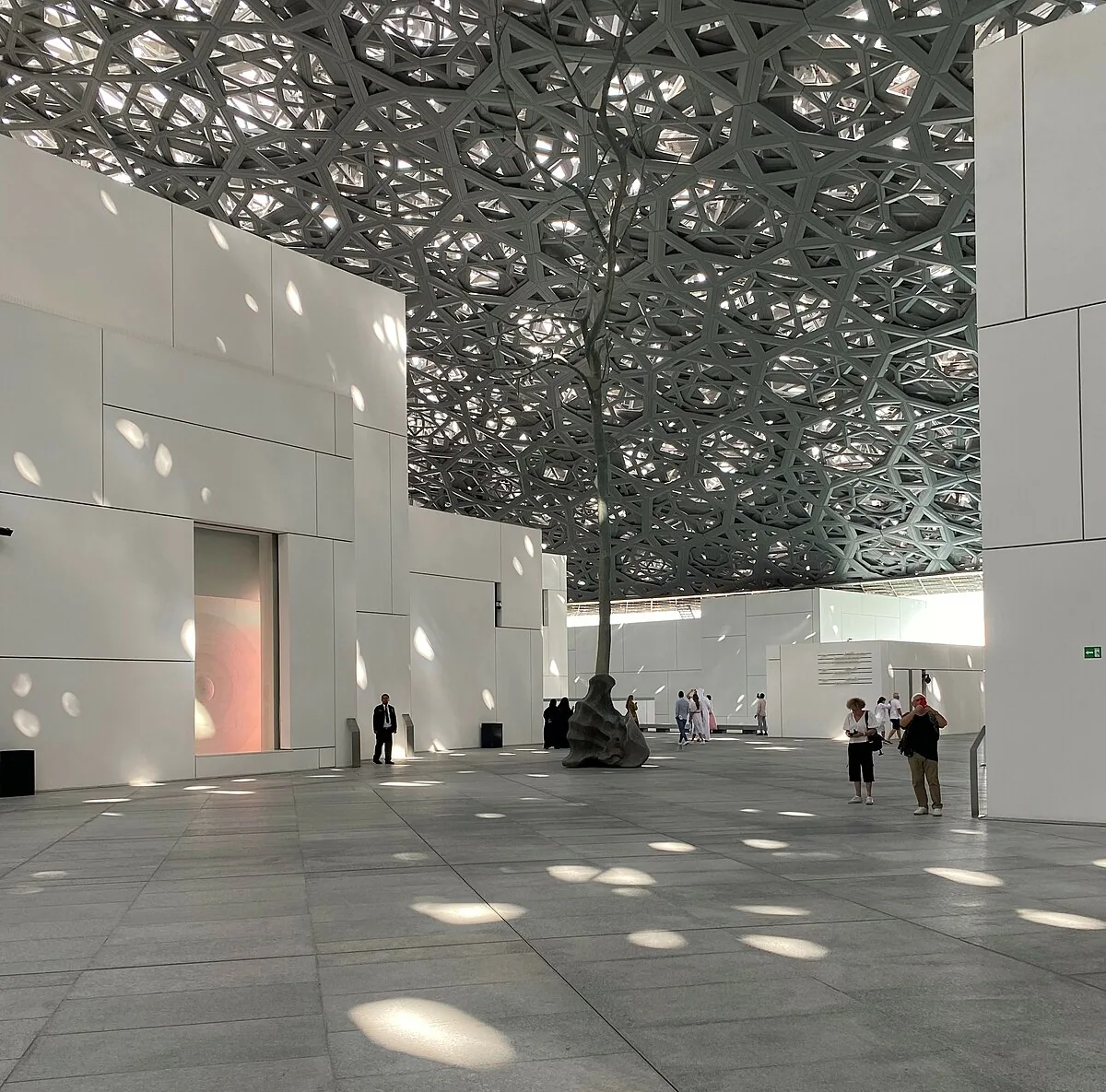
“One hundred and forty-seven thousand palm trees stand in a silent, emerald formation here, kept alive by a prehistoric plumbing system that still delivers mountain water to the desert floor.”
About Al Ain Oasis
The history of the oasis is a saga of hydraulic engineering that dates back to the Iron Age. Early inhabitants carved tunnels into the mountain foothills to tap into the water table, using a delicate balance of gravity and geometry to lead the flow miles across the plains. Over the centuries, the oasis became the seat of power for the Al Nahyan family, serving as a fortified garden that could sustain a population during times of conflict or drought. The current layout, with its intricate mud-brick walls and 100 different varieties of dates, remains remarkably similar to the descriptions found in 19th-century explorer journals. In 2011, its global importance was solidified when it became the UAE’s first UNESCO World Heritage site, recognized as a masterwork of human ingenuity and environmental adaptation.
What Al Ain Oasis in United Arab Emirates
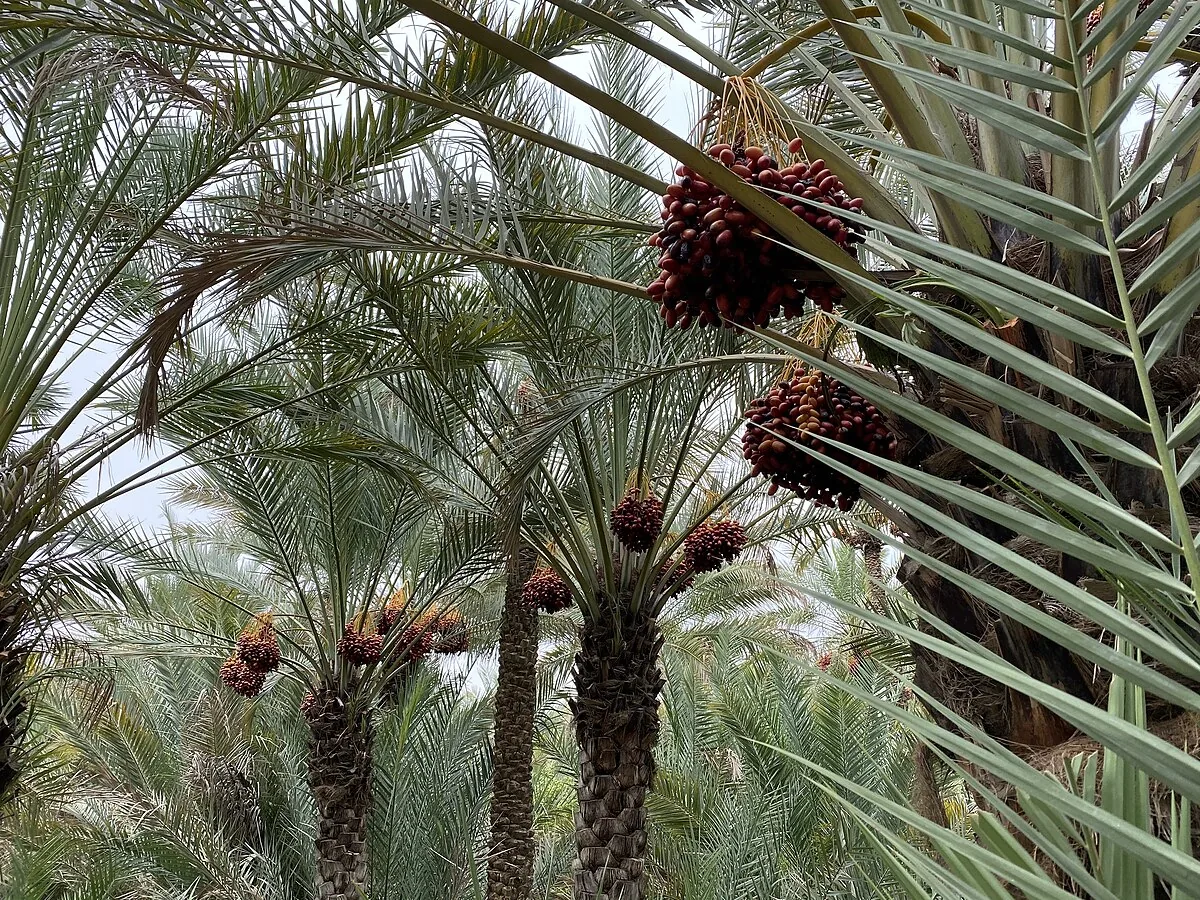
Deep within the parched interior of the Emirates, a dense canopy of 147,000 date palms creates a literal wall of humidity and green life that defies the surrounding gravel plains. Al Ain Oasis occupies 1,200 hectares of the city's heart, acting as a cool, oxygen-rich lung where the sunlight filters through fronds in fractured, emerald shafts. Inside the gate feels like a physiological shift; the dry heat of the desert retreats, replaced by the damp, earthy fragrance of wet soil and ripening fruit. This is a living agricultural relic, partitioned into hundreds of individual family plots by low mud-brick walls that have stood for generations. Here, the landscape is organized by the sound of flowing water, a soft and constant gurgle that provides the soundtrack to a world that feels thousands of years removed from the glass towers of the coast.
Deep within the parched interior of the Emirates, a dense canopy of 147,000 date palms creates a literal wall of humidity and green life that defies the surrounding gravel plains.
Settlers first tapped into the subterranean
Settlers first tapped into the subterranean aquifers of the Hajar Mountains nearly four millennia ago, perfecting a gravity-fed irrigation system known as the falaj. This network of open-air channels and underground tunnels allowed life to flourish in a region that sees almost no rainfall. Each drop of water was, and still is, a calculated commodity, distributed according to strict ancestral rights and timed by the movement of the sun and stars. The oasis provided a vital stop for caravans traveling between the coast and the interior, offering shade and sustenance in exchange for trade goods. In the mid-20th century, Sheikh Zayed bin Sultan Al Nahyan prioritized the preservation of these groves, recognizing that the palms were the foundation of the nation's resilience before the arrival of modern wealth.
Exploring the labyrinth of shaded paths reveals
Exploring the labyrinth of shaded paths reveals a micro-climate where the air temperature sits comfortably five to eight degrees lower than the city streets just meters away. First, the rhythmic thwack of a gardener’s sickle or the occasional rustle of a palm squirrel darting across the high canopy. The water in the falaj channels is surprisingly clear, occasionally interrupted by a wooden gate used to divert the flow into a thirsty plot of citrus or mango trees. Something like a sense of profound stillness, broken only by the melodic call to prayer that drifts over the walls and filters through the trees. Visitors often miss the subtle variation in the palm trunks, which are marked with scars from decades of harvest, or the tiny, ancient mosques tucked into the corners of the gardens for the farmers' daily use. Reaching this green sanctuary involves a ninety-minute drive from either Dubai or Abu Dhabi, traveling toward the Omani border along highways lined with shifting orange dunes. The oasis is situated in the center of Al Ain city, with multiple entrances located near the Al Ain Palace Museum and the Sultan Bin Zayed Fort. Parking is readily available at the main Eco-Centre, which is a gateway and provides context before you disappear into the groves. Once inside, the best way to navigate the sprawling acreage is on foot or by renting a bicycle at the north gate, allowing you to reach the deeper, quieter sections of the forest where the city noise disappears entirely.
The Experience
The humidity rise the moment you step beneath the first layer of shade, a tactile reminder of the transpiration of thousands of trees. The light here is never direct; it is a dappled, dancing thing that shifts across the reddish-brown earth as the breeze moves the higher fronds. The sheer complexity of the falaj channels, some are as wide as a sidewalk, while others are narrow capillaries tucked into the walls. Overhead, is dominated by birdsong and the soft, repetitive splash of water hitting the soil, creating a meditative environment that slows your heart rate. It is a place of shadows and secrets, where the scale of the forest makes you feel wonderfully anonymous in a landscape that usually offers nowhere to hide.
The humidity rise the moment you step beneath the first layer of shade, a tactile reminder of the transpiration of thousands of trees.
Why It Matters
Al Ain Oasis is the physical proof of a culture's ability to thrive within ecological limits. It represents a 4,000-year-old pact between the Emirati people and their environment, showcasing a sustainable model of agriculture that predates modern environmentalism by millennia. Culturally, it is the soul of the 'Garden City,' anchoring the modern nation to its roots as a collection of desert stewards and water masters.
Why Visit
This is the only place in the country where you can witness the ancient pulse of Arabia without the filter of a museum glass. It offers a sensory immersion into the past, providing a cool, quiet, and fragrant contrast to the hyper-developed urban centers nearby. You come here to see how life was won from the desert, one drop of water at a time.
✦ Insider Tips
- 1
Start at the Eco-Centre to see the digital floor map, which explains the invisible underground routes of the water before you walk over them.
- 2
Rent a bicycle at the entrance; the oasis is much larger than it appears on a map, and a bike allows you to find the most secluded groves in the southern quadrant.
- 3
Look for the 'sharf', the small openings in the walls that allow farmers to monitor the water level without entering the plot.
- 4
Visit in the late afternoon when the low sun creates long, golden tunnels of light through the palm trunks, perfect for photography without the harsh midday glare.
- 5
Sample the local dates at the small stall near the main gate to understand why certain varieties were once used as a primary form of currency.