All landmarks and tourist attractions in United Arab Emirates
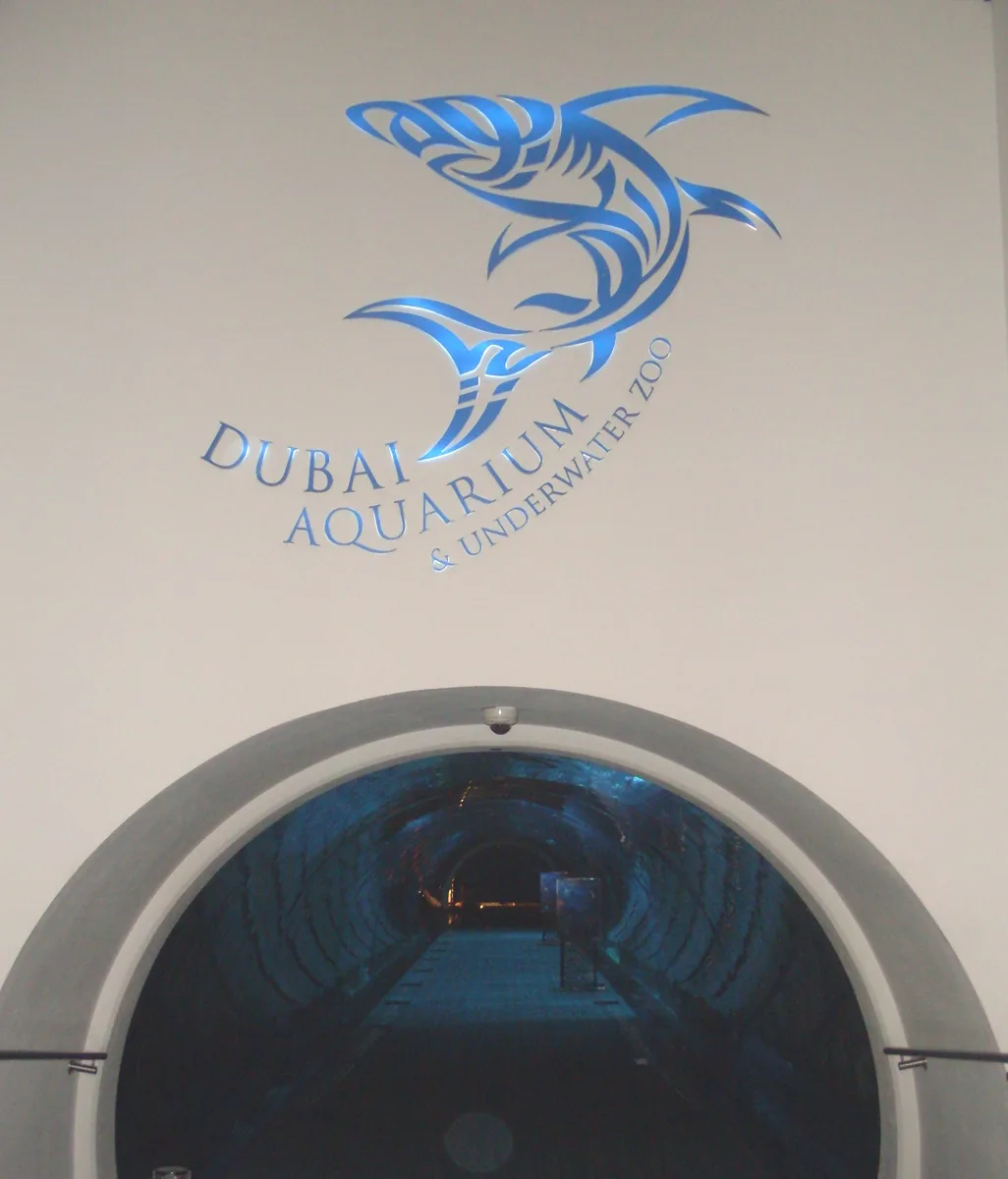
Dubai Aquarium & Underwater Zoo
Sand tiger sharks with jagged, prehistoric grins cruise past high-end jewelry stores, separated from the browsing shoppers by a piece of acrylic thicker than a skyscraper's window.
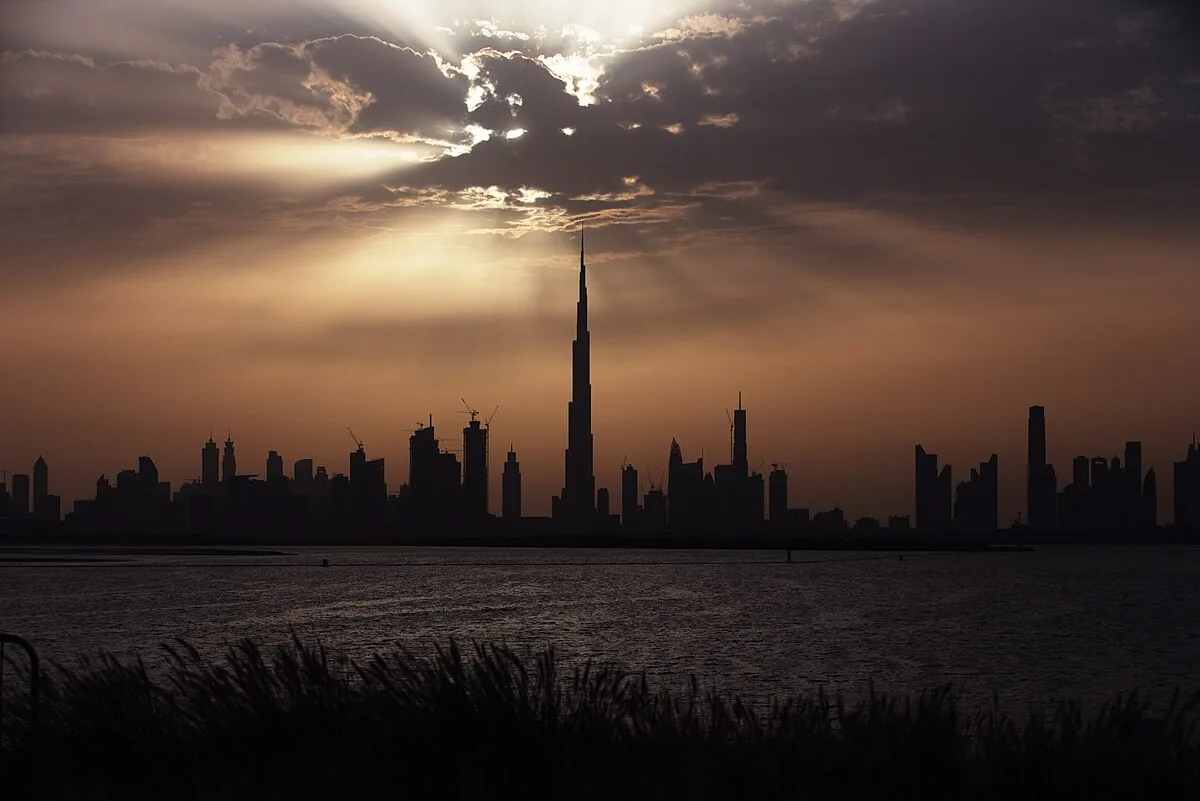
Burj Khalifa
The world's tallest building at 828 metres; the spiralling silhouette was inspired by the Hymenocallis desert flower; the At The Top observation deck on floor 124 delivers a 360-degree panorama where the gold of the Arabian desert meets the turquoise of the Gulf; arrive at dusk when both colours are simultaneously at their most saturated.
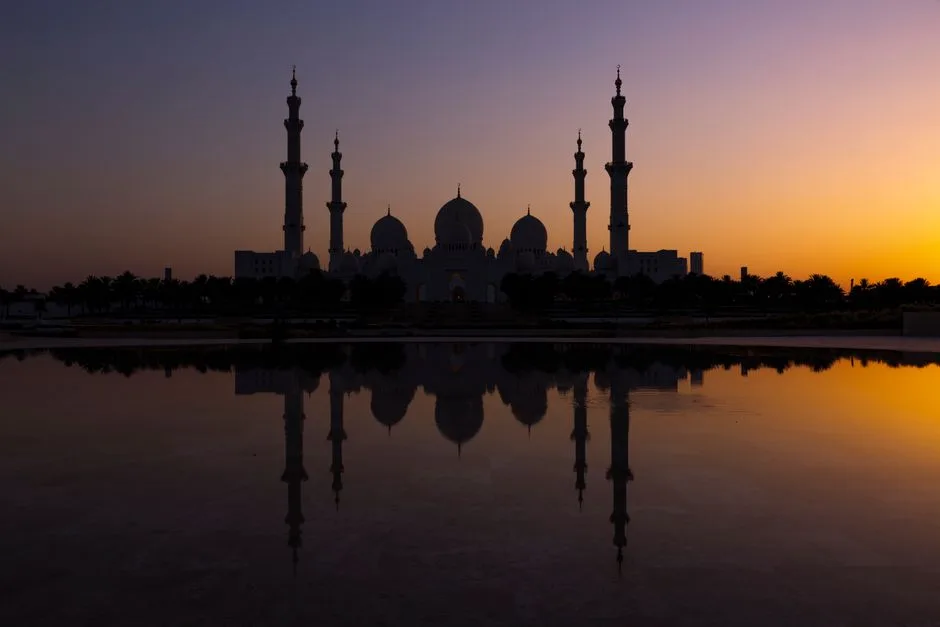
Sheikh Zayed Grand Mosque
The largest mosque in the UAE features 82 white marble domes and the world's largest hand-knotted carpet; the 'rain of light' effect, sunlight refracting through Swarovski-crystal chandeliers across the reflective pool, occurs for precisely 40 minutes after the Asr prayer; non-Muslim visitors enter free through the north gate.
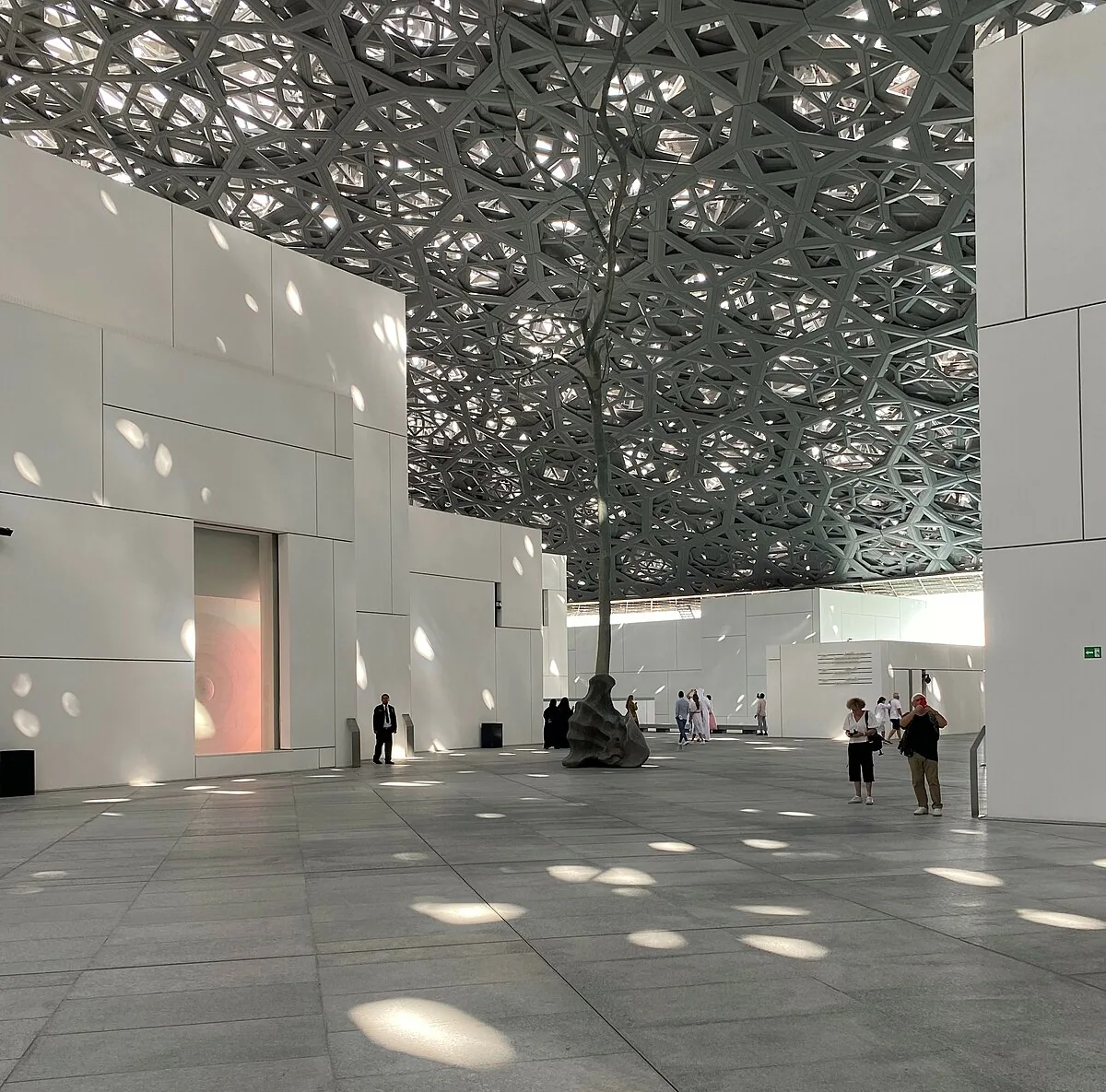
Louvre Abu Dhabi
Jean Nouvel's rain-of-light dome, a 180-metre latticed steel disc, filters the desert sun into 7,500 shifting beams across galleries where a 7,000-year-old Neolithic idol stands metres from a Magritte; the permanent collection deliberately dismantles the East-West art divide by displaying civilisations in parallel rather than in sequence.
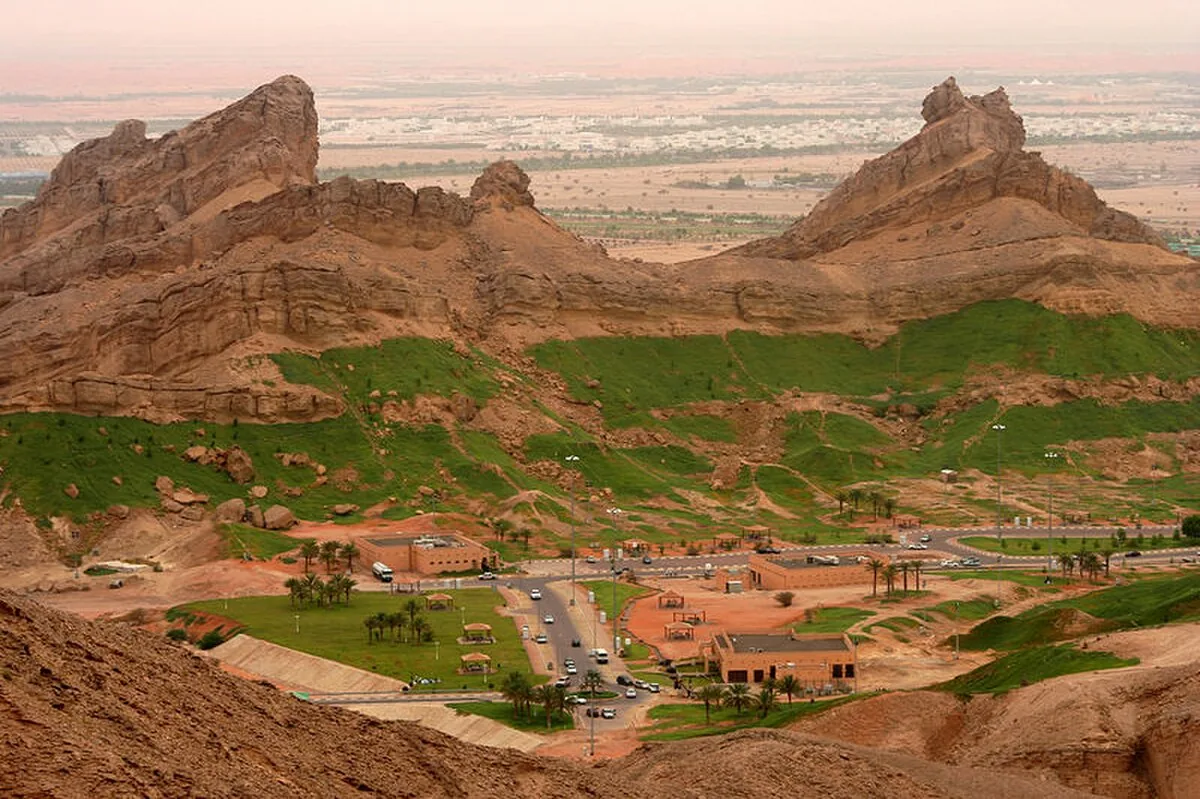
Jebel Hafeet
A craggy limestone monolith rising 1,249 metres above the desert floor; the 60-million-year-old formation reveals marine fossils embedded in the sun-bleached rock; drive the 60-turn mountain road at 5 am to witness the Empty Quarter emerge from the indigo pre-dawn haze; the temperature drops ten degrees as you ascend above the thermal currents of the Oasis city.
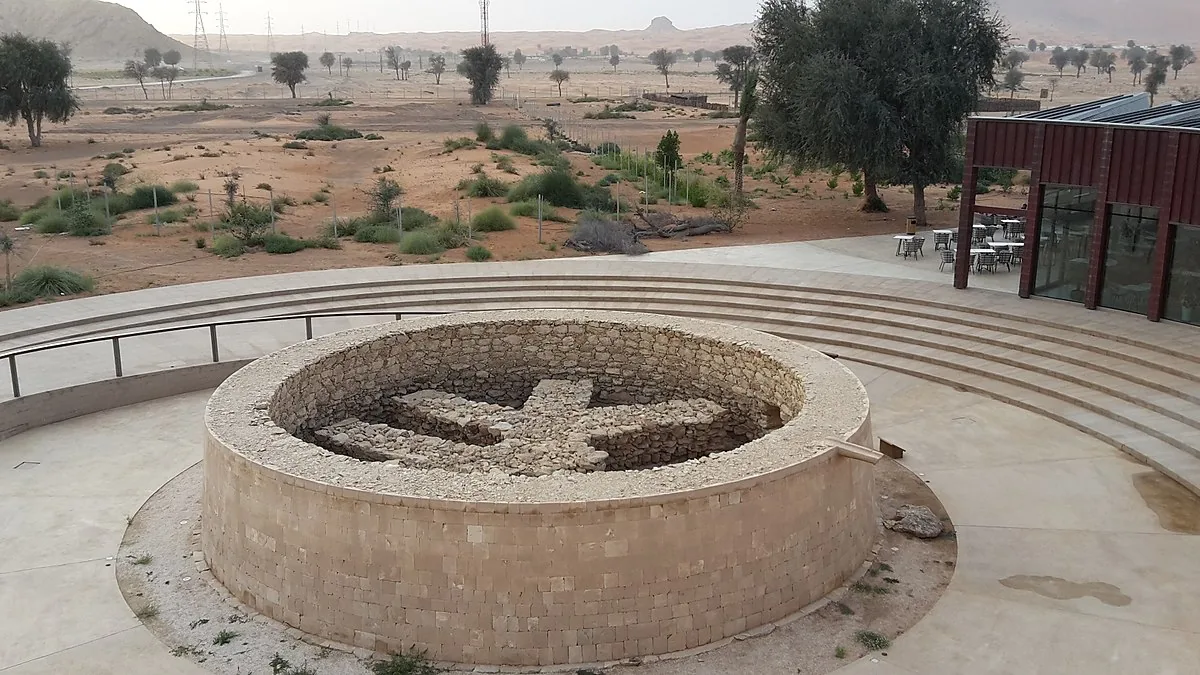
Mleiha Archaeological Centre
The site preserves a continuous human record from the Palaeolithic era; including Neolithic tombs and a pre-Islamic fort built of sun-dried mudbrick; the laterite-red earth of the Fossil Rock formation provides a sharp backdrop to the Bronze Age circular graves; visit at twilight when the wind-sculpted dunes cast long shadows over the excavated foundations; the silence is absolute.
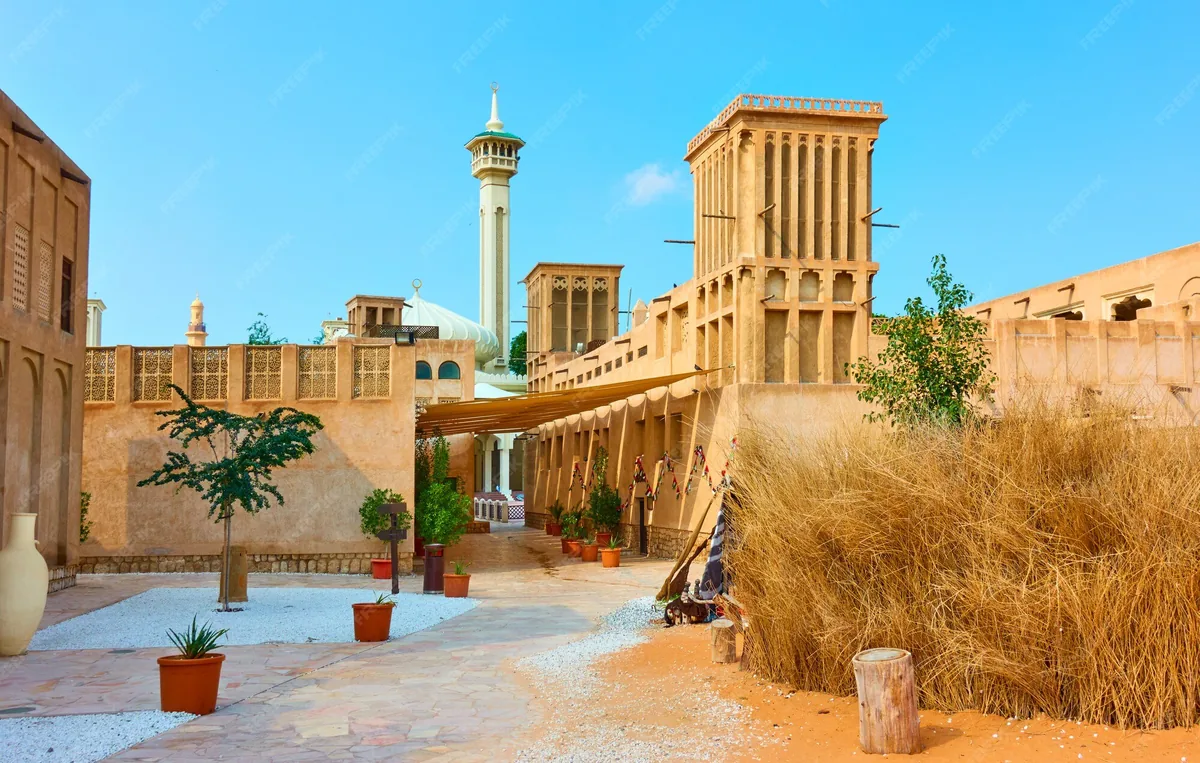
Al Fahidi Historical Neighbourhood
The 19th-century district is defined by its high-rising barjeel wind towers constructed from coral stone and sun-baked gypsum; these architectural lungs harnessed the Gulf breeze to cool the merchants' courtyards before the age of electricity; walk the narrow sikkas at 4 pm when the sand-coloured walls turn a deep amber; the air smells of dried lime and sandalwood from the nearby creek.
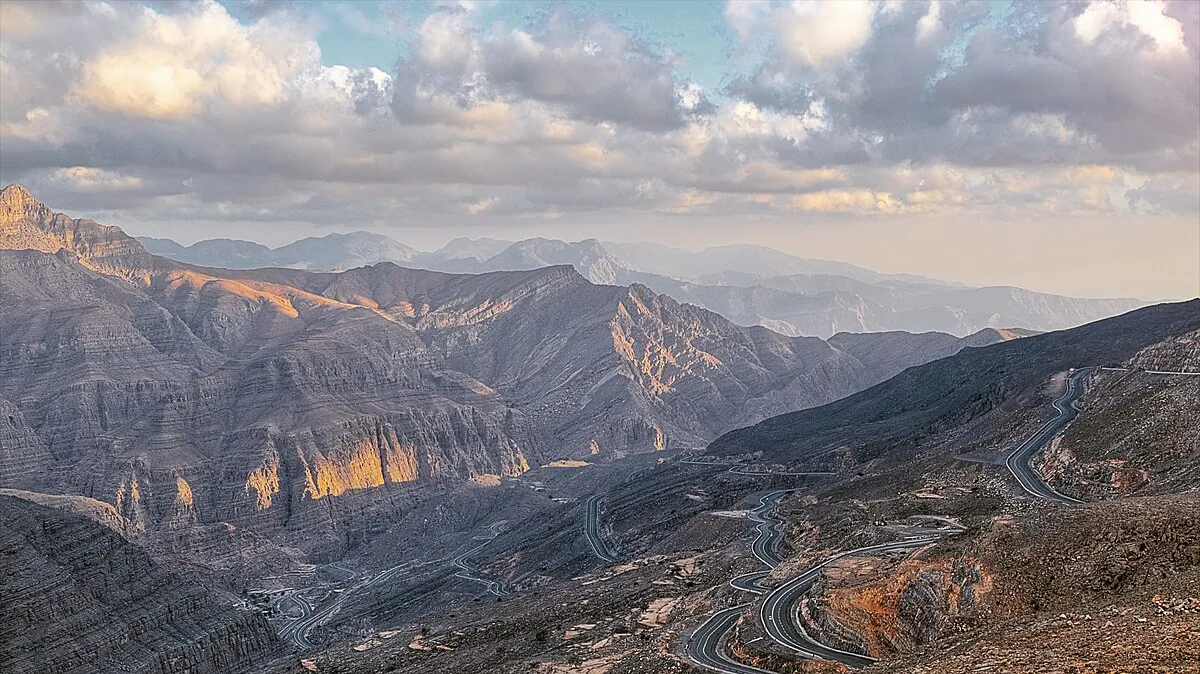
Jebel Jais
The highest peak in the UAE at 1,934 metres is a jagged limestone spine formed during the Tethys Ocean closure; the sheer rock faces of the Hajar Mountains display distinct tectonic folding and moss-slicked basalt veins; stand on the viewing deck during the winter solstice when the valley mist pools in the wadis; the silence is punctuated only by the whistling of the high-altitude wind.
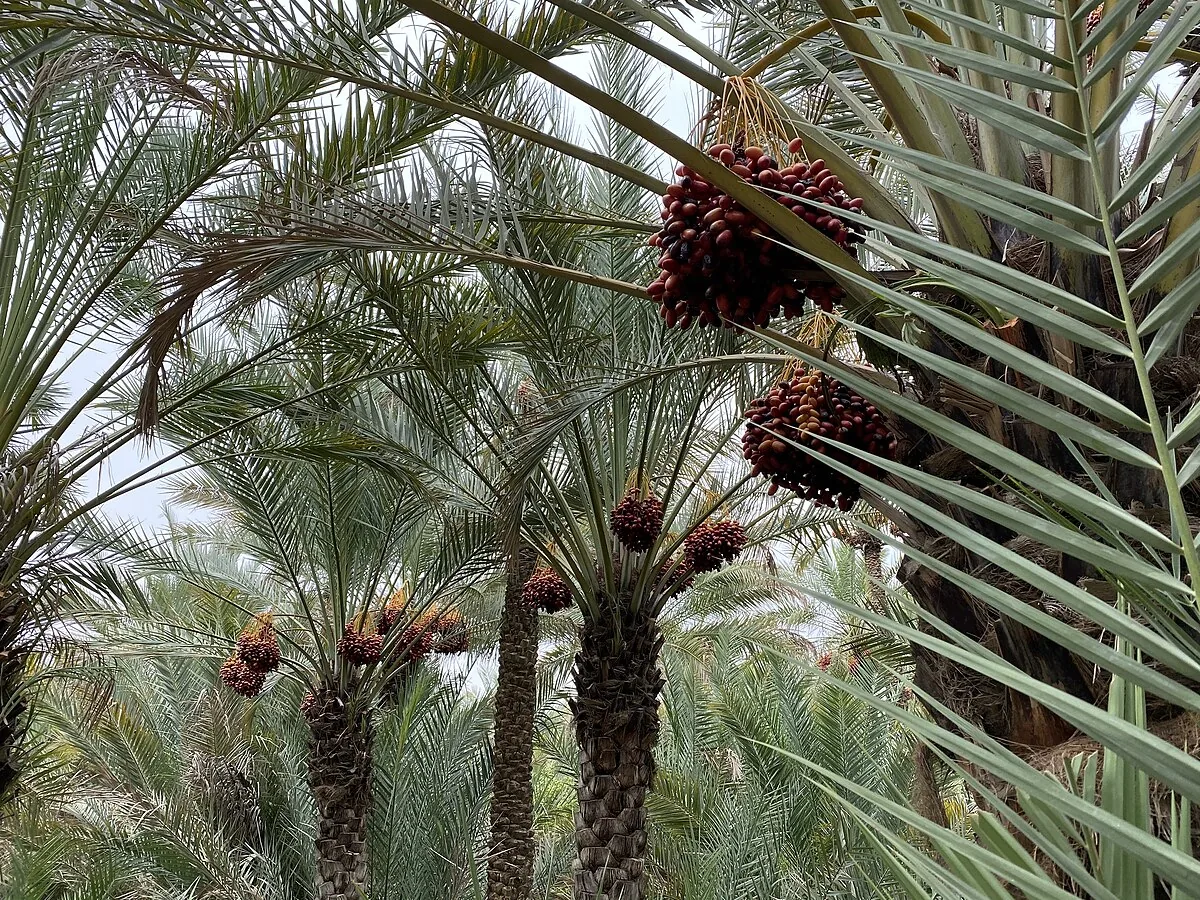
Al Ain Oasis
A 1,200-hectare UNESCO-listed sanctuary where 147,000 date palms are irrigated by the 3,000-year-old falaj system; the hand-dug subterranean channels distribute water via gravity from the distant Hajar aquifer; walk the shaded pathways at noon when the palm canopy filters the 45°C heat into a cool; emerald-green light; the air carries the scent of damp soil and ripening fruit.
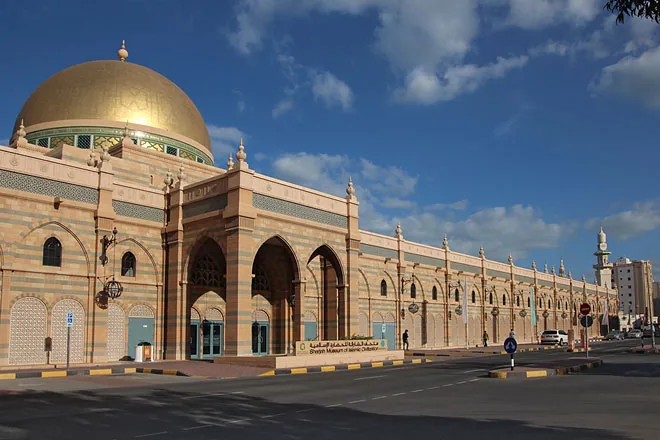
Sharjah Museum of Islamic Civilization
Housed in the converted Souq al-Majarrah with its massive golden central dome; the galleries contain 5,000 artefacts including hand-hammered astrolabes and 7th-century Quranic scrolls; the zodiac mosaic on the ceiling of the atrium aligns with the northern stars; the interior turns a luminous gold when the sun reaches its zenith; reflecting off the polished marble floors.
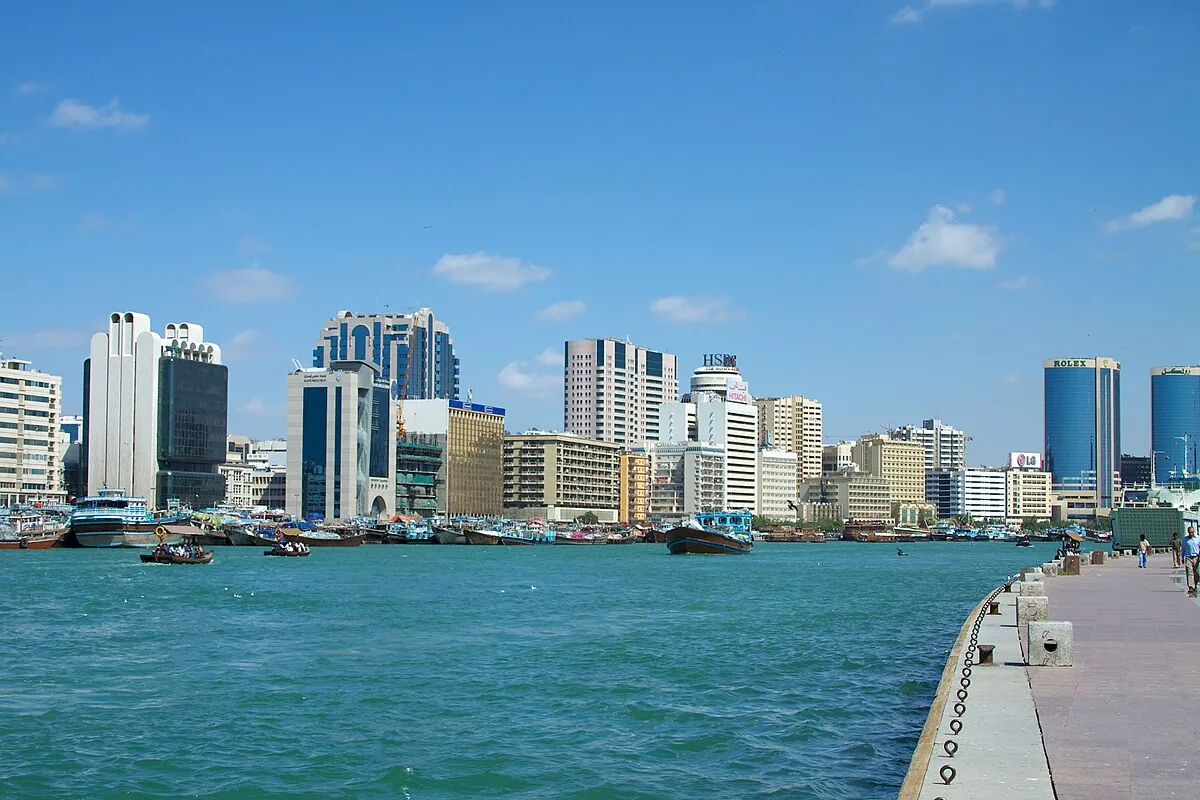
Dubai Creek
The saltwater artery where the city's pearling history began; the wooden dhows still navigate the waterway using the same lateen rigging as 18th-century traders; cross from Deira to Bur Dubai on a wooden abra at dawn; the sound of diesel engines and the call to prayer from the minarets merge as the light hits the glass skyscrapers of the modern skyline.
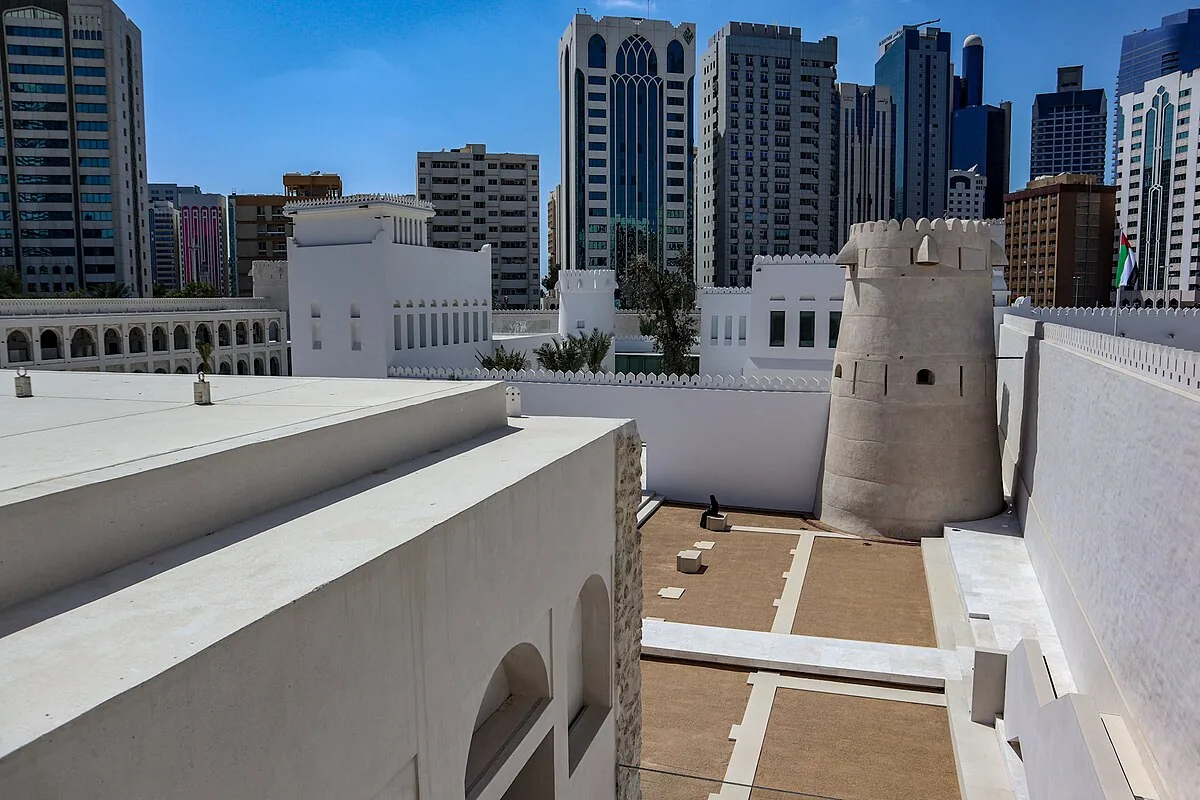
Qasr Al Hosn
The 1761 coral and sea-stone watchtower is the oldest permanent structure in the capital; originally built to guard a freshwater well discovered by the Bani Yas tribe; the interior walls are coated with a traditional 'sarooj' render made from local clay and lime; visit the inner courtyard at 10 am; the white-washed surfaces reflect the harsh sun with a clinical intensity.
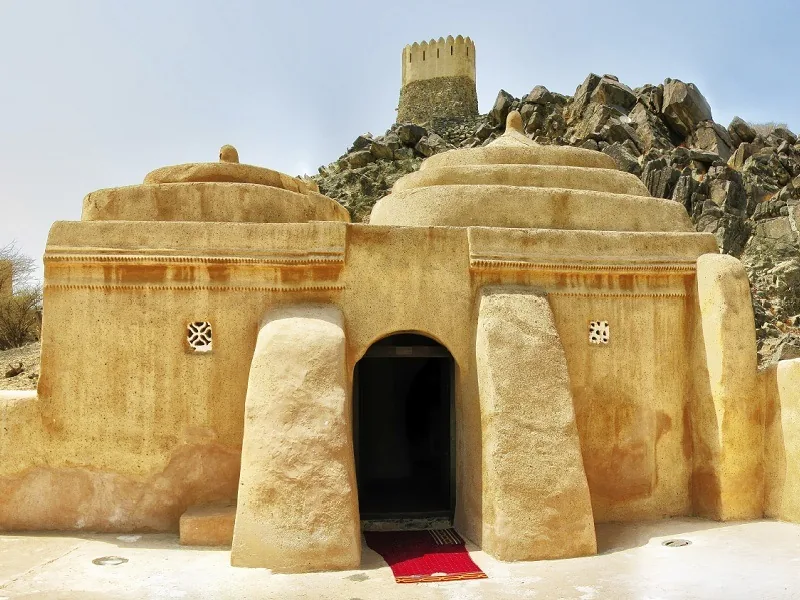
Al Bidyah Mosque
The oldest mosque in the UAE; this 15th-century mud and stone structure features four unique internal domes supported by a central pillar; the architecture lacks a minaret; reflecting the austere architectural style of the eastern coast; climb the terraced hillside at sunset; the pre-dawn call to prayer echoes off the Hajar ramparts while the Indian Ocean glows on the eastern horizon.
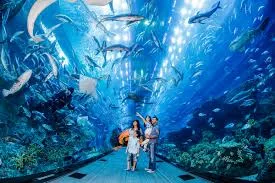
The Dubai Mall Aquarium
A 10-million litre tank housing one of the world's largest suspended viewing panels; the 270-degree walk-through tunnel places three distinct marine zones directly over the observer; visit during the late-night shark feeding when the crowds thin; the filtered blue light and the rhythmic movement of the sand tiger sharks create a quiet; underwater weightlessness in the heart of the city.
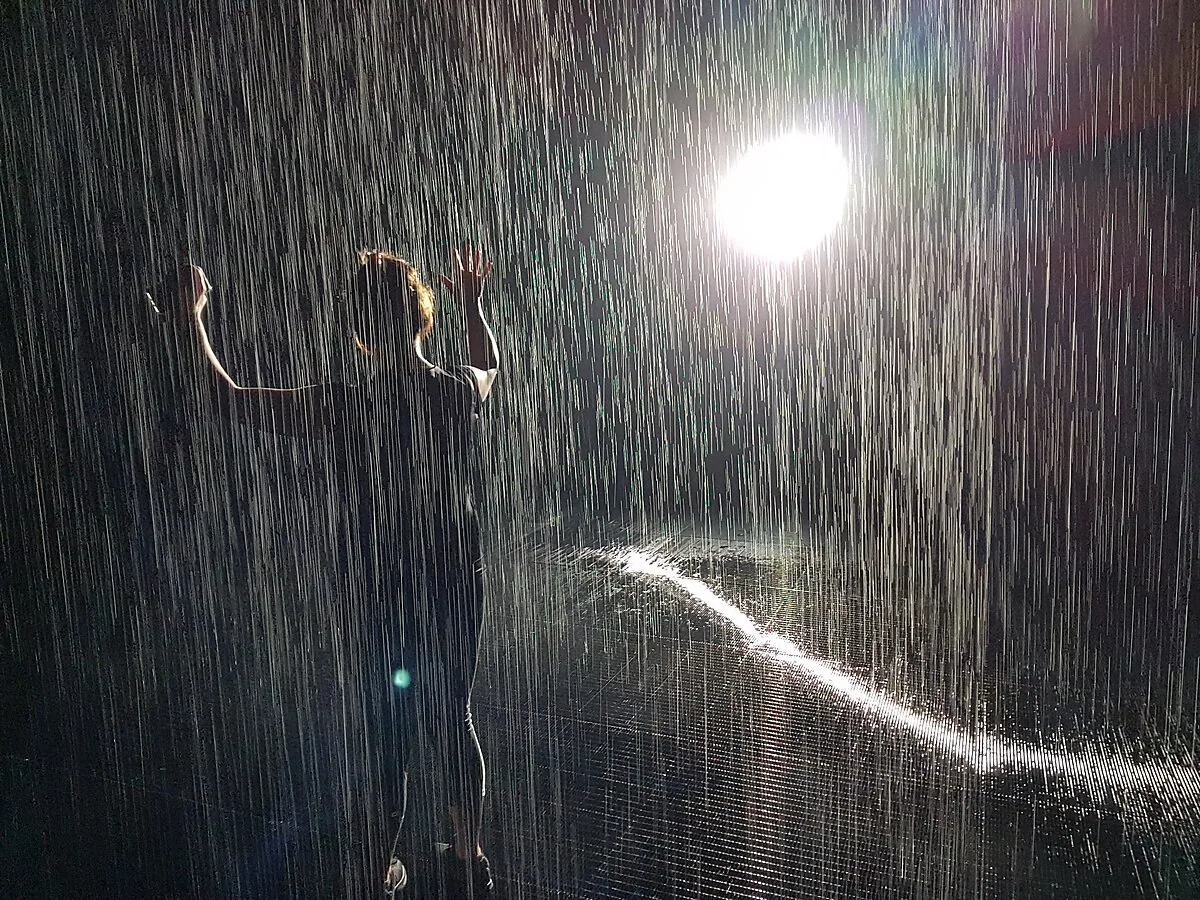
Rain Room
A permanent installation at the Sharjah Art Foundation where a 100-square-metre field of falling water responds to human presence through motion sensors; the technology prevents a single drop from touching the visitor as they navigate the deluge; enter the dark chamber alone at midday; the single spotlight creates a stark; cinematic contrast between the falling rain and the silent; dry path you forge.
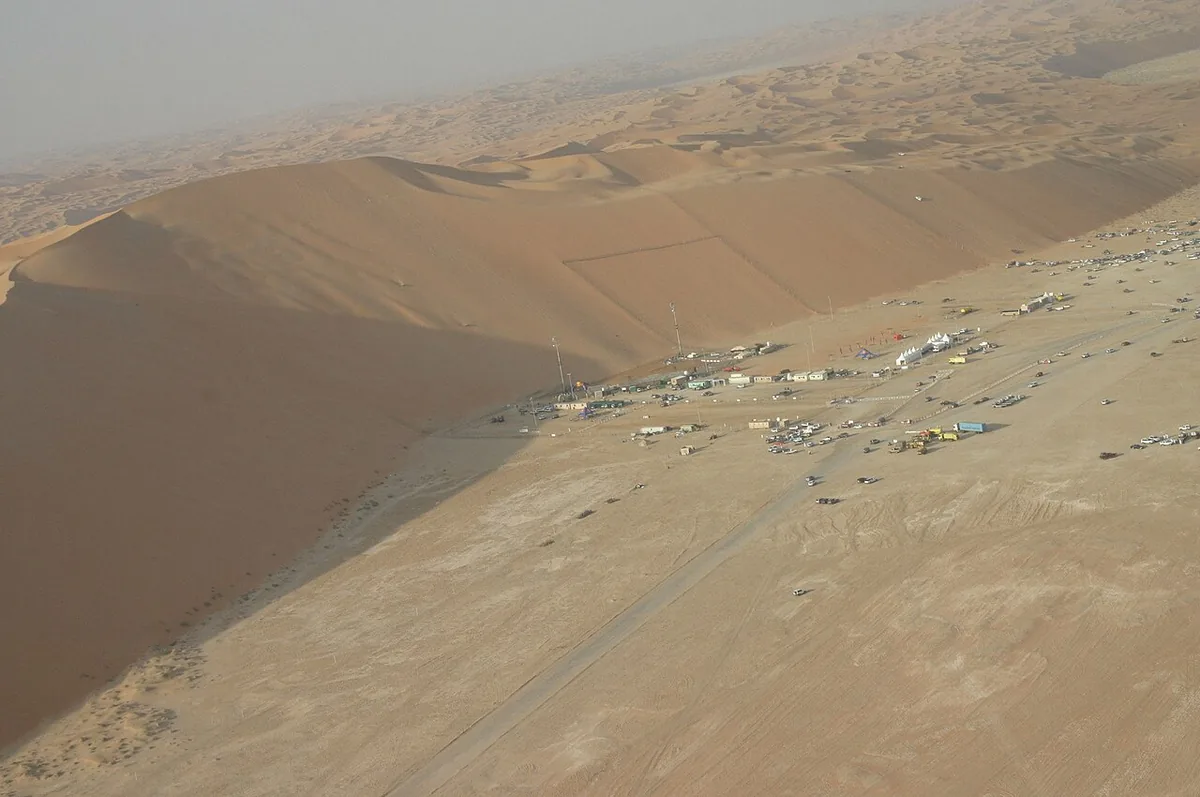
Moreeb Dune
The world's tallest sand dune rises over 300 metres with a 50-degree incline; its fine; wind-sifted grains are saturated with iron oxide giving the slopes a deep terracotta hue; stand at the base during the winter season when the sand-drags are silent; the shifting dunes create a low; humming sound known as 'singing sands' as the wind rearranges the desert topography.
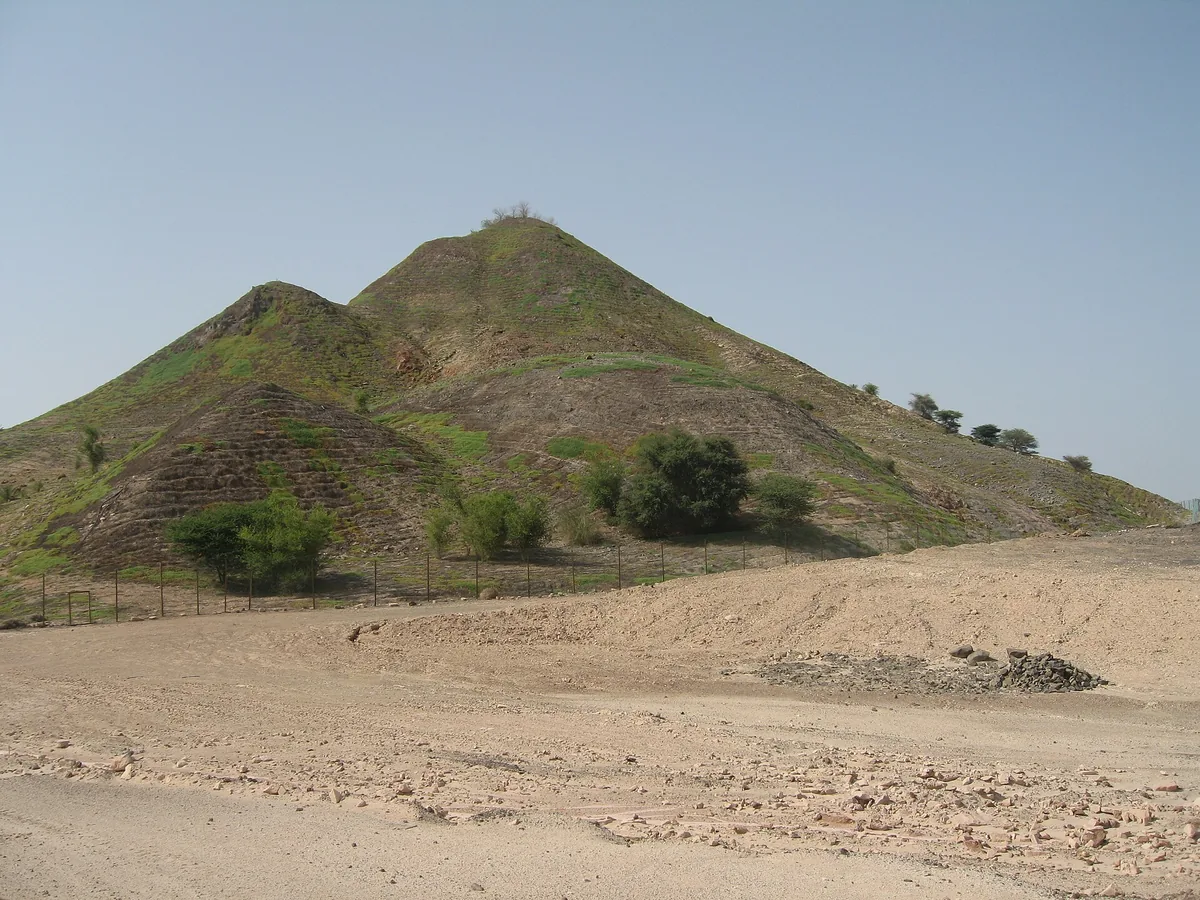
Sir Bani Yas Island
A natural island transformed into a wildlife sanctuary by 36 million years of salt-dome formation and 40 years of reforestation; the 87-square-kilometre park is home to free-roaming Arabian Oryx and cheetahs; navigate the salt-crusted interior at 6 am; the pre-dawn light turns the savanna grass silver; the sight of gazelles moving against the turquoise Gulf water is a geological and biological anomaly.
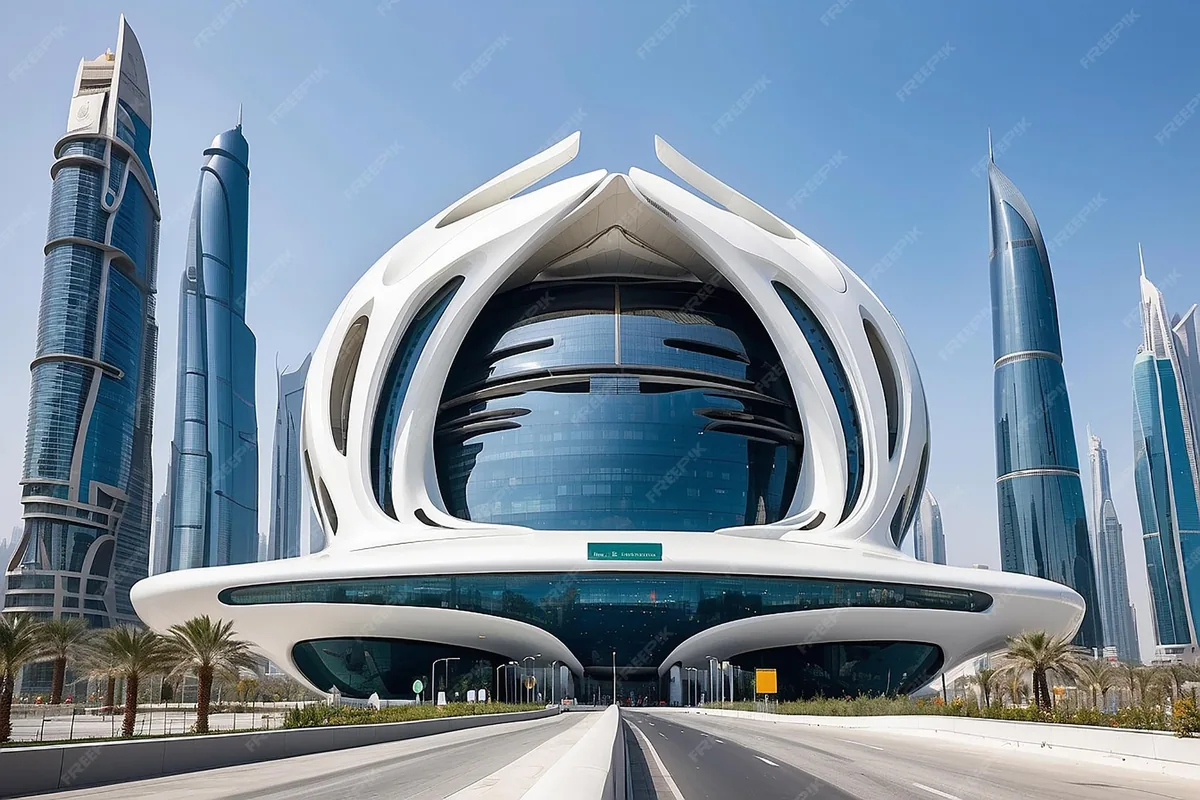
Museum of the Future
The 77-metre torus-shaped structure is clad in 1,024 stainless steel panels inscribed with Arabic calligraphy; the void at the centre represents the unwritten future while the building itself functions without internal columns; view the exterior from the Metro line at dusk; the sunset reflects off the hand-finished metal surfaces; making the calligraphy glow as if the building were a silver scroll.
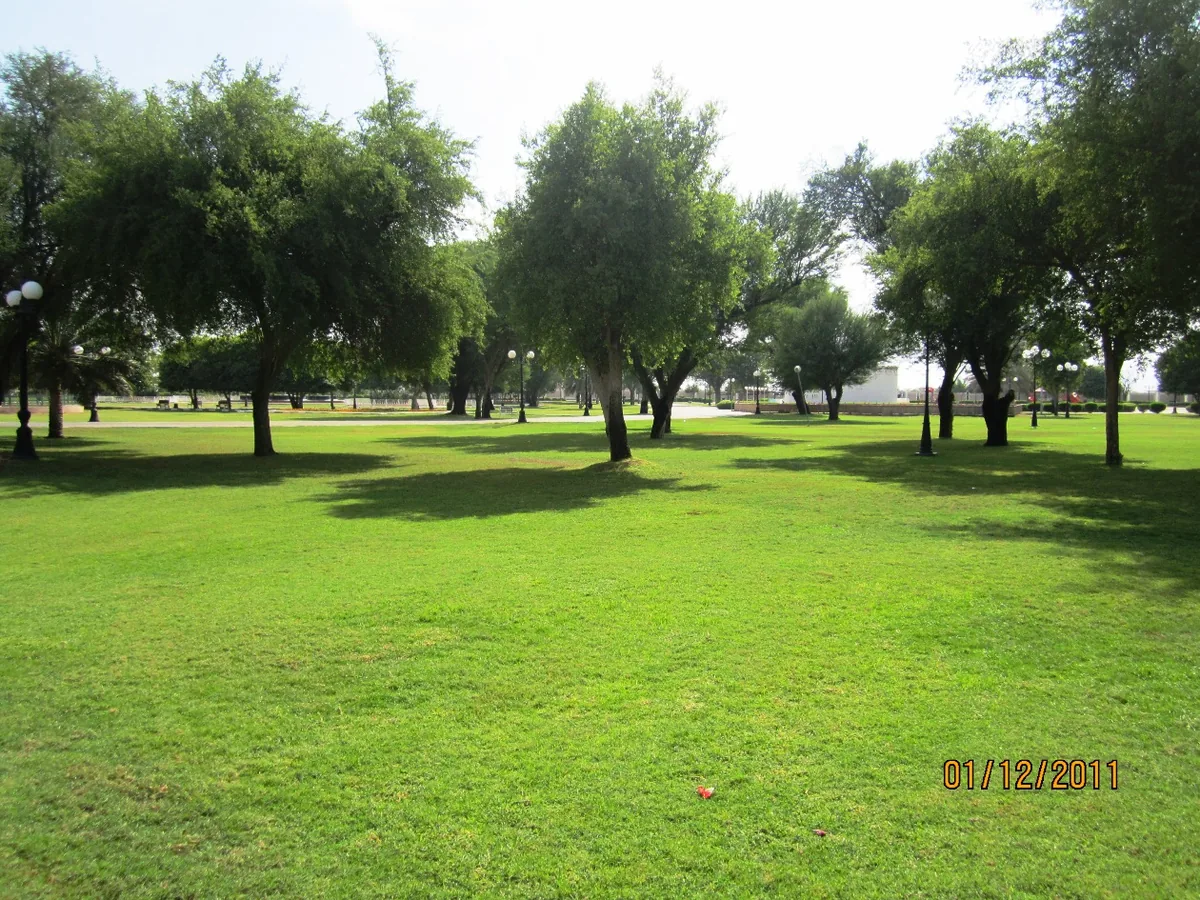
Hili Archaeological Park
The park contains the UAE's largest Bronze Age tomb; a circular structure built of precisely fitted ashlar masonry dating to 2500 BCE; the relief carvings on the entrance depict people and oryx with a primitive; powerful geometry; walk the perimeter of the Great Tomb at 9 am; the sun-bleached limestone glows against the laterite-red sand; the air is dry and carries a faint scent of ghaf trees.
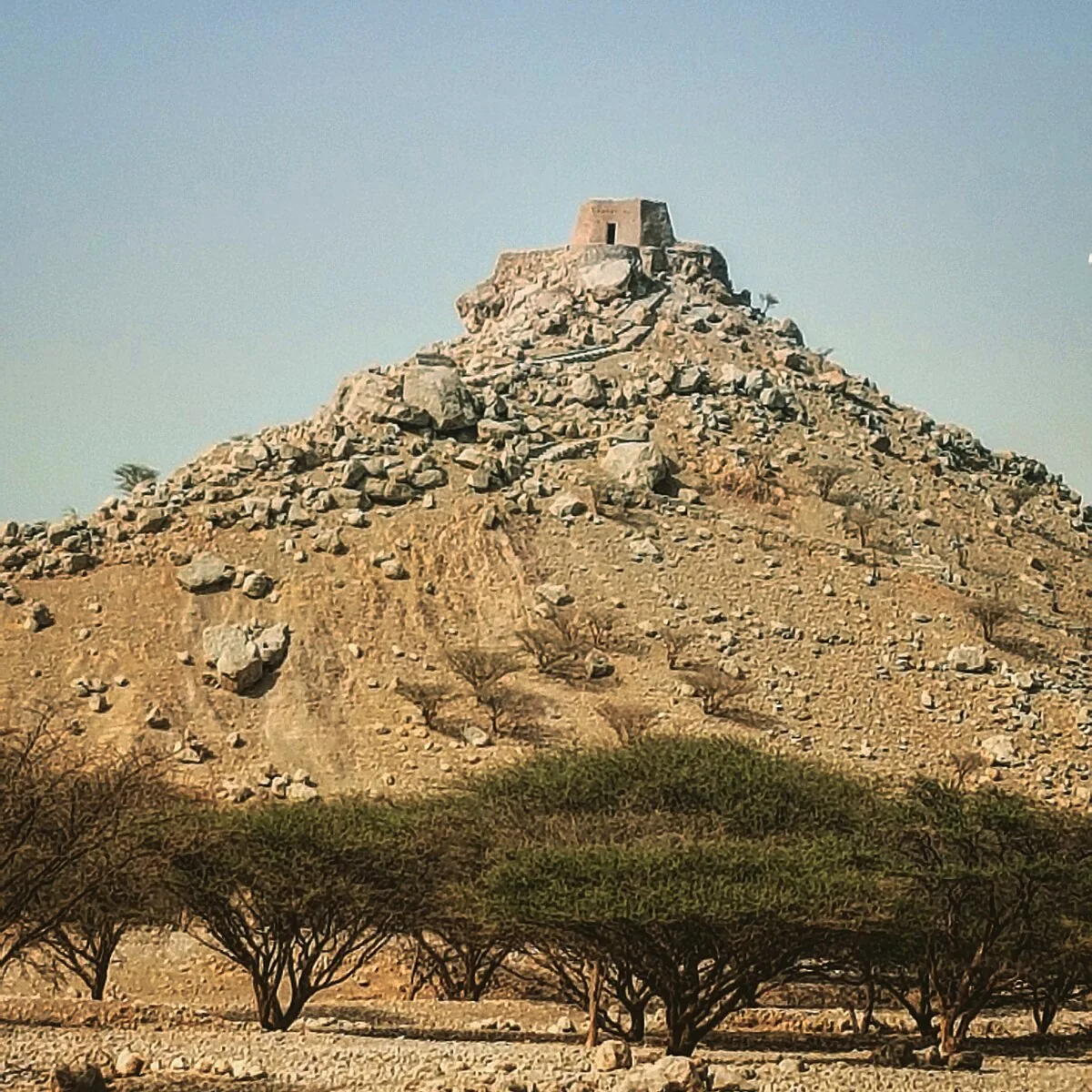
Dhayah Fort
The 19th-century mudbrick fortress stands on a steep 70-metre limestone hill; serving as the last bastion of resistance against the British in 1819; the twin towers offer a 360-degree view of the date palm groves and the salt flats of the Gulf; climb the stone steps at dawn; the cool mountain air is replaced by the humid heat of the sea as the sun clears the Hajar peaks.
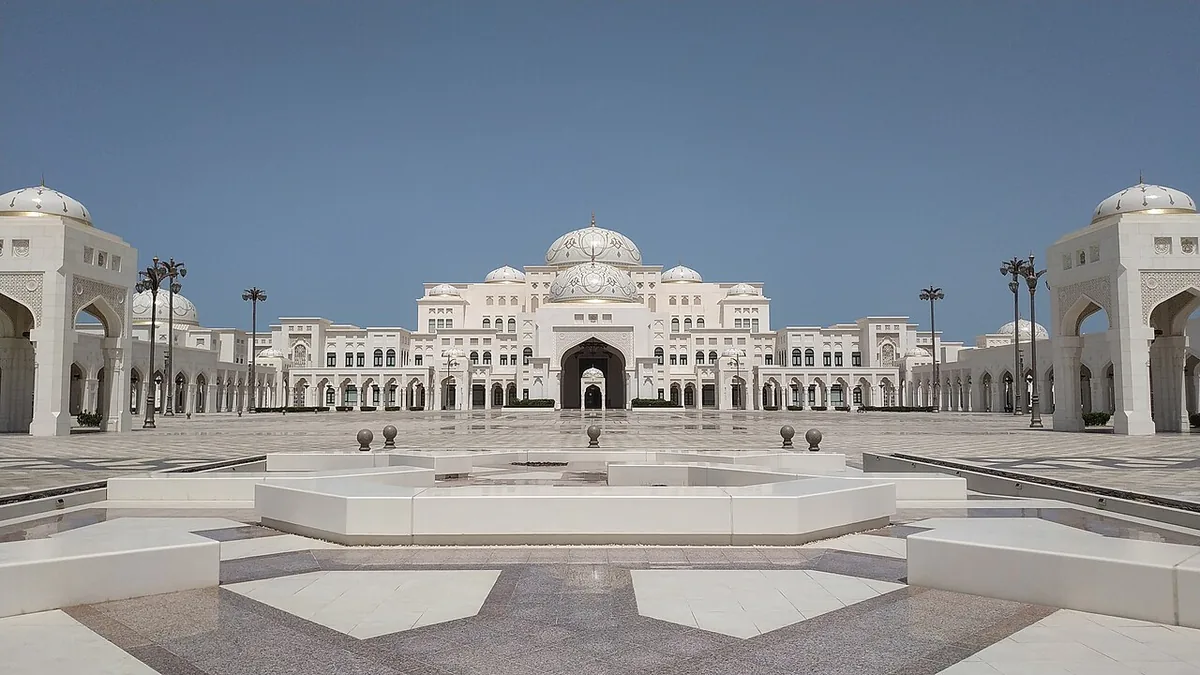
Qasr Al Watan
The Presidential Palace is a 21st-century masterwork of Mughal-inspired architecture; featuring a 37-metre wide central dome and facades made of white granite and limestone; the 'Palace in Motion' light show at dusk projected onto the white stone creates a fluid; digital narrative of the nation's history; the interior halls are so vast they dwarf the visitor in a sea of geometric gold leaf.