“Two oryxes carved into the limestone entrance of a four-thousand-year-old tomb still stand guard, watching over a landscape that was an engineering marvel before the first pyramid was ever finished.”
About Hili Archaeological Park
Dating back to the Bronze Age, the Hili site provides the earliest evidence of an agricultural village in the region. The Umm an-Nar people who lived here weren't just nomads; they were master masons who quarried limestone from the nearby mountains and shaped it into perfect circular tombs. These structures remained buried under the shifting sands until Danish archaeologists, working with the support of the ruling family, began uncovering the massive stone circles in 1968. Their discovery rewrote the history of the Arabian Peninsula, proving the existence of a highly organized society that traded copper across the Gulf. By 2011, the significance of this site was globally recognized when it became part of the first UNESCO World Heritage site in the United Arab Emirates.
What Hili Archaeological Park in United Arab Emirates
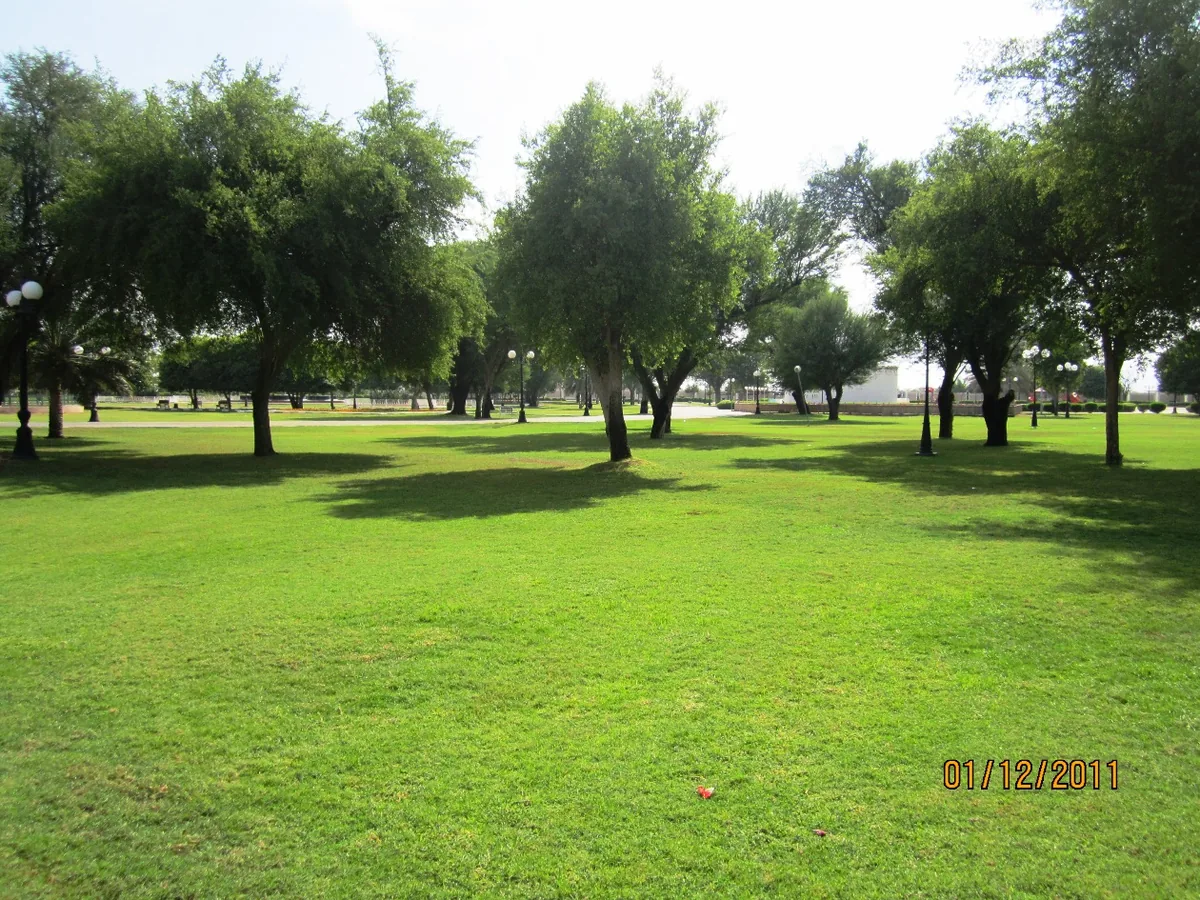
Giant stone blocks, precisely curved and fitted together without a drop of mortar, rise from the red sands of Al Ain to mark a civilization that thrived four thousand years ago. Hili Archaeological Park is a quiet, grassy sanctuary where the Bronze Age rests under the shade of modern date palms. The centerpiece is the Hili Grand Tomb, a circular tower of limestone that glows with a pale, ghostly light against the vibrant greenery of the surrounding gardens. Unlike the vertical steel of the coast, this site feels grounded in the earth, a sprawling campus of mud-brick foundations and ancient irrigation channels. The surroundings here is noticeably cooler than the open desert, smelling of damp soil and the rhythmic rustle of palm fronds in the inland breeze. Walking these paths, you encounter the architectural DNA of the Emirates, seeing the first inklings of a society that mastered the art of survival in a beautiful, brutal landscape.
Giant stone blocks, precisely curved and fitted together without a drop of mortar, rise from the red sands of Al Ain to mark a civilization that thrived four thousand years ago.
Excavations beginning in the late 1960s revealed
Excavations beginning in the late 1960s revealed that this site was the heart of the Umm an-Nar culture, a seafaring and farming society that existed between 2500 and 2000 BCE. These early residents were sophisticated engineers who developed the Falaj system, an underground water network that allowed them to turn the arid plateau into a fertile oasis. The Grand Tomb itself was a communal burial place, designed to hold hundreds of people over several generations, signifying a deeply rooted sense of community and ancestry. Sheikh Zayed bin Sultan Al Nahyan personally championed the preservation of Hili, recognizing that these ruins provided the historical legitimacy for a young nation. As the park was developed in the 1970s, it was designed to blend archaeological rigor with public leisure, ensuring that the ancient past remained a living part of the local family life.
Know before you go
Sunlight catches the intricate relief carvings of oryx and human figures on the tomb's entrance, creating shadows that bring the ancient stone to life. A strange sense of continuity as you watch local families picnicking just a few yards away from foundations that have stood for four millennia. Overhead, the space is dominated by the chirping of birds in the canopy and the distant hum of the garden's water features, a peaceful contrast to the industrial noise of the capital. First, the rough, weathered texture of the desert stones, each one hauled from the nearby mountains to build these eternal monuments. The piece that stays with you occurs at twilight, when the park lanterns flicker on and the circular silhouettes of the tombs appear like fallen moons resting on the grass. It is a place that invites slow contemplation rather than a hurried checklist.
Reaching the park involves a ninety-minute drive
Reaching the park involves a ninety-minute drive from either Dubai or Abu Dhabi, heading toward the garden city of Al Ain near the Omani border. The road takes you through the sweeping red dunes of the interior before the horizon suddenly fills with the millions of date palms that define the oasis. The park is situated in the northern Hili district, clearly marked and easily accessible by taxi or private car. People typically arrive by the E66 highway, where the desert transition feels like a slow-motion descent into a greener, older world. Once inside, the park is best explored on foot, as the archaeological ruins are spread across a wide, walkable landscape of paved paths and soft lawns.
Reaching the park involves a ninety-minute drive from either Dubai or Abu Dhabi, heading toward the garden city of Al Ain near the Omani border.
The Experience
First up is the temperature feels softer here, sheltered by the dense groves of Al Ain that act as a natural lung for the desert. Walking toward the Hili Grand Tomb, you feel the sheer weight of the limestone blocks, some of which are over two meters wide and curved with impossible precision. A large share of visitors miss the smaller mud-brick ruins of the ancient village located near the park's edge, where you can still trace the outlines of homes and communal ovens. The light at mid-morning is particularly revealing, as it hits the low-relief carvings of people and animals at an angle that makes them pop from the stone. It is a tactile, grounded experience that replaces the usual desert glare with a palette of soft tans, deep greens, and ancient greys.
Why It Matters
Hili Archaeological Park matters as the birthplace of Emirati settlement, offering a tangible link to a time before borders or oil. It proves that the people of this land have always been innovators, specifically through the Falaj irrigation system which turned a desert into a permanent home. Culturally, it acts as a bridge between the nomadic Bedouin era and the settled agricultural civilizations of the deep past.
Why Visit
Pitch this to the traveler who wants to see the soul beneath the skyscrapers. Hili offers a quiet, dignified look at a civilization that existed long before the modern world, providing a sense of scale and history that challenges the idea of the UAE as a 'new' country. You come here to stand in the shade of history and realize that the desert has always been a place of life.
✦ Insider Tips
- 1
Look for the two circular tombs near the northern gate; they are less crowded than the Grand Tomb and allow you to see the internal stone divisions more clearly.
- 2
Pay close attention to the relief carvings above the main tomb's doorway to see the earliest depictions of the Arabian oryx in regional art.
- 3
Check the opening hours for the onsite museum building, which houses the smaller artifacts like copper jewelry and pottery found during the 1960s excavations.
- 4
Drive five minutes south after your visit to see the Hili Fun City nearby, a jarring but fascinating contrast between 1980s nostalgia and the Bronze Age.