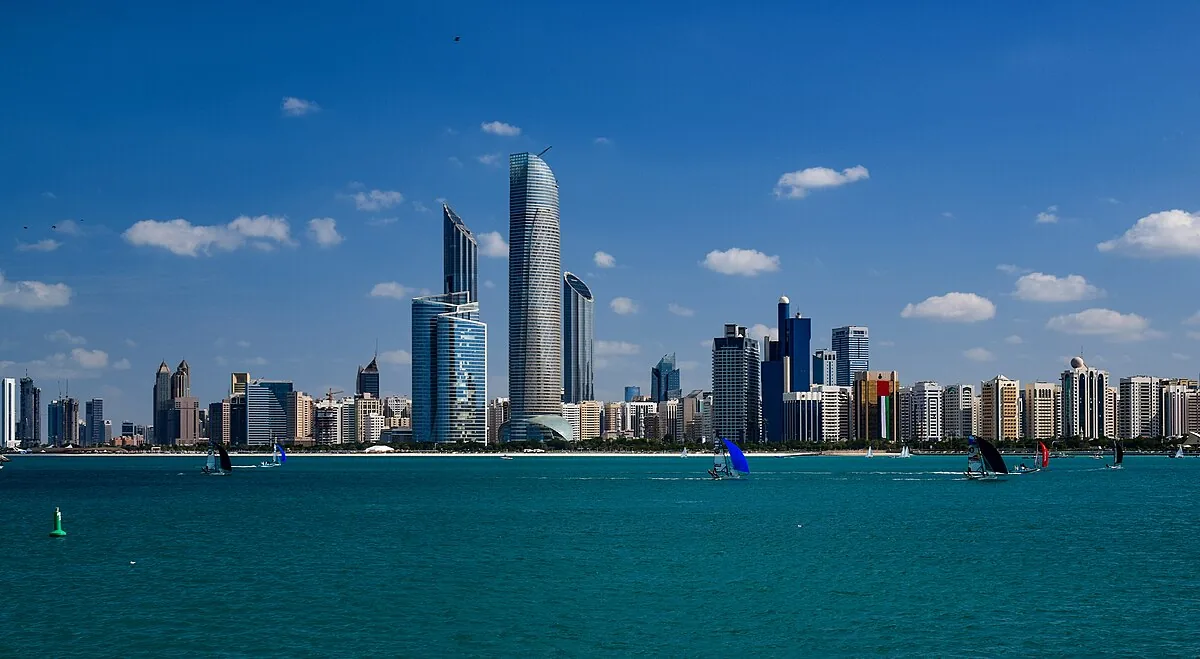
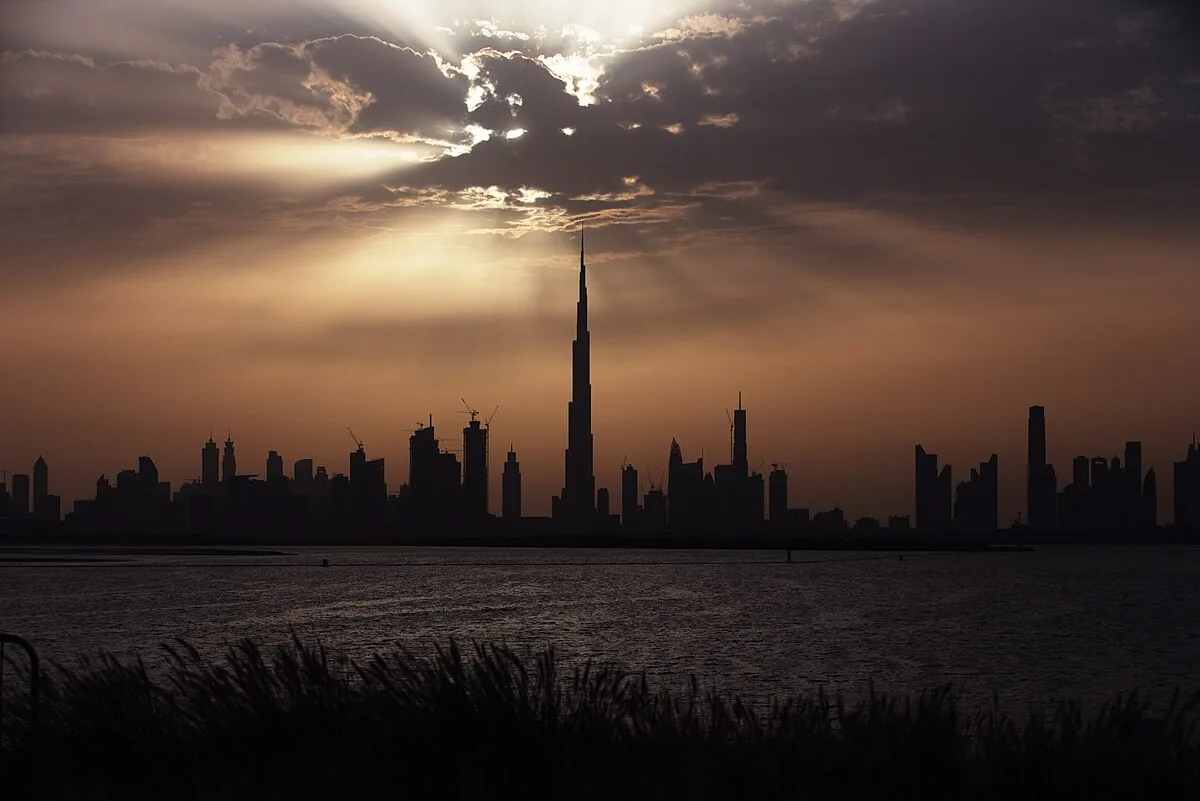
“Long before the first skyscrapers touched the clouds in Dubai, Neolithic hunters were carving flint spearheads in these Sharjah caves, leaving behind the first footprints of our species outside Africa.”
About Mleiha Archaeological Centre
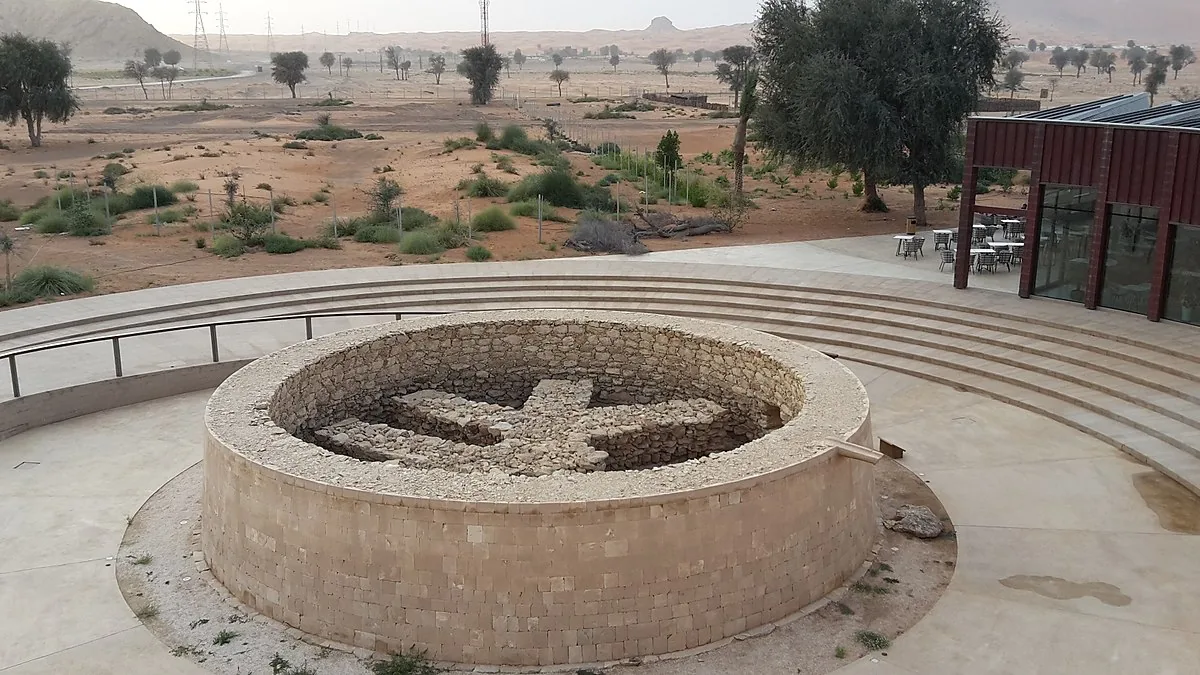
Mleiha’s story is told in layers, beginning with the Middle Paleolithic era when a wetter climate turned this desert into a savanna. By 2500 BCE, the Umm Al Nar people were building sophisticated communal graves, the largest of which is preserved at the centre's core. The site reached its peak as a kingdom between the 3rd century BCE and the 3rd century CE, acting as a cosmopolitan melting pot for Greek, Roman, and South Arabian cultures. It was during this time that the local inhabitants built a massive square fort and developed a unique script. For reasons still debated by historians, perhaps shifting trade routes or a drying climate, the settlement was eventually reclaimed by the sands, remaining a whispered legend until modern shovels struck the first mud-brick walls forty years ago.
In brief
Copper-hued dunes ripple toward the horizon in Sharjah’s central desert, hiding a subterranean history that spans nearly 130,000 years. The Mleiha Archaeological Centre rises from this sand like a rusted steel echo of the surrounding Fossil Rock, its weathered metal walls mimicking the geological textures of the desert. Inside, the architecture wraps around the Umm Al Nar tomb, a massive circular stone grave that is the heart of the facility. This site operates as a route into an ancient world where early humans first stepped out of Africa, settling in a landscape that was then lush and green. Today, the contrast between the sleek, climate-controlled museum and the raw, prehistoric valley outside creates a powerful sense of time’s passage. From a place where Paleolithic flint tools and Hellenistic coins are pulled from the same parched earth.
Copper-hued dunes ripple toward the horizon in Sharjah’s central desert, hiding a subterranean history that spans nearly 130,000 years.
Excavations began in the 1980s, revealing that Mleiha
Excavations began in the 1980s, revealing that Mleiha was a vital stop on the ancient spice and incense routes. Archaeologists uncovered a sophisticated agrarian society that thrived here two millennia ago, building forts and vast underground irrigation channels. The most poignant discovery involved the horse and camel burials, where animals were interred with ornate gold and silver trappings, reflecting a deep spiritual bond with their owners. During the first century BCE, the settlement became a hub of regional commerce, even minting its own currency modeled after the coinage of Alexander the Great. The modern centre, designed by Dabbagh Architects, opened in 2016 to protect these delicate excavations while providing a narrative thread that connects nomadic Stone Age hunters to the sedentary Iron Age farmers who followed.
The air inside the centre carries a hushed, reverent quality, with floor-to-ceiling glass providing an unobstructed view of the Bronze Age tombs. The presence of the grit of history stepping outside for a guided trek toward the 'Valley of the Caves,' where the limestone cliffs are riddled with natural shelters used by early humans. As the afternoon sun hits the jagged peaks of Jebel Faya, the shadows stretch across the sand, revealing the outlines of ancient foundations that are invisible in the midday glare. The dry, herbaceous scent of desert scrub walking past the ruins of a pre-Islamic palace. The silence of the desert is absolute here, broken only by the crunch of gravel under your boots or the occasional call of a desert lark. People generally find the sunset lounge at the end of the day to be the most evocative moment, as the stars emerge over a landscape that has remained largely unchanged for eons.
Driving from Dubai takes approximately fifty
Driving from Dubai takes approximately fifty minutes, following the Sharjah-Kalba Road into the heart of the emirate's red-sand interior. The transition from the steel forests of the coast to the open gravel plains is abrupt and refreshing. Taxis can make the trip, but a private vehicle allows for more flexibility to explore the surrounding geological formations like Camel Rock. The turn-off is clearly marked, leading down a paved road like it is disappearing into the emptiness of the dunes. Upon arrival, the parking area sits just below the main structure, offering an immediate panoramic view of the mountains that have watched over this valley since the dawn of the human story.
Driving from Dubai takes approximately fifty minutes, following the Sharjah-Kalba Road into the heart of the emirate's red-sand interior.
The Experience
The desert here doesn't just feel like empty space; it feels like an archive. A strange shiver of connection when standing before a 2,000-year-old horse skeleton, still wearing its bronze harness in a silent desert grave. The light in the late afternoon is buttery and thick, turning the limestone hills into gold and making the ancient ruins glow with a soft, ethereal heat. What hits is how the modern museum building almost disappears into the landscape, its rusted skin matching the iron-rich sand perfectly. The most profound moment happens after dark during the stargazing sessions, when the lack of light pollution reveals the same constellations that guided the caravans through this valley three thousand years ago.
Why It Matters
Mleiha is the most important link in the chain of human migration through the Arabian Peninsula. It proves that the UAE is not a new country, but a very old crossroads where the East and West have been exchanging ideas, goods, and DNA for millennia. It offers a tangible, grounded counterpoint to the rapid urbanization of the coast, anchoring the national identity in the very soil of the desert.
Why Visit
This is the antidote to the glitz of the coastal cities. If you want to understand the true spirit of the Emirates, you have to stand in the wind of the Mleiha valley. It provides a rare opportunity to see active archaeological trenches and prehistoric caves in a setting that feels like a film set from an older, wilder world.
✦ Insider Tips
- 1
Book the sunset trek to the Faya Caves to see the Neolithic hearths just as the light begins to fail, which makes the ancient dwelling spaces feel occupied again.
- 2
The museum cafe has an outdoor terrace that offers the best vantage point for photographing the circular Umm Al Nar tomb from above.
- 3
Ask for a guide who specializes in the Falaj system; the complexity of these ancient water tunnels is best explained while standing directly over the access points.
- 4
Look for the small, fossilized seashells embedded in the rocks at Fossil Rock, proving this entire desert was once a vibrant seabed.
- 5
If you are staying for the night, the overnight camping experience includes a traditional Bedouin dinner and a private telescope session with an astronomer.