England's highest mountain was dedicated as a war memorial in 1920 by the landowner who donated the summit to the National Trust, and the summit plateau, on clear days, provides simultaneous views of Wales, Scotland, and Ireland.
About Scafell Pike
The Lake District's literary associations, Wordsworth, Coleridge, Ruskin, shaped the Romantic conception of English landscape. Lord Leconfield donated the Scafell summit to the National Trust as a First World War memorial in 1920; the National Trust has since spent millions restoring erosion damage from the volume of walkers.
Scafell Pike, at 978 metres, is the highest mountain in England, the summit of the Lake District's central fells and the England component of the Three Peaks Challenge that also includes Ben Nevis in Scotland and Snowdon in Wales. The mountain is owned by the National Trust, which acquired much of the Lake District fells in the early twentieth century, partly through donations inspired by Beatrix Potter and others who wanted the landscape protected from development. The ascent from Wasdale Head is the most direct route; from Borrowdale or Eskdale, the approach is longer but through scenically richer terrain.
“The ascent from Wasdale Head is the most direct route; from Borrowdale or Eskdale, the approach is longer but through scenically richer terrain.”
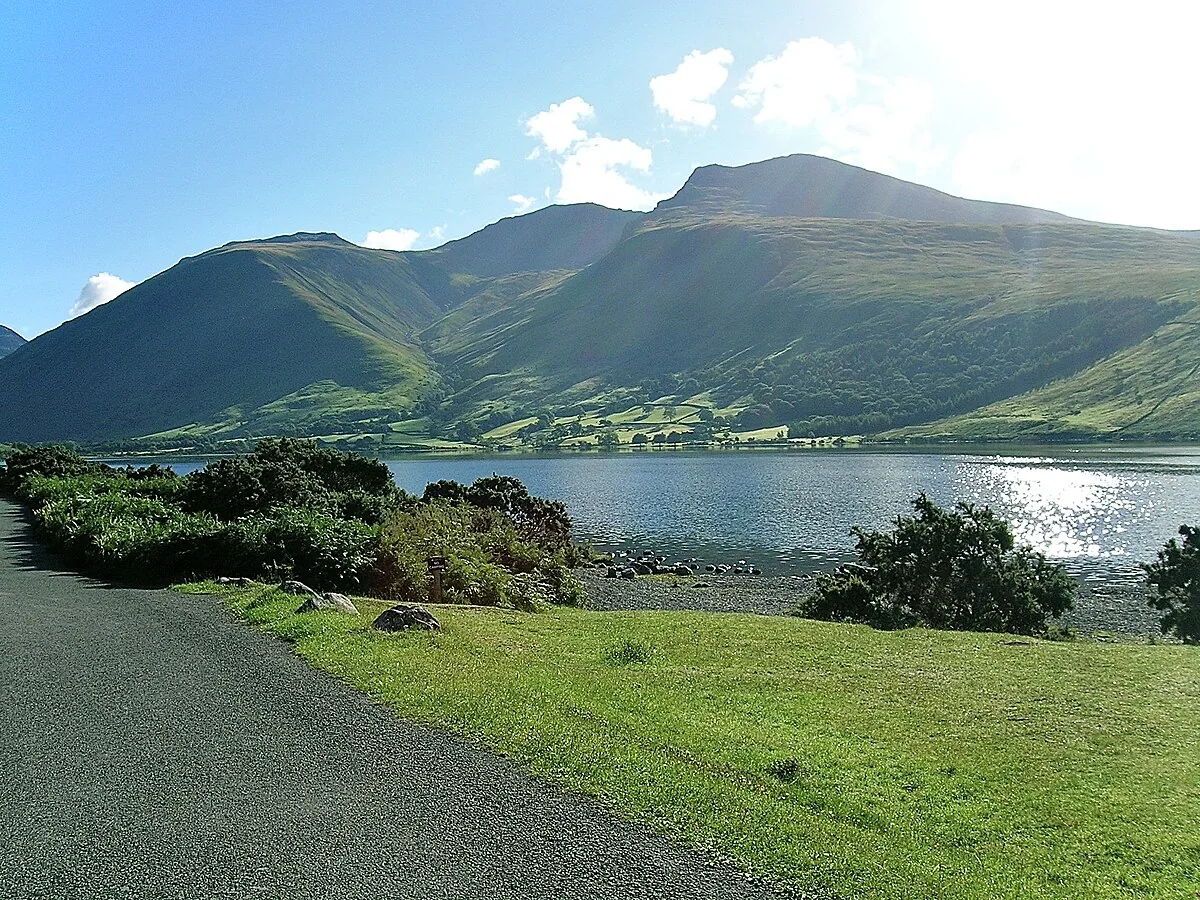
Scafell Pike, United Kingdom
The Lake District was shaped by both glaciation and the literary imagination, Wordsworth, Coleridge, De Quincey, Keats, and Ruskin all spent significant time here, writing about it in ways that created the Romantic conception of English landscape. The National Trust's acquisition of the Scafell massif was accelerated after the First World War, when the summit was dedicated as a war memorial in 1920 by Lord Leconfield, who donated the land. The erosion on the main ascent paths, particularly from Wasdale Head, has been significant due to the volume of walkers, the National Trust has spent millions on path restoration using traditional stone pitching techniques to stabilize the most heavily used sections.
The Wasdale Head approach takes approximately five to seven hours for the return trip at a moderate pace. The final section to the summit plateau is boulder field, a scramble over large loose rocks that requires attention to footing but no technical climbing skill. The summit cairn and wind shelter sit on a broad plateau; visibility permitting, the view extends over the Scafell range, the Lake District valleys, the Irish Sea, and on clear days, Wales, Scotland, and Ireland simultaneously. The mountain is notorious for rapid weather change, cloud can descend in minutes, reducing visibility to a few metres.
Wasdale Head, the most common starting point , is in the western Lake District, a remote location requiring a car. The nearest train station is Drigg (for Ravenglass) or Workington, both requiring a car for the final section. Keswick and Ambleside on the eastern side of the district have better public transport and provide alternative starting points via Borrowdale.
“Wasdale Head, the most common starting point , is in the western Lake District, a remote location requiring a car.”
The Experience
Ascend the five-to-seven-hour round trip from Wasdale Head through boulder field to the summit cairn and wind shelter, take in views extending to Wales, Scotland, and Ireland in clear conditions, and navigate the mountain's rapid weather changes with appropriate preparation.
Why It Matters
England's highest point and the England component of the Three Peaks Challenge, a mountain whose summit was dedicated as a war memorial and whose landscape sits within the Lake District UNESCO World Heritage Site.
Why Visit
The summit plateau on a clear day rewards the effort with a view that spans four countries. The boulder field approach, requiring concentration on footing rather than scenery, creates the sense of earned arrival that distinguishes mountain summits from viewpoints reached by cable car.
Insider Tips
- 1
Check the Mountain Weather Information Service forecast specifically for the Scafell range before setting out, valley weather is an unreliable guide to summit conditions.
- 2
Navigation on the summit plateau in cloud requires a compass, the boulder field provides few landmarks.
- 3
The Corridor Route from Borrowdale via Sty Head is longer but scenically superior to the direct Wasdale approach.