“A Norman fortress built to overawe London's conquered population in 1078 has served as palace, prison, mint, and menagerie, and at least six ravens must be kept on site at all times, by royal decree, to prevent the kingdom from falling.”
About Tower of London
William the Conqueror's White Tower established the complex that successive medieval kings expanded into England's most significant fortress. Its role as a prison secured its place in British historical memory: Anne Boleyn, Thomas More, and the two princes whose 1483 disappearance remains unexplained all passed through its gates.
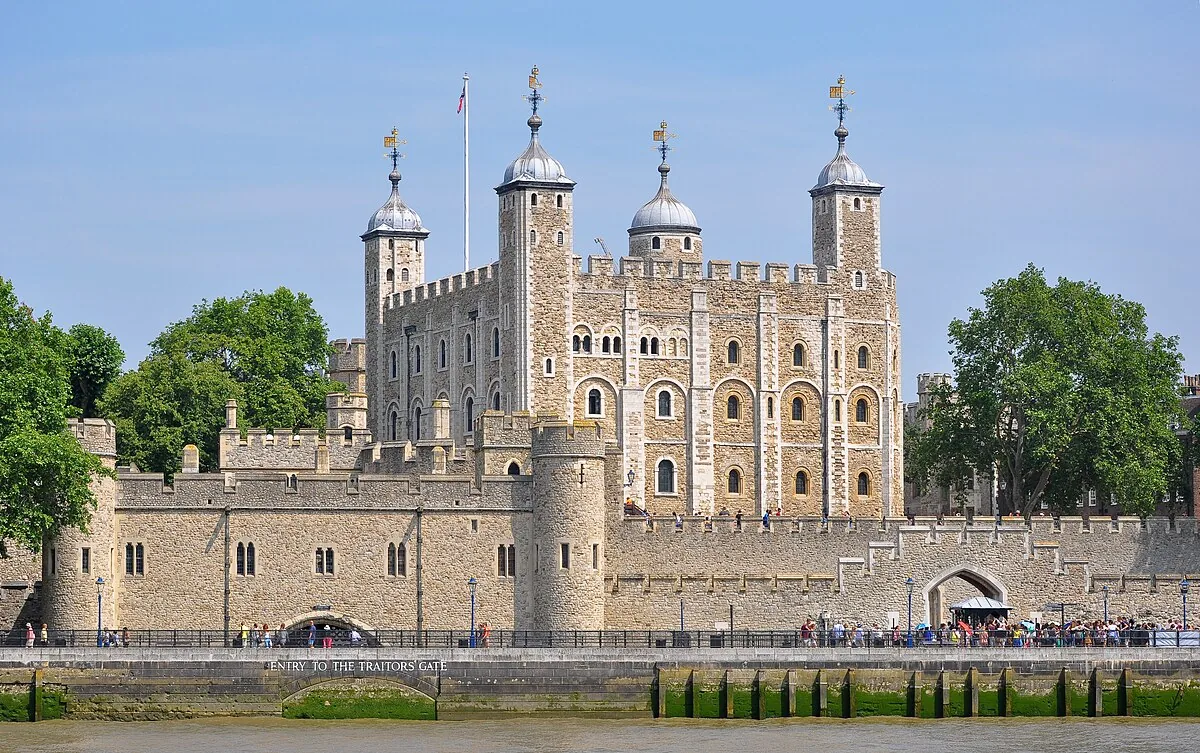
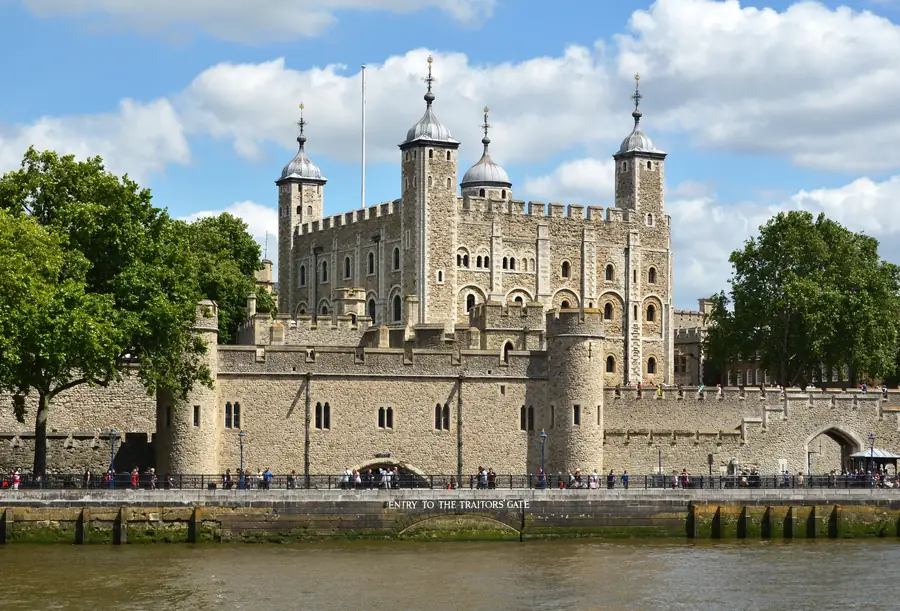
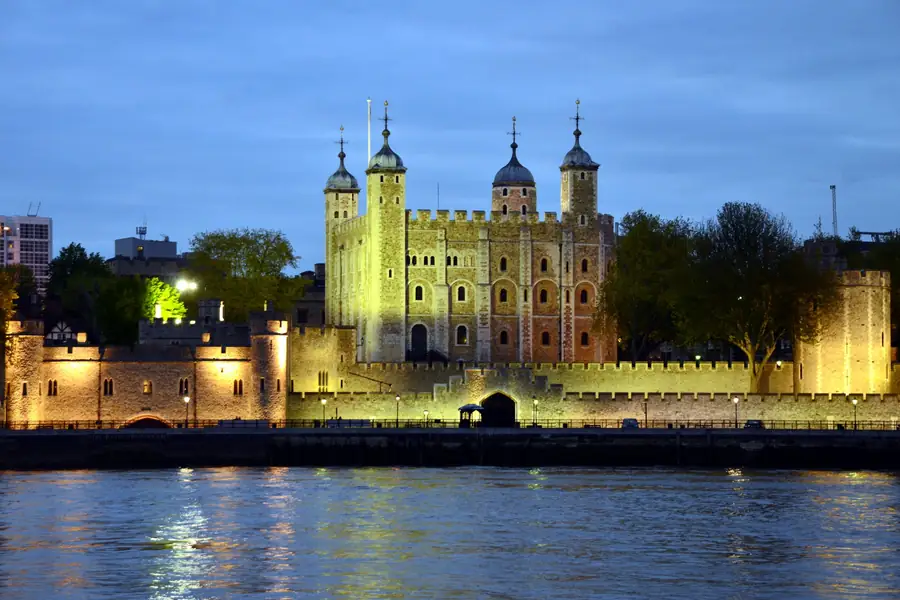
The Tower of London is a medieval fortress on the north bank of the Thames that has was a royal palace, an armory, a mint, a treasury, a menagerie, and most famously, a state prison for nearly a thousand years. The White Tower at its center was built by William the Conqueror around 1078, making it one of the oldest surviving Norman structures in England. The Crown Jewels, the working regalia of the British monarchy, are held in the Jewel House and displayed daily to millions of visitors.
The White Tower at its center was built by William the Conqueror around 1078, making it one of the oldest surviving Norman structures in England.
William built the White Tower as both a residence and a demonstration of Norman military power over a recently conquered population, its position on the river gave it visibility from much of the medieval city. Successive medieval kings expanded the complex with additional towers, walls, and the moat. The Tower's role as a prison made it the site of executions and deaths that remain fixed in British historical memory: Anne Boleyn, Thomas More, Lady Jane Grey, and the two princes whose disappearance within its walls in 1483 has never been satisfactorily explained. The Tower Ravens, at least six must remain on the site at all times, by royal decree, were established as a fixture in the late seventeenth century; their departure, legend holds, would cause the kingdom to fall.
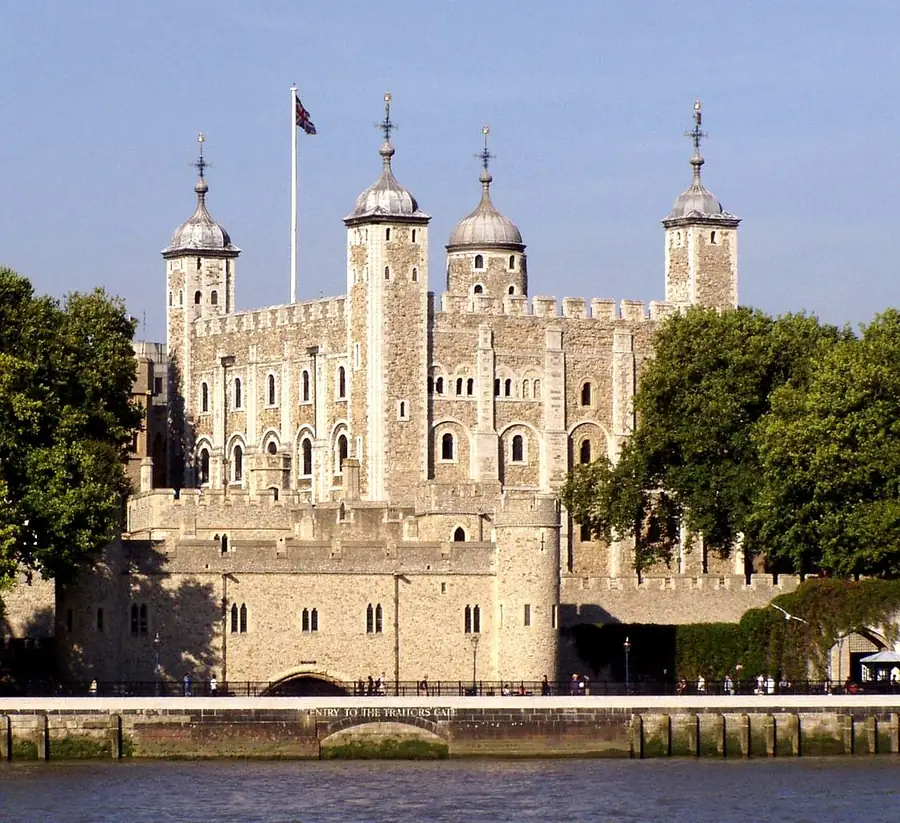
The Yeoman Warders, Beefeaters, conduct hourly tours that cover the Tower's history with a directness and occasional dark humor that goes beyond the standard heritage script. The Crown Jewels display involves a moving walkway past the principal pieces during peak hours, which limits dwell time but keeps the queue moving; arriving near opening allows more stationary viewing. The medieval palace reconstruction in the Wakefield Tower and the Beauchamp Tower, where prisoners carved inscriptions into the stone that survive, are the most historically absorbing spaces in the complex. The Wall Walk along the outer defenses gives views over the Thames and Tower Bridge.
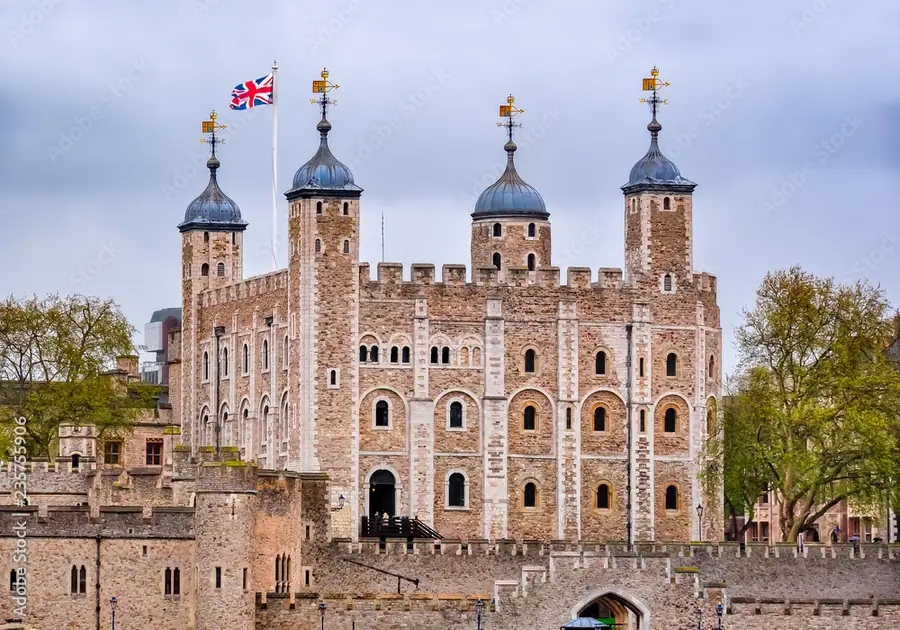
The Tower is at Tower Hill in the City of London, with its own Underground station (Tower Hill, District and Circle lines). The Thames Clipper river bus from Westminster or London Bridge is a useful alternative that arrives at Tower Pier beneath the walls.
The Tower is at Tower Hill in the City of London, with its own Underground station (Tower Hill, District and Circle lines).
The Experience
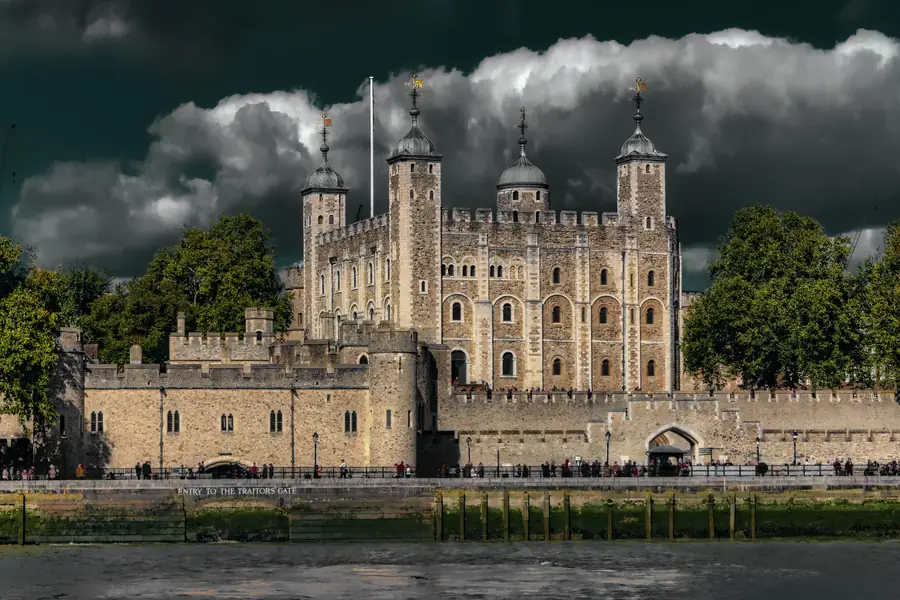
Join a Yeoman Warder tour for the Tower's history delivered with characteristic directness, view the Crown Jewels in the Jewel House, read the prisoner inscriptions carved into the Beauchamp Tower stone, and walk the Wall Walk for views over the Thames and Tower Bridge.
Why It Matters
A UNESCO World Heritage Site and one of England's defining historical monuments, a working royal institution that has been continuously occupied since 1078 and still houses the Crown Jewels of the British monarchy.
Why Visit
The prisoner carvings in the Beauchamp Tower, names and prayers cut into the stone by men and women awaiting execution or indefinite imprisonment, are among the most affecting historical traces in any British building. The Crown Jewels are the real objects used at coronations, not replicas.
✦ Insider Tips
- 1
The Ceremony of the Keys (the nightly locking of the Tower) is free but requires tickets booked months ahead through the Tower website.
- 2
Arriving at the 9am opening gives the best Crown Jewels viewing, the moving walkway is less rushed when the crowd is smaller.
- 3
The Beauchamp Tower prisoner inscriptions are in a separate building from the main tourist circuit, follow signs specifically for it.
- 4
The Thames Clipper river arrival beneath the walls is the most atmospheric approach and avoids Tower Hill tube crowding.