Every English and British monarch since 1066 has been crowned here except two who reigned too briefly, and the Coronation Chair, built to house Scotland's stolen Stone of Destiny in 1296, is the oldest piece of furniture in continuous use in England.
About Westminster Abbey
Edward the Confessor's burial here in 1065 established Westminster as a royal church; William's 1066 coronation began the coronation tradition. Henry III rebuilt the church from 1245 in French Gothic style. The Coronation Chair has held every English coronation since 1308.
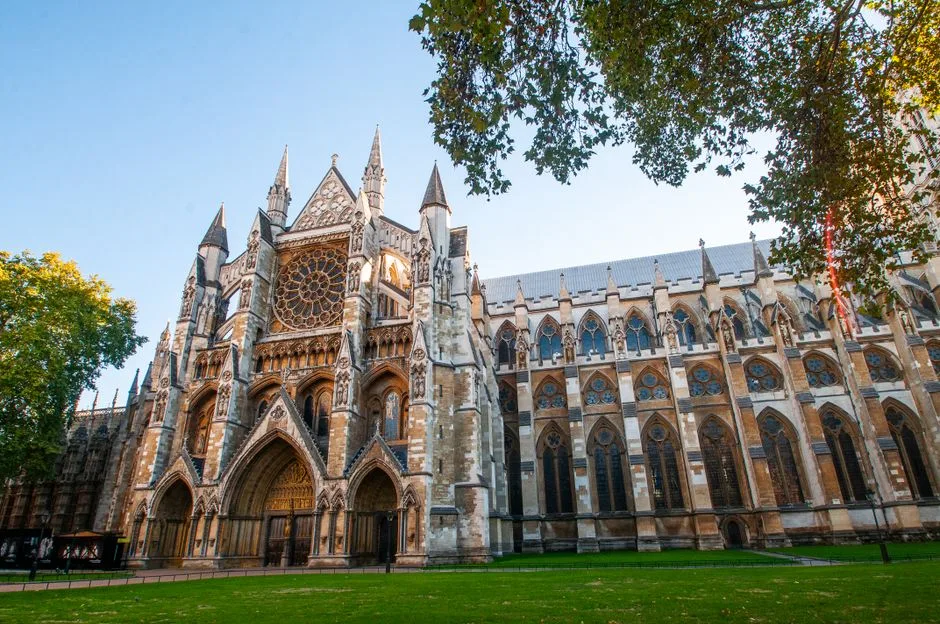
Westminster Abbey is the coronation church of England and the burial place of over three thousand notable figures, monarchs, scientists, poets, politicians, and military figures, in a building that has been a place of worship and royal ceremony since 1065. Every English and British monarch since William the Conqueror has been crowned here except Edward V and Edward VIII, both of whom did not reign long enough to be crowned. The Gothic structure visible today was rebuilt primarily under Henry III from 1245, in a style influenced by the French Gothic cathedrals he had seen on the Continent.
History
Edward the Confessor built the original abbey church and was buried here; William the Conqueror's coronation in the new church on Christmas Day 1066 established the tradition of royal coronations that has continued for nearly a thousand years. Henry III's rebuilding created the soaring Gothic nave and the chevet, the French-influenced rounded east end, that define the building's architectural character. The Coronation Chair, constructed to hold the Stone of Destiny after Edward I seized it from Scotland, has been used at every coronation since 1308 and returned to Scotland between coronations under an agreement made in 1996.
Poets' Corner in the south transept contains the graves or memorials of Chaucer, Shakespeare, Dickens, Hardy, Austen, Keats, Byron, and dozens of other writers. The Coronation Chair in the nave, a plain oak chair now visibly worn from centuries of handling, is the oldest piece of furniture in continuous use in England. The medieval chapter house, accessible through the cloisters, has floor tiles from 1250 and a painted series of Apocalypse scenes from the same period. The abbey is a working church with services that non-ticketed visitors can attend for free; evensong at 5pm on weekdays fills the building with choral music. Westminster Abbey is in Westminster, central London, adjacent to the Houses of Parliament and Big Ben. Westminster Underground station (Jubilee, District, and Circle lines) is immediately outside. Entry is ticketed for general visitors; services and evening events have free access.
The Experience
Walk Poets' Corner in the south transept for the density of literary memorials, see the visibly worn Coronation Chair in the nave, visit the 1250 tiled medieval chapter house through the cloisters, and attend weekday evensong at 5pm for choral music in the nave, free without a general ticket.
Why It Matters
England's coronation church since 1066 and the burial site of over three thousand significant figures, the physical accumulation of nearly a thousand years of British public life in a single Gothic building.
Why Visit
Evensong at 5pm on weekdays is among the finest free experiences in London, the abbey fills with choral sound and the weight of the building's history becomes most apparent in an act of worship rather than a tourist circuit.
✦ Photo Gallery
3 photos of Westminster Abbey · click to enlarge
Best Season
🌤 Year-round. The abbey is extremely busy in summer. Evensong admission is free and requires no ticket.
Quick Facts
Entry
Around 29 GBP for an adult ticket booked online; worship services are free to attend.
Opening hours
Open to visitors Monday to Saturday, roughly 9:30am to 3:30pm last entry; closed to tourism on Sundays (services only).
Time needed
About 1.5 to 2 hours.
Best time to visit
Year-round. The abbey is extremely busy in summer. Evensong admission is free and requires no ticket.
Getting there
In central London beside the Houses of Parliament; nearest Underground is Westminster on the Jubilee, District and Circle lines.
What's nearby
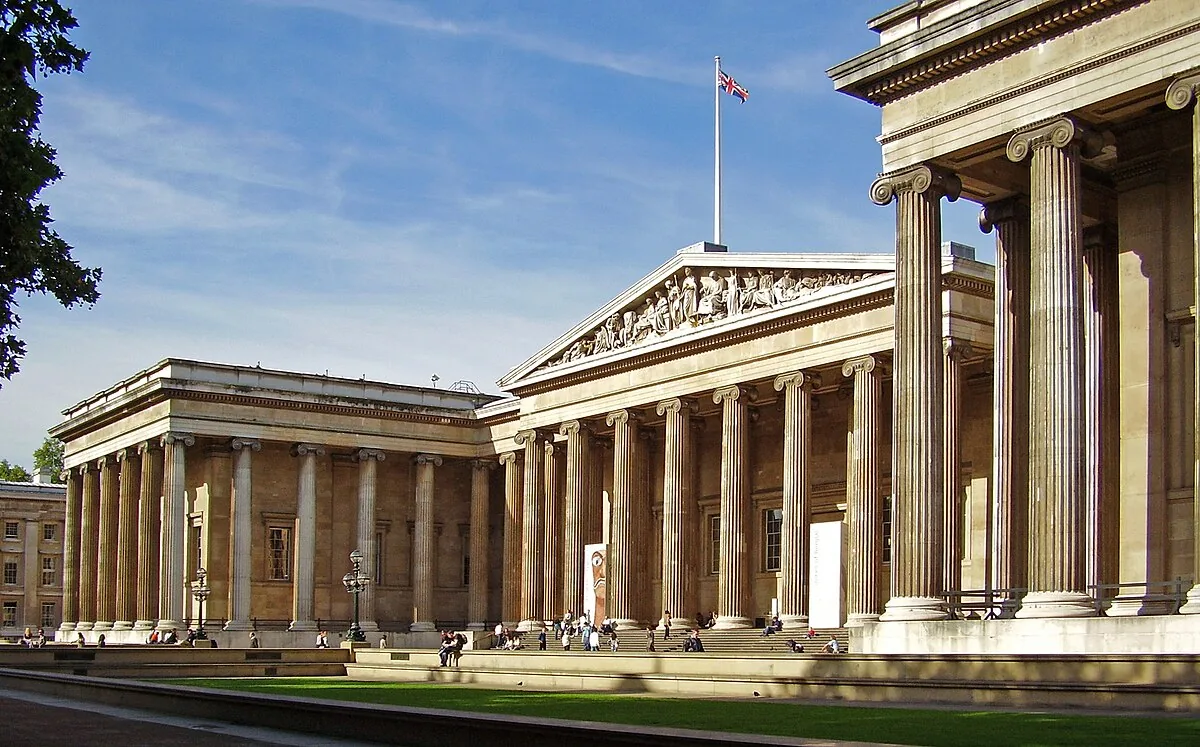
British Museum, Tower of London and Richmond Park are also in the area.
Location
London, United Kingdom
Type
attraction
Coordinates
51.4994°, -0.1275°
Insider Tips
- 1
Evensong at 5pm on weekdays (4pm Saturdays, 3pm Sundays) is free, arrive fifteen minutes early to secure seating.
- 2
The chapter house floor tiles from 1250 are among the finest medieval tiles in England, spend time there rather than rushing through.
- 3
The garden behind the cloisters (open Tuesday to Thursday in summer) is one of central London's quietest outdoor spaces.
- 4
The audio guide is essential for navigating the complex burial layout, Poets' Corner alone contains over a hundred memorials.