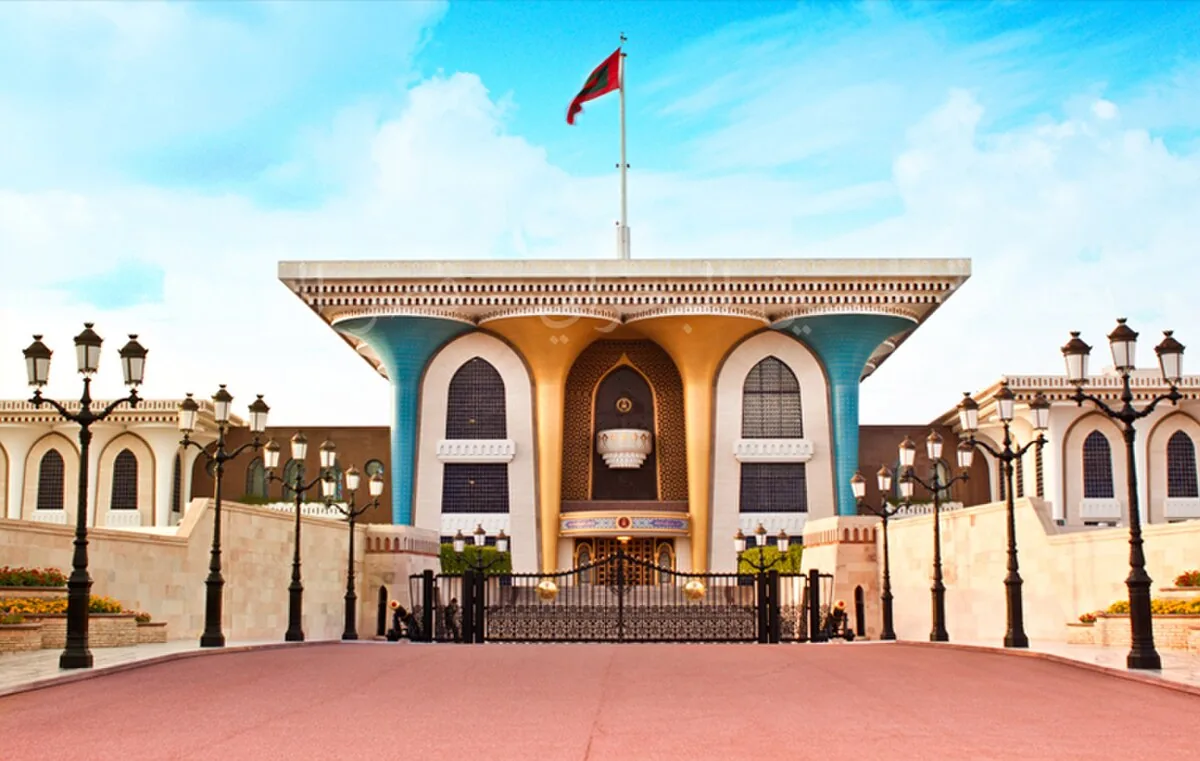
Muscat does not try to impress you, which is why it does
There is a height restriction on buildings in Muscat. The result is a capital that stretches along the coast at human scale, between the Hajar Mountains and the Gulf of Oman, with no skyline to speak of. The Sultan Qaboos Grand Mosque is open to non-Muslim visitors until 11am. The main prayer hall has one of the world's largest hand-knotted carpets, and the chandelier above it weighs eight tonnes. Take your shoes off and go in.
The Mutrah Souq is the oldest market in the country: frankincense, silver daggers, and textiles in a narrow covered labyrinth that dead-ends at the Corniche. The fish market a few minutes away is a different world. Tuna the size of your leg, sharks laid out on ice, and a noise level that makes conversation impossible. Buy the fish, walk it to one of the restaurants behind the market, and they will cook it for you.
Muscat rewards two days. It is not trying to be a destination. It is a comfortable, well-run city with good food and the mountains right behind it.
You came for the wadis. Go get wet
A wadi is a seasonal riverbed cut through rock. In Oman, many hold permanent pools of clear water in narrow canyons, even when the temperature outside is 40C. This is the thing that separates Oman from every other Gulf state.
Wadi Shab is the famous one. You park, take a small boat across a reservoir, and hike 45 minutes along a gorge. Then the path ends and you swim. Through pools, between canyon walls, until you reach a waterfall inside a cave. It is not a stroll. Bring a dry bag and water shoes.
Wadi Bani Khalid is gentler. Year-round turquoise pools surrounded by palm trees, families picnicking, easy access from the highway. Wadi Tiwi is the one for people who want fewer people: a narrow gorge with villages clinging to ledges above the water and pools you reach by scrambling.
Flash floods are real. After rain, stay out. Check weather reports and ask locally. The falaj system, ancient irrigation channels that carry mountain water to farms, is still in use and is UNESCO-listed. The whole water engineering tradition here runs deeper than the tourist experience.
Jebel Shams and the canyon you did not expect to find here
The Hajar Mountains run through northern Oman, and Jebel Shams, the highest point at 3,009 metres, overlooks a gorge called Wadi Ghul. It drops 1,000 metres. The Balcony Walk follows the canyon rim for about four hours out and back, with enough exposure to keep your attention.
Partway up the mountain road, the village of Misfat al Abriyeen is a restored mud-brick settlement built into a cliff face, with terraced date palms and a falaj channel running through it. You can sleep in a converted house. It is one of the most photogenic spots in the country and it knows it, but the setting is genuine.
A 4x4 is necessary for the upper Jebel Shams road. The mountain is cool enough to camp on when the coast is unbearable. At night, the plateau has zero light pollution. Bring warm layers. The temperature difference between the coast and the summit can be 20 degrees.
Timing
When to visit Oman
October to March for northern Oman: warm, sunny days and cool mountain nights. This is the window for wadis, desert camps and mountain hikes. June to September brings unbearable heat to the north but is the khareef (monsoon) season in Salalah, when the south turns green. April and May are shoulder months with fewer crowds and manageable heat.
Average temperature & rainfall in Muscat
Temp °CRain mmReal climate averages for Muscat (capital). Source: Open-Meteo archive. Rainfall is total monthly precipitation.
Sample route
The perfect 5 days in Oman
A ready-made 5-day route built from Oman's top sights. Adjust it to your pace, or generate your own plan.
Salalah flips everything upside down
Southern Oman operates on different rules. Salalah, a 90-minute flight from Muscat, sits on the Dhofar coast. From June to September, the khareef monsoon rolls in. The desert goes green. Waterfalls appear. The air gets thick and humid. It looks nothing like Arabia. It looks like East Africa.
This is the frankincense region. Wadi Dawkah, a UNESCO site, has wild frankincense trees you can touch. The resin was worth more by weight than gold in the ancient world, and the overland trade routes that carried it north connected Oman to Rome, Egypt and Persia. The Al Balid ruins in Salalah preserve the medieval port that shipped it. The museum beside the ruins is small and excellent.
Mughsail Beach has blowholes that shoot seawater into the air when the swell is right. The road west along the coast toward Yemen is spectacular and mostly empty. Salalah outside khareef season is warm, dry and quiet. During khareef, it fills with Gulf tourists escaping the heat. Plan your timing around which Salalah you want.
A night in the desert, if you want it
The Wahiba Sands (officially Sharqiya Sands) is three hours from Muscat. Dune camps range from basic Bedouin tents to setups with air conditioning and en-suite bathrooms. Most include a sunset dune drive, some sandboarding, and a morning camel ride. It is a packaged experience and it does not pretend otherwise, but the dunes at sunset are worth it.
The real Empty Quarter starts further south. The Rub' al Khali is the largest sand desert on Earth and the northern edge is accessible from Salalah by 4x4 with a guide. Out there: no roads, no signal, no sound. That is a different kind of trip and requires serious planning.
How to actually plan this
Rent a car. Oman is a driving country with excellent roads and limited public transport outside Muscat. A 2WD handles the highways and most wadi car parks. A 4x4 handles everything. Fuel costs almost nothing.
Dress modestly at mosques and in rural areas. Shoulders and knees covered. Alcohol is available at licensed hotel restaurants and costs a lot. Omani coffee (qahwa), cardamom-spiced and served in tiny cups, is offered everywhere and refusing it is rude.
Avoid the northern coast from June to September. Temperatures hit 45-48C and the humidity makes it worse. October to March is ideal. If you want Salalah during the khareef, June to September is the window and it will be crowded by Salalah standards.
Oman is safe. Almost absurdly so. Crime against tourists is nearly nonexistent. The biggest risk is the heat.
Visa & Entry
Do you need a visa for Oman?
14 countries enter Oman visa-free. Check the full requirements for your passport →
FAQ
Oman, your questions
MapCurio Editorial
Reporting on Middle Eastern culture, heritage and travel. Visa and entry rules are cross-checked against the latest passport-index data, and climate figures use the Open-Meteo historical archive. Last reviewed June 2026. Always confirm visa and safety details with official sources before booking.
Keep exploring