Kuala Lumpur: where three cultures meet
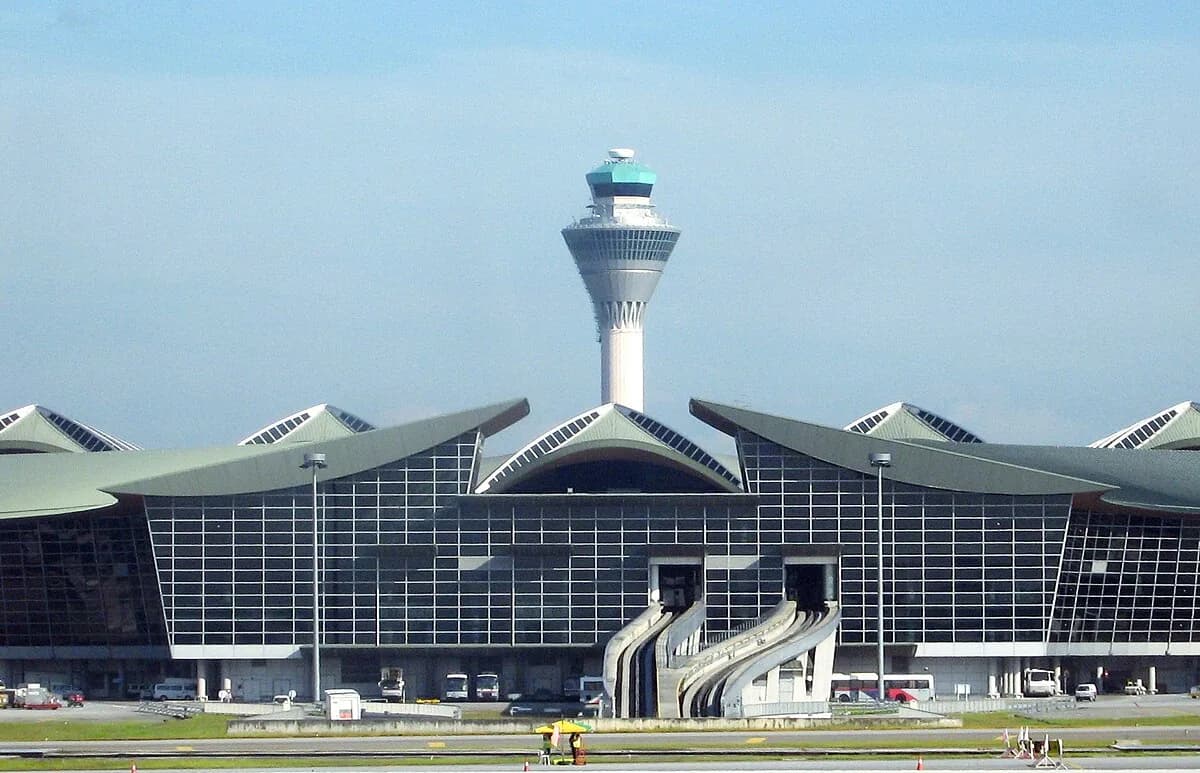
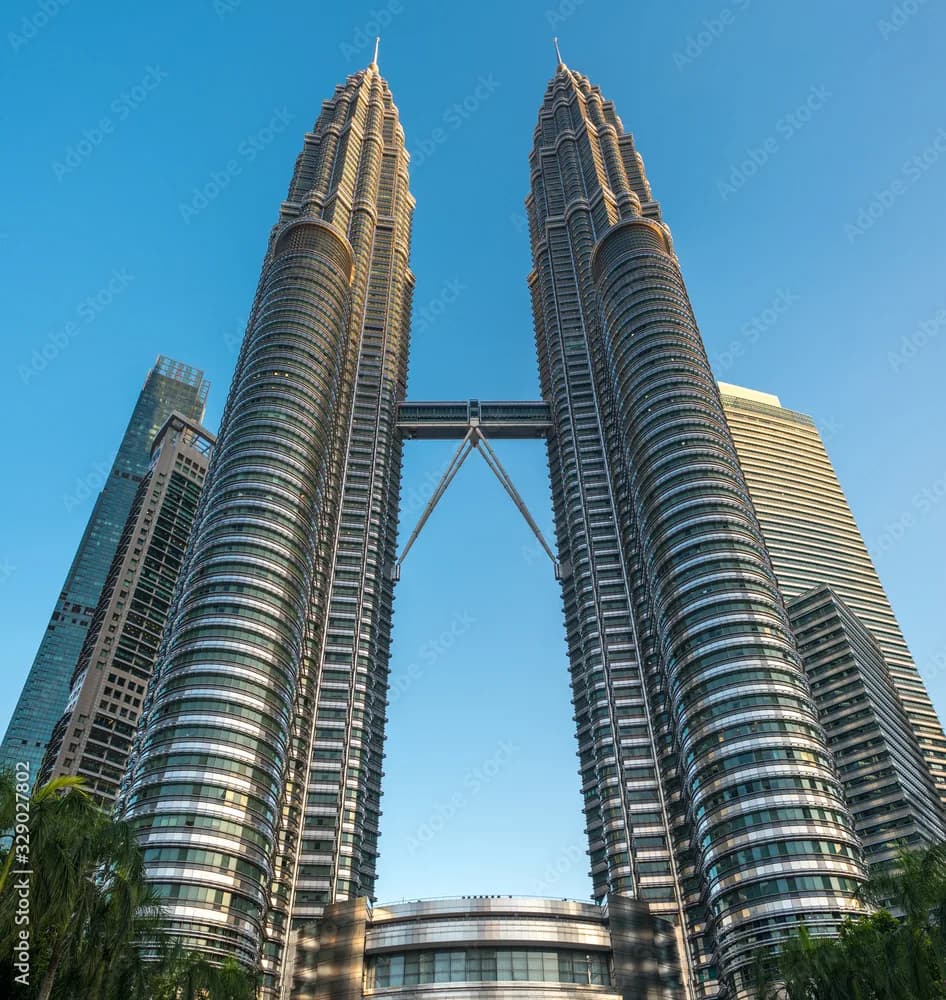
Kuala Lumpur is a modern, easy, underrated capital, and it makes the perfect introduction to the country. The Petronas Twin Towers still dazzle at night, but the city's real character is in its mix: Malay, Chinese and Indian communities living side by side, each with its own neighbourhood, temple and table.
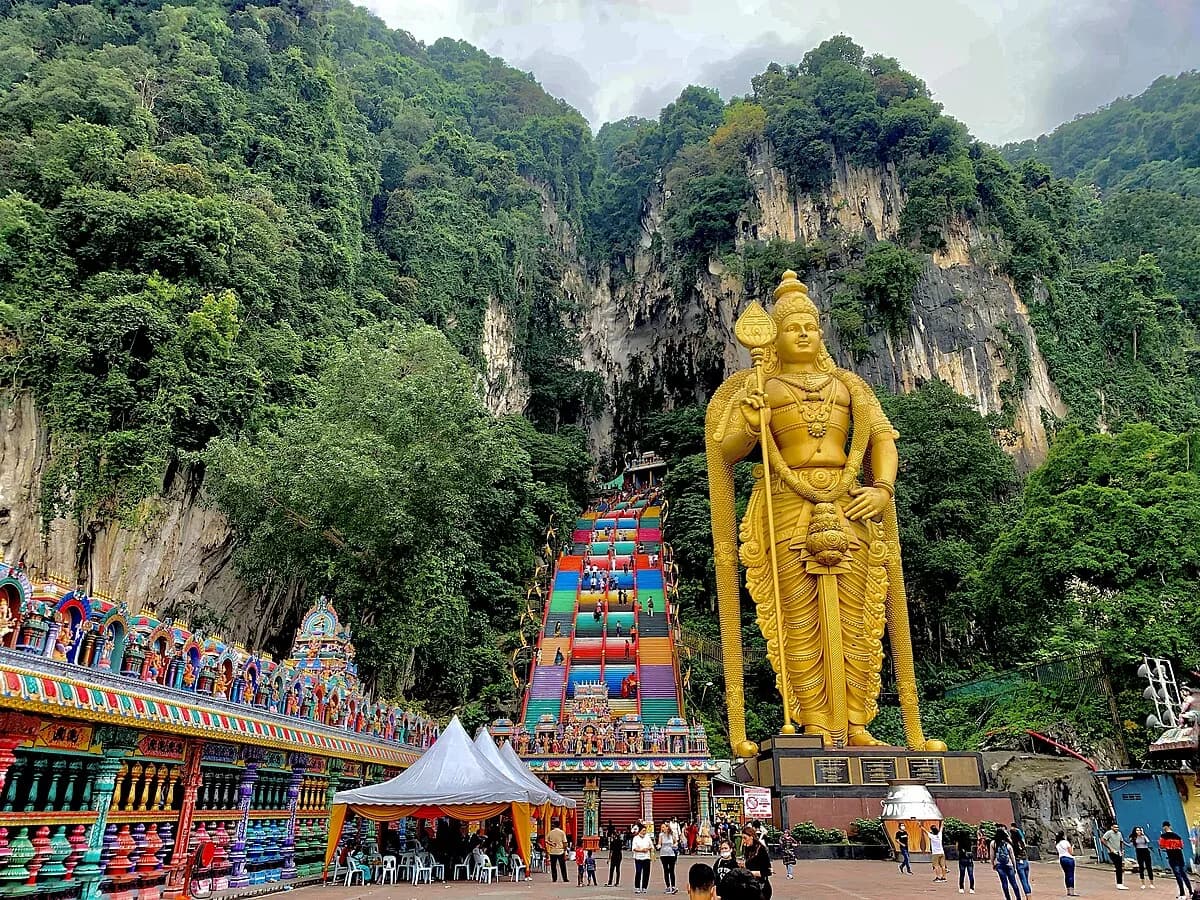
Wander the incense-thick lanes of Chinatown, the Hindu shrines and sari shops of Little India, and the food courts where you can eat your way around Asia in a single sitting. Climb the rainbow steps to the Hindu cave temples at Batu Caves on the city's edge, ride the cheap and efficient transit, and use KL as the launchpad it is. Two days is enough to feel its rhythm before you head out to the peninsula and beyond.
Penang and George Town: a food pilgrimage
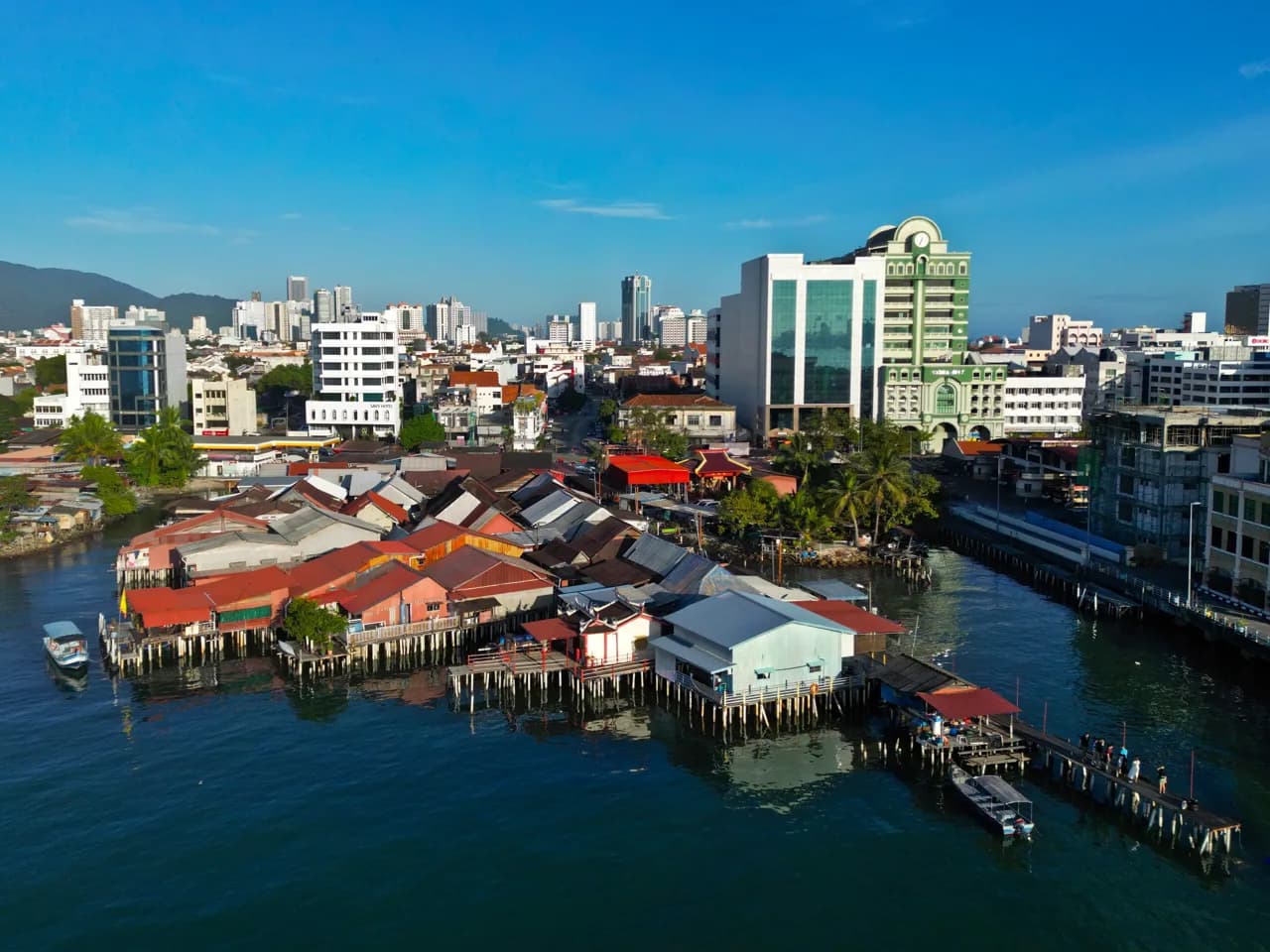
If Malaysia has a soul, it lives in George Town, the UNESCO-listed old quarter on the island of Penang. This is one of the great street-food cities of the world, full stop, and travellers plan whole trips around eating here.
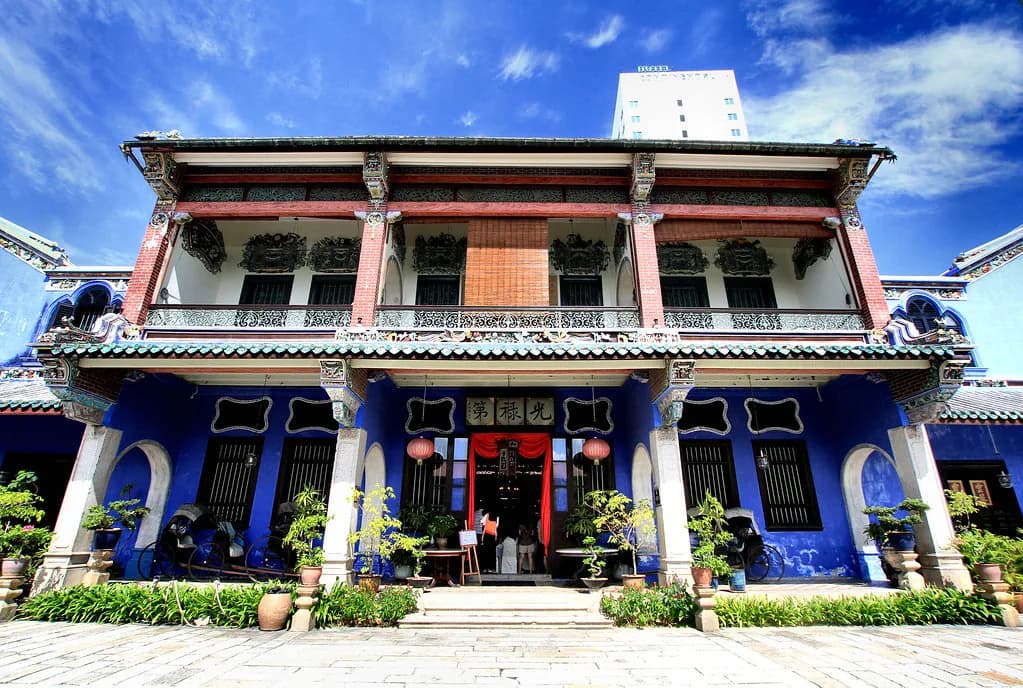
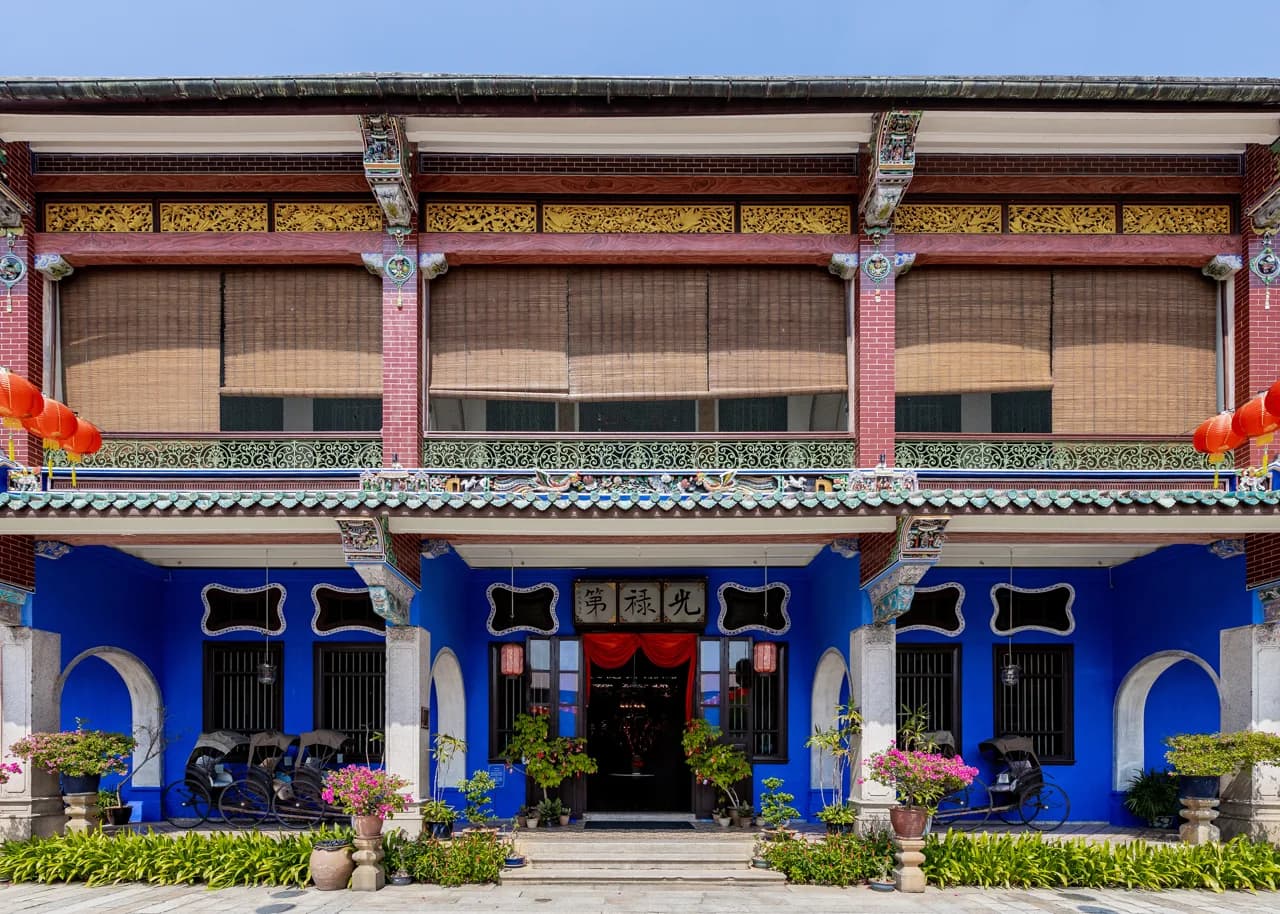
The colonial shophouses are covered in famous street-art murals, the clan jetties stretch out over the water on stilts, and the temples, mosques and churches sit cheek by jowl. But you come to eat: char kway teow fried over a roaring wok, assam laksa with its sour-fish punch, nasi kandar piled high, and cendol to cool down after. Follow the queues to the hawker stalls, order whatever the locals are ordering, and spend a couple of days in a happy, sweaty daze.
Borneo: orangutans, a giant mountain and Sipadan
For the adventure half of the trip, fly to Malaysian Borneo, a short hop east and a different world. The state of Sabah is the headline. Here you can see wild orangutans, one of only two countries on Earth where you can, along with proboscis monkeys and pygmy elephants on a river cruise through the Kinabatangan jungle.
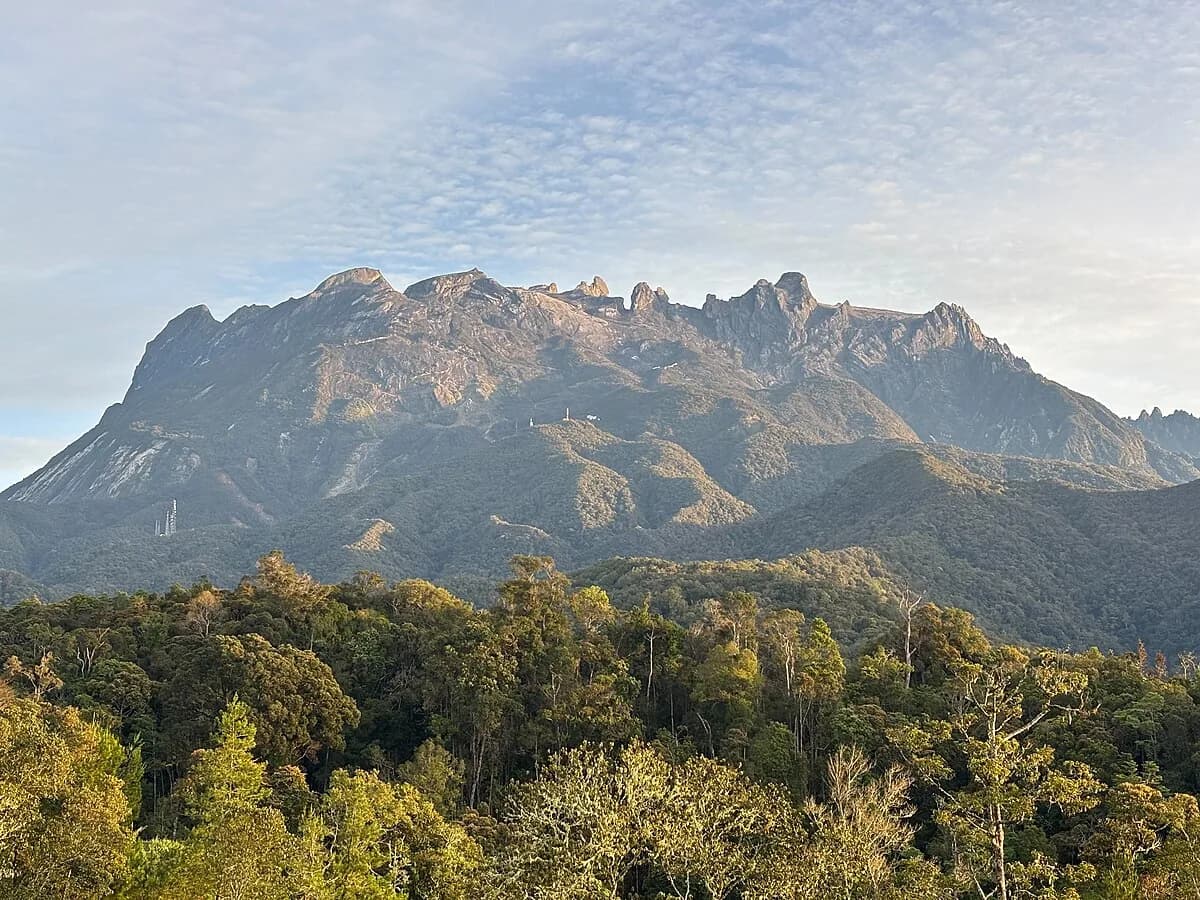
Climb Mount Kinabalu, the highest peak in Southeast Asia, on a two-day trek to a sunrise summit. And dive Sipadan, regularly ranked among the best dive sites in the world, a wall of marine life with turtles and barracuda tornadoes (permits are limited, so book well ahead). Neighbouring Sarawak adds the longhouses and caves of the interior. Borneo takes effort and rewards it with some of the wildest experiences in Asia.
Timing
When to visit Malaysia
Malaysia is tropical and warm year-round, but two monsoons hit different coasts at different times. The west coast (KL, Penang, Langkawi) is best from December to April. The east coast islands (Perhentians, Tioman) are best from March to October and largely close in the wet months. Borneo is wettest around November to February.
Average temperature & rainfall in Kuala Lumpur
Temp °CRain mmReal climate averages for Kuala Lumpur (capital). Source: Open-Meteo archive. Rainfall is total monthly precipitation.
Sample route
The perfect 5 days in Malaysia
A ready-made 5-day route built from Malaysia's top sights. Adjust it to your pace, or generate your own plan.
Budget
What a day in Malaysia costs
Guesthouses and hostels, hawker-centre meals, budget flights and buses, and free city sights and jungle walks.
Comfortable hotels, internal flights to Borneo, guided wildlife river cruises, island bungalows, and dive trips.
Design hotels and island resorts, a Sipadan dive package, private Borneo wildlife lodges, and private guides.
All figures below are per person, per day in US dollars. The currency on the ground is the ringgit, and Malaysia is good value. English is widely spoken. Cards work in cities, but carry cash for hawker stalls and small towns.
Don't miss
The best places to visit in Malaysia
Taste
What to eat in Malaysia

The islands and the highlands
Between the cities and Borneo, Malaysia has beaches and mountains to slow down on. On the west coast, Langkawi is the easy resort island, with cable cars, mangroves and duty-free shopping. On the east coast, the Perhentian Islands and Tioman offer clearer water, cheaper bungalows and excellent snorkelling and diving, though they largely close during the monsoon.
Inland, the Cameron Highlands provide a cool escape into rolling tea plantations and strawberry farms, a colonial-era hill station where you can walk among the rows and drink the tea fresh. And for serious jungle, Taman Negara is one of the oldest rainforests on the planet, with canopy walkways and night safaris. There's enough variety here to fill a fortnight without ever feeling rushed.
When to go, the visa, and the food (again)
Malaysia is tropical and warm all year, but two monsoons hit different coasts at different times, which shapes the trip. The west coast (Langkawi, Penang, KL) is best from roughly December to April. The east coast and its islands (the Perhentians, Tioman) are best from roughly March to October and largely shut in the wet months. Borneo is wettest around November to February. There's almost always a good coast somewhere.
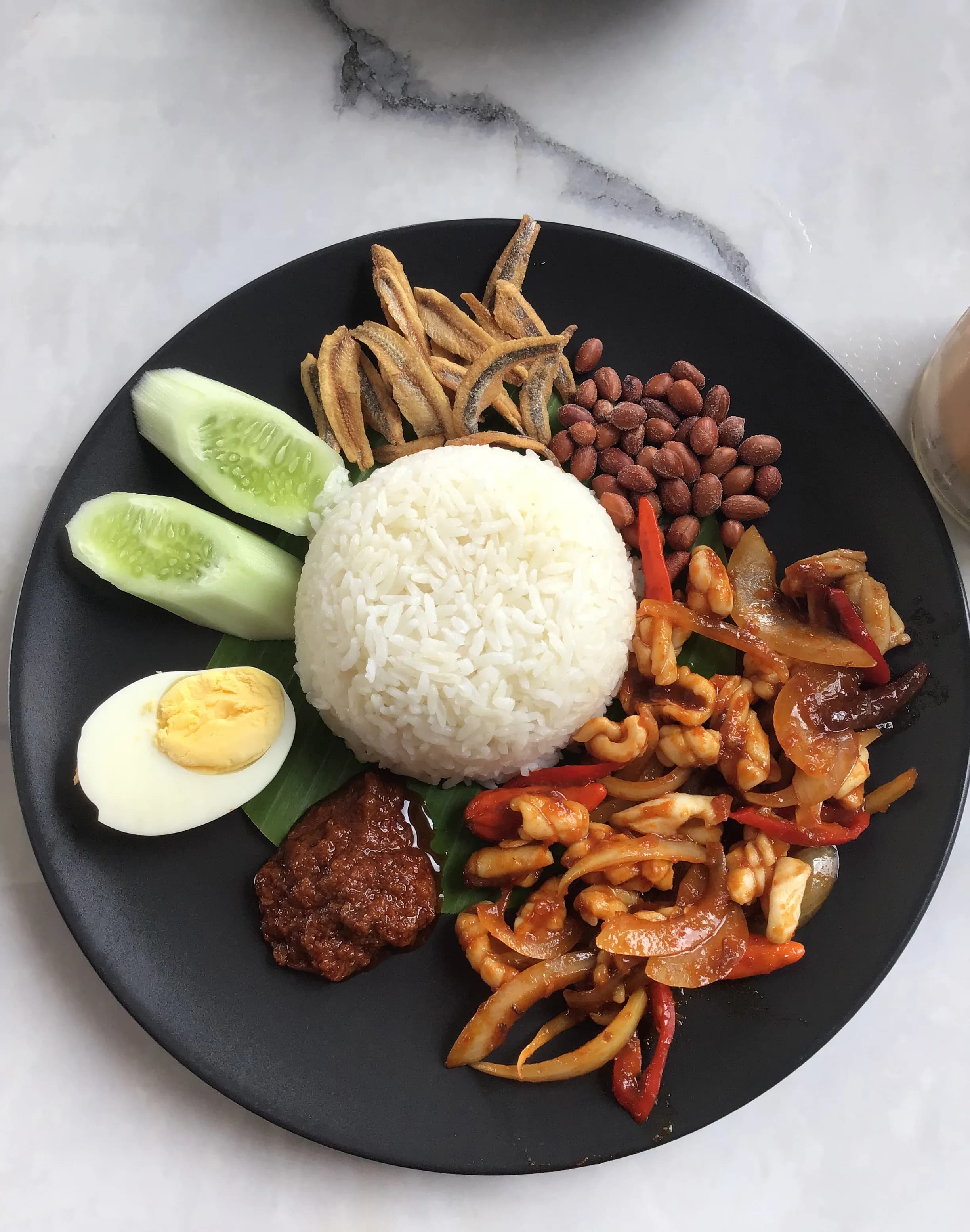
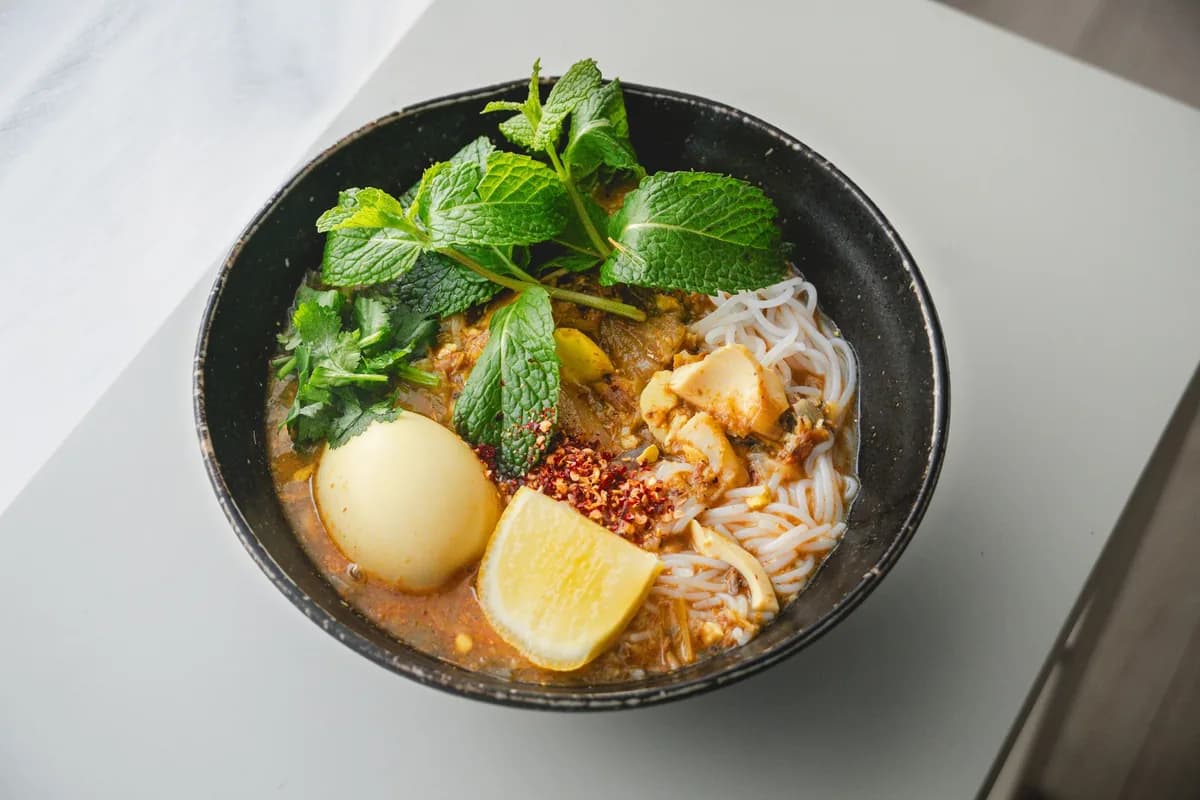
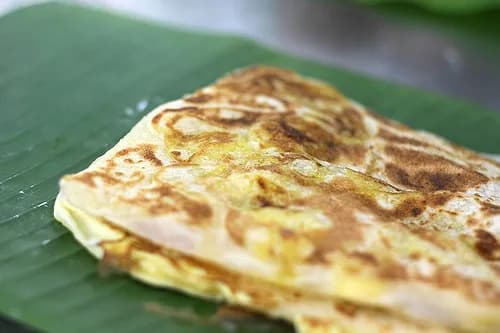
Most nationalities can enter visa-free for tourism, often for 90 days, but confirm for your passport. Malaysia is cheap, English is widely spoken (a big practical bonus), and getting around is easy with budget flights, comfortable buses and trains. And the food really is the reason to come: the best of Malay, Chinese and Indian cooking, eaten cheaply at hawker centres across the country. Come hungry.
Visa & Entry
Do you need a visa for Malaysia?
167 countries enter Malaysia visa-free. Check the full requirements for your passport →
FAQ
Malaysia — your questions
WorldCurio Editorial
Travel writers who plan trips the way locals would, grounded in what actually works on the ground. Visa and entry rules are cross-checked against the latest passport-index data, and climate figures use the Open-Meteo historical archive. Last reviewed June 2026. Always confirm visa and safety details with official sources before booking.
Keep exploring