Pick a region. You cannot do India in two weeks
India holds 1.4 billion people, dozens of languages, and landscapes from Himalayan snow to tropical backwater. Treating it as one destination is the path to burnout. The travellers who love India are the ones who chose a region and explored it properly, rather than racing across half the country on overnight trains.
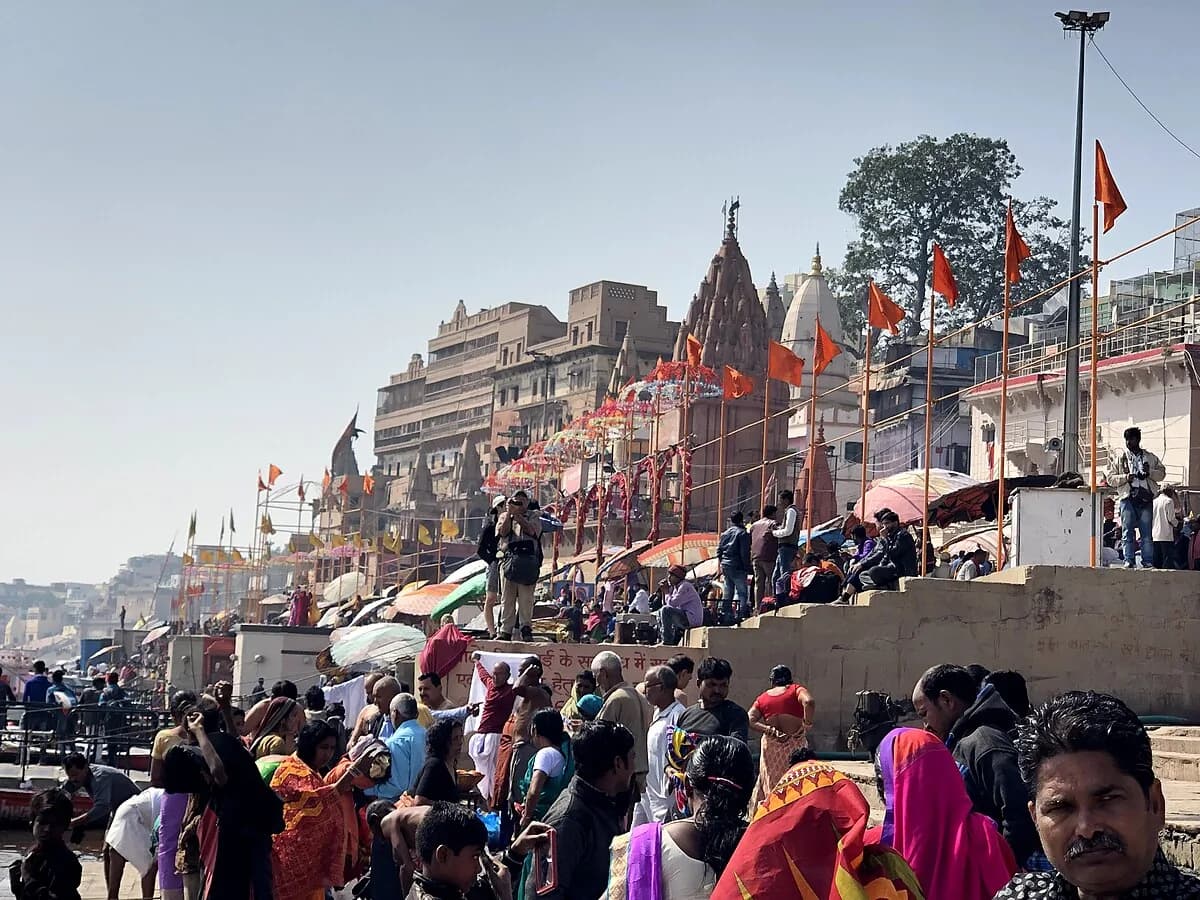
For a first trip, the realistic choices are: the Golden Triangle and Rajasthan in the north for forts, palaces and the Taj Mahal; Kerala and the south for a gentler, greener, easier introduction; or the spiritual north around Varanasi and the Himalayas for something deeper. Decide what kind of India you've come for, build a route within one region, and accept that you're seeing a fraction. That fraction will still be one of the most intense, rewarding trips of your life.
The Golden Triangle and Rajasthan
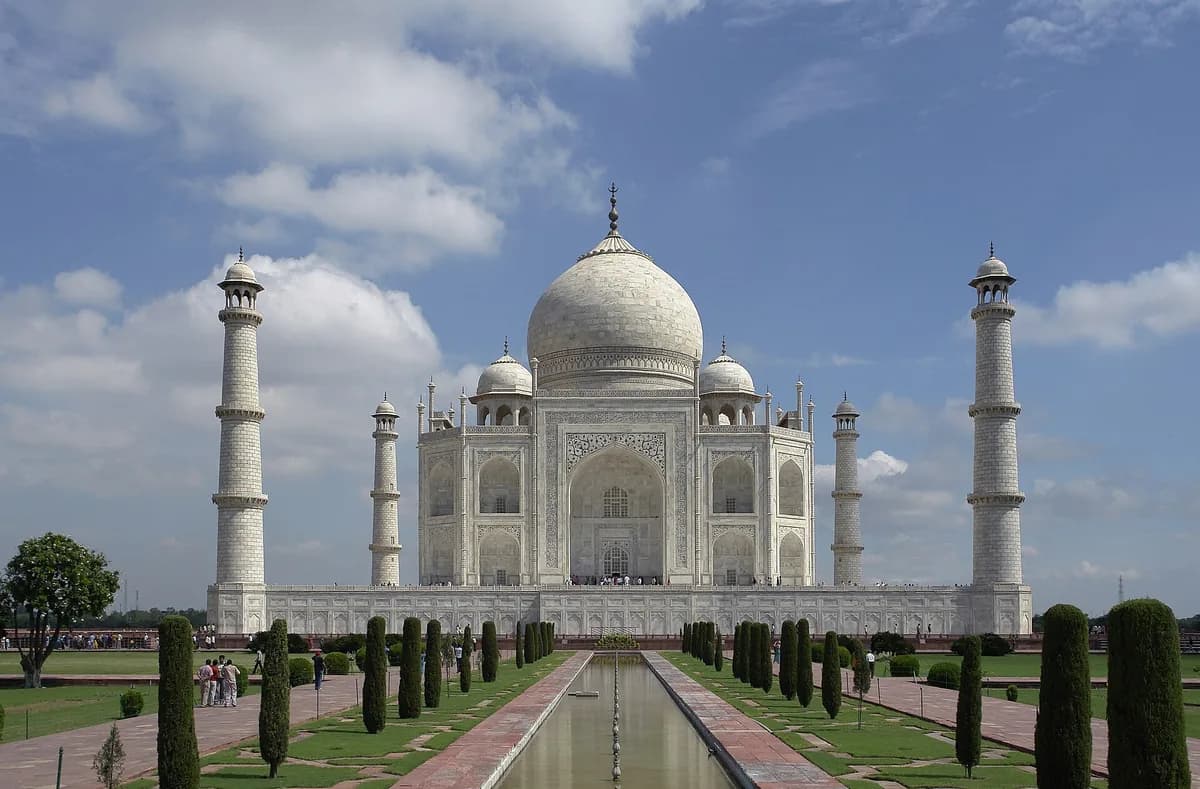
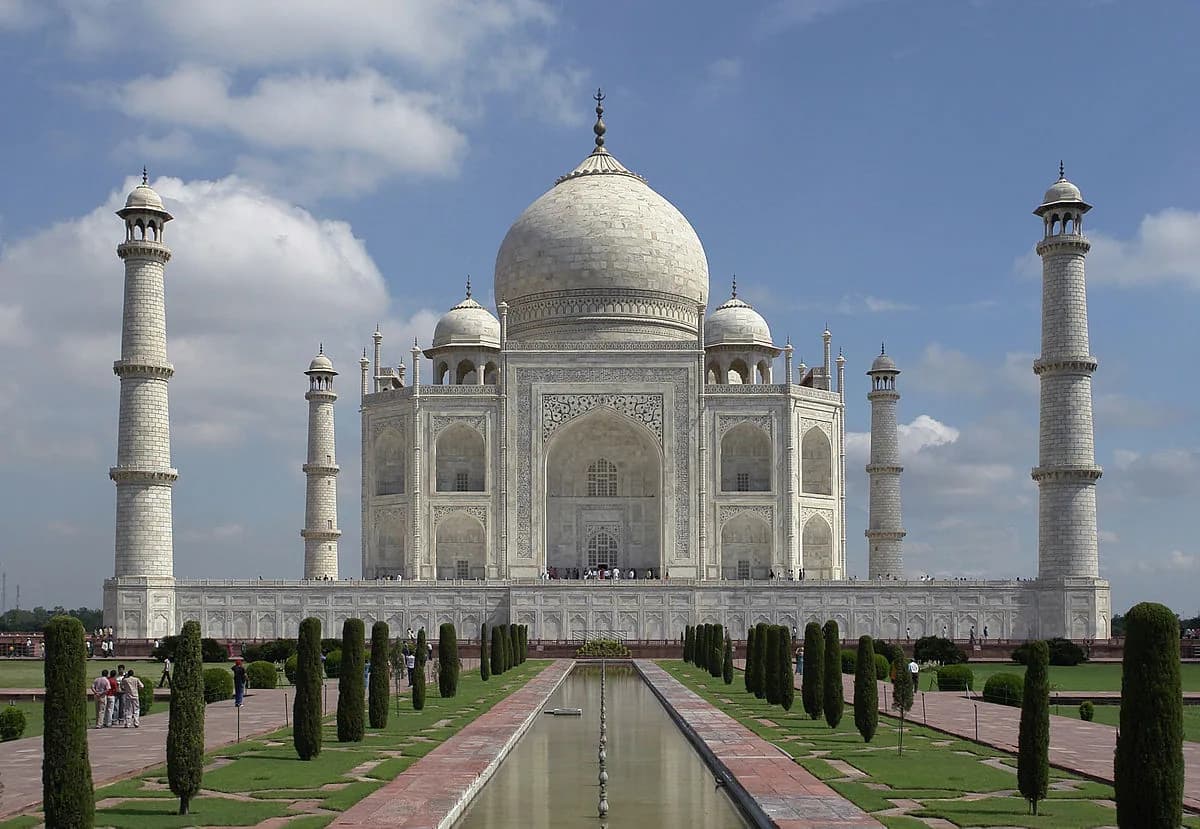
The classic first route is the Golden Triangle: Delhi, Agra and Jaipur, a loop of a few hundred kilometres that packs in the headliners. Delhi is the chaotic, layered capital, from Mughal monuments to the lanes of Old Delhi. Agra holds the Taj Mahal, and yes, it is even more beautiful in person, best at sunrise when the marble glows. Jaipur, the Pink City, brings the palaces and bazaars of Rajasthan.
From there, Rajasthan opens up into India's most romantic region: the lake palaces of Udaipur, the blue city of Jodhpur beneath its mighty fort, the golden desert fort of Jaisalmer, and camel treks into the Thar Desert. It's colour, history and grandeur at full volume. Two weeks lets you do the Golden Triangle plus a slice of Rajasthan without rushing, ideally with a hired car and driver to handle the roads.
The south: a gentler way in
If India's intensity worries you, start in the south. It's greener, calmer, cleaner and easier on first-timers, while still being unmistakably India. The star is Kerala, where you drift through the palm-fringed backwaters on a converted rice barge, sip cardamom-scented air in the tea-covered hills of Munnar, and unwind on the Arabian Sea beaches.
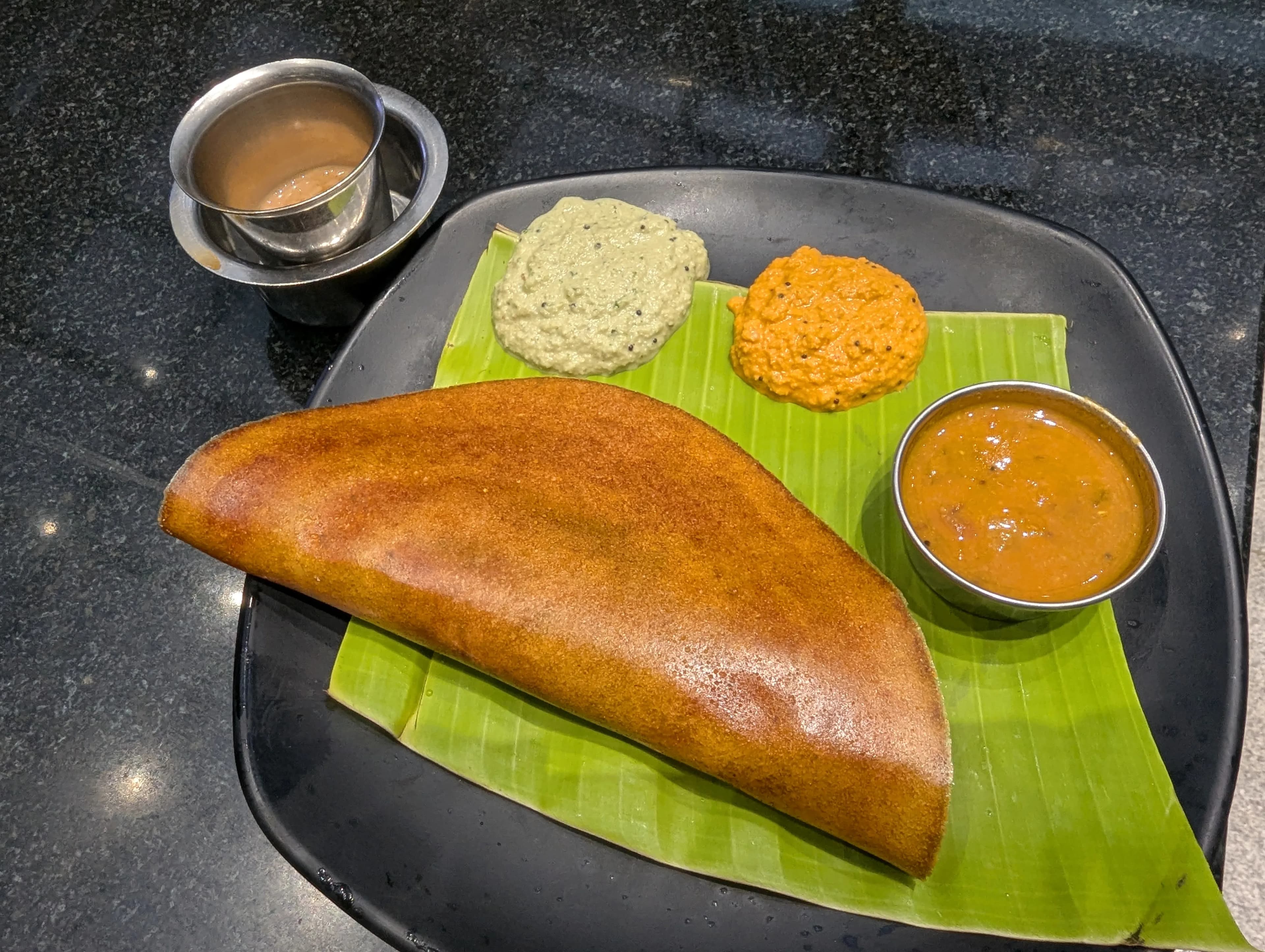
Neighbouring Tamil Nadu adds the towering, sculpture-covered temples of Madurai and the French-colonial calm of Pondicherry, while Goa offers the famous beaches and a relaxed, Portuguese-tinged pace. The food shifts too, lighter, coconut-rich, dosa-and-idli territory. The south moves at a slower rhythm, and for many people it's the better first taste of the country, a place to ease in before tackling the north on a return trip.
Timing
When to visit India
October to March is the prime window across most of India, with warm days, cool nights and comfortable sightseeing. April and May bring punishing pre-monsoon heat, and the monsoon (June to September) brings heavy rain. The Himalayas are the exception, best in summer when the plains are too hot.
Average temperature & rainfall in New Delhi
Temp °CRain mmReal climate averages for New Delhi (capital). Source: Open-Meteo archive. Rainfall is total monthly precipitation.
Sample route
The perfect 5 days in India
A ready-made 5-day route built from India's top sights. Adjust it to your pace, or generate your own plan.
Budget
What a day in India costs
Guesthouses and budget hotels, thalis and street food, sleeper trains, and modest entry fees to forts and temples.
Comfortable heritage hotels, a car with driver for the region, internal flights, guided tours, and good restaurant meals.
Palace and heritage hotels, a Kerala houseboat, private guides, the luxury Maharajas' Express train, and fine dining.
These daily budgets are per person in US dollars. Prices here are quoted in the rupee. India is one of the cheapest countries to travel. Cards work in cities, but carry cash everywhere else. A car with driver is affordable for regional touring.
Don't miss
The best places to visit in India
Taste
What to eat in India
The realities nobody quite warns you about
India rewards travellers who arrive prepared for its intensity. It is loud, crowded, and relentless on the senses, and the poverty is confronting. Touts and scams target tourists, especially around stations and big sights, so book transport and hotels yourself and be politely firm with unsolicited 'help'.
The practical stuff matters. Drink only sealed bottled or filtered water, never tap, and ease into the street food rather than diving in on day one, to dodge the infamous 'Delhi belly'. Dress modestly, especially women and at religious sites. Build slack into the schedule, because trains run late and traffic is a force of nature. And accept that you'll have hard moments. The travellers who push through them, rather than fighting the country, are the ones who fall in love with it. India gives back exactly as much as you bring to it.
Eat your way across it
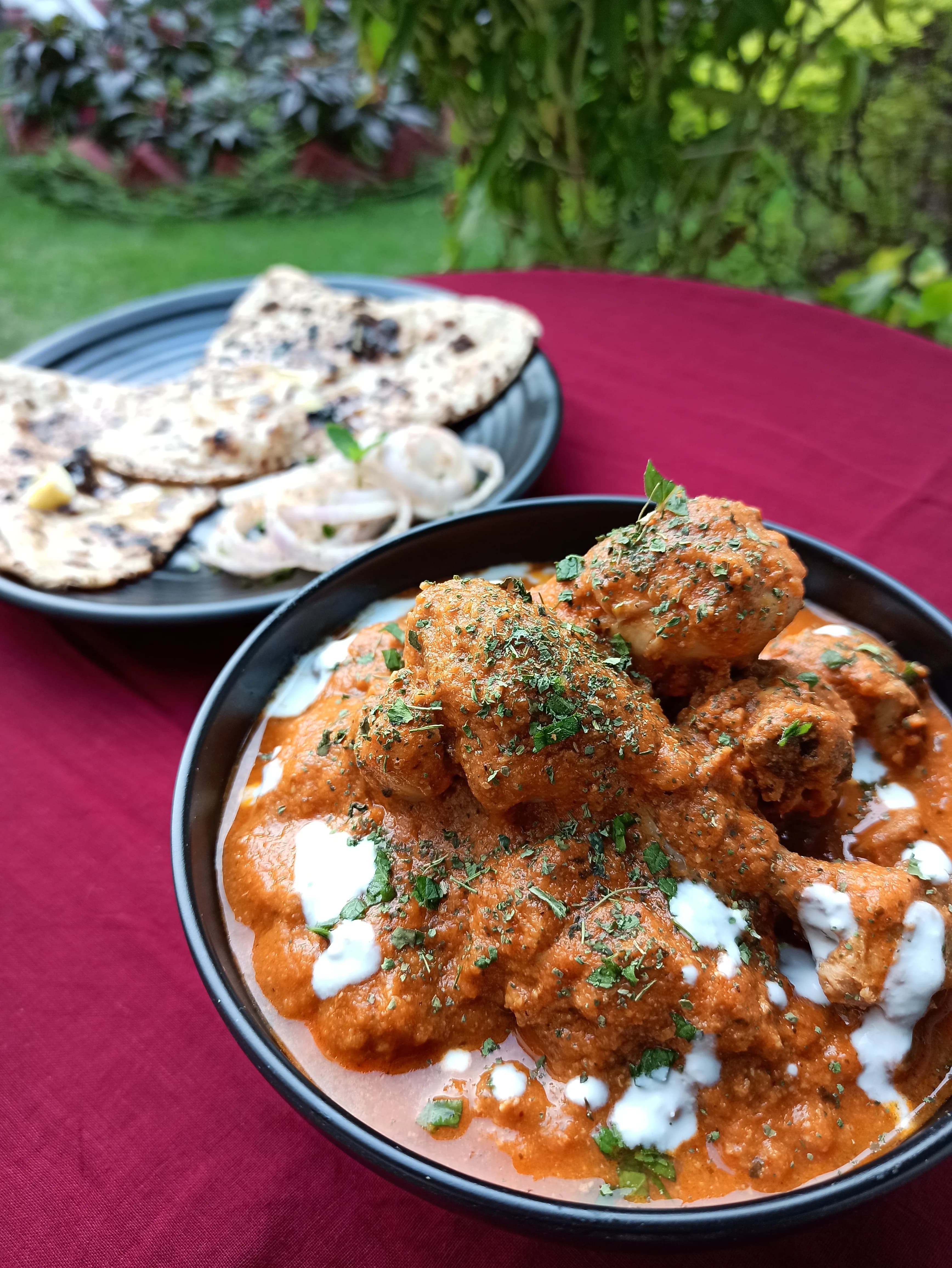
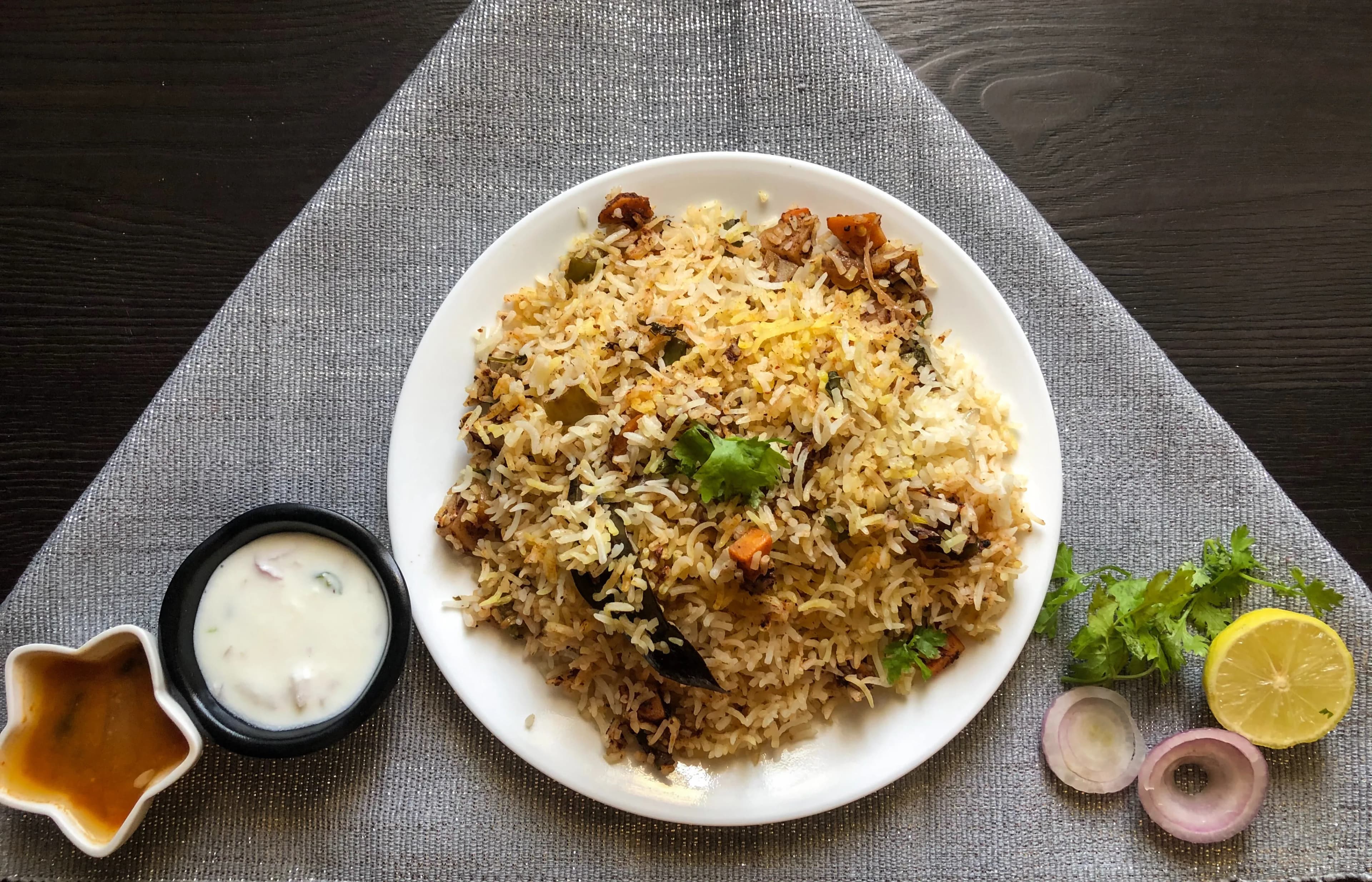
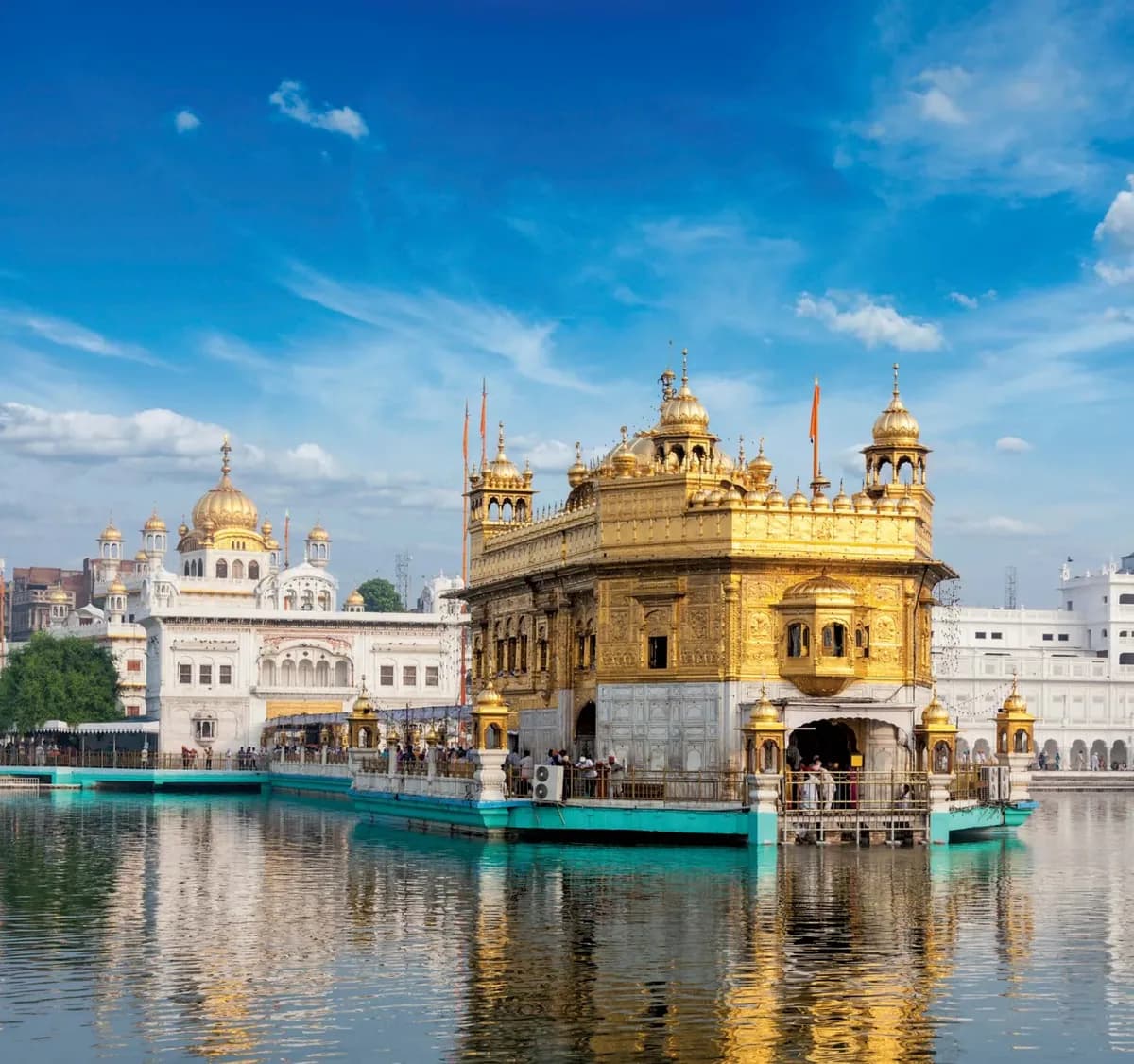
Indian food at home is a pale shadow of the real thing, and one of the joys of a trip is discovering how regional and varied it is. The creamy, rich curries of the north give way to the fiery, coconut-laced cooking of the south, the seafood of the coasts, and a hundred local specialities in between.
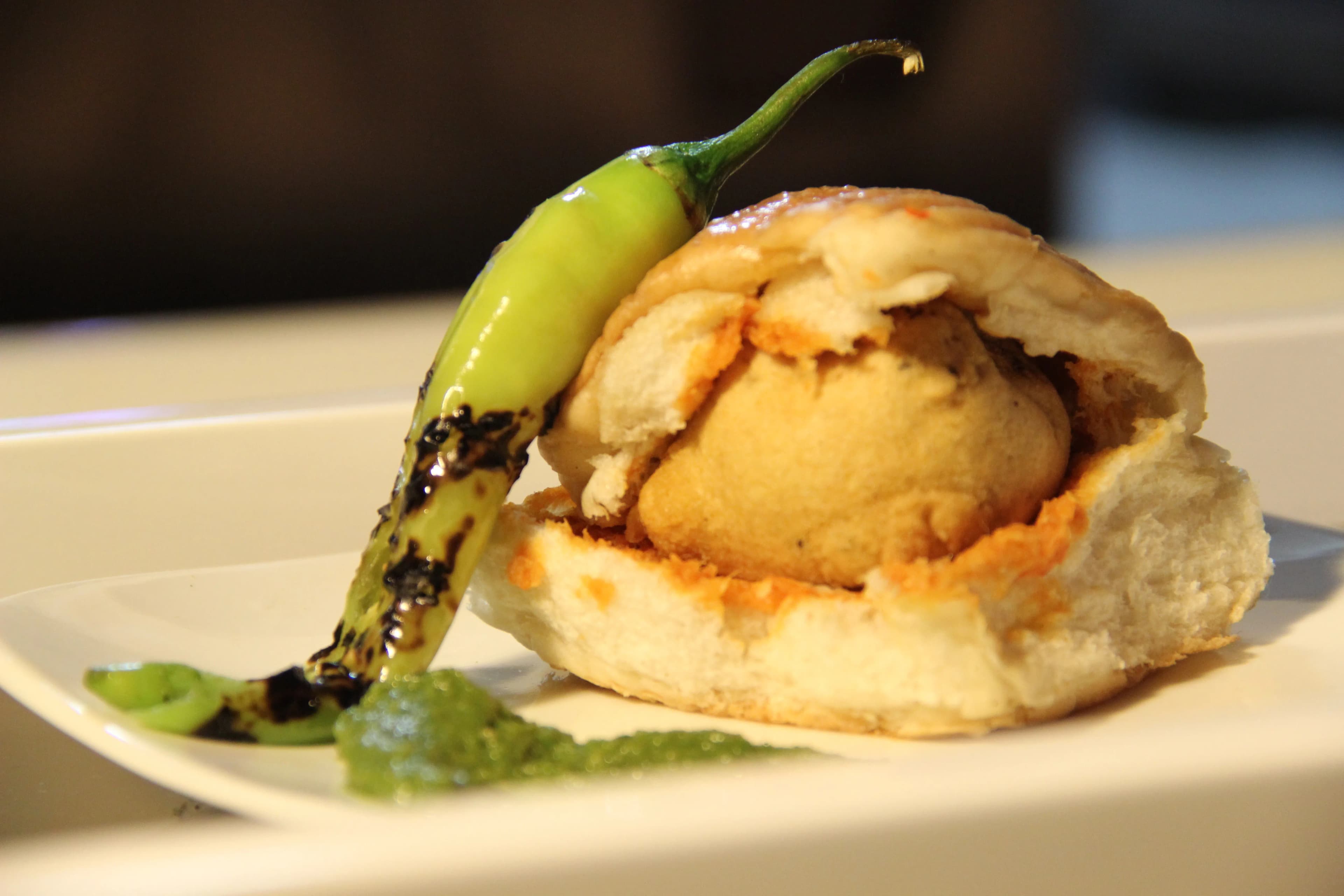
Eat thalis, the all-you-can-eat platters that let you sample a region in one sitting. Try street snacks like samosas, pani puri and pav bhaji from busy, high-turnover stalls. Have a proper dosa breakfast in the south and a tandoori feast in the north. And drink endless cups of sweet, milky masala chai handed over at every roadside. Vegetarians eat better here than almost anywhere on Earth. Follow the crowds, start gently, and the food alone will justify the trip.
Seasons, the visa, and getting around
Timing matters because the heat and the monsoon are serious. October to March is the time to come across most of the country: warm days, cool nights and comfortable sightseeing. April and May bring punishing pre-monsoon heat, and the monsoon (roughly June to September) brings heavy rain, though the hills and Kerala have their own appeal then. The Himalayas, by contrast, are best in summer.
Nearly all nationalities need a visa, and most use the convenient e-Visa, applied for online before travel, so sort it well ahead. For getting around, India's vast railway is an experience in itself, best booked in advance, while internal flights are cheap and save days on long hauls. For regional touring, a hired car with a driver is affordable and spares you the roads. The rupee is the currency, cards work in cities, and cash rules everywhere else.
Visa & Entry
Do you need a visa for India?
3 countries enter India visa-free. Check the full requirements for your passport →
FAQ
India — your questions
WorldCurio Editorial
Travel writers who plan trips the way locals would, grounded in what actually works on the ground. Visa and entry rules are cross-checked against the latest passport-index data, and climate figures use the Open-Meteo historical archive. Last reviewed June 2026. Always confirm visa and safety details with official sources before booking.
Keep exploring