Go one way: north to south, or south to north
The shape of the country plans the trip for you. It's long and narrow, so you start at one end and work steadily to the other, following the north–south transport spine instead of zig-zagging and losing days to backtracking.
Most people go north to south. Hanoi and Ha Long Bay at the top. Hoi An's old town and the imperial city of Hue in the middle. Ho Chi Minh City (Saigon to almost everyone) and the Mekong Delta down south. Reverse it if your flights suit. Between the hubs you have options: cheap domestic flights for the long hauls, the scenic Reunification Express train, or the sleeper buses that backpackers swear by and everyone else endures exactly once. Pick a direction, book transport as you go, and let the country unspool.
The climate trap nobody warns you about
This is the part that trips people up. Vietnam doesn't have one season. It has three, and they don't line up. The north around Hanoi and Sapa gets a cool winter and a hot summer. The centre (Hue, Hoi An, Da Nang) runs its own rainy season that floods the streets in October and November. The south, from Saigon through the Mekong, stays tropical all year, with a wet spell from roughly May to October.
So there's no single perfect month for the whole country. When one region is glorious, another is often soaked. The safest broad windows are spring (February to April) and autumn (September to November), but always check the specific region for the exact dates you'll be there. The classic mistake: landing in central Vietnam in late autumn expecting beaches, and finding Hoi An underwater.
Hanoi, Ha Long and the north
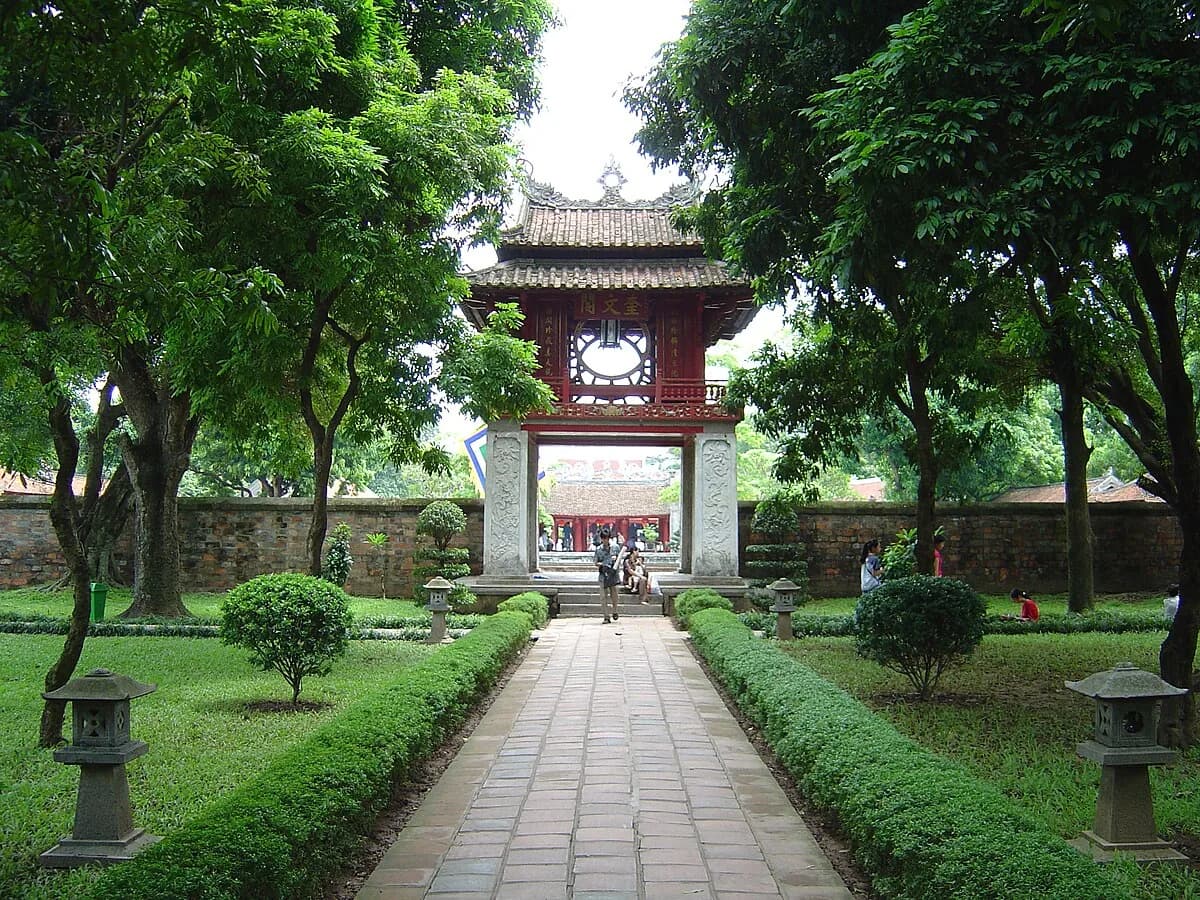
Hanoi is the cultural heart, a thousand years old and gloriously dense. You eat bun cha on a plastic stool in the Old Quarter and learn to cross the street through a river of motorbikes. (The trick is to walk slowly and predictably and let the bikes flow around you.) It's also the launchpad for the north's two great trips.
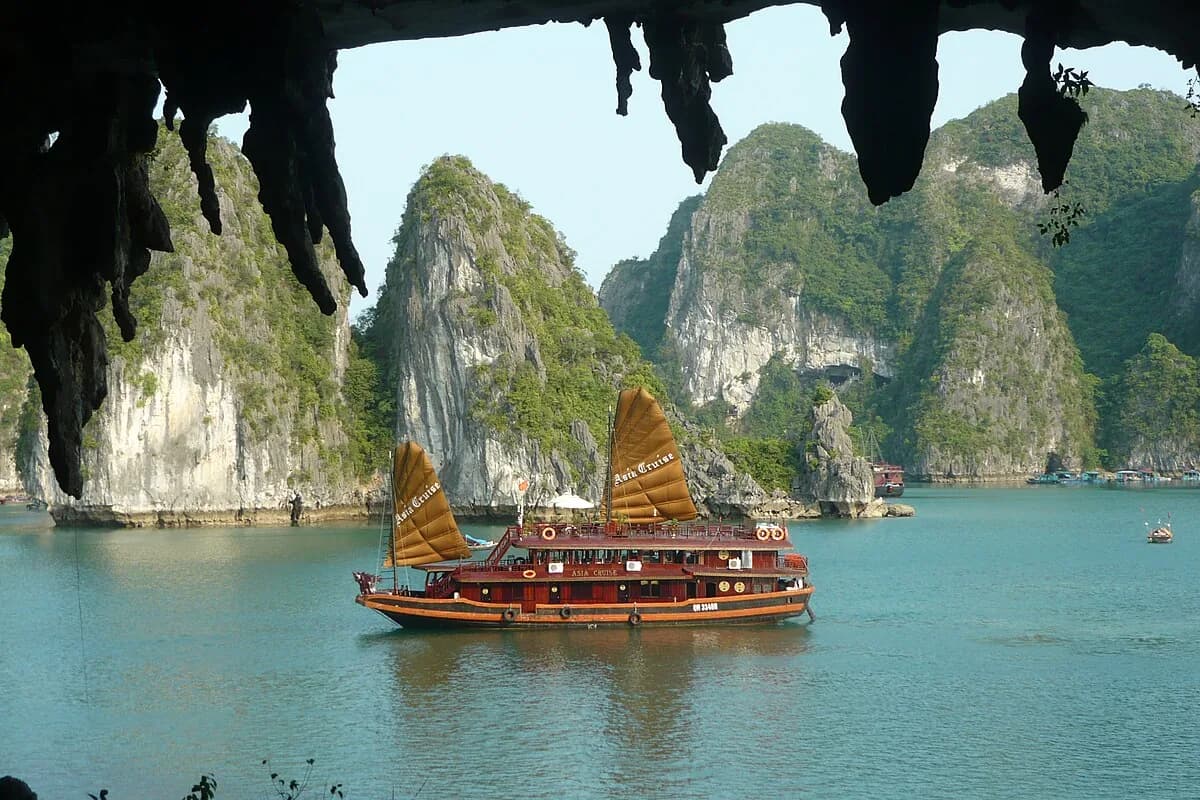
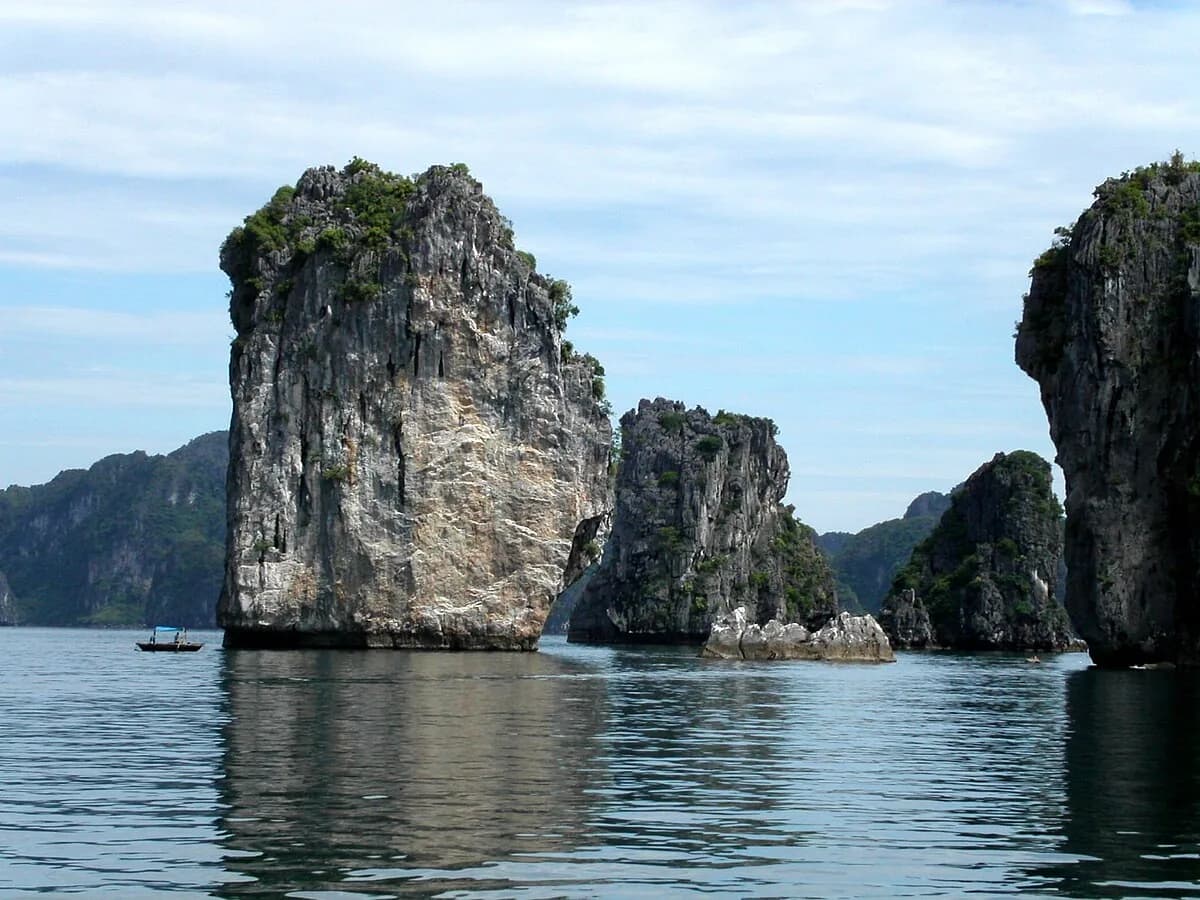
Ha Long Bay is the postcard: thousands of limestone karsts rising straight out of emerald water. Do it on an overnight cruise, ideally in the quieter Lan Ha or Bai Tu Long bays to dodge the worst of the crowds. To the north-west, the rice terraces of Sapa staircase up the mountains around ethnic-minority villages. You reach them by overnight train or bus, and they're best walked with a local homestay guide. Give the north four or five days.
Timing
When to visit Vietnam
Vietnam's length gives it three climates that rarely align, so there's no single perfect month for the whole country. Spring (February to April) and autumn (September to November) are the safest all-round windows, but always check the specific region for your dates. Central Vietnam floods in October and November even when the south is dry.
Average temperature & rainfall in Hanoi
Temp °CRain mmReal climate averages for Hanoi (capital). Source: Open-Meteo archive. Rainfall is total monthly precipitation.
Sample route
The perfect 5 days in Vietnam
A ready-made 5-day route built from Vietnam's top sights. Adjust it to your pace, or generate your own plan.
Budget
What a day in Vietnam costs
Hostels and budget guesthouses, street-food pho and banh mi, sleeper buses and trains, and cheap local beer.
Comfortable hotels, the occasional domestic flight to save time, an overnight Ha Long cruise, and sit-down restaurant meals.
Boutique and resort hotels, private guides and drivers, premium Ha Long and Mekong cruises, and a tailored suit from Hoi An.
All figures below are per person, per day in US dollars. Vietnam is among the best value in Asia. The dong has many zeros, so carry cash for street food and small towns, and use the Grab app to skip taxi haggling.
Don't miss
The best places to visit in Vietnam
Taste
What to eat in Vietnam
Hoi An, Hue and the centre
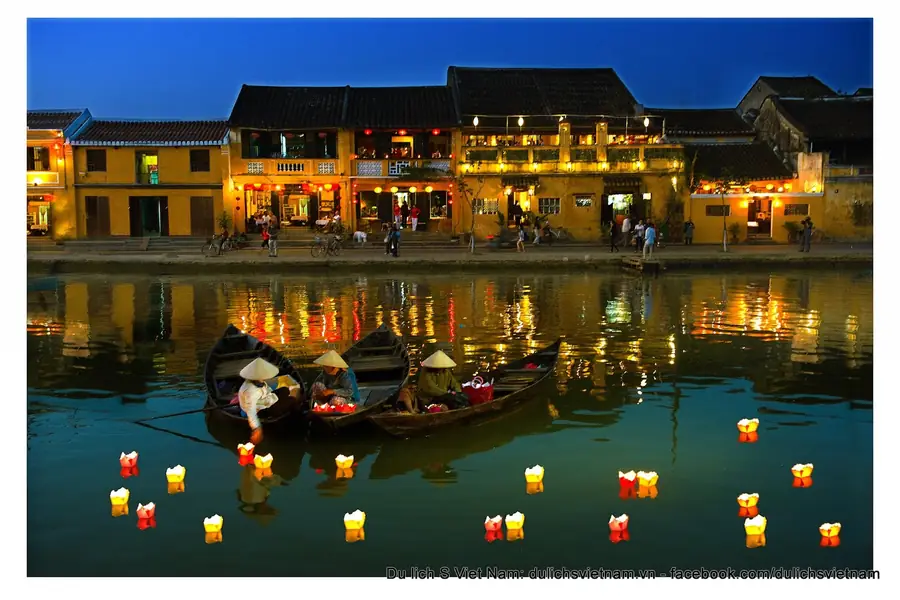
Central Vietnam is where a lot of travellers fall hardest. Hoi An is the jewel: a perfectly preserved trading port of lantern-lit lanes, tailors who'll run you up a suit overnight, and a riverfront that glows after dark. It's touristy and it's still magical. Time your visit for the monthly full-moon lantern festival if you can.
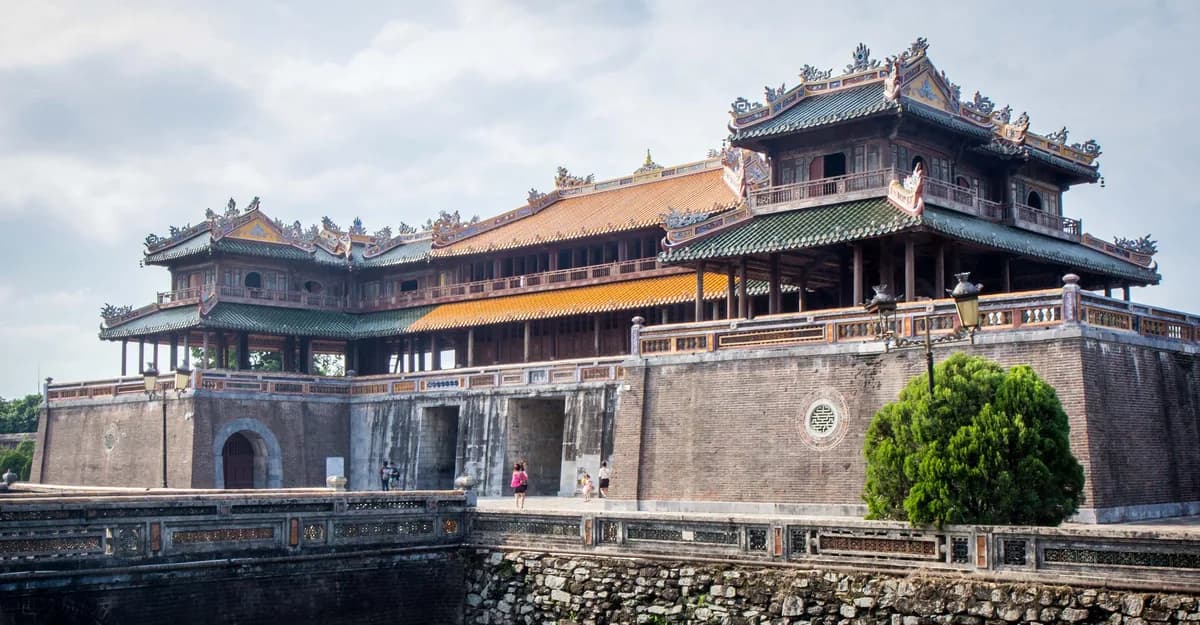
Nearby, the old imperial capital of Hue keeps a walled citadel and the tombs of the Nguyen emperors strung along the Perfume River. The beach city of Da Nang sits between the two, with its Marble Mountains and the now-famous Golden Bridge held up by a pair of giant stone hands. The drive that links them over the Hai Van Pass, made famous by a certain TV motoring trio, is one of the great coastal roads in Asia.
Saigon, the Mekong and the south
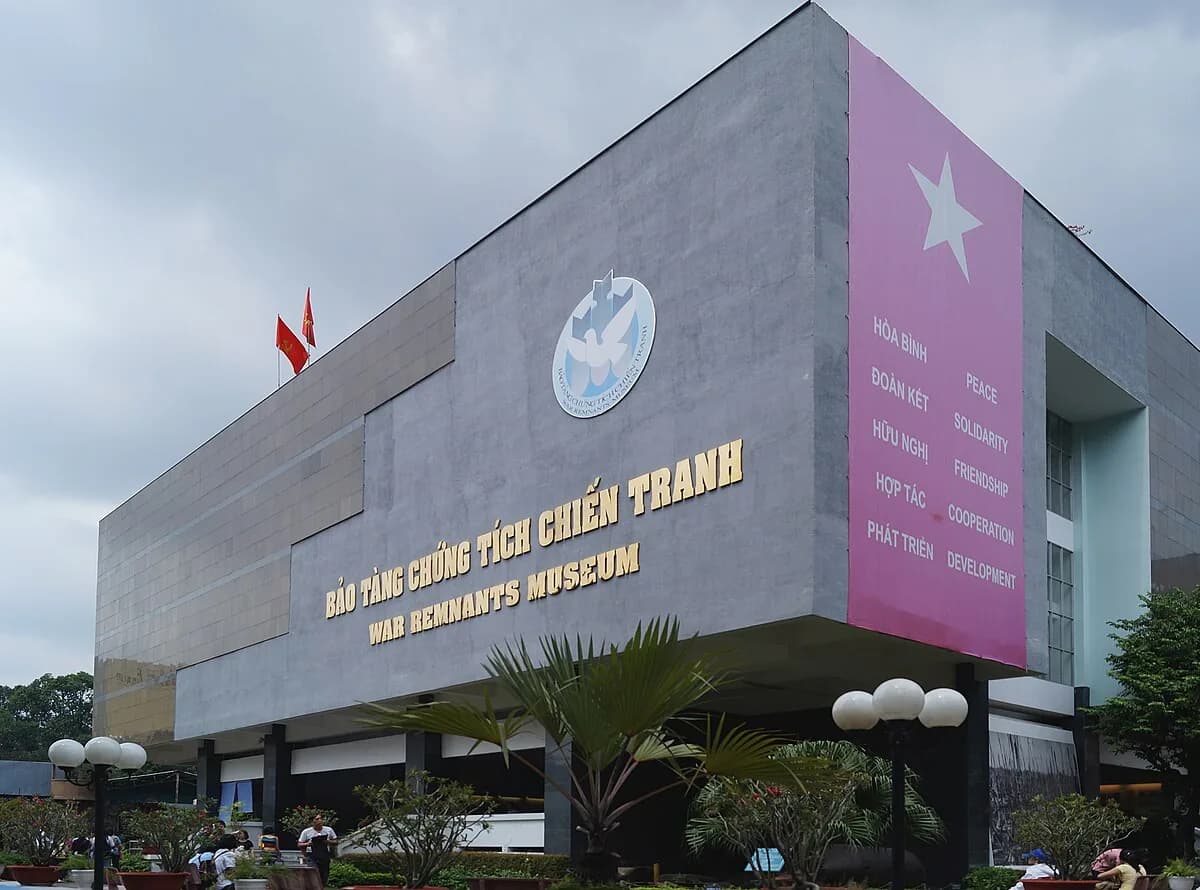
Ho Chi Minh City, still Saigon to most who live there, is the country's frenetic engine. Skyscrapers and street food. Sobering war history at the War Remnants Museum and the Cu Chi Tunnels. Nightlife that runs late. It's the way into the south.
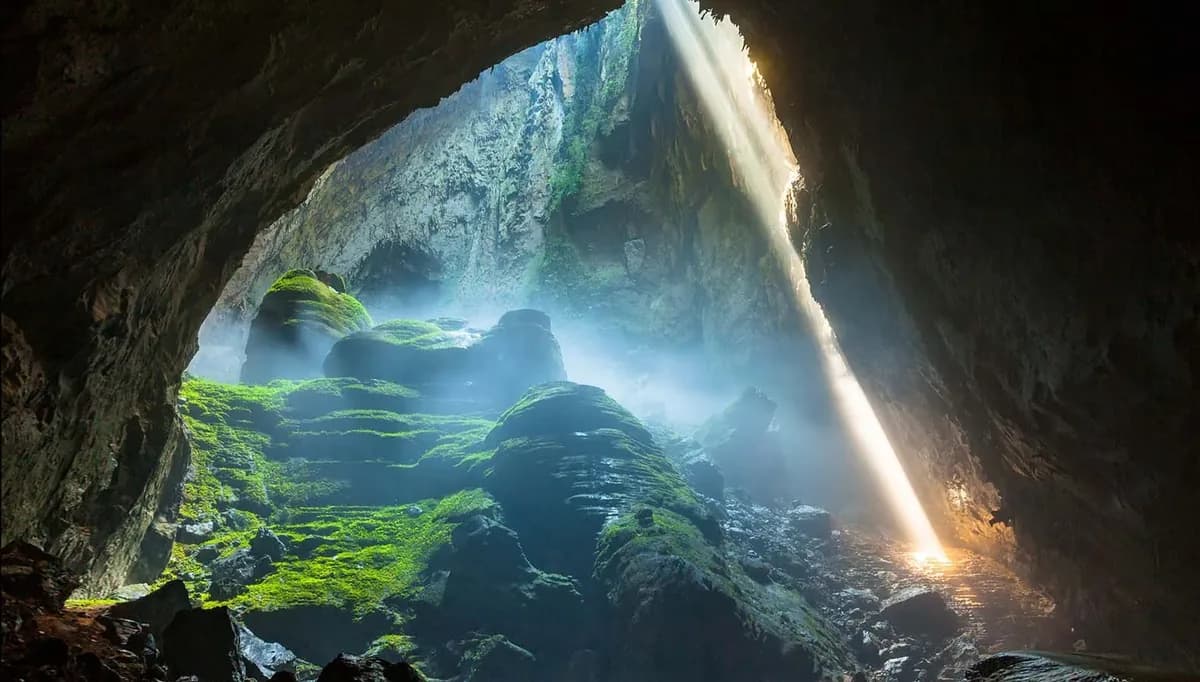
From here the Mekong Delta sprawls out, a watery maze of rice paddies, floating markets and stilt houses best seen on a homestay or a slow boat. Beach-seekers fly on to the island of Phu Quoc. The more adventurous head inland to the world-class caves of Phong Nha, including Son Doong, the largest cave on Earth. The south is the trip's warm, languid finale, or its high-energy opening act if you're running the other way.
Money, food, and getting around
Vietnam is gloriously cheap, among the best value in Asia, and your money stretches a long way on food, transport and rooms. The currency is the dong, and the sheer number of zeros takes a day to get used to (you become a millionaire the moment you change money). Carry cash for street food and small towns, and watch the decimal points.
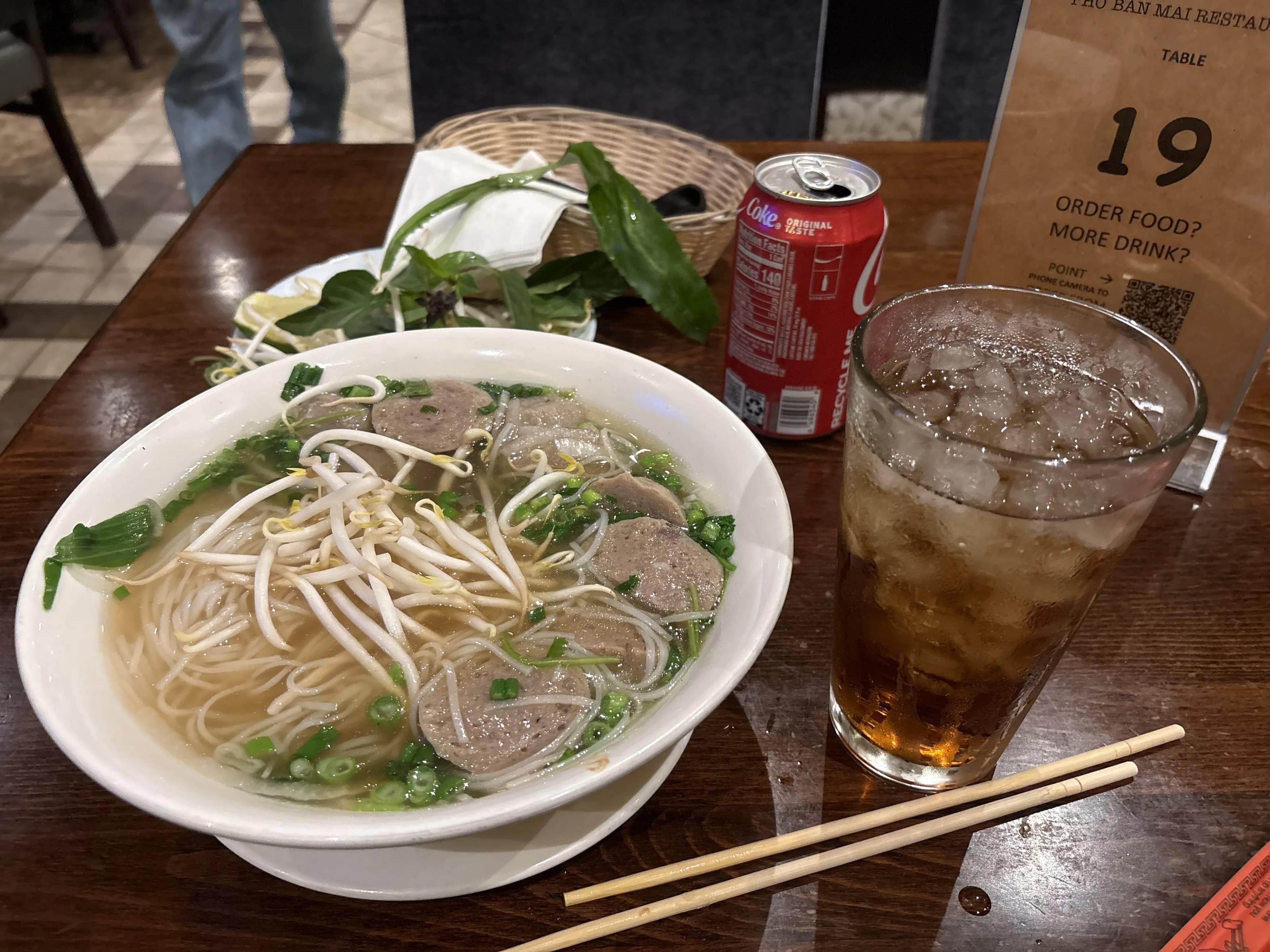
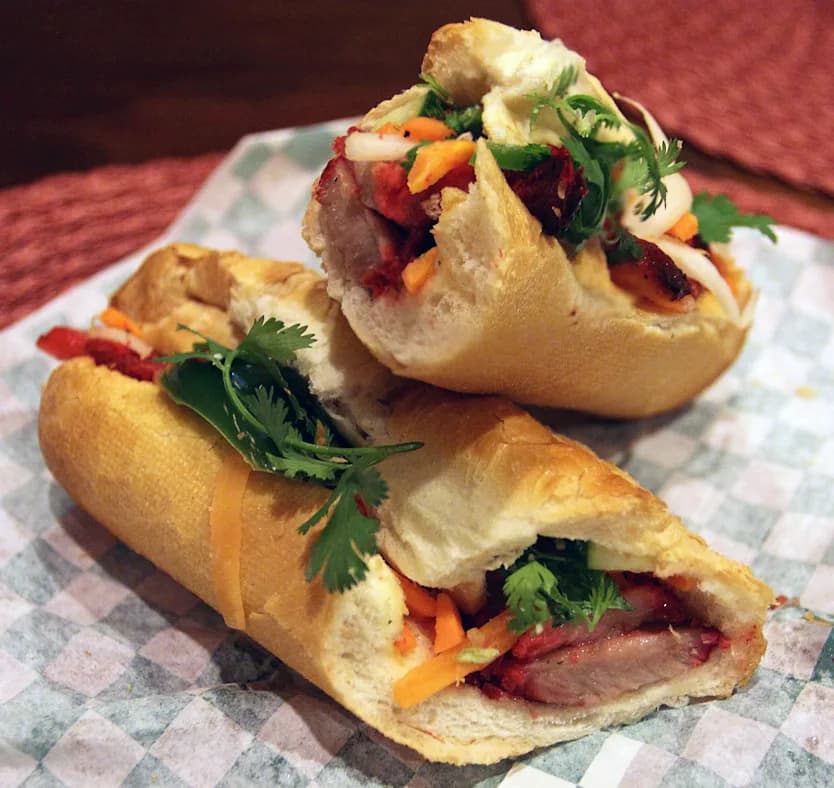
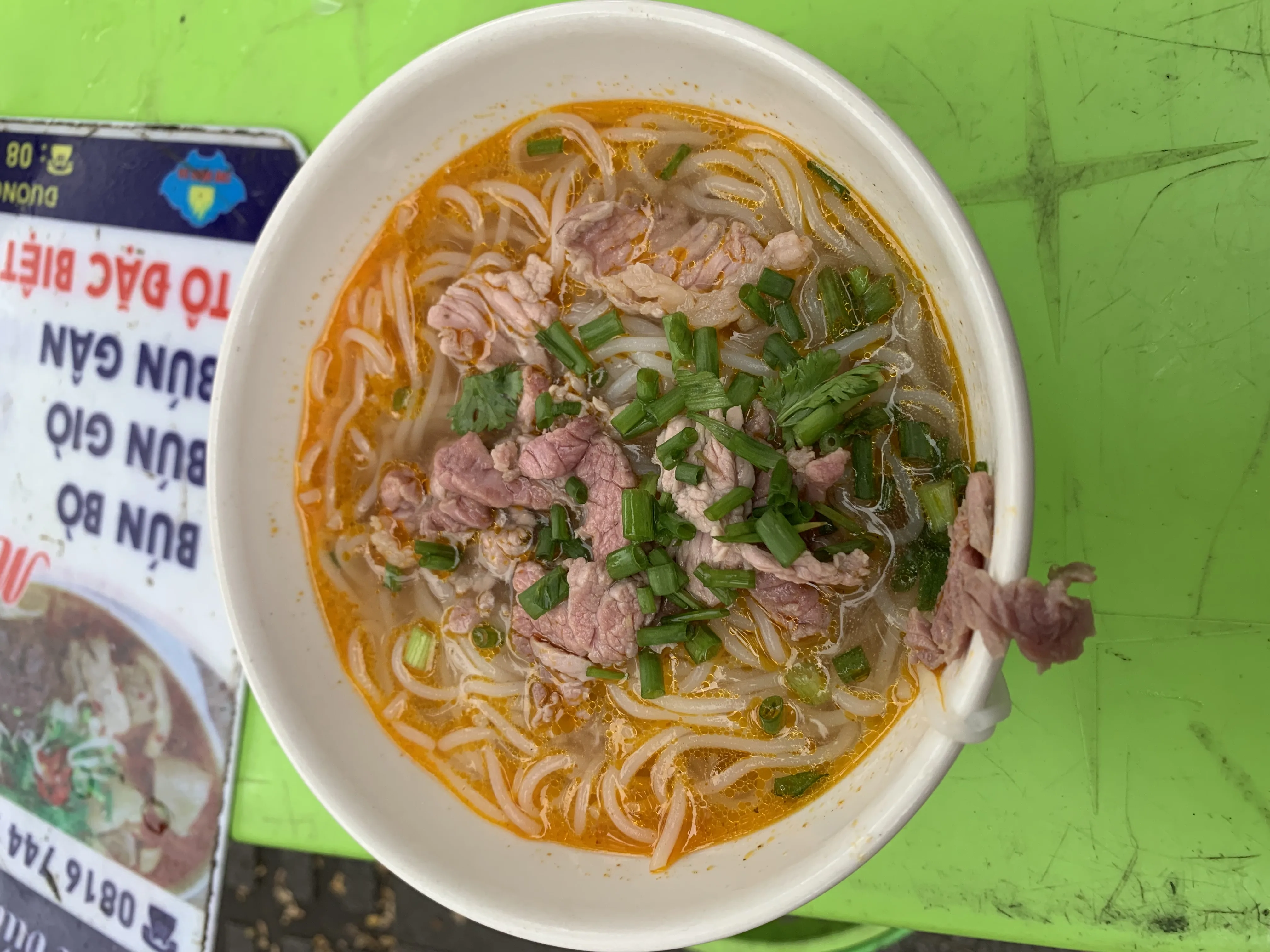
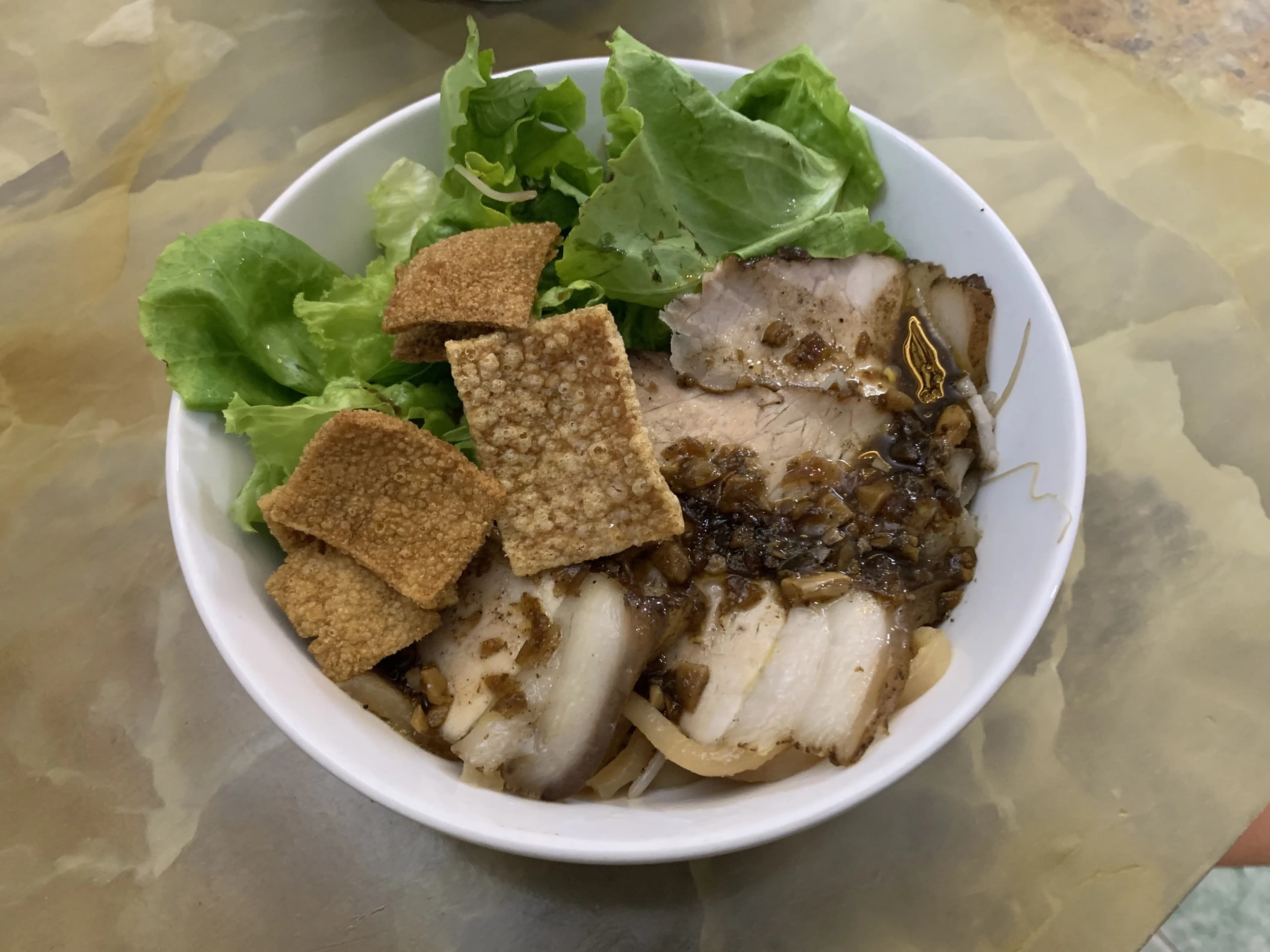
Then there's the food. For a lot of people Vietnam is simply the best-eating country on the planet. Pho, the national noodle soup, is breakfast. Banh mi, the baguette the French left behind, might be the world's best sandwich. Every region guards its own specialities, from Hanoi's bun cha to Hue's fiery bun bo and Hoi An's cao lau. Eat on the street, follow the crowds, sit on the tiny plastic stools, and you'll eat like royalty for a couple of dollars a meal. Grab, the local ride app, handles taxis and bikes cheaply and takes the haggling out of it.
Visa & Entry
Do you need a visa for Vietnam?
39 countries enter Vietnam visa-free. Check the full requirements for your passport →
FAQ
Vietnam — your questions
WorldCurio Editorial
Travel writers who plan trips the way locals would, grounded in what actually works on the ground. Visa and entry rules are cross-checked against the latest passport-index data, and climate figures use the Open-Meteo historical archive. Last reviewed June 2026. Always confirm visa and safety details with official sources before booking.
Keep exploring