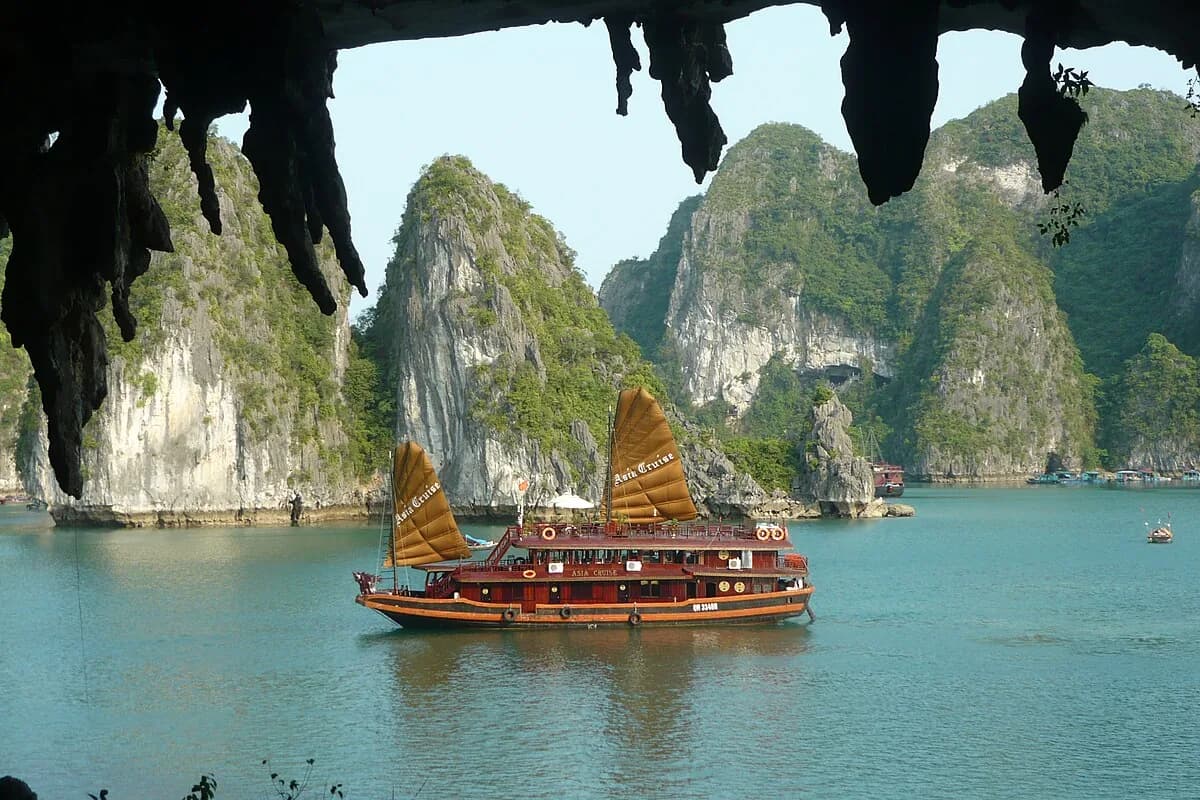
Bali, honestly: what it is and what it isn't
Bali earns its fame. The rice terraces, the temples, the surf, the warmth of the people, and a tourism machine that makes everything easy. But the south (Kuta, Seminyak, Canggu) is busy, built-up and traffic-choked, and it's not the Bali of the postcards.
The better Bali is inland and east. Ubud for the rice fields, art and yoga-retreat calm. The Sidemen valley and Munduk for the version of the island that existed before the influencers. Amed and the northeast coast for quiet diving and black-sand beaches. Nusa Penida, a short boat hop away, for the cliffs everyone photographs. Give Bali four or five days, base yourself away from the southern strip, and you'll understand the fuss without drowning in the crowds.
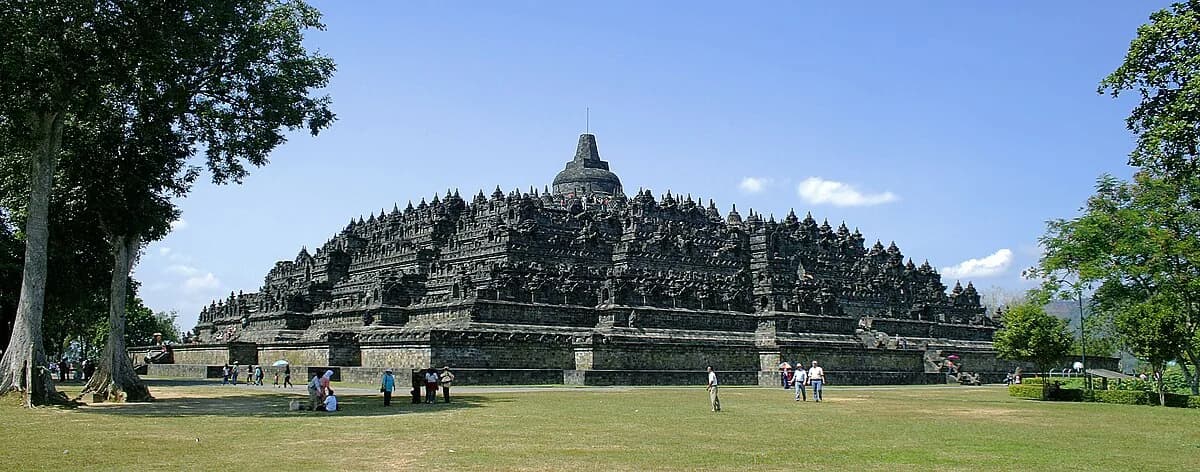
Java: the volcanoes and temples most people skip
A short flight or ferry west lies Java, the heart of the country and, for many travellers, the highlight they didn't plan for. This is where Indonesia gets serious.
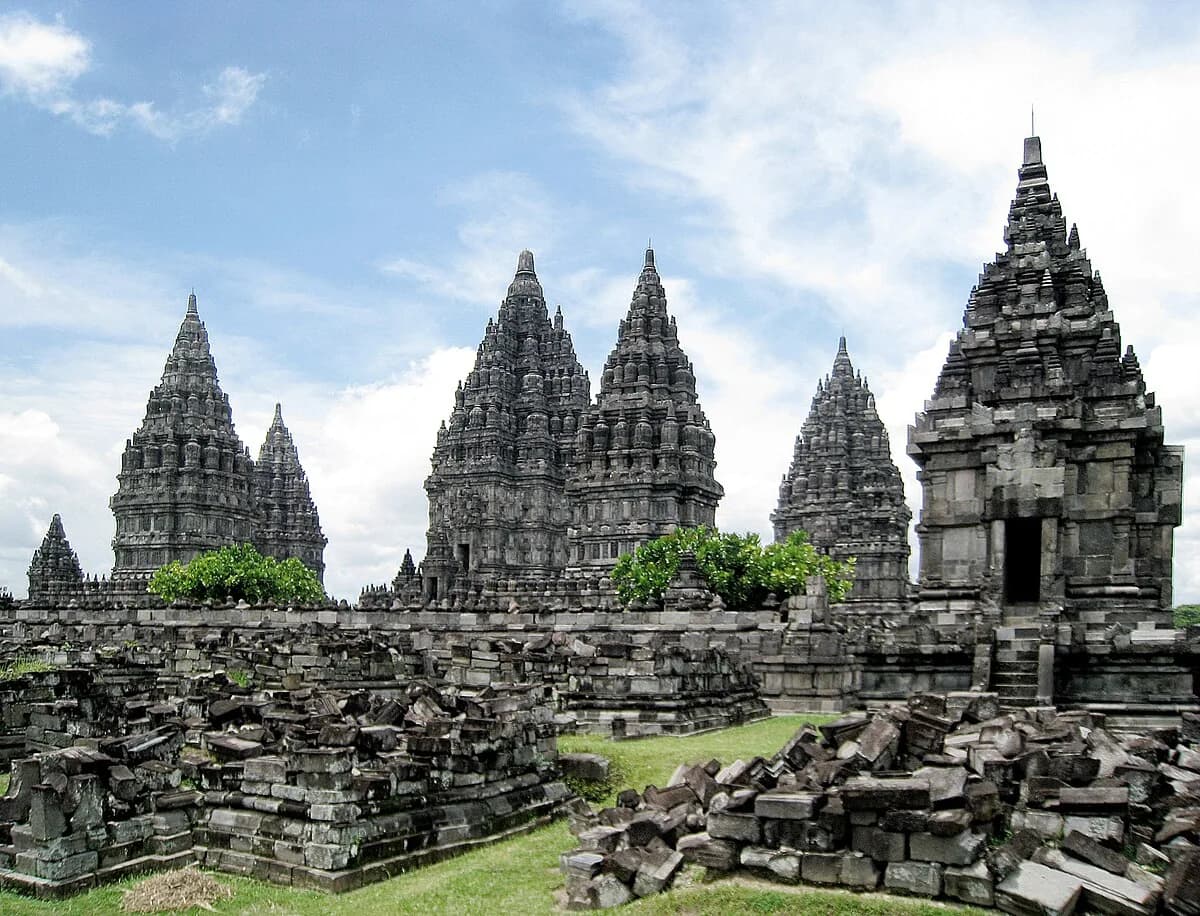
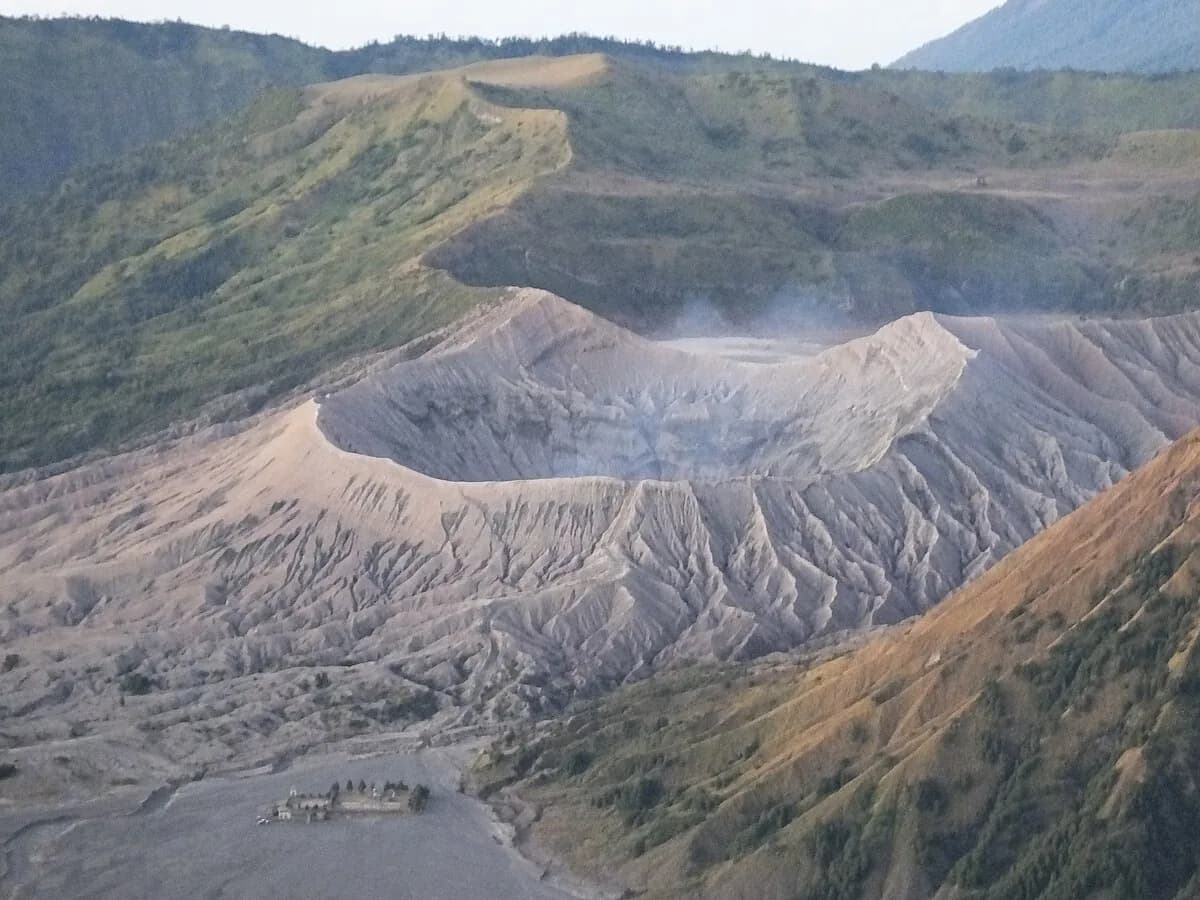
The cultural capital is Yogyakarta, way into two of the great monuments of Asia: Borobudur, the largest Buddhist temple in the world, best at sunrise, and the soaring Hindu spires of Prambanan. East of the city, the volcanoes deliver the country's most surreal sights. Mount Bromo, a smoking cone in a sea of ash, lit pink at dawn. And Ijen, where you hike before sunrise to watch electric-blue flames of burning sulphur and a turquoise crater lake. Java is harder work than Bali and far more rewarding for it.
The islands east: Komodo, Flores and the diving
Keep going east and Indonesia opens into its wild, scattered, glorious heart. The launchpad is Labuan Bajo on the island of Flores, way into Komodo National Park.
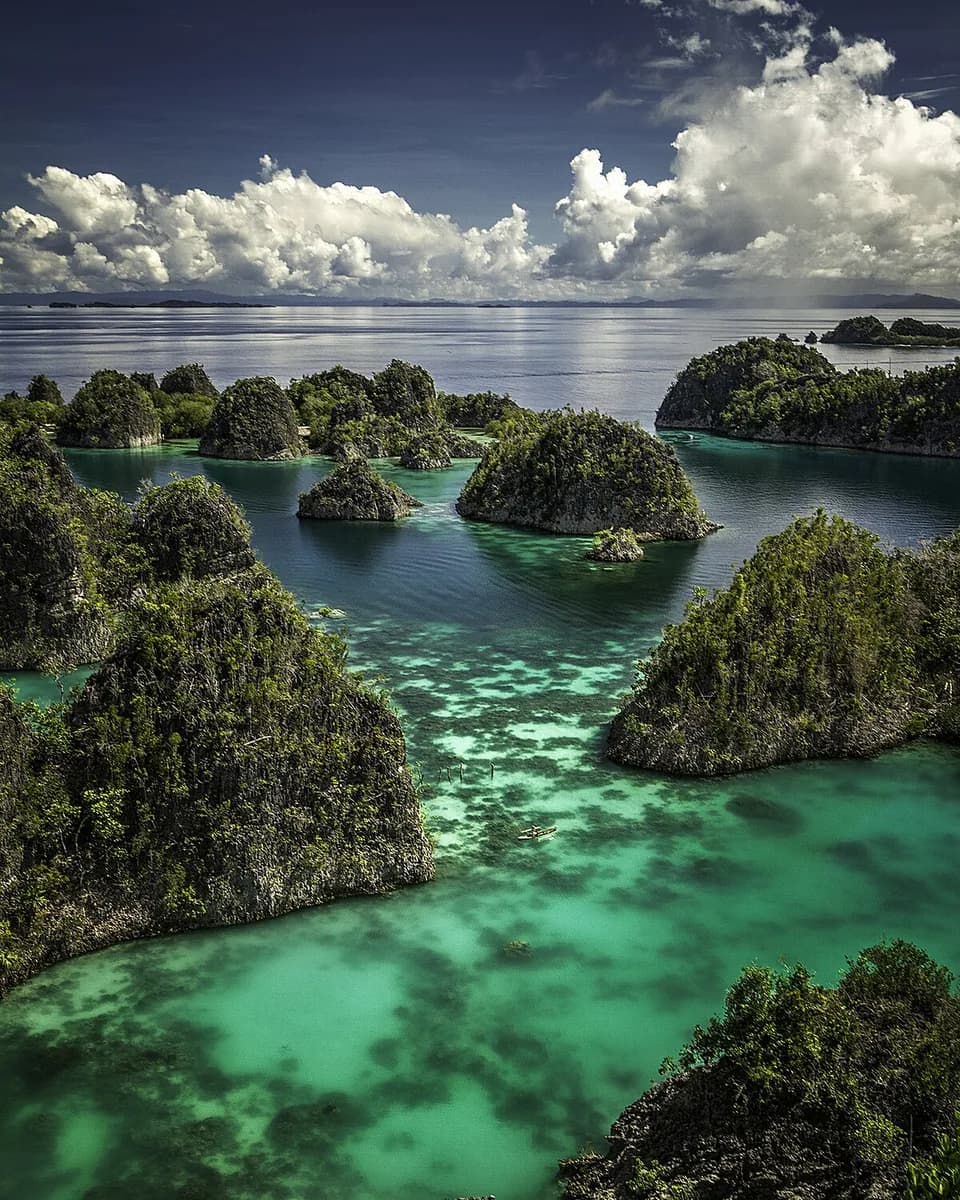
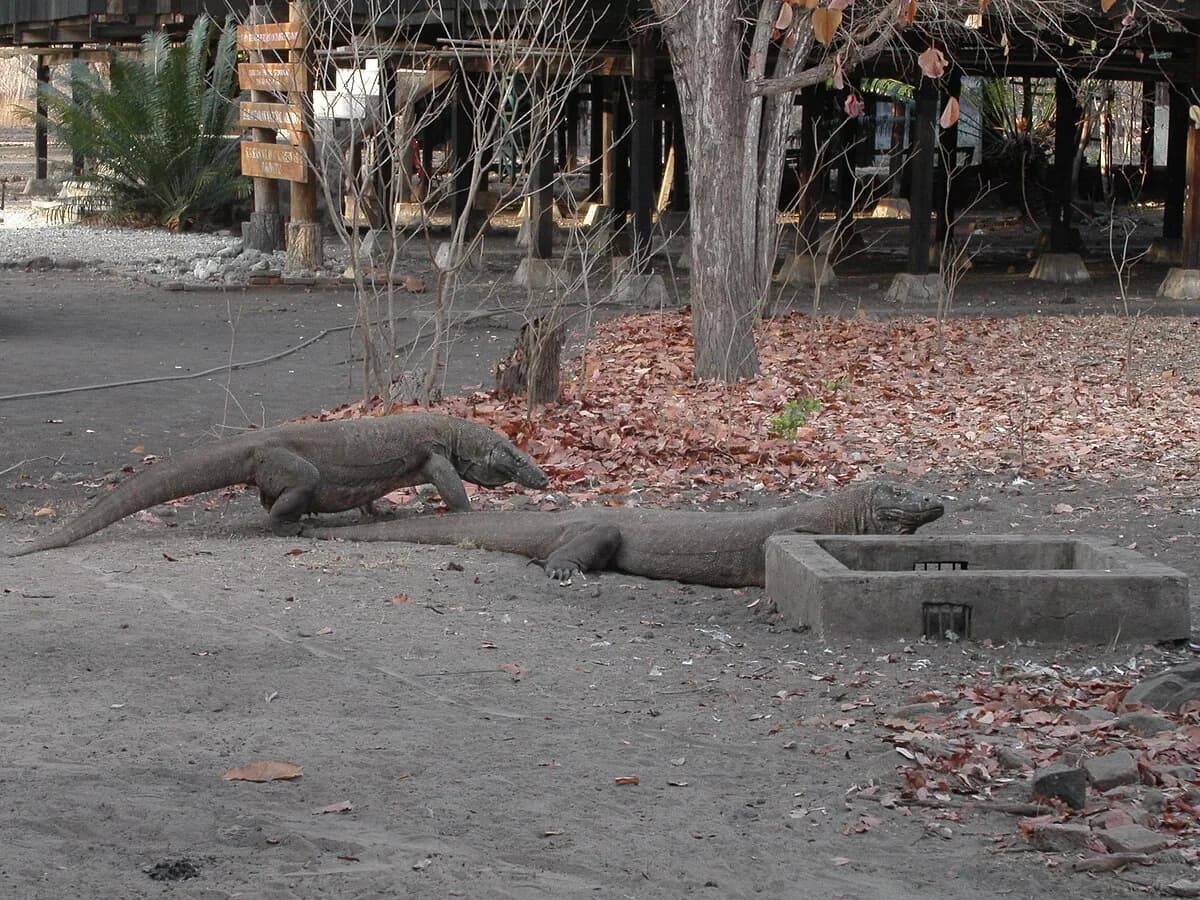
Here you take a boat trip (a day tour or a multi-day liveaboard) to walk among the Komodo dragons, the largest lizards on Earth, then snorkel with manta rays and climb Padar Island for the view that put the region on every feed. Flores itself rewards a slow drive east, past the tri-coloured crater lakes of Kelimutu and traditional villages. For divers, this whole region, along with Raja Ampat further east in Papua, holds some of the richest marine life on the planet. This is the Indonesia worth crossing the world for.
Timing
When to visit Indonesia
Indonesia is equatorial and warm all year, with a dry and a wet season rather than four. The dry season (April to October) is the prime window for Bali, Java and Komodo, with clearer skies and calmer seas. The wet season (November to March) brings heavy afternoon rain, though mornings are often bright and the crowds thinner.
Average temperature & rainfall in Jakarta
Temp °CRain mmReal climate averages for Jakarta (capital). Source: Open-Meteo archive. Rainfall is total monthly precipitation.
Sample route
The perfect 5 days in Indonesia
A ready-made 5-day route built from Indonesia's top sights. Adjust it to your pace, or generate your own plan.
Budget
What a day in Indonesia costs
Guesthouses and homestays, warung meals, scooters and ferries, and group boat tours to Komodo or the Gilis.
Boutique villas and small hotels, a private driver, internal flights between islands, dive packages, and good restaurants.
Clifftop villas and resorts, private Komodo liveaboards, Raja Ampat dive trips, private guides and seaplane or charter transfers.
Prices here are per person, per day in US dollars. Indonesia is cheap outside Bali's tourist zones. The rupiah has many zeros, so carry cash for warungs and small towns. Internal flights are the main bridge between islands.
Don't miss
The best places to visit in Indonesia
Taste
What to eat in Indonesia
Beyond the headliners
The country keeps giving for those with time. Lombok, next to Bali, offers the gentler beaches and the trek up Mount Rinjani, plus the laid-back Gili Islands offshore (Gili Trawangan for the party, Gili Air and Meno for the quiet). Sumatra, vast and rugged, is where you trek into the jungle around Bukit Lawang to see wild orangutans, one of only two places on Earth you can.
And Sulawesi, oddly shaped and underrated, holds the dramatic funeral culture of Tana Toraja and world-class diving off Bunaken. You cannot see all of this in one trip. Pick a thread, follow it properly, and leave the rest as the reason to come back.
Getting around, money and food
Distances are huge and the sea is everywhere, so internal flights do the heavy lifting between island groups. Jakarta, Bali (Denpasar) and Surabaya are the main hubs. Within islands, you hire a driver, rent a scooter (only if you're confident, and always wear a helmet), or take ferries for shorter hops. Build in buffer time, because flights and boats can shift.
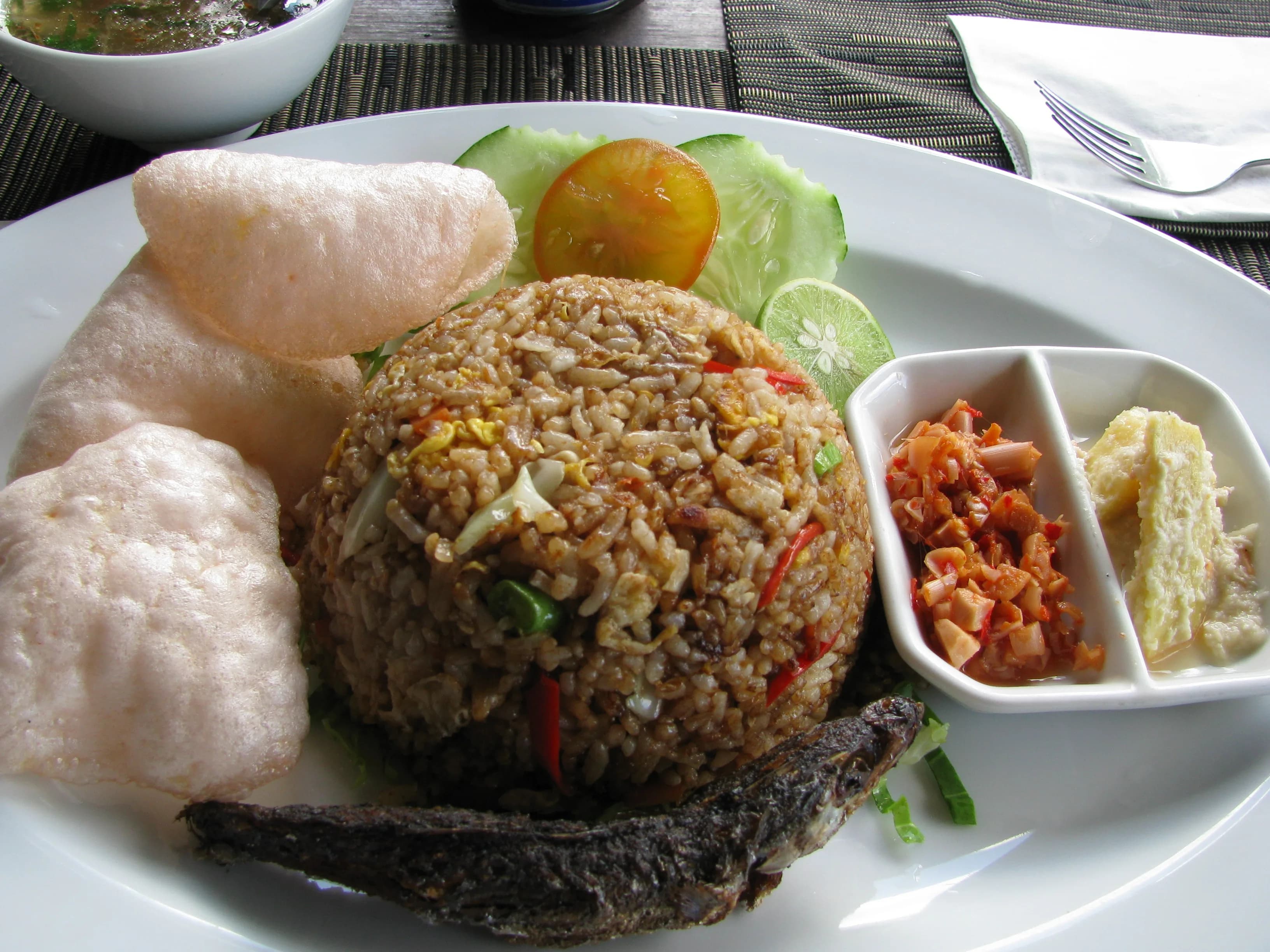
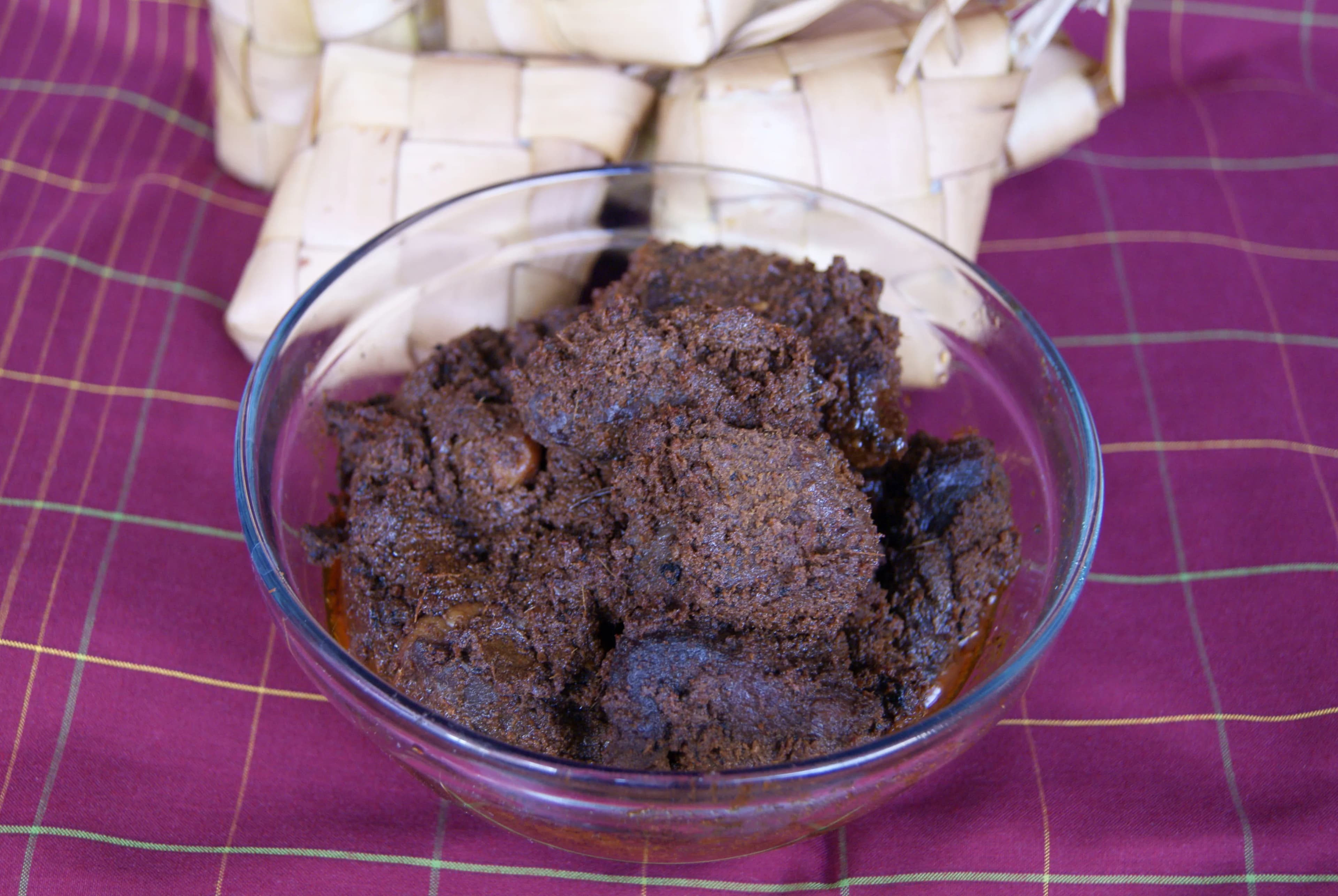
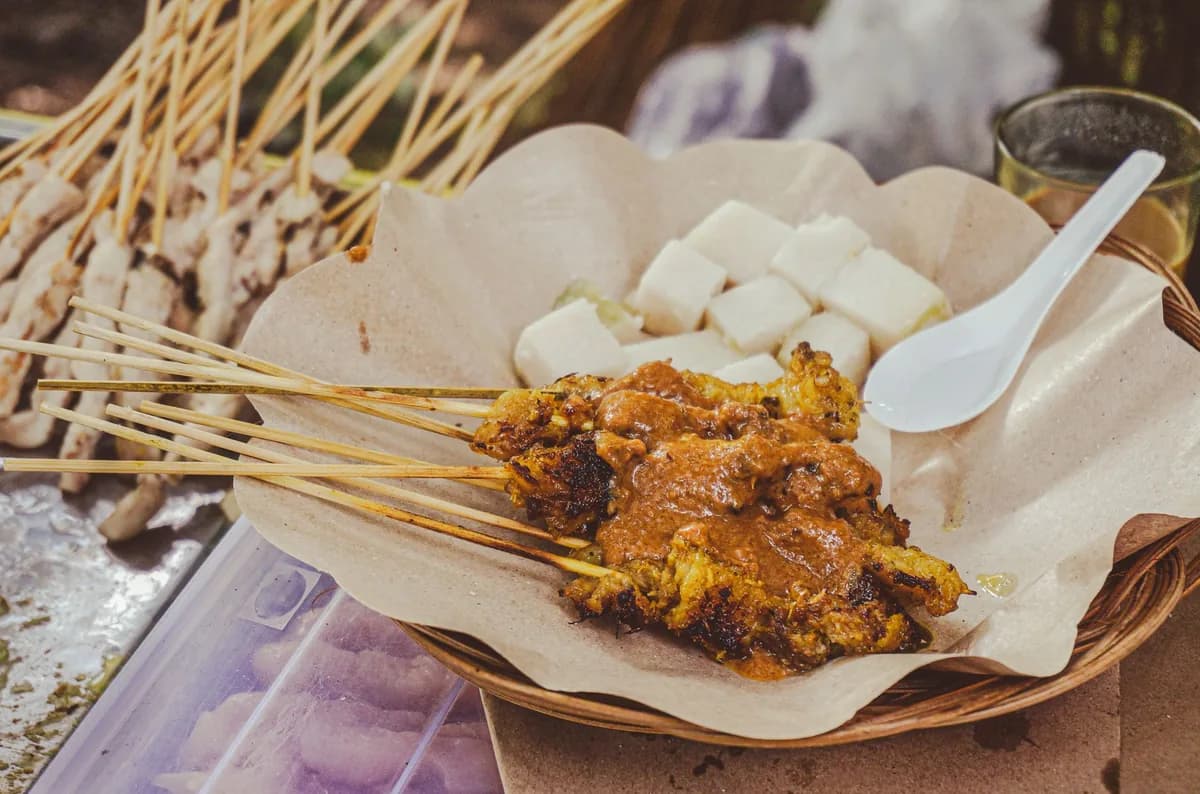
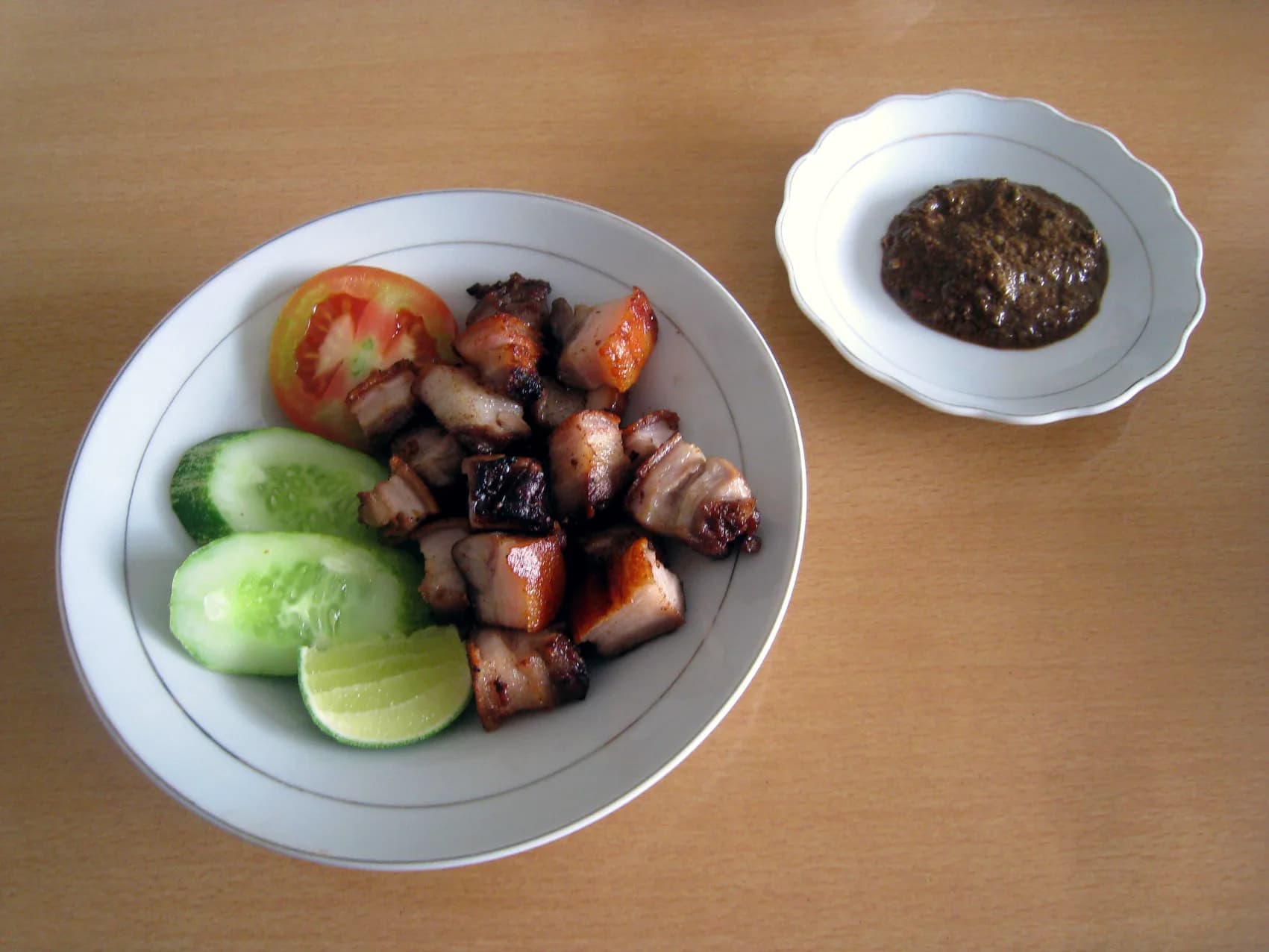
Indonesia is cheap, especially outside Bali's tourist zones. The currency is the rupiah, with its long string of zeros, so carry cash for warungs (local eateries) and small towns. And eat at those warungs. Nasi goreng and mie goreng (fried rice and noodles) are the everyday staples, but the real prizes are rendang (slow-cooked beef from Sumatra, often called the world's tastiest dish), satay, gado-gado and the Balinese feast of babi guling. You'll eat brilliantly for a couple of dollars.
When to go, and the visa
Indonesia sits on the equator, so it's warm year-round, with two seasons rather than four. The dry season, roughly April to October, is the prime window for Bali, Java, Komodo and most of the country. The wet season (November to March) brings heavy afternoon downpours, though mornings are often clear and the crowds thin.
Diving and island weather vary by region, so check the specific area for your dates. Most nationalities can get a visa on arrival or an e-Visa for tourist stays, and many now use the electronic visa-on-arrival system, so confirm the current rules for your passport before you fly. Bali also charges a small tourist levy on arrival, payable online in advance to save time at the airport.
Visa & Entry
Do you need a visa for Indonesia?
16 countries enter Indonesia visa-free. Check the full requirements for your passport →
FAQ
Indonesia — your questions
WorldCurio Editorial
Travel writers who plan trips the way locals would, grounded in what actually works on the ground. Visa and entry rules are cross-checked against the latest passport-index data, and climate figures use the Open-Meteo historical archive. Last reviewed June 2026. Always confirm visa and safety details with official sources before booking.
Keep exploring