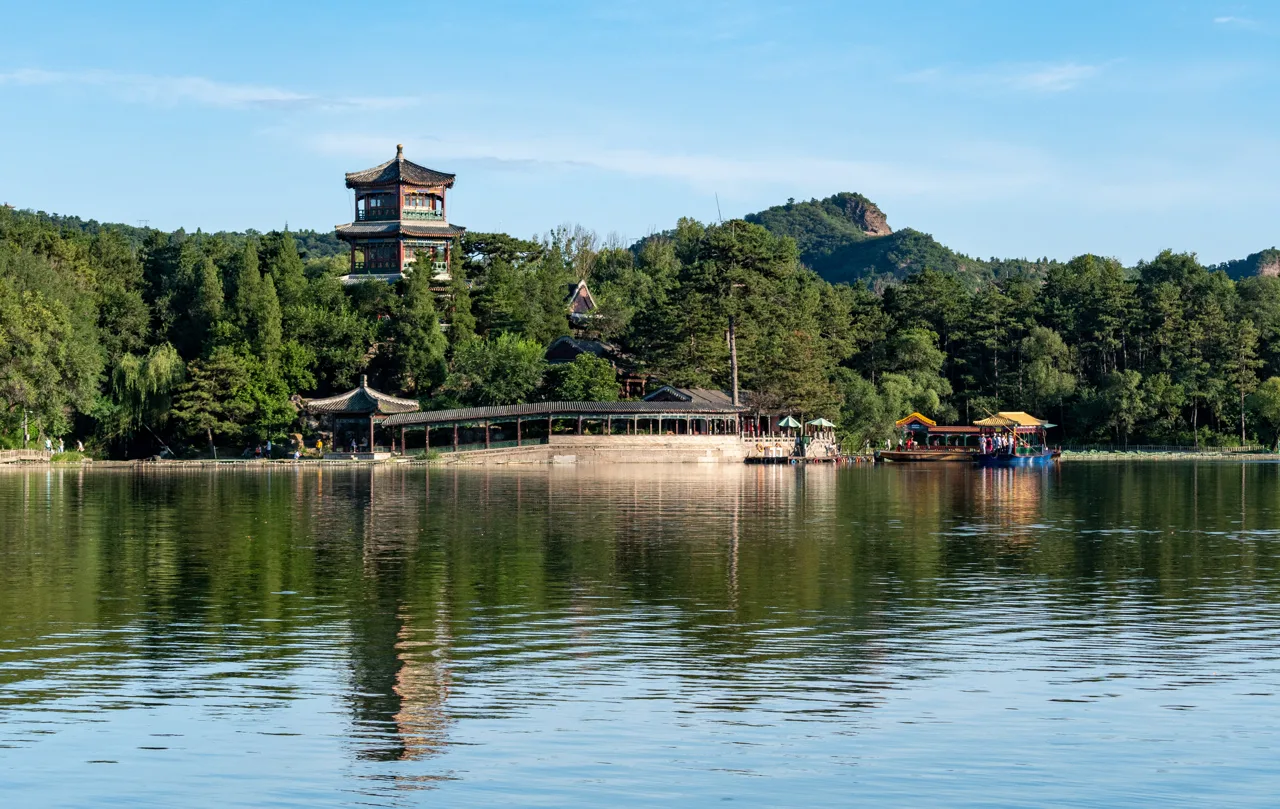
Built at 3,700 meters without machinery, the Potala Palace was the seat of Tibetan Buddhist government for three centuries. The Fourteenth Dalai Lama has been in exile since 1959. The palace has been a museum ever since.
About Potala Palace
The current palace was constructed 1645–1694 under the Fifth Dalai Lama as a combined seat of government and religious authority. The site has held a palace since the seventh century. UNESCO World Heritage Site since 1994; the Fourteenth Dalai Lama left in 1959.
The Potala Palace rises 13 stories from the Red Hill above Lhasa at 3,700 meters altitude, a white and red fortress-monastery that was the winter palace of the Dalai Lamas from the seventeenth century until 1959. The palace contains over 1,000 rooms, 10,000 shrines, and approximately 200,000 statues, and its construction, without machinery, at altitude, using hand-cut stone, remains one of the engineering achievements of the pre-modern world.
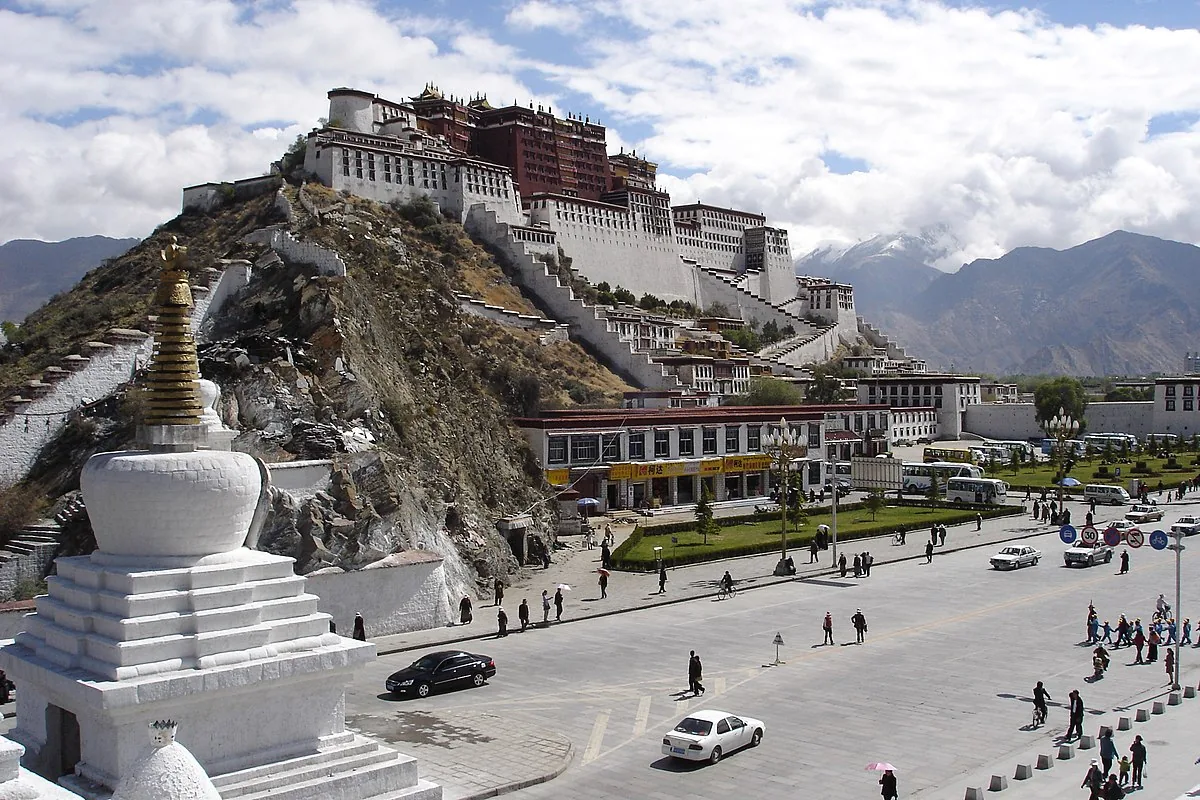
Potala Palace, China
Commissioned by King Songtsen
A palace first stood on Red Hill in the seventh century under King Songtsen Gampo, who unified Tibet and introduced Buddhism from India. The current structure was built between 1645 and 1694 under the Fifth Dalai Lama, Ngawang Lobsang Gyatso, who wanted a seat of government and religious authority that would project Tibetan power visibly across the plateau. The White Palace served as administrative quarters; the Red Palace, completed after the Fifth Dalai Lama's death, housed the chapels and golden funerary stupas of successive Dalai Lamas. The Fourteenth Dalai Lama fled to India in 1959 following the Chinese military consolidation of Tibet; the palace has been a state museum and UNESCO World Heritage Site since 1994.
Lhasa is accessible by the Qinghai-Tibet
Railway from Beijing, Shanghai, Guangzhou, and Xining, the highest railway in the world, crossing passes above 5,000 meters. Foreigners require a Tibet Travel Permit in addition to a Chinese visa; apply through a registered tour operator.
Visiting Potala Palace
Access is tightly managed: visitor numbers are capped, altitude acclimatization of at least two days in Lhasa is strongly advised, and the climb up the stone stairways to the entrance involves significant exertion at altitude. Inside, the chapels contain thangka paintings, jeweled stupas, and butter lamp offerings maintained by resident monks. The roof terraces offer views across the Lhasa valley. The visit moves through dimly lit rooms where the smell of yak butter and incense is constant.
The Experience
Managed-access visits through chapels containing jeweled stupas, thangka paintings, and active butter lamp offerings, culminating in roof terraces with Lhasa valley views, all at 3,700 meters with meaningful physical exertion on the stairways.
Why It Matters
The Potala Palace is the architectural embodiment of the Tibetan theocratic state and remains the most recognizable symbol of Tibetan civilization worldwide, a status it holds regardless of the political circumstances of its current management.
Why Visit
Few buildings on earth carry this combination of architectural drama, religious significance, and political weight. The altitude and the managed access make the visit genuinely effortful, which makes arriving at the roof terraces feel earned.
Insider Tips
- 1
Apply for the Tibet Travel Permit at least two weeks before your trip through a registered operator.
- 2
Acclimatize properly, altitude sickness at 3,700 meters is real and the stairway climb is demanding.
- 3
Photography is restricted inside many chapels; check signage and respect restrictions.