“A garden gnome lies shattered in a glass case, a permanent casualty of a divorce that ended in a driveway, proving that the most ordinary objects carry the heaviest emotional shrapnel.”
About Museum of Broken Relationships
The collection began with a small group of friends in Croatia but rapidly expanded via a 'donation box' that traveled to Berlin, San Francisco, and Singapore. Each object is accompanied by its original story, translated into multiple languages, preserving the specific slang and emotional cadence of the donor. The curators refuse to edit the stories for grammar or style, believing the raw honesty of the text is what gives the museum its power. Over the years, the archive has grown to over 3,000 items, with only a small portion on display at any given time to ensure the narrative remains focused and impactful.
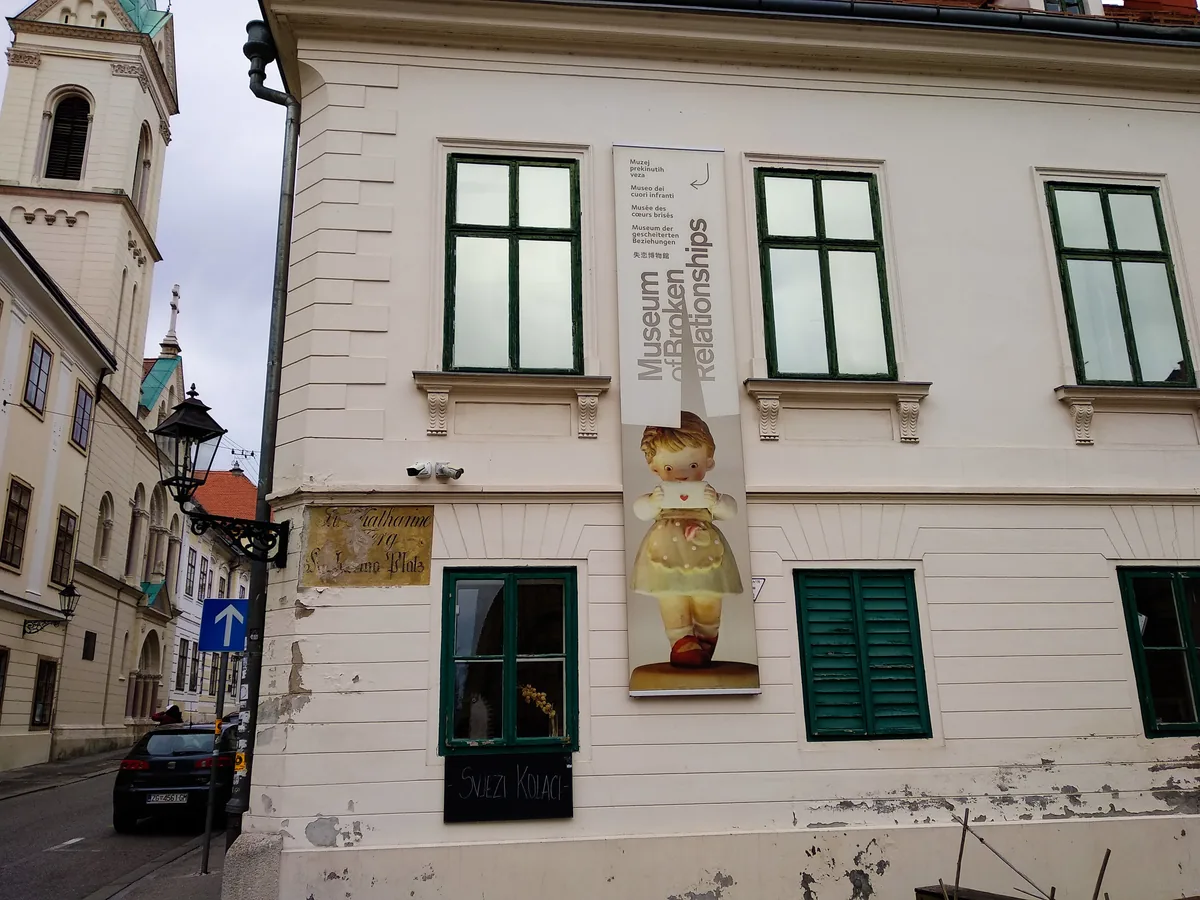
What Museum of Broken Relationships in Croatia
Inside a pale Baroque palace in Zagreb’s Upper Town, an axe, a toaster, and a single stiletto heel tell the story of the human heart’s messy undoing. The Museum of Broken Relationships is a crowd-sourced archive of the universal experience of loss, where everyday objects are elevated to the status of holy relics through the stories attached to them. Unlike traditional galleries, there are no masterpieces here, only the detritus of failed romances and fractured families. The rooms are minimalist and white, focusing all attention on the handwritten notes that accompany each donation. The room is thick with a strange, quiet intimacy, as strangers stand side-by-side reading the private griefs of people they will never meet. It is a place that manages to be deeply melancholy and unexpectedly funny all at once.
Inside a pale Baroque palace in Zagreb’s Upper Town, an axe, a toaster, and a single stiletto heel tell the story of the human heart’s messy undoing.
own four-year relationship, 2003
Two Zagreb artists, Olinka Vištica and Dražen Grubišić, found themselves at the end of their own four-year relationship in 2003 and joked about creating a museum for their shared possessions. What started as a traveling art installation grew into a permanent home in 2010 after receiving thousands of donations from across the globe. The museum avoids the clinical coldness of a history museum by allowing the donors to remain anonymous, giving them a platform to purge their memories through physical objects. In 2011, it was awarded the Kenneth Hudson Award for the most innovative museum in Europe, recognized for its ability to turn the most private of emotions into a public, cathartic experience. It has since spawned a sister location in Los Angeles and continues to collect new relics from every continent.
Moving through the galleries, The sound of soft, rhythmic footsteps on the wooden floors and the occasional sharp intake of breath as someone reads a particularly devastating caption. The environment smells faintly of old paper and the light jasmine tea served in the museum cafe. The way people move differently here; they don't skim the walls, they lean in, squinting at the small text. What emerges is a prosthetic leg in one corner, a gift from a war veteran to a nurse he loved, a sight that forces you to confront the weight of real-world sacrifice. A sudden, sharp pang of recognition seeing a simple rubber duck or a bottle of cheap cologne, realizing that everyone carries their own version of these ghosts. The light in the 'dark' room is dim, highlighting objects from relationships that ended in tragedy rather than just drift. People generally are moved to tears, but you might notice the quiet smiles of those reading about the person who sent their ex's toaster back with a note about how 'it never toasted anything anyway.' The collective weight of the room lift as you reach the final exhibit, which often focuses on the hope that follows a clean break. The experience is like eavesdropping on a thousand whispers, leaving you with a profound sense of the common threads that bind human beings together.
The museum sits in the middle
The museum sits in the middle of Gornji Grad (Upper Town), just a few steps from St. Mark’s Square. The most atmospheric way to arrive is via the 19th-century funicular from Ilica Street, which deposits you right at the edge of the historic district.
The museum sits in the middle of Gornji Grad (Upper Town), just a few steps from St.
The Experience
The museum shop is filled with 'bad memory' erasers and anti-stress cookies, a playful nod to the heavy themes found inside. The standout is the way the light from the tall windows catches the dust motes dancing around a wedding dress that was never worn. A strange sense of community with the other visitors, an unspoken agreement that we are all walking through a gallery of our own potential futures or pasts. What sticks with you is the final room, where a guestbook allows people to leave their own stories, creating a live, growing document of heartbreak in the middle of the city.
Why It Matters
The Museum of Broken Relationships has redefined the role of a modern museum as a space for emotional labor and public healing. It validates the 'small' histories of individuals in a world usually obsessed with the 'big' histories of kings and wars. It has become a cultural landmark that proves art's greatest power is its ability to make us feel less alone in our most private moments.
Why Visit
See this museum to experience the most human hour you will spend in Croatia. While the cathedrals and ruins tell you about who the people were, this museum tells you who they are. It is a necessary palate cleanser for the soul, stripping away the polish of tourism to reveal something raw, honest, and undeniably real.
✦ Insider Tips
- 1
Read every caption; the objects themselves are often mundane, but the text is where the actual art resides.
- 2
The museum cafe is one of the quietest and most beautiful spots in the Upper Town for a reflective coffee after your visit.
- 3
Avoid visiting at midday on Saturdays when the wedding processions at nearby St. Mark's can make the emotional contrast a bit overwhelming.
- 4
Check the website for 'Donation Days' if you happen to be traveling with an object you are finally ready to leave behind.
- 5
Purchase the exhibition book at the end; it contains the full stories of the objects on display and is a powerful piece of literature in its own right.