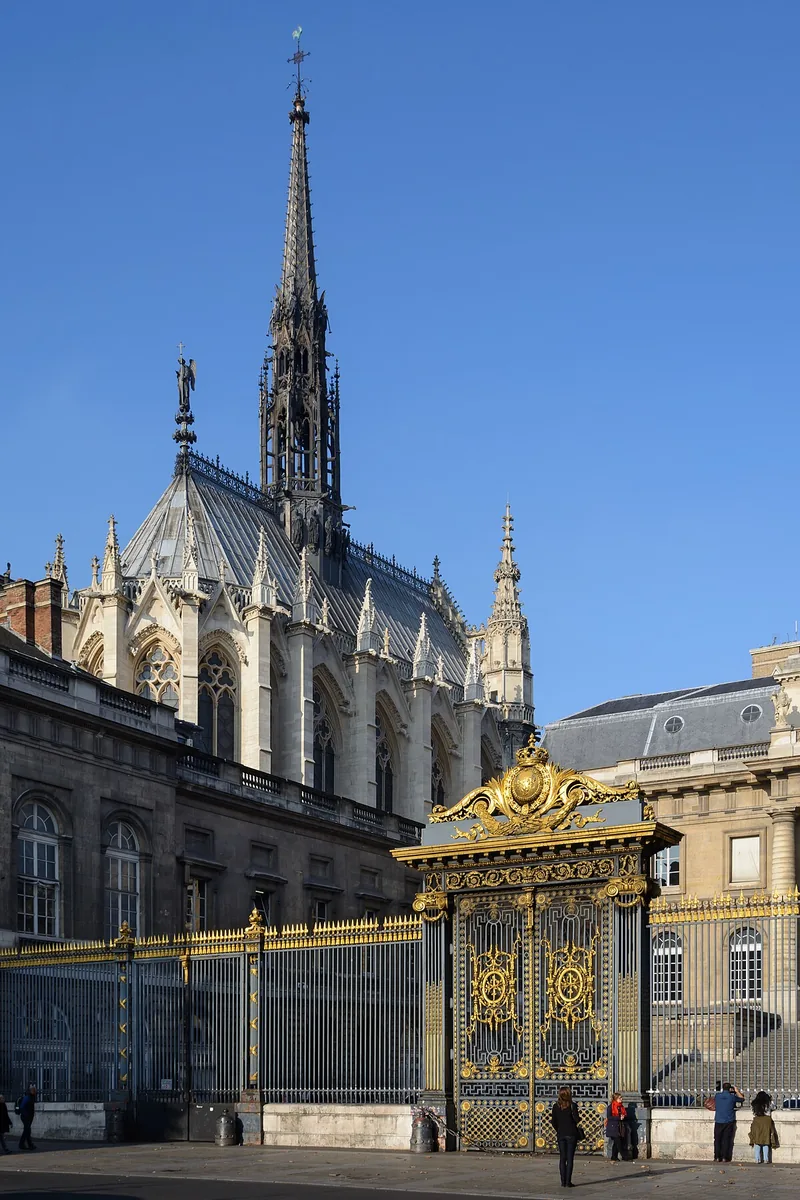
The Eiffel Tower was built as a temporary structure for the 1889 World's Fair and would have been demolished twenty years later if radio transmission equipment hadn't made it militarily useful, the structure the Parisian art world called a monstrous blot is now the world's most visited paid monument.
About Eiffel Tower
Designed by Gustave Eiffel's firm and built in two years and two months using 18,000 iron parts and 2.5 million rivets, the tower was intended for demolition in 1909. Radio installations in 1898 provided the justification to keep it standing; the artistic establishment's hostility gradually reversed as the structure became inseparable from Paris's identity.
The Eiffel Tower was built as a temporary entrance arch for the 1889 World's Fair and was supposed to be demolished twenty years later. The radio transmission equipment installed at its summit saved it from that fate, and the structure Gustave Eiffel designed as a demonstration of iron engineering is now the most visited paid monument in the world. At 330 metres including the antenna, it remained the world's tallest man-made structure for over forty years after its completion.
“The Eiffel Tower was built as a temporary entrance arch for the 1889 World's Fair and was supposed to be demolished twenty years later.”
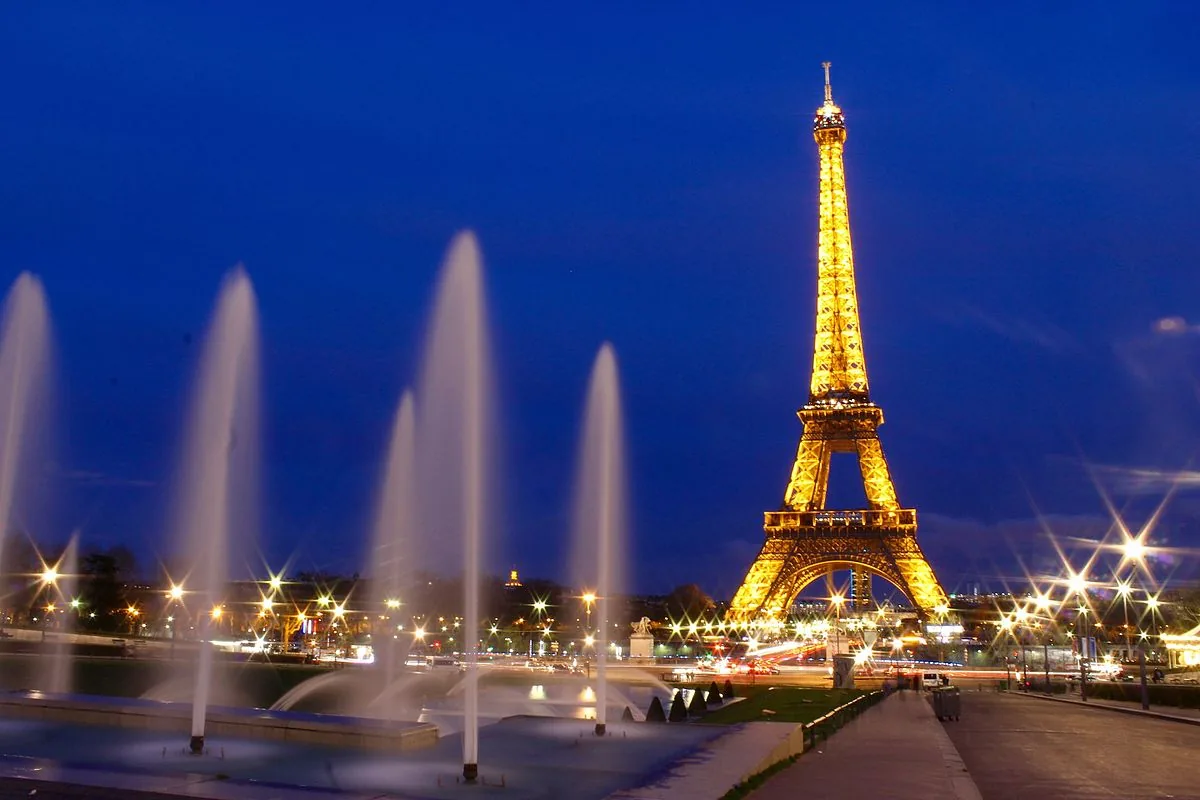
Eiffel Tower, France
Gustave Eiffel's engineering firm won the competition to design the exposition's central attraction. The construction took two years, two months, and five days, completed in March 1889, using over 18,000 individual iron parts assembled on-site with 2.5 million rivets. The Parisian artistic establishment was furious: a petition signed by prominent artists and writers called it a 'monstrous construction' and a 'blot' on the Paris skyline. Guy de Maupassant reportedly ate lunch in the tower's restaurant every day not because he liked it but because it was the only place in Paris from which the tower was not visible. The radio antenna, installed in 1898 and used for military communications during the First World War, was what ultimately justified keeping the structure standing when its permit expired in 1909.
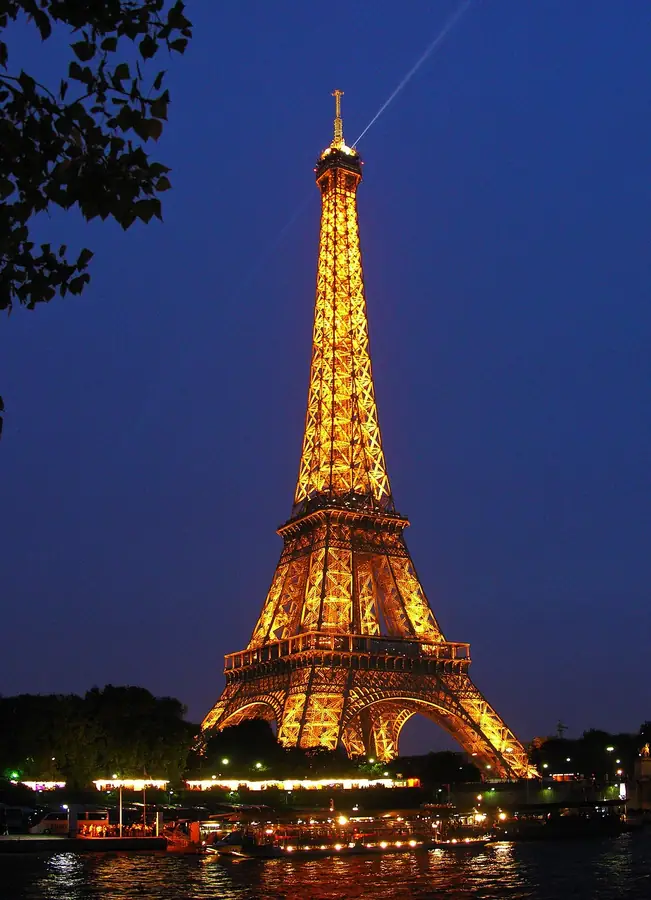
Eiffel Tower, France
The tower has three visitor levels accessible by lift or stairs. The first level, 57 metres up, has a glass floor section through which the ground below is visible, unsettling if you stand on it, worth doing. The second level at 115 metres is where the structure's distinctive form is most viscerally apparent; the ironwork is close and the city spreads in every direction. The summit at 276 metres (the topmost accessible point) offers the widest views on a clear day, extending to Chartres Cathedral on the horizon. The iron changes color with the light, darker in rain, golden in afternoon sun, and the hourly light display at night, in which the tower sparkles for five minutes, was added in 1985 and is legally protected as a visual art installation.
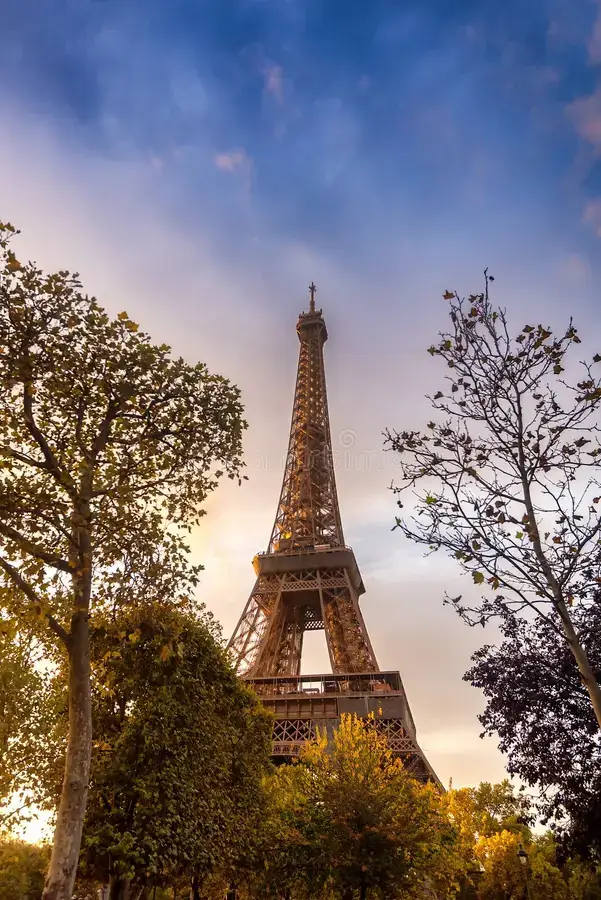
Eiffel Tower, France
The tower stands in the 7th arrondissement near the Champ de Mars park. Metro stations Bir-Hakeim (line 6) and Trocadéro (line 9) are closest. Pre-booking timed entry tickets online is strongly recommended, walk-up queues are extremely long in peak season and some ticket types sell out days ahead.
“The tower stands in the 7th arrondissement near the Champ de Mars park.”
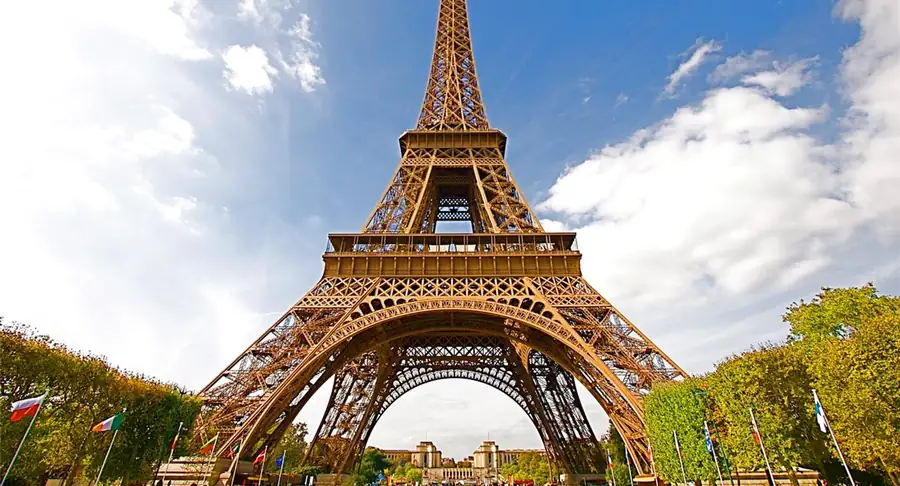
Eiffel Tower, France
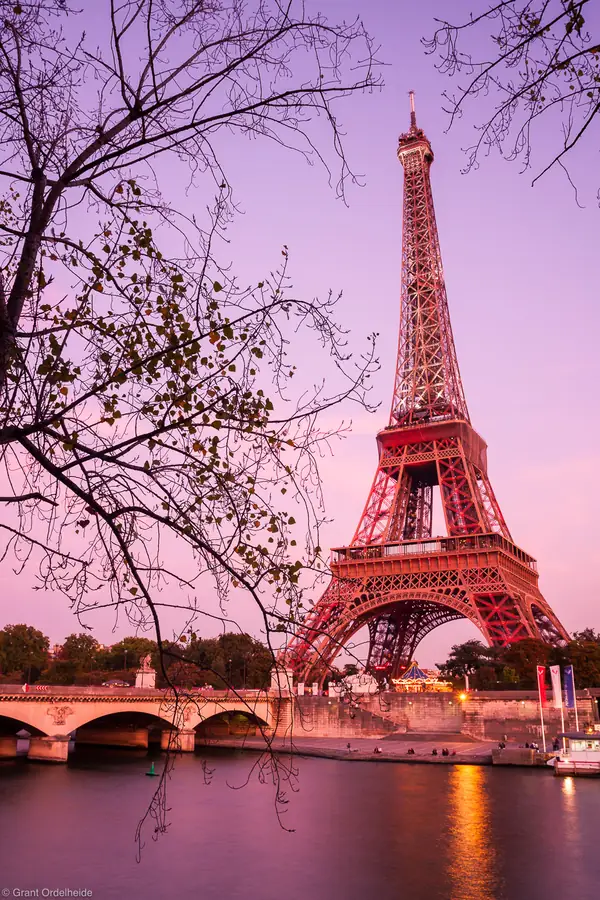
Eiffel Tower, France
The Experience
Stand on the glass floor section of the first level, view the intricate ironwork close-up from the second level, ascend to the summit for long views toward Chartres, and watch the five-minute hourly light display after dark, legally protected as a visual art installation since 1985.
Why It Matters
The world's most visited paid monument and the defining symbol of Paris, an engineering achievement that survived its own planned demolition and became the most recognized structure on earth.
Why Visit
The second level is the experience most visitors don't anticipate, close to the ironwork, with the city spreading in every direction, the scale and detail of Eiffel's construction becomes physically real in a way that ground-level photographs never convey.
Insider Tips
- 1
The stair ticket (to the second level only) is cheaper and avoids the lift queue, the climb is 674 steps but manageable.
- 2
The hourly sparkle display runs for five minutes after dark; position yourself on the Trocadéro plaza for the full effect.
- 3
The glass floor on the first level is worth the mild vertigo, it gives a perspective on the height that the lift doesn't.