“Marie de Médicis commissioned this 23-hectare Paris garden in 1612 to evoke her native Florence, the Luftwaffe used the palace at its north end as their French headquarters in World War II, and children have been sailing toy boats on the central basin ever since the nineteenth century.”
About Jardin du Luxembourg
Commissioned by Marie de Médicis in 1612, designed to recall the Palazzo Pitti gardens, the Luxembourg served as a Revolutionary prison, a Napoleonic barracks, and a Luftwaffe headquarters before settling into its current role as the Sénat's garden and Paris's most heavily used formal park.
What Jardin du Luxembourg actually is
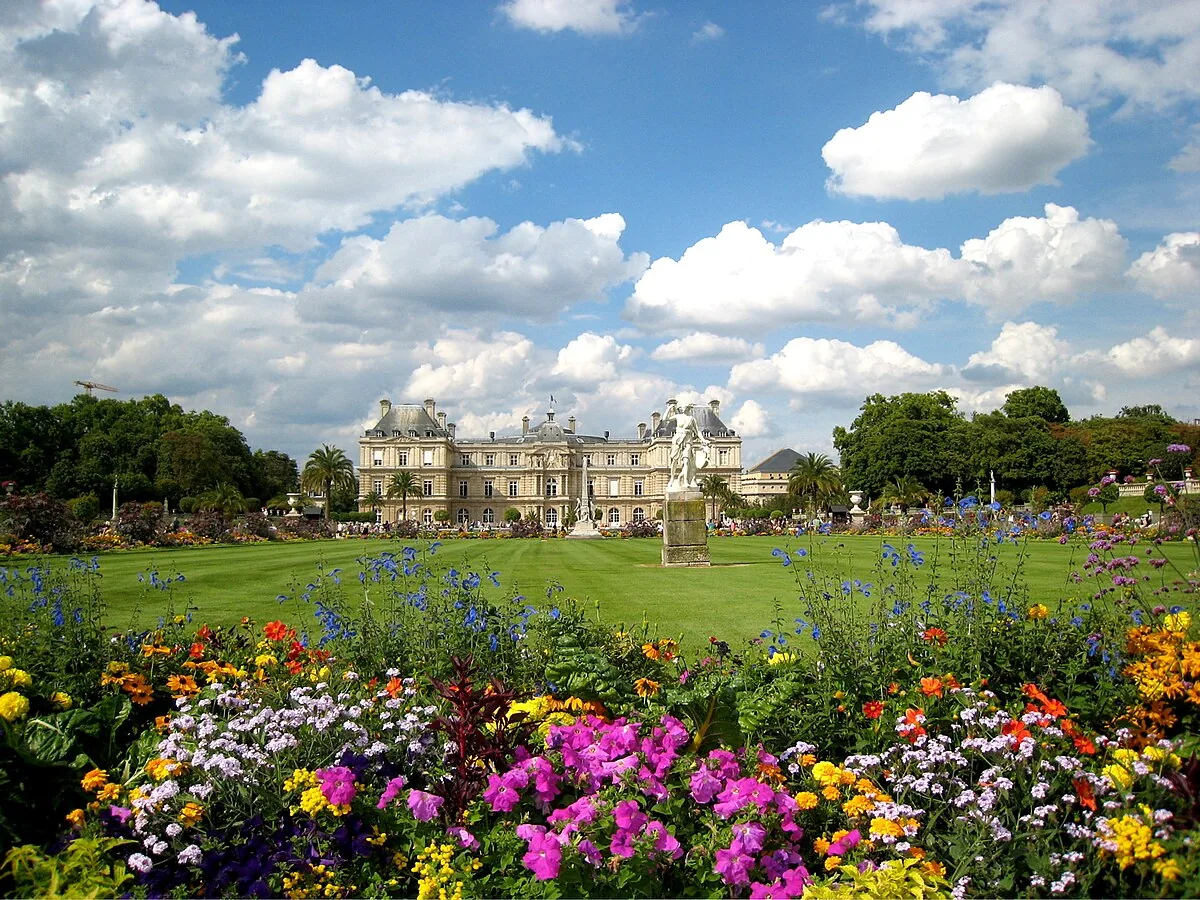
The Jardin du Luxembourg covers 23 hectares in the 6th arrondissement of Paris, between the Latin Quarter and Saint-Germain-des-Prés, making it one of the largest public parks in central Paris. The garden's formal French section, centered on the Medici fountain and the octagonal basin where children sail toy boats, is surrounded by a more natural English-style landscape section and extensive orchards managed by the Sénat, which administers the entire property from the Luxembourg Palace at the garden's north end.
The Jardin du Luxembourg covers 23 hectares in the 6th arrondissement of Paris, between the Latin Quarter and Saint-Germain-des-Prés, making it one of the largest public parks in central Paris.
Marie de Médicis, widow of Henri IV, commissioned the Luxembourg Palace and gardens in 1612 as a personal residence intended to evoke the Palazzo Pitti of her native Florence. The formal garden was designed by Jacques Boyceau in the early seventeenth century, and the Medici Fountain, now at the eastern end of the garden, was constructed around the same time. During the French Revolution, the palace was a prison; during the Second World War, the Luftwaffe used it as headquarters for their French operations. The garden itself survived both occupations more or less intact, maintained as a public space by the Sénat since the nineteenth century.
The garden is among the most actively used public spaces in Paris, students from the nearby Sorbonne reading under the horse chestnut trees, children sailing wooden boats on the central basin, elderly men playing pétanque in the designated boules area, beekeepers tending the orchards' hives in the corner apiary. The Medici Fountain, a grotto-like nymphaeum at the end of a long canal shaded by plane trees, is the most peaceful spot in the garden and consistently less crowded than the central basin area. An orangerie holds tropical plants in winter; the orchards produce apples, pears, and honey that are auctioned annually. The garden is in the 6th arrondissement, with multiple entrances. The main entrance from the Sénat side is on the Rue de Vaugirard. Metro stations Odéon (lines 4 and 10) and RER station Luxembourg are both close. The garden is free to enter and open every day.
The Experience
Watch children sail wooden boats on the octagonal basin, follow the plane-tree-shaded canal to the Medici Fountain grotto, observe the pétanque players in the boules area, and explore the working apiary and Sénat-managed orchards at the garden's edges.
Why It Matters
One of Paris's largest central parks and the finest surviving seventeenth-century formal garden in the city, still actively used in the spirit it was designed for, as an outdoor room for urban life.
Why Visit
The Medici Fountain at the end of its shaded canal is among the most tranquil spots in central Paris, a nymphaeum that rewards sitting beside rather than photographing and moving on. The garden's social life, from boat sailing to boules, is Paris at its most characteristically itself.
✦ Insider Tips
- 1
The metal chairs throughout the garden can be moved freely, arrange them beside the Medici Fountain canal for the best spot.
- 2
The toy boat rental at the central basin is available on weekend and weekday afternoons; children and adults both use them.
- 3
The apiary in the garden corner runs beekeeping courses; the annual honey auction is worth checking the Sénat website for dates.
- 4
The garden closes at dusk, the closing time changes monthly and is posted at each entrance.