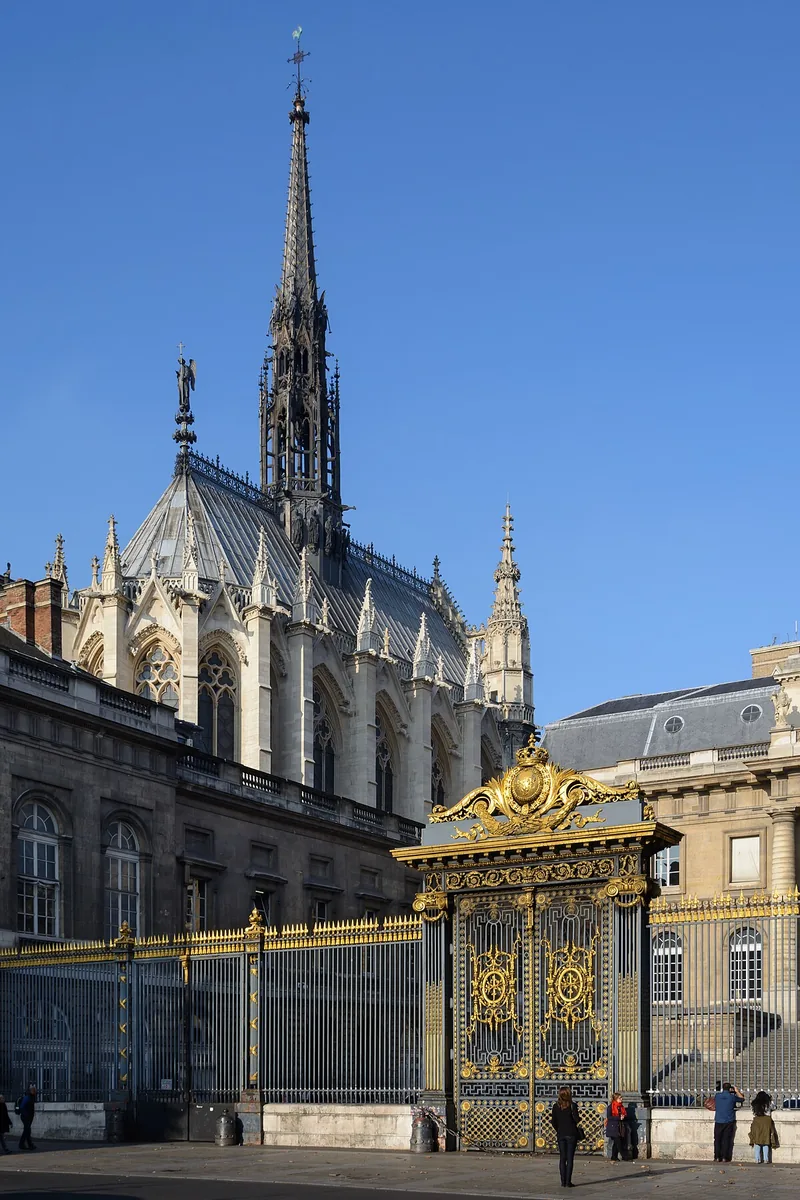
“The world's largest museum began as a medieval fortress in 1190, and the glass pyramid added as its entrance in 1989 generated public petitions against it. Both are now indistinguishable from Paris's identity.”
About Musée du Louvre
A royal fortress converted to a palace, converted again to a public museum by the Revolutionary government in 1793, the Louvre's collection was dramatically expanded by Napoleon through military conquest. Five centuries of French political ambition are physically present in the collection's scale and range.
What Musée du Louvre is
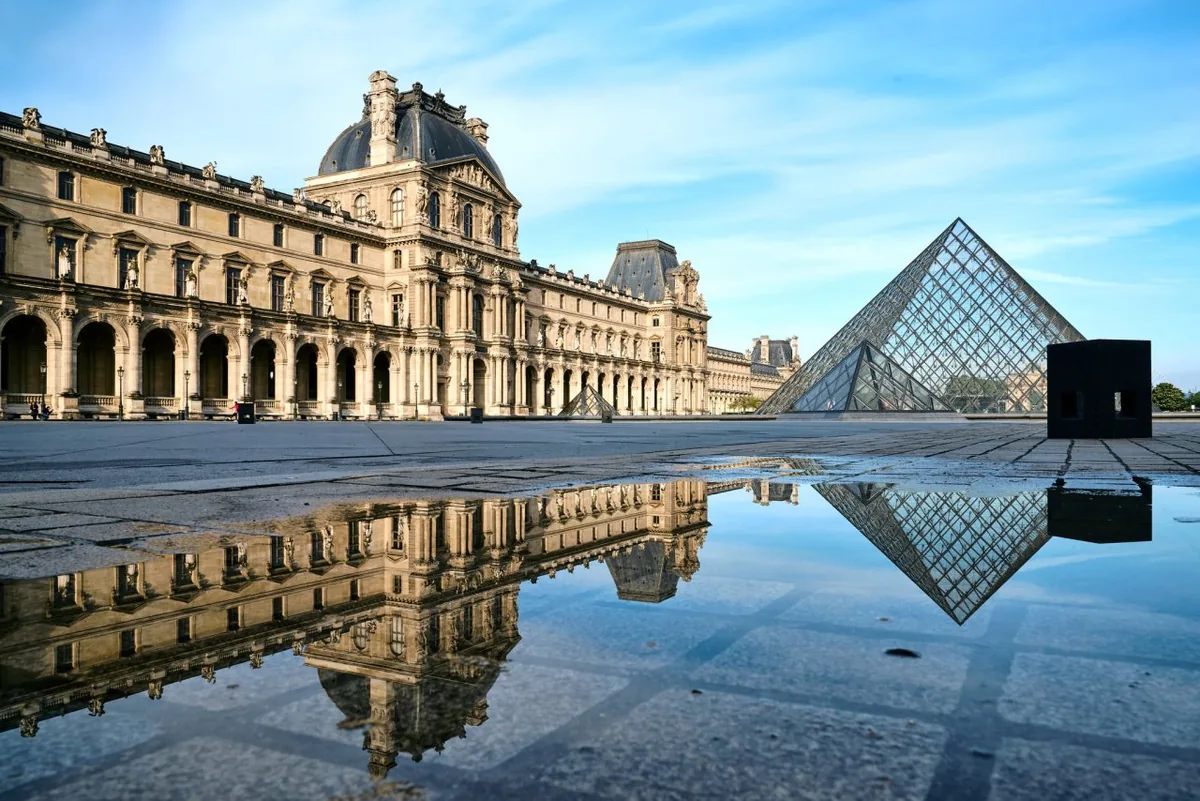
The Louvre is the world's most visited museum and the largest in the world by floor area, housing approximately 35,000 works across eight curatorial departments in a complex of buildings that began as a medieval fortress. The glass pyramid designed by I.M. Pei, added as the main entrance in 1989, was controversial enough at the time of its construction to generate public petitions against it; now it anchors the Cour Napoléon as the most recognized museum entrance in the world.
Origins
The Louvre began as a royal fortress built under Philip II in around 1190, converted to a royal residence by Charles V, expanded repeatedly by successive French monarchs, and finally opened as a public museum by the Revolutionary government in 1793. Napoleon greatly expanded the collection through military conquest and diplomatic pressure, acquiring works from across Europe and Egypt. The collection reflects the tastes and ambitions of five centuries of French political power: Greek and Roman antiquities, Egyptian artifacts, Italian Renaissance painting, Northern European masters, and the French royal collection all appear in depth. The museum's physical scale, walking its galleries end to end is estimated at five kilometres, makes selective visiting essential.
The Mona Lisa draws the largest crowds to the Salle des États, where the painting sits behind protective glass considerably smaller than most visitors expect, surrounded by people holding phones. The Winged Victory of Samothrace at the top of the Daru staircase stops visitors with its physical presence and the dynamic quality of its composition. The Richelieu Wing's French paintings, including Géricault's Raft of the Medusa and Delacroix's Liberty Leading the People, are among the finest works in the collection and consistently less crowded than the Italian galleries. The medieval moat and dungeon, excavated and visible beneath the Sully Wing, are a physical reminder of the fortress beneath the museum.
The Louvre
The Louvre is in the 1st arrondissement, between the Seine and the Palais Royal. Metro stations Palais Royal-Musée du Louvre (lines 1 and 7) open directly into the museum. Pre-booking timed entry tickets online avoids the pyramid queue; the lesser-known Porte des Lions entrance on the Seine side often has no queue at all.
The Louvre is in the 1st arrondissement, between the Seine and the Palais Royal.
The Experience
Navigate the Salle des États Mona Lisa crowd, stand before the Winged Victory of Samothrace on the Daru staircase, spend time with the Géricault and Delacroix paintings in the less-visited Richelieu Wing, and descend to the medieval moat and dungeon beneath the Sully Wing.
Why It Matters
The world's most visited museum and largest by floor area, the physical accumulation of five centuries of French royal and imperial art patronage, open since 1793.
Why Visit
The Winged Victory of Samothrace in its physical presence at the top of the Daru staircase is the work that most consistently exceeds visitor expectations. The medieval moat beneath the museum, a twelfth-century fortress visible through glass under a nineteenth-century palace, is the most unexpected experience in the building.
✦ Insider Tips
- 1
Use the Porte des Lions entrance on the Seine-side, it bypasses the pyramid queue and is largely unknown to tourists.
- 2
The Mona Lisa is much smaller than expected and surrounded by crowd; see it, then immediately spend longer with the other Leonardo in the room, Virgin of the Rocks.
- 3
The medieval moat excavation is in the Sully Wing basement, follow signs for 'médiéval' to find it.