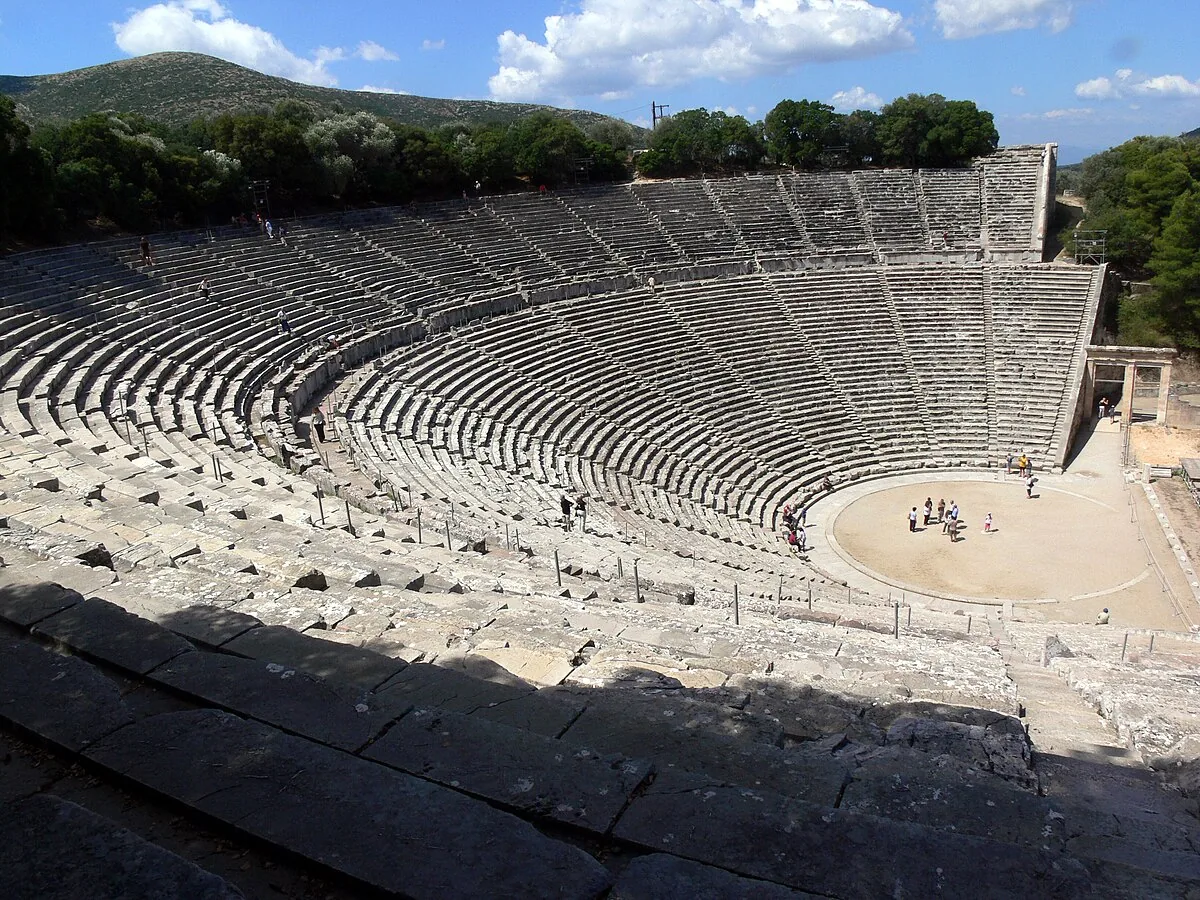
The theatre at Epidaurus was part of a healing complex where drama was prescribed as medical treatment, and its acoustics, which allow a whisper from the orchestra to be heard clearly in the uppermost seats, have never been replicated by modern construction.
About Ancient Theatre of Epidaurus
The sanctuary of Asklepios at Epidaurus predates the theatre by two centuries, active from the sixth century BCE as a pilgrimage and healing destination. The therapeutic method combined religious ritual, incubation in the abaton dormitory, seeking healing dreams, with physical treatments administered by trained practitioners and the broader programme of exercise, drama, and athletic competition. The theatre attributed to Polykleitos the Younger was built in the fourth century BCE to serve this programme. The sanctuary declined in late antiquity and the theatre was gradually buried under hillside sediment. Excavation in the 1880s found the structure in extraordinary condition, the limestone seating, the orchestra circle, and the stage foundations intact beneath the earth. The Athens and Epidaurus Festival, established in 1955, restored the theatre to active use for the first time in approximately fifteen centuries.
The theatre at Epidaurus was not built for entertainment. The sanctuary of Asklepios in the northeastern Peloponnese was a healing complex, a combination temple precinct, medical centre, and therapeutic resort where the sick came for incubation (sleeping in the sanctuary to receive healing dreams), physical treatment, and the recuperative combination of exercise, clean air, baths, and religious practice. Drama and athletics were part of the treatment programme; the theatre and the stadium were integral to the therapeutic purpose of the sanctuary, not amenities attached to it. The theatre seats approximately 14,000 spectators across 55 rows of limestone cut into the hillside and has acoustic properties that, nine centuries later, no modern construction has replicated.
The theatre was built in the fourth century
BCE, attributed by the ancient travel writer Pausanias to the architect Polykleitos the Younger. The sanctuary it served had been active since the sixth century BCE, drawing patients from across the Greek world to the sacred spring and the abaton, the dormitory where incubation rituals took place. The healing complex included baths, a hostel, a stadium, and the theatre, operating as an institution for several centuries before the sanctuary's decline in late antiquity. The site was abandoned and the theatre was buried under sediment from the hillside above; systematic excavation in the 1880s revealed the structure in remarkable condition. The Athens and Epidaurus Festival has used it as a performance venue every summer since 1955.
Every guide performs the acoustic demonstration: a coin dropped, or a whispered sentence from the circular orchestra, audible without amplification from the uppermost seats. The demonstration is real. The geometry and the limestone construction produce a sound environment that modern engineers have studied extensively without fully explaining. A summer performance, ancient tragedy, in Greek, under open sky, in the building it was written for, is qualitatively different from any theatre experience available elsewhere.
Epidaurus is in the Argolid,
150 kilometres southwest of Athens. The most convenient access for performance nights is direct festival buses from Athens; for daytime site visits, a car from Nafplio (30 kilometres away) is most practical.
The Experience
The acoustic demonstration is the standard introduction, and it is worth doing seriously rather than dismissively. Stand at the orchestra centre and speak quietly; a companion in the uppermost tier will confirm that the sound arrives clearly without amplification. The mechanism, limestone's high porosity absorbing low-frequency background noise while reflecting higher frequencies cleanly, was only identified through modern research. A summer performance in the actual theatre is the complete version of the experience. Ancient tragedy performed in Greek under open sky in a building that has hosted the same texts for two and a half millennia produces something that cannot be generated elsewhere. Tickets for the Athens and Epidaurus Festival sell out quickly; book months in advance.
Why It Matters
Epidaurus demonstrates that the ancient Greeks understood health holistically in a way that modern medicine separated: the healing sanctuary integrated religious ritual, physical treatment, exercise, and cultural experience into a single therapeutic system. The theatre was as medically necessary to the sanctuary as the baths. That integration, and its physical survival in one of the best-preserved ancient buildings in the world, makes Epidaurus genuinely unusual.
Why Visit
The acoustic demonstration alone justifies the journey, but the summer performance is the real reason. Seeing Sophocles or Euripides performed in the building for which it was written, in the language in which it was written, is an experience without equivalent. The daytime archaeological site visit is excellent; the evening performance is something different entirely.
✦ Photo Gallery
Best Season
🌤 The Athens and Epidaurus Festival runs late June through August, with performances on Friday and Saturday nights. For daytime visits without the performance crowds, April through June and September through October offer comfortable temperatures and manageable visitor numbers.
Quick Facts
Best time to visit
The Athens and Epidaurus Festival runs late June through August, with performances on Friday and Saturday nights. For daytime visits without the performance crowds, April through June and September through October offer comfortable temperatures and manageable visitor numbers.
Getting there
In Epidaurus, Greece; reach Epidaurus first, then continue to the site.
What's nearby
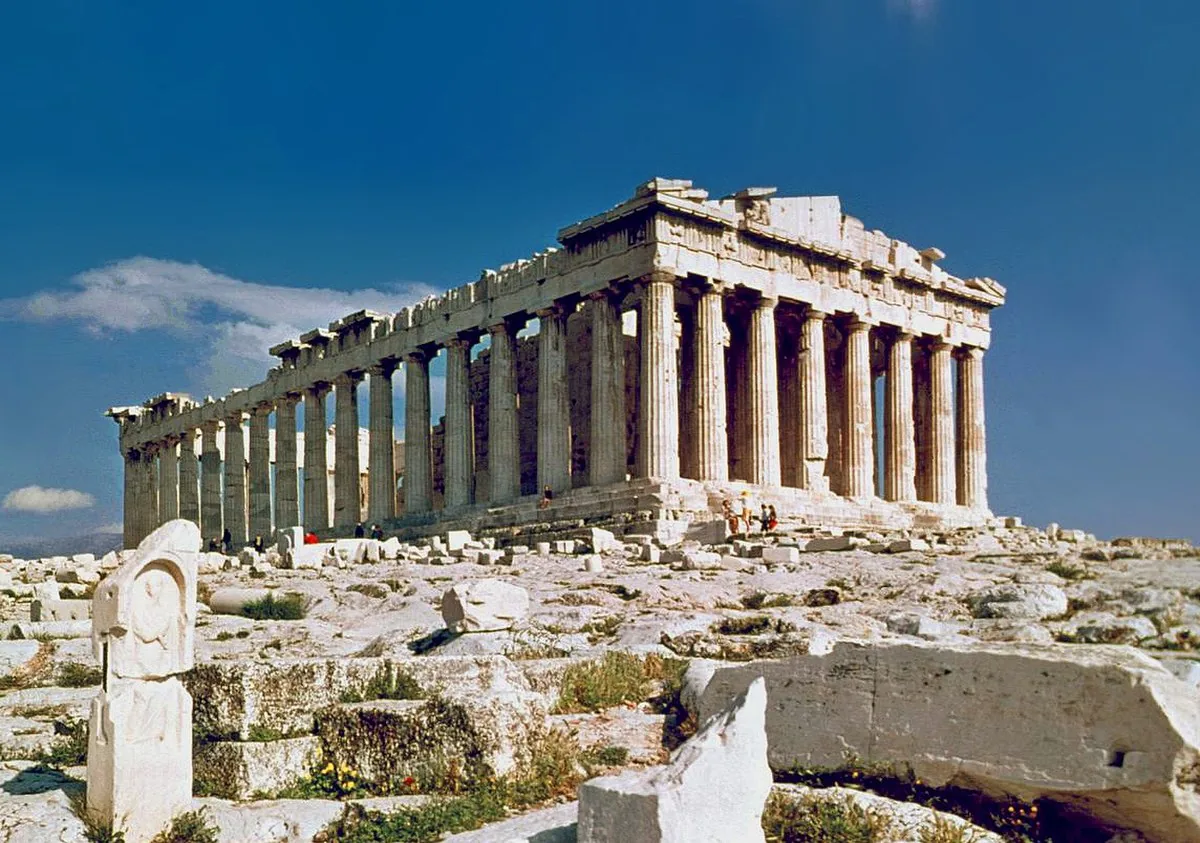
Parthenon, Plaka and National Garden are also in the area.
Location
Epidaurus, Greece
Type
attraction
Coordinates
37.5961°, 23.0792°
Insider Tips
- 1
Festival tickets are sold online through the Athens and Epidaurus Festival website and sell out weeks in advance for popular productions, book as soon as the programme is announced.
- 2
Bring a cushion or rent one at the entrance; the limestone seating is hard and performances run two to three hours.
- 3
The sanctuary complex around the theatre, the abaton dormitory foundations, the ancient baths, the stadium, is rarely explored by performance visitors who arrive in the evening; the daytime site visit is a separate experience worth making.
- 4
The Epidaurus Archaeological Museum on the site holds the architectural sculpture from the sanctuary's temple and the medical instruments found in excavation, essential context for understanding what the sanctuary actually was.