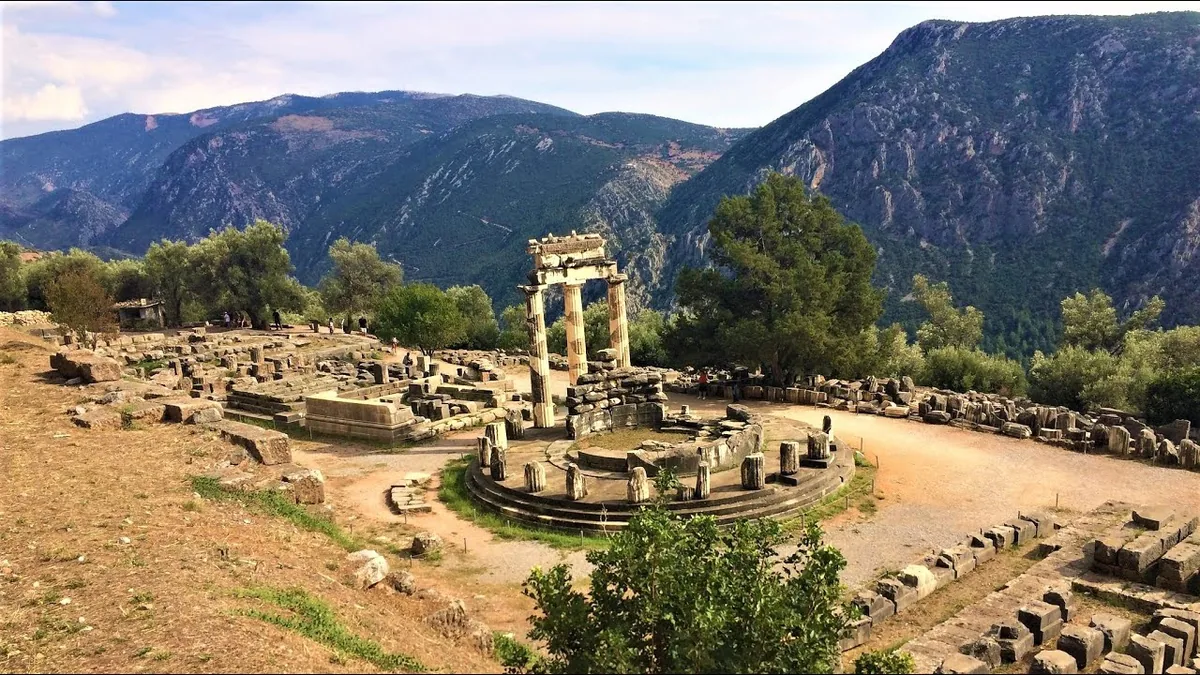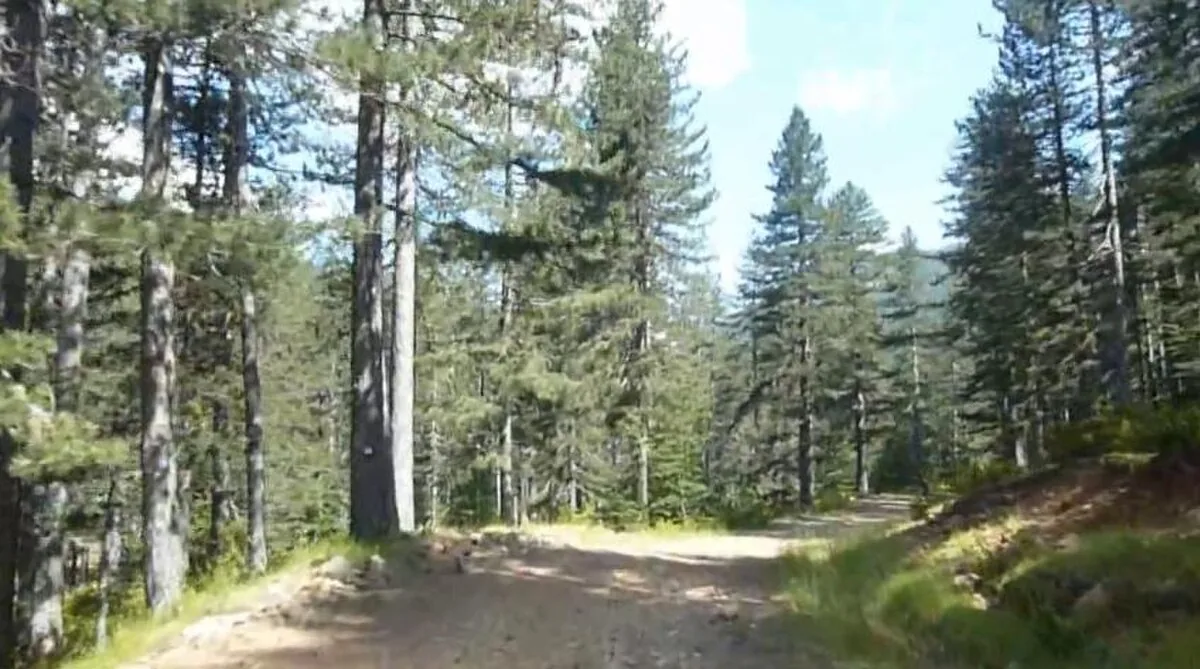
Brown bears, grey wolves, and Eurasian lynx all maintain wild populations in Pindus National Park, one of the very few places in the European Union where all three large predators share the same territory.
About Pindus National Park
The Pindus range was the seasonal axis of Vlach transhumance culture for centuries before modern borders fixed population movements. These pastoral communities drove their flocks along routes between winter lowlands and summer uplands, building the stone paths and waystation villages that now define the Zagori landscape. The Zagorochoria villages were constructed in the seventeenth and eighteenth centuries under Ottoman rule, the community's wealth from trade and animal husbandry expressed in the grey limestone architecture and arched bridges that survive largely intact. The national park designation formalised the protection of the high-altitude wilderness zone; the surrounding Zagori region retains its human-shaped character as a buffer of inhabited mountain culture. The Vikos Gorge, among the deepest in Europe relative to width, lies at the western edge of the park boundary. Population decline through the twentieth century reduced the pressure on the landscape and allowed predator populations to recover.
Pindus National Park, formally Valia
Kalda, occupies the central Pindus mountain range in northwestern Greece, where bears, wolves, and lynx maintain established wild populations across dense beech and fir forests, alpine meadows, and river gorges. The park forms part of a larger protected corridor running from northern Greece into Albania. Elevations range from under a thousand metres in the valley floors to over 2,200 metres on the main ridge. The Acheloos and its tributaries drain the range westward, cutting gorges through the limestone before reaching the lowlands. Directly to the west, the Zagori region, a network of pre-industrial stone villages connected by arched bridges, is the practical base for the area.
The Pindus has been inhabited since antiquity, primarily by Vlach communities who followed seasonal transhumance routes between the high summer pastures and coastal lowlands. Their movement shaped the landscape over centuries, the high meadows, the stone paths, the village networks, in a pattern that largely determined what the national park protects. The Zagori villages, built from local grey limestone in a distinctive Epirot architectural style during the seventeenth and eighteenth centuries, represent one of the most intact networks of pre-industrial mountain communities in the Balkans. The Vikos Gorge, at the edge of the park area, is among the deepest gorges in the world relative to its width.
The Vikos Gorge trail from Monodendri to Vikos village is the most visited route: a full-day walk through a river gorge whose walls reach 900 metres in places. The path is well-marked but requires a full day and appropriate footwear. The Zagorochoria villages, 46 of them, many well-preserved, are the accommodation and food base for the area, connected by a series of arched stone bridges that cross the Voidomatis and its tributaries. Brown bear sightings in and around the park are not unusual at dawn for those moving quietly.
Ioannina is the nearest city, approximately 40 to 60 kilometres from the main Zagori villages. Car access is necessary for most itineraries. Ioannina has an airport with connections to Athens.
The Experience
The Vikos Gorge walk begins at Monodendri village, descends into the gorge, and follows the Voidomatis riverbed, dry in summer, clear and cold in spring, to Vikos village at the far end. The walls rise to 900 metres above the gorge floor in the deepest section; the path stays on the valley bottom, with the light narrowing overhead as the walls close. The Zagorochoria villages above the gorge have stone-arched bridges across the tributary streams, café terraces above the valleys, and guesthouses in restored eighteenth-century buildings. Papingo, Monodendri, and Kipi are the most-visited; the smaller villages between them are often completely empty. Moving between them in the early morning, before the tourist season is fully active, is the best version of the Zagori experience.
Why It Matters
The Pindus is one of the last places in Europe where the pre-modern relationship between mountain communities and mountain wilderness remains physically legible: the stone villages, the transhumance paths, the arched bridges, and the high-altitude wilderness with its predator populations form a coherent landscape that industrial agriculture never reached. The Vikos Gorge is among the most dramatic natural features in the Balkans.
Why Visit
The combination of the Vikos Gorge walk, the Zagori villages, and the possibility of seeing large predators in a genuine wilderness makes the Pindus area unlike anything accessible from Athens in a single road trip. The infrastructure is modest, the distances are manageable, and the landscape rewards the effort of getting there.
✦ Photo Gallery
Best Season
🌤 May through June for the Vikos walk with the Voidomatis river still running and the spring wildflowers in the gorge. September is good for settled weather and the forested slopes changing colour. Winter closes most accommodation and some roads.
Quick Facts
Best time to visit
May through June for the Vikos walk with the Voidomatis river still running and the spring wildflowers in the gorge. September is good for settled weather and the forested slopes changing colour. Winter closes most accommodation and some roads.
Getting there
In Vikos Gorge, Greece; reach Vikos Gorge first, then continue to the site.
Location
Vikos Gorge, Greece
Type
attraction
Insider Tips
- 1
The Vikos Gorge walk is a full day, start from Monodendri at 8am to reach Vikos village with time for the return bus or arranged taxi.
- 2
Bears are most likely to be seen at dawn near the park's upper meadows; a local guide from Papingo village significantly improves the odds.
- 3
The arched stone bridges at Kipi are the most accessible examples of Zagori bridge architecture and are usually uncrowded in the early morning.
- 4
Book accommodation in Zagori villages (Papingo, Monodendri, or Kipi) rather than driving from Ioannina daily, the morning light in the gorge and the evening village atmosphere are only available if you stay.