“A British soldier hunting tigers in 1819 accidentally stumbled upon a lost civilization of thirty caves, hidden behind a curtain of waterfall and jungle for over a thousand years.”
About Ajanta Caves
The craftsmen worked from top to bottom, removing thousands of tons of basalt without the use of scaffolding, a feat of foresight that left no room for error. The murals were created using a tempera technique on a surface of clay, hay, and cow dung, which has miraculously survived the humidity of the jungle. John Smith’s 'discovery' in 1819 led to decades of botched restorations and theft before the Archaeological Survey of India took control. Today, the caves are a UNESCO World Heritage site and a primary laboratory for the study of ancient Asian painting techniques.
About Ajanta Caves
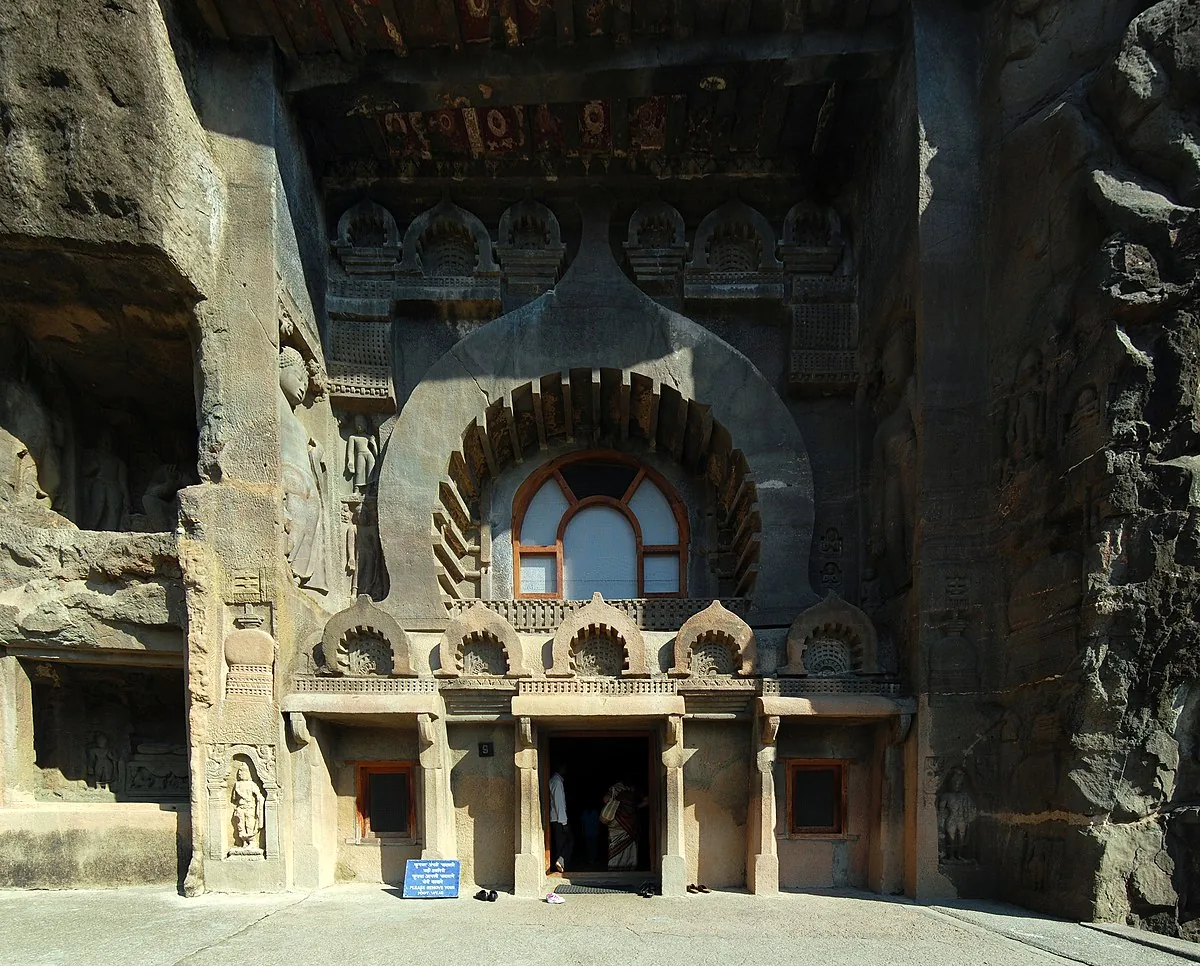
Carved into a sheer basalt cliff overlooking a horseshoe-shaped bend in the Waghur River, the thirty caves of Ajanta are a miracle of artistic endurance. These rock-cut sanctuaries lay forgotten for nearly fifteen centuries, swallowed by the thick jungle of the Sahyadri hills. Within, the space the caverns is cool and still, smelling faintly of ancient dust and damp stone. Sunlight rarely penetrates the deeper recesses, leaving the world-famous murals and colossal stone Buddhas in a perpetual, contemplative twilight. The surrounding valley is a monochrome of green and grey, where the only sound is the seasonal roar of a waterfall cascading over the cliff face.
Carved into a sheer basalt cliff overlooking a horseshoe-shaped bend in the Waghur River, the thirty caves of Ajanta are a miracle of artistic endurance.
The caves were chiseled out
The caves were chiseled out in two distinct phases, starting in the 2nd century BCE by Hinayana Buddhist monks seeking a monsoon retreat. After a long period of abandonment, a second, more opulent phase began in the 5th century CE under the Vakataka dynasty. These later artists were masters of color, using pigments derived from lapis lazuli, ochre, and malachite to depict the Jataka tales. The site was abandoned again around 650 CE as Buddhism declined in the region, remaining a secret known only to the local Bhil tribes. It wasn't until 1819 that a British cavalry officer named John Smith, out on a tiger hunt, spotted the top of a stone arch through the vines, inadvertently revealing one of the world's greatest art treasures to the modern age.
Walking along the curved terrace that connects
Walking along the curved terrace that connects the caves, moving through a chronological history of Buddhist devotion. The mass of the silence of the rock pressing in entering the prayer halls, or chaityas, where the vaulted ceilings were carved to mimic wooden ribs. Inside Cave 1, the Padmapani Bodhisattva looks down with a sorrowful, elegant compassion that has not dimmed in 1,500 years. First, the sophisticated use of shadow and perspective in the paintings, which predates the European Renaissance by a millennium. The sound of your own footsteps on the stone floors is the only noise in these dark, temperature-controlled chambers, where the light is kept low to protect the fragile pigments from the humid Indian air.
Location and access
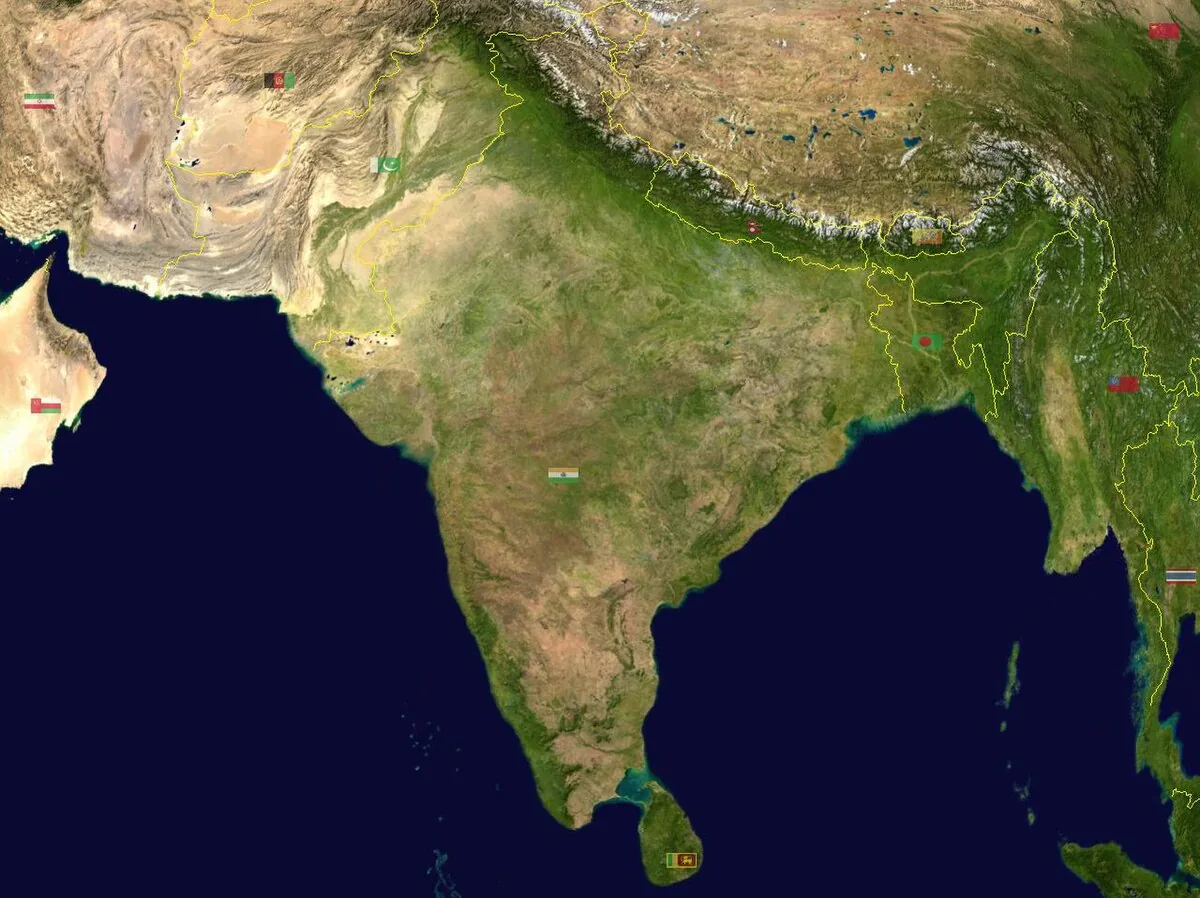
Ajanta is located in the Aurangabad district of Maharashtra, a three-hour drive from the city through the rural Deccan plateau. Almost all visitors arrive by train or flight to Aurangabad before hiring a private car. To protect the site from pollution, vehicles must be left at a dedicated terminal four kilometers away, with green-energy buses ferrying visitors to the base of the caves. The final ascent involves a series of steep steps, though sedan chairs carried by local porters are available for those who need them. A visit here is best combined with the nearby Ellora Caves, though Ajanta requires a slower, more observational pace to absorb the detail of the murals.
Ajanta is located in the Aurangabad district of Maharashtra, a three-hour drive from the city through the rural Deccan plateau.
The Experience
The darkness inside the caves is thick and grounding, making the golden-hued murals appear to glow from within as your eyes adjust. You come across a weight of the mountain above you, a heavy presence that makes the fluid, celestial dancers on the walls seem even more ethereal. The tiny details that most skip: the intricate hairstyles of the painted princesses and the realistic expressions of the stone elephants. The most moving moment is standing in Cave 26 before the reclining Buddha; the scale of the carving and the absolute silence of the stone create a sense of peace that is almost physical.
Why It Matters
Ajanta is the cradle of classical Indian art and the primary influence for Buddhist painting across Asia, from Sri Lanka to Japan. It is a rare, complete record of 5th-century life, documenting the costumes, jewelry, and architecture of a lost golden age. Historically, it proves the existence of a highly organized monastic community supported by a sophisticated global trade network.
Why Visit
Visit Ajanta to see the beginning of art as we know it in the East. While Ellora is about grand structural ambition, Ajanta is about the intimacy of the human story. It is a place where you can look into the eyes of a painted figure from the year 480 and see a reflection of modern human emotion.
✦ Insider Tips
- 1
Bring a high-quality, small flashlight; the internal lighting is kept very dim to prevent the paintings from fading.
- 2
Wear easy slip-on shoes, as you must enter each of the thirty caves barefoot out of respect.
- 3
Take the steep trail to the 'Viewpoint' across the river for a panoramic look at the horseshoe curve that reveals the site’s strategic hidden location.
- 4
Caves 1, 2, 16, 17, and 26 contain the most significant art; focus on these if you have limited time.
- 5
Visit on a weekday morning to avoid the local school groups and the echo of large tour parties.