All landmarks and tourist attractions in India
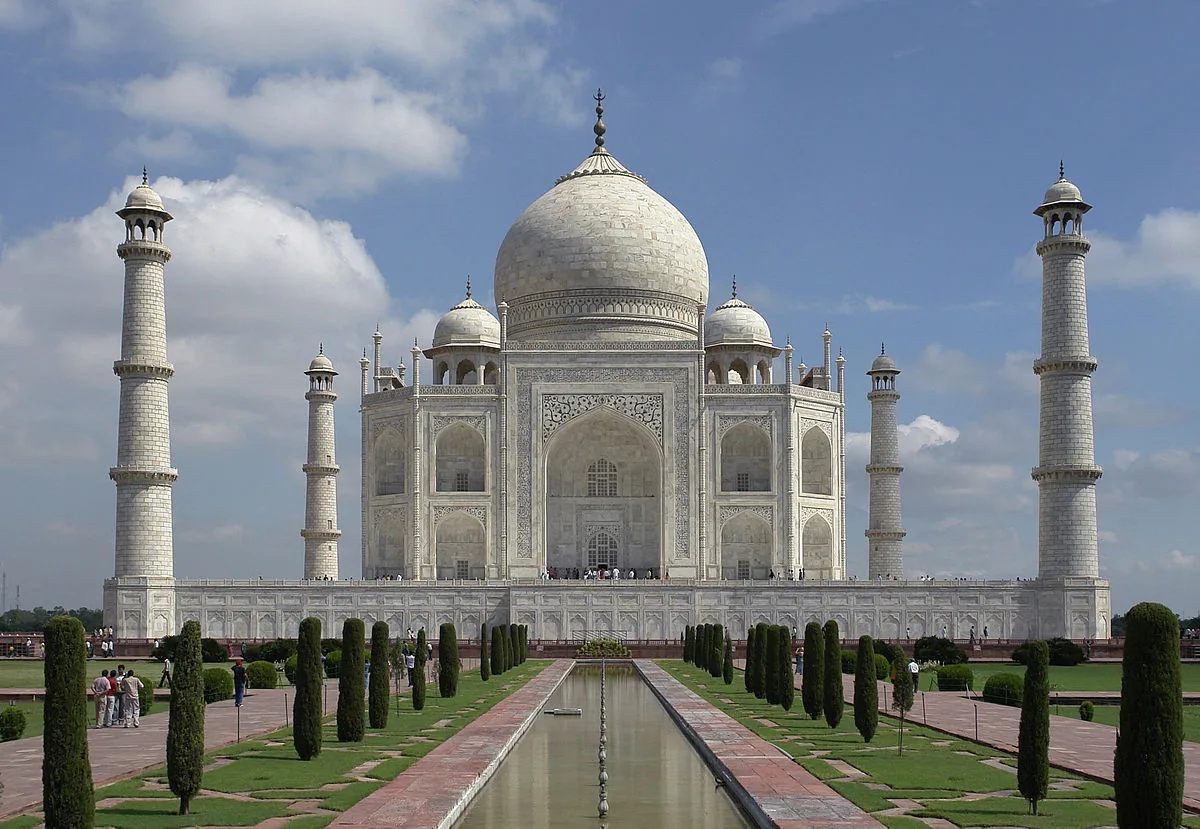
Taj Mahal
The zenith of Mughal architecture commissioned in 1632; a symmetrical white Makrana marble mausoleum inlaid with jasper; jade; and turquoise lapidary; the four minarets lean slightly outward to protect the central dome from seismic collapse; arrive at the Yamuna riverbank at 5:30 am when the translucent marble transitions from a cold moon-grey to a soft; incandescent violet before the heat hazes the horizon.
Explore →
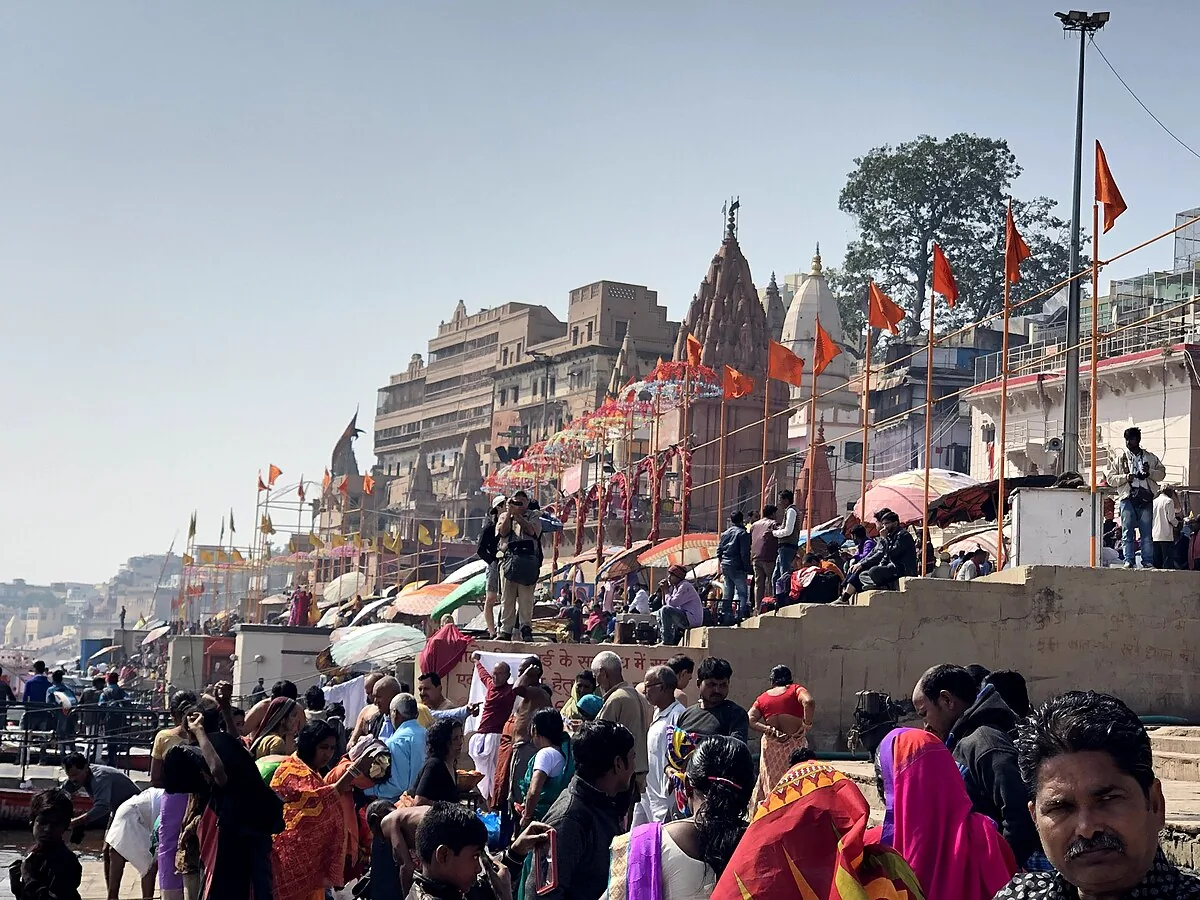
Dashashwamedh Ghat
The spiritual threshold of the 3;000-year-old city where stone steps descend into the Ganges; the site of the nightly Ganga Aarti ritual involving brass lamps and rhythmic Sanskrit chanting; the smell of camphor; sandalwood; and funeral pyre smoke hangs heavy in the humid air; watch from a wooden boat at dusk when thousands of marigold-filled leaf lamps drift across the ink-black water; reflecting the flickering orange firelight.
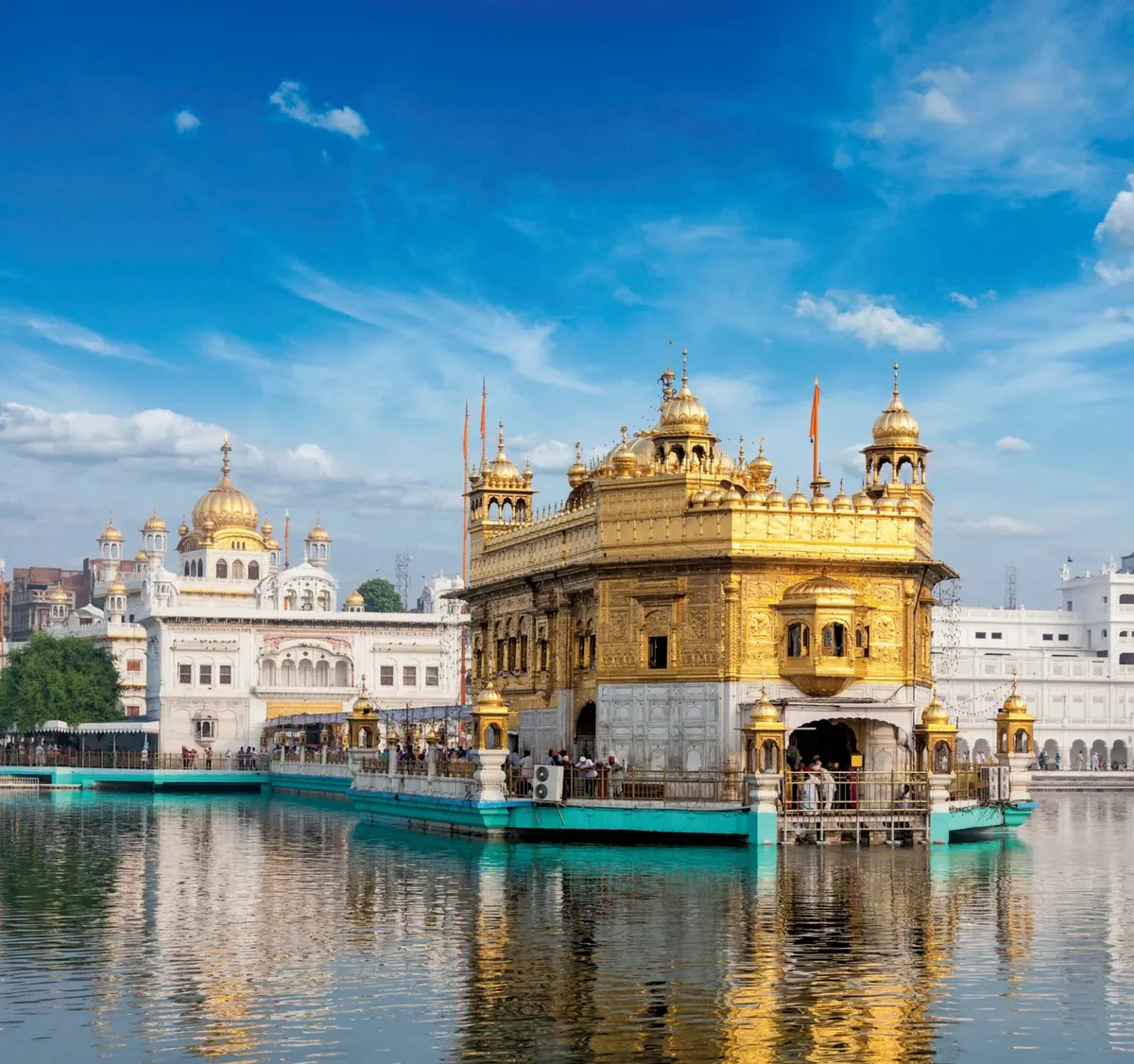
Harmandir Sahib
The holiest shrine of Sikhism; featuring a 16th-century central pavilion plated in 750 kilograms of 24-karat gold and surrounded by the 'Pool of Nectar'; the four entrances symbolise openness to all humanity; join the pre-dawn Palki Sahib ceremony when the Guru Granth Sahib is carried amidst the scent of clarifies butter and rose petals; the gold reflects brilliantly off the white marble walkways under the mercury vapour lamps.
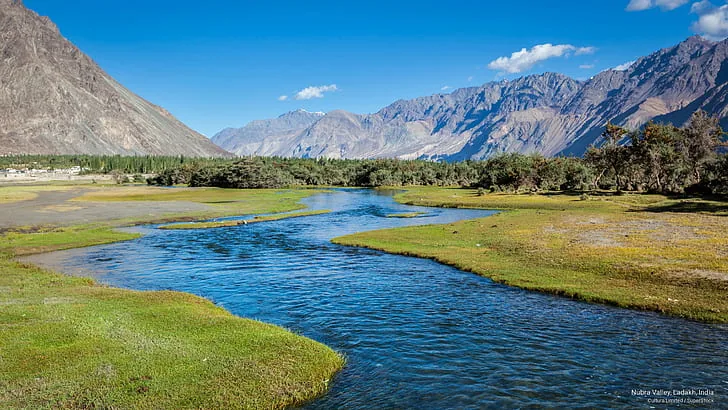
Nubra Valley
A high-altitude cold desert at 3;000 metres elevation where the Karakoram and Himalayan ranges collide; the landscape is defined by white sand dunes and the Shyok River's braided silt-channels; the double-humped Bactrian camels are relics of the ancient Silk Road trade; stand on the Hunder dunes at sunset when the jagged granite peaks turn deep ochre; the thin air carries the sound of prayer flags snapping in the wind.
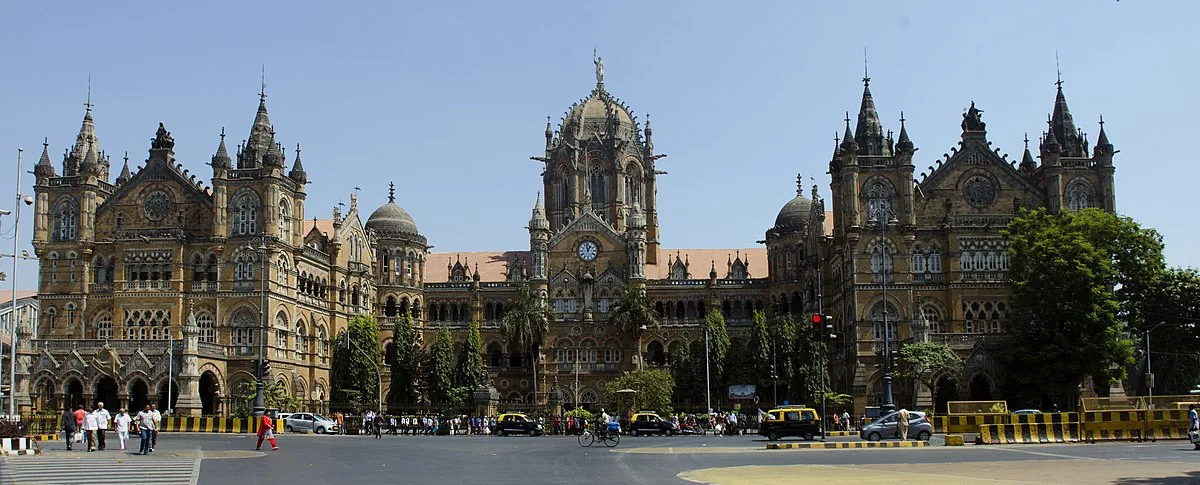
Chhatrapati Shivaji Terminus
A 1888 masterpiece of Victorian Gothic Revival fused with traditional Indian palace architecture; the sandstone facade is populated by hand-carved stone lions; tigers; and gargoyles representing the fusion of British and Mughal aesthetics; enter the main concourse at the 6 pm rush hour; the sound of five million daily commuters echoes under the massive masonry dome while the smell of diesel and sea salt drifts from the nearby docks.
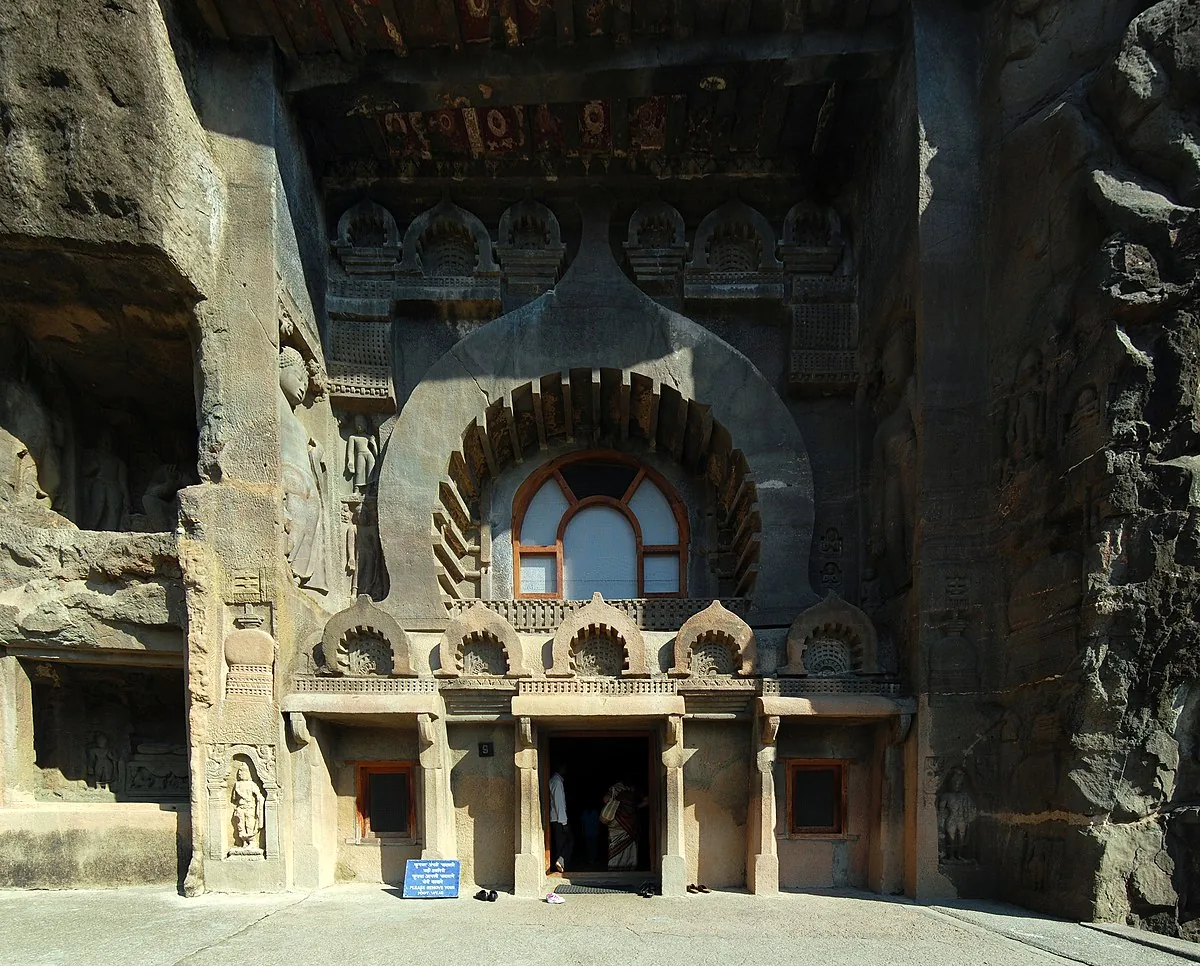
Ajanta Caves
Thirty rock-cut Buddhist prayer halls and monasteries dating from the 2nd century BCE carved into a sheer basalt horseshoe cliff; the tempera murals are the finest surviving examples of ancient Indian art; displaying intricate anatomical detail and lapis lazuli pigments; enter Cave 1 at 10 am; the low sun illuminates the Bodhisattva Padmapani; revealing the textured brushstrokes and the cool; damp scent of the ancient stone.
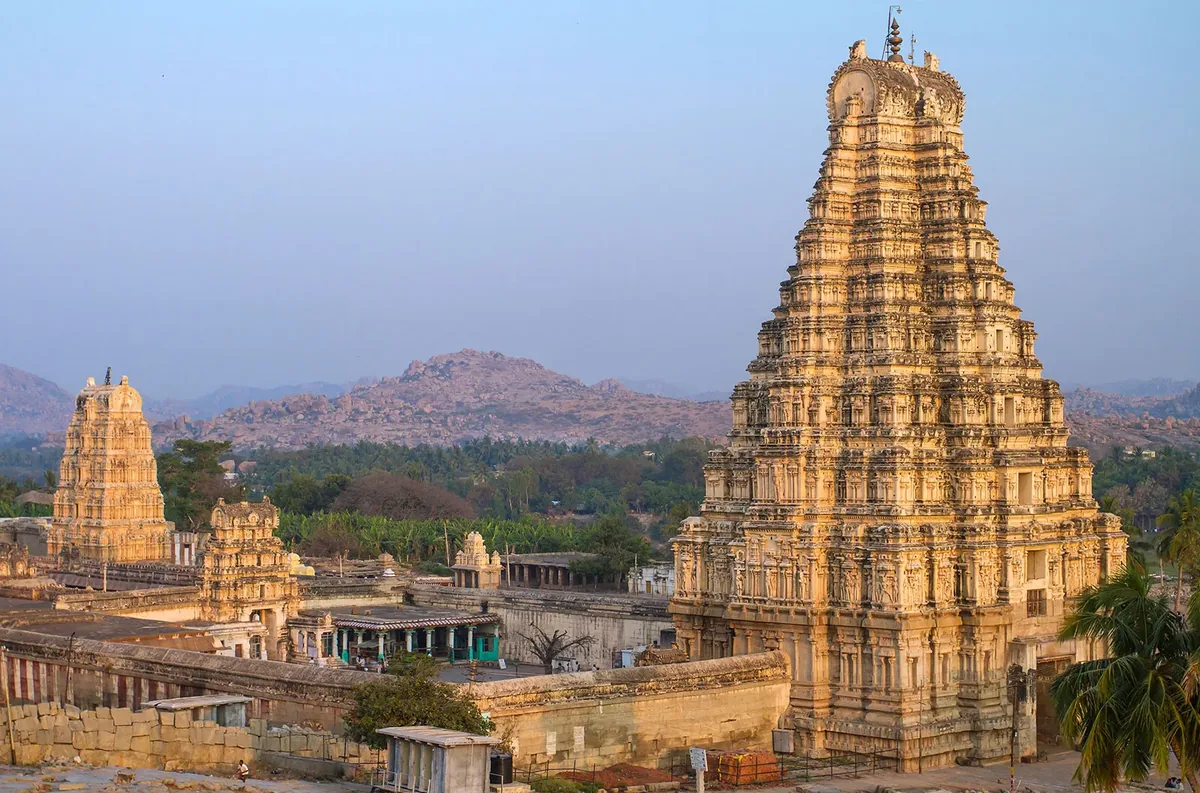
Virupaksha Temple Complex
The 14th-century capital of the Vijayanagara Empire is a 4;100-hectare landscape of monolithic granite boulders and Dravidian stone temples; the 50-metre gopuram dominates the Tungabhadra riverfront; climb Matanga Hill at 5 am; the pre-dawn light reveals a sea of ruins and banana plantations stretching to the horizon; the silence is only broken by the distant; rhythmic chanting of monks from the temple below.
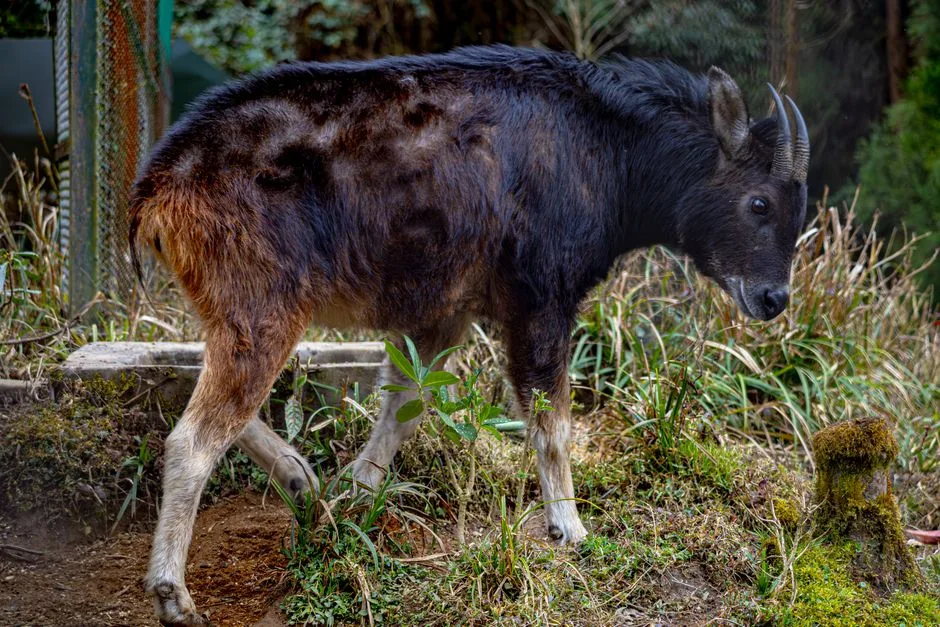
Eravikulam National Park
A 97-square-kilometre sanctuary of high-altitude shola grasslands and evergreen forests rising 2;700 metres above the Arabian Sea; the park protects the endangered Nilgiri Tahr and the rare Neelakurinji flower which blooms once every twelve years; walk the Anamudi slopes during the monsoon; the air is thick with mist and the scent of wild lemon grass while the waterfalls cascade over moss-slicked basalt cliffs.
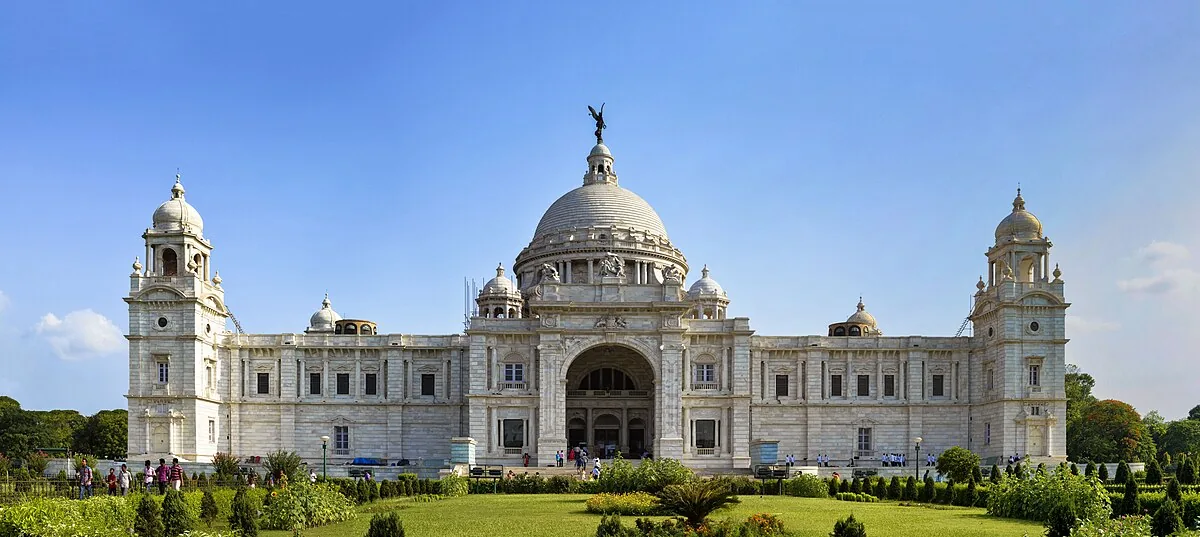
Victoria Memorial
A massive Indo-Saracenic white marble edifice completed in 1921 to commemorate Queen Victoria; the architecture combines British classical forms with Mughal domes and Deccani style arches; the 57-acre gardens are filled with bronze statues and reflective pools; visit the central gallery at 3 pm when the western light penetrates the high rotunda; highlighting the fine texture of the Italianate marble carvings and colonial portraits.
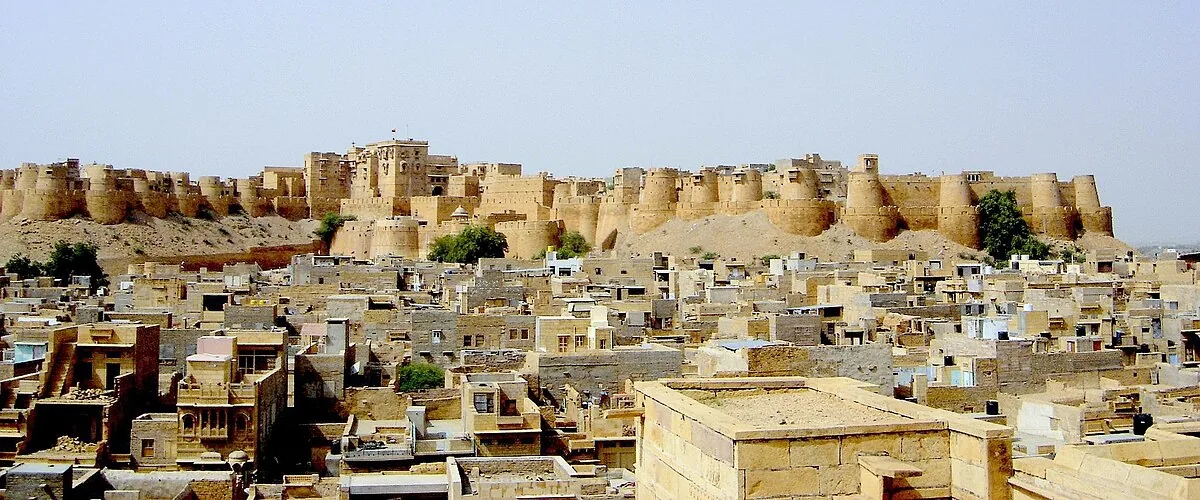
Jaisalmer Fort
A living medieval citadel constructed from yellow Jurassic sandstone in 1156; the fortress rises from the Thar Desert with 99 bastions that appear to change colour from honey to gold; one-fourth of the old city's population still resides within the ramparts; walk the narrow; winding lanes at sunrise; the hand-carved stone 'jalis' cast geometric shadows on the sand-slicked floors while the smell of fresh bajra rotis fills the air.
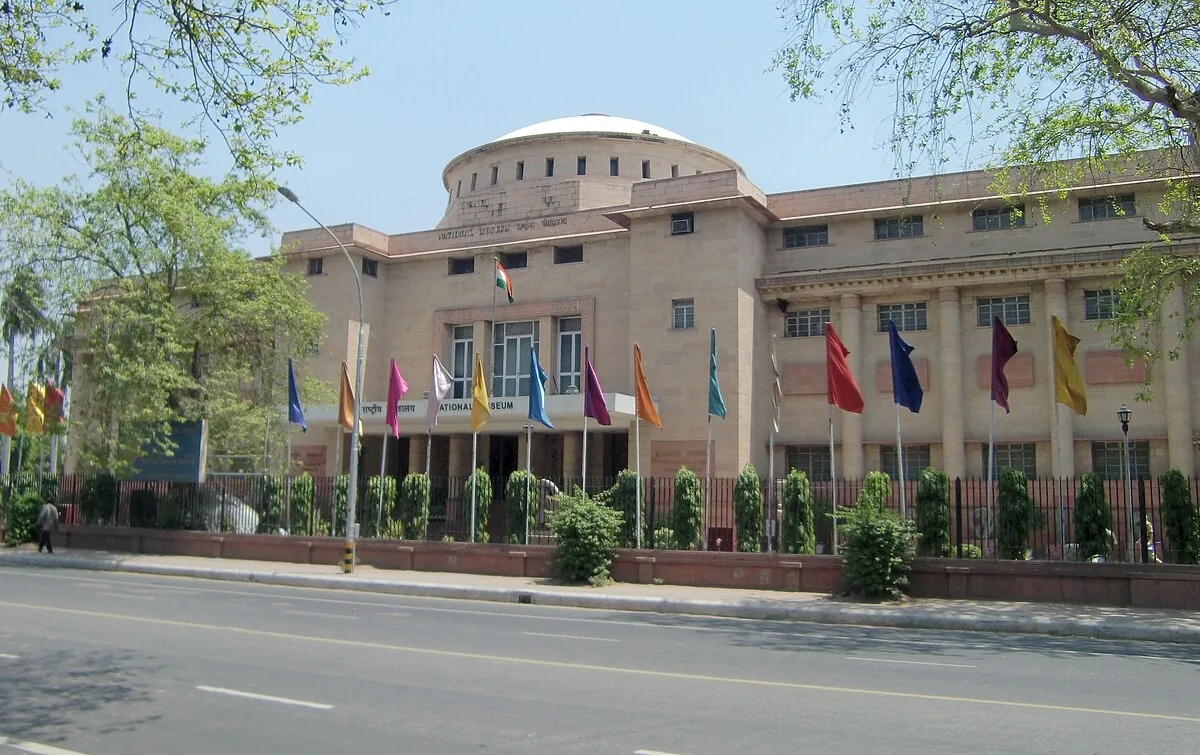
National Museum
The country's premier repository of archaeological finds; housing the 4;500-year-old 'Dancing Girl' from Mohenjo-daro and an extensive collection of Buddhist palm-leaf manuscripts; the building is a grand Neoclassical structure with traditional Indian motifs; explore the Chola bronze gallery at midday; the clinical light highlights the fluid bronze silhouettes of Nataraja; the silence is punctuated by the soft footsteps of researchers on the teak floors.
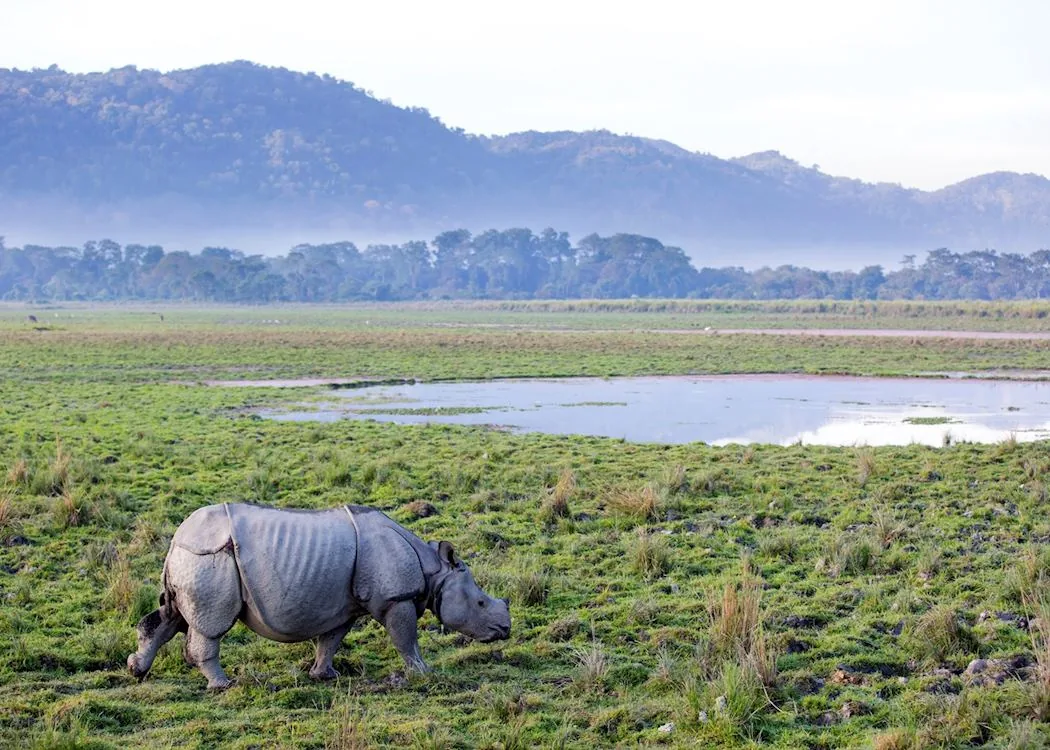
Kaziranga National Park
A vast floodplain of tall elephant grass and marshland along the Brahmaputra River; home to two-thirds of the world's great one-horned rhinoceros population; the laterite-red earth supports a dense canopy of tropical moist broadleaf forest; take a jeep safari at 6 am when the rhino silhouettes move through the thick white swamp mist; the sound of the jungle is a cacophony of alarm calls and rustling reeds.
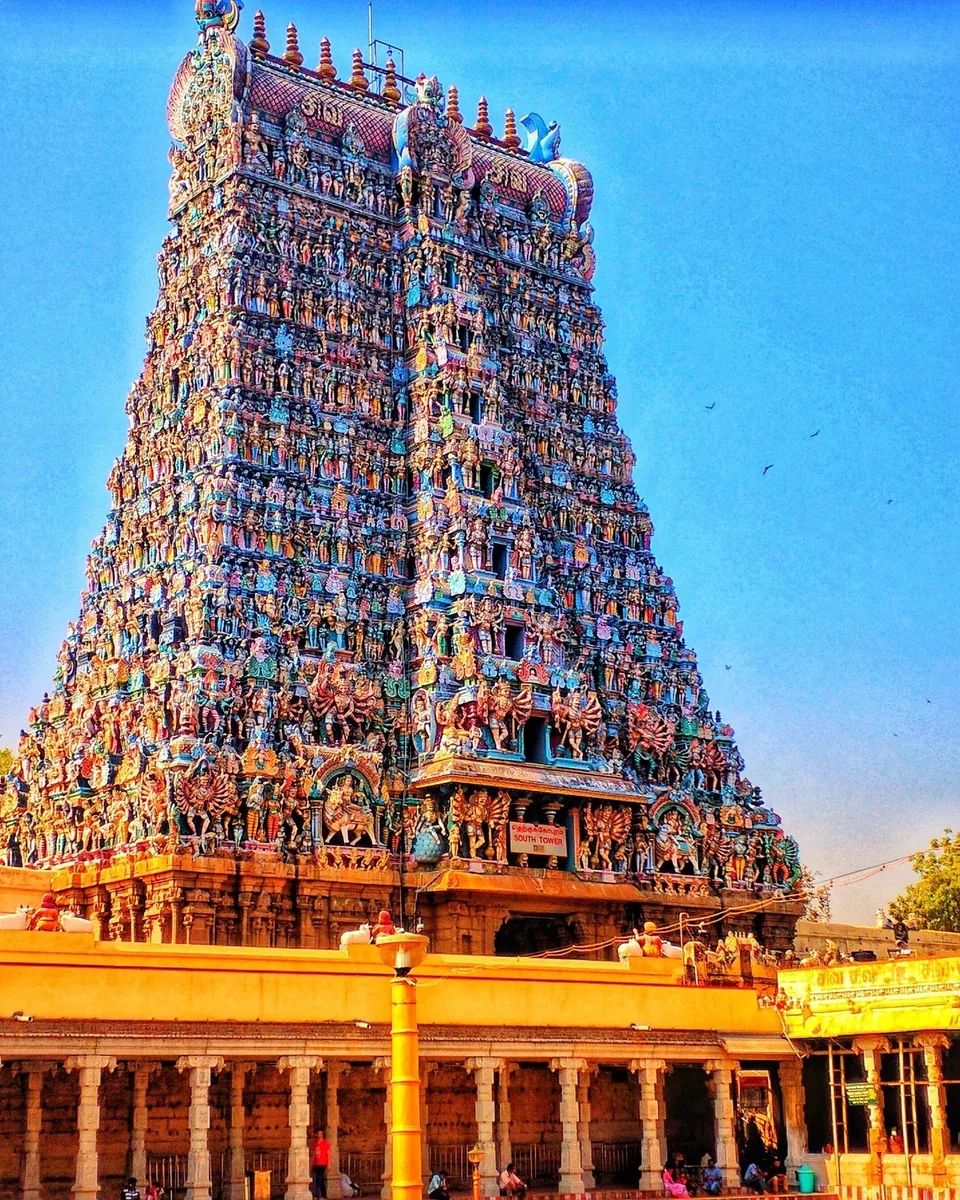
Meenakshi Amman Temple
A 14th-century Dravidian architectural giant featuring 14 gopurams covered in thousands of brightly painted stone deities and celestial beings; the 'Hall of a Thousand Pillars' is a masterwork of granite carving; visit during the evening ceremony when the deity is carried in a silver palanquin; the air is heavy with the scent of jasmine and burning camphor while the sound of the nadaswaram echoes off the stone pillars.
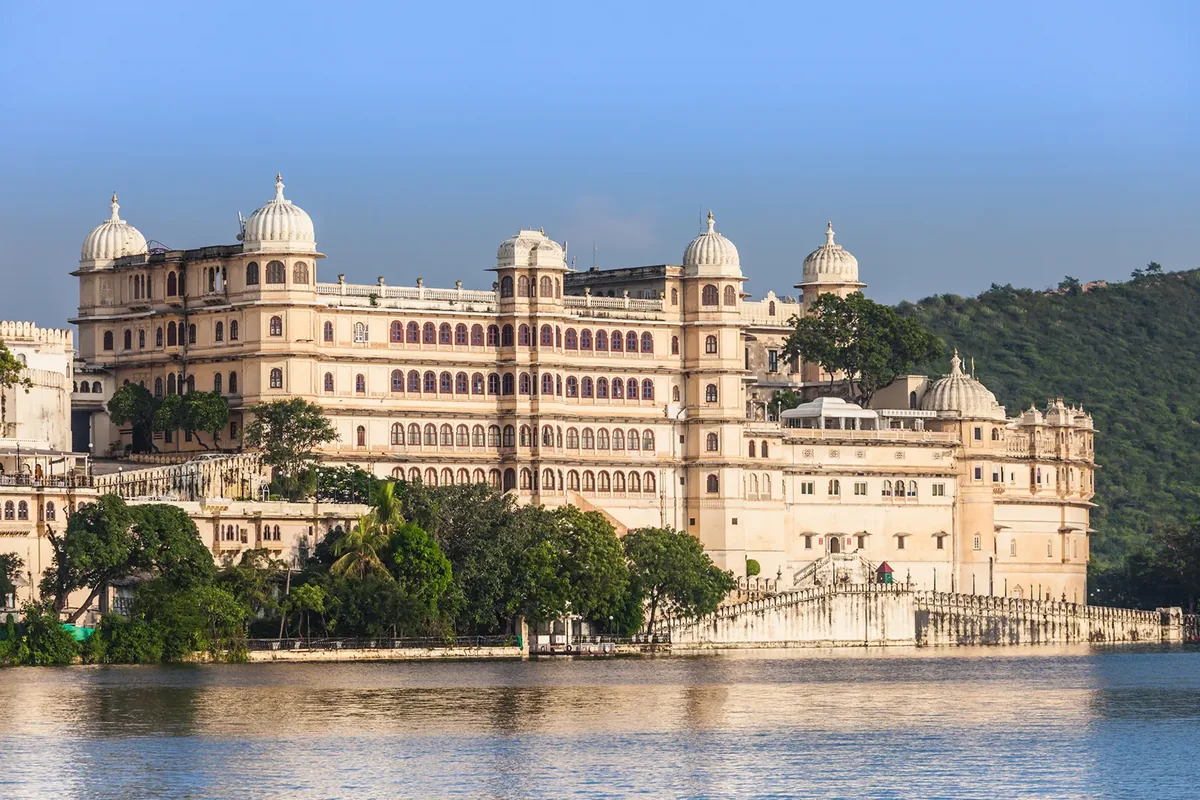
City Palace
A 1559 flamboyant fusion of Rajasthani and Mughal styles perched on the banks of Lake Pichola; the facade is a 244-metre stretch of granite and marble punctuated by ornate balconies and cupolas; walk through the Peacock Square at 4 pm; the light catches the intricate glass mosaics and Belgian mirrors; reflecting a kaleidoscope of colours against the white lime-plaster walls; the smell of the lake is fresh and cool.
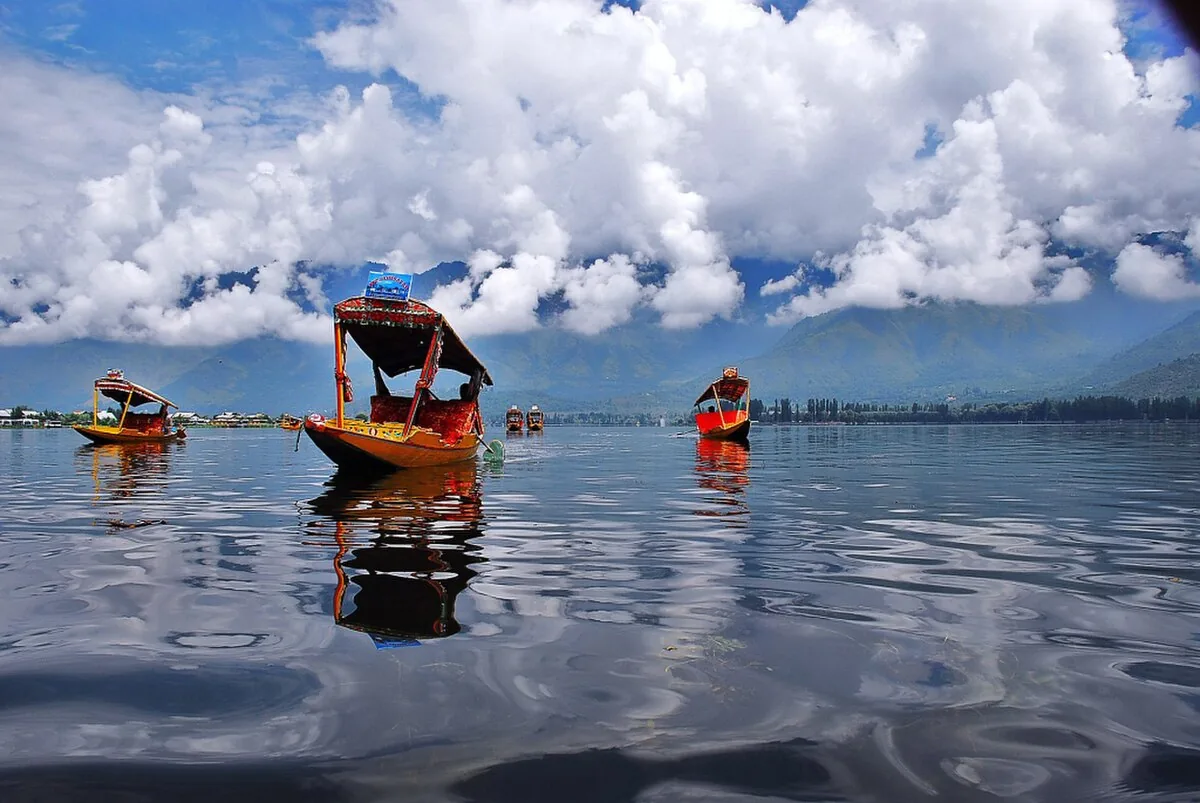
Dal Lake
A Himalayan water-world defined by intricately carved cedar-wood houseboats and the floating vegetable markets of the Mir Bahri people; the lake is surrounded by the snow-capped Pir Panjal range and Mughal gardens like Shalimar Bagh; hire a shikara at 5 am; the pre-dawn stillness is absolute; broken only by the rhythmic paddle through the lotus pads; the air is cold and smells of pine and woodsmoke.
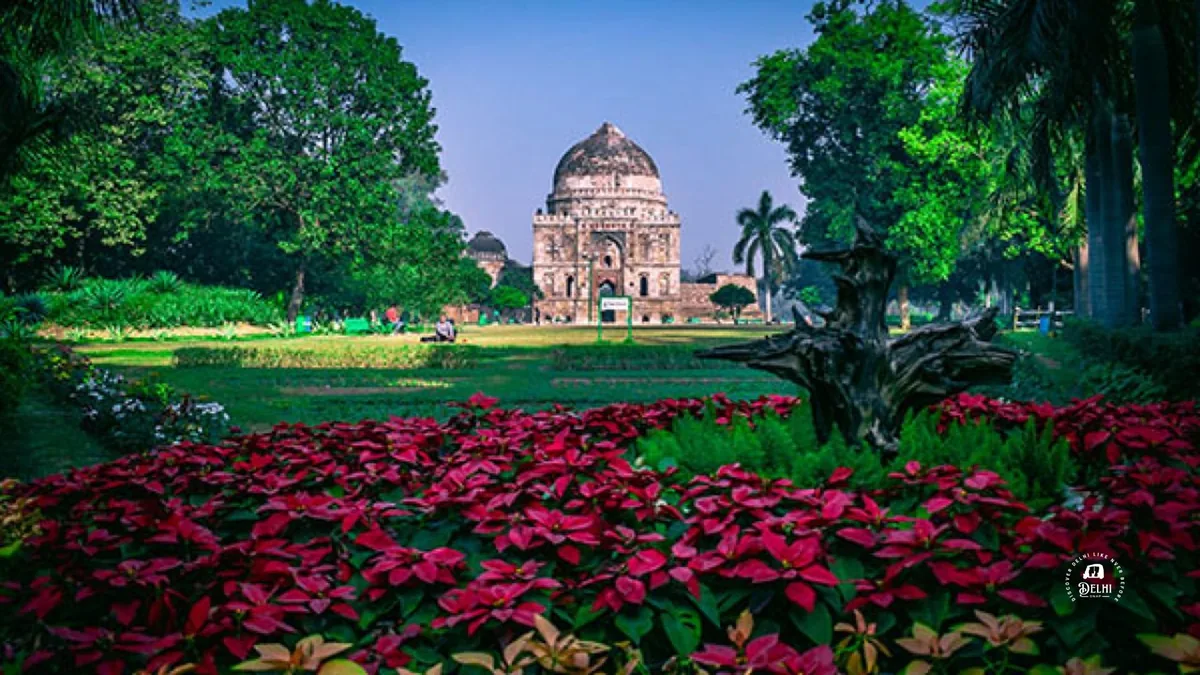
Lodi Gardens
A 90-acre urban sanctuary containing the 15th-century tombs of the Lodi and Sayyid dynasties amidst manicured lawns and ancient banyan trees; the architecture is a somber; powerful example of the pre-Mughal Indo-Islamic style; walk the path surrounding the Sheesh Gumbad at dawn; the sound of parakeets and the sight of Delhi's elite power-walkers create a unique urban ritual; the air smells of blooming jasmine and damp earth.
Sun Temple
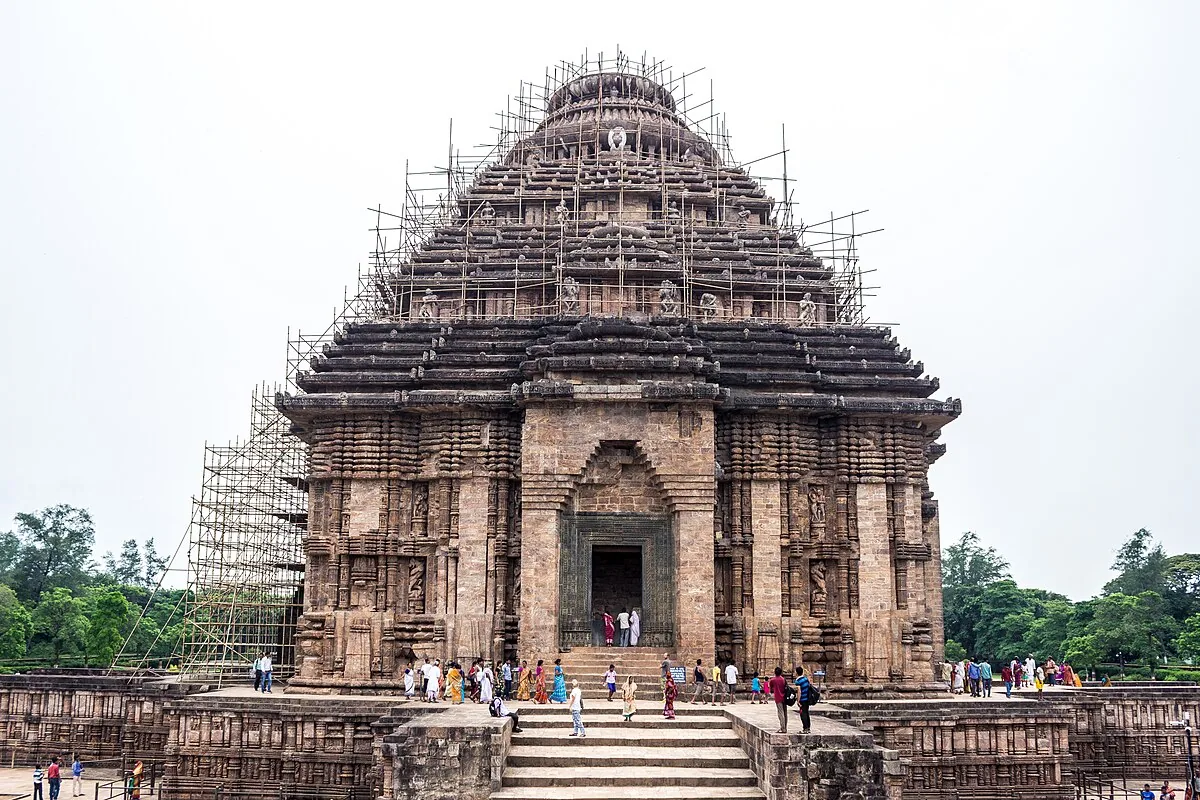
A 13th-century stone chariot dedicated to the Sun God Surya; featuring 24 massive stone wheels and seven galloping horses carved from Khondalite rocks; the temple is engineered to catch the first rays of the sun at its main entrance; explore the base at midday; the sun-bleached stone reveals erotic sculptures and intricate geometric patterns; the sound of the Bay of Bengal surf provides a constant; distant rhythmic beat.
Fort Kochi
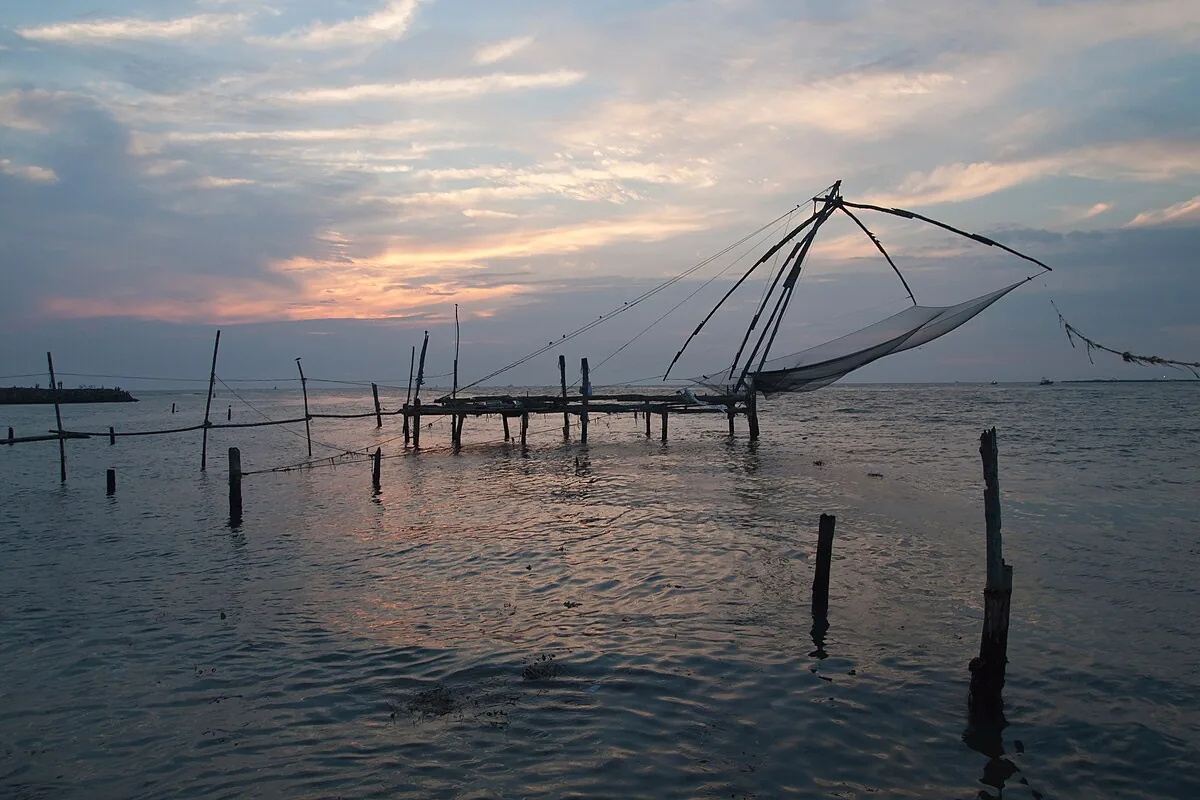
A coastal enclave where 14th-century Chinese fishing nets sit alongside Portuguese churches and Dutch merchant houses; the district represents the first European colonial settlement in India; walk the beach road at sunset when the massive cantilevered nets are lowered into the Arabian Sea; the smell of frying fish and spice-laden air from the nearby warehouses is thick; while the light turns the water a deep; liquid gold.
Khajuraho Group of Monuments
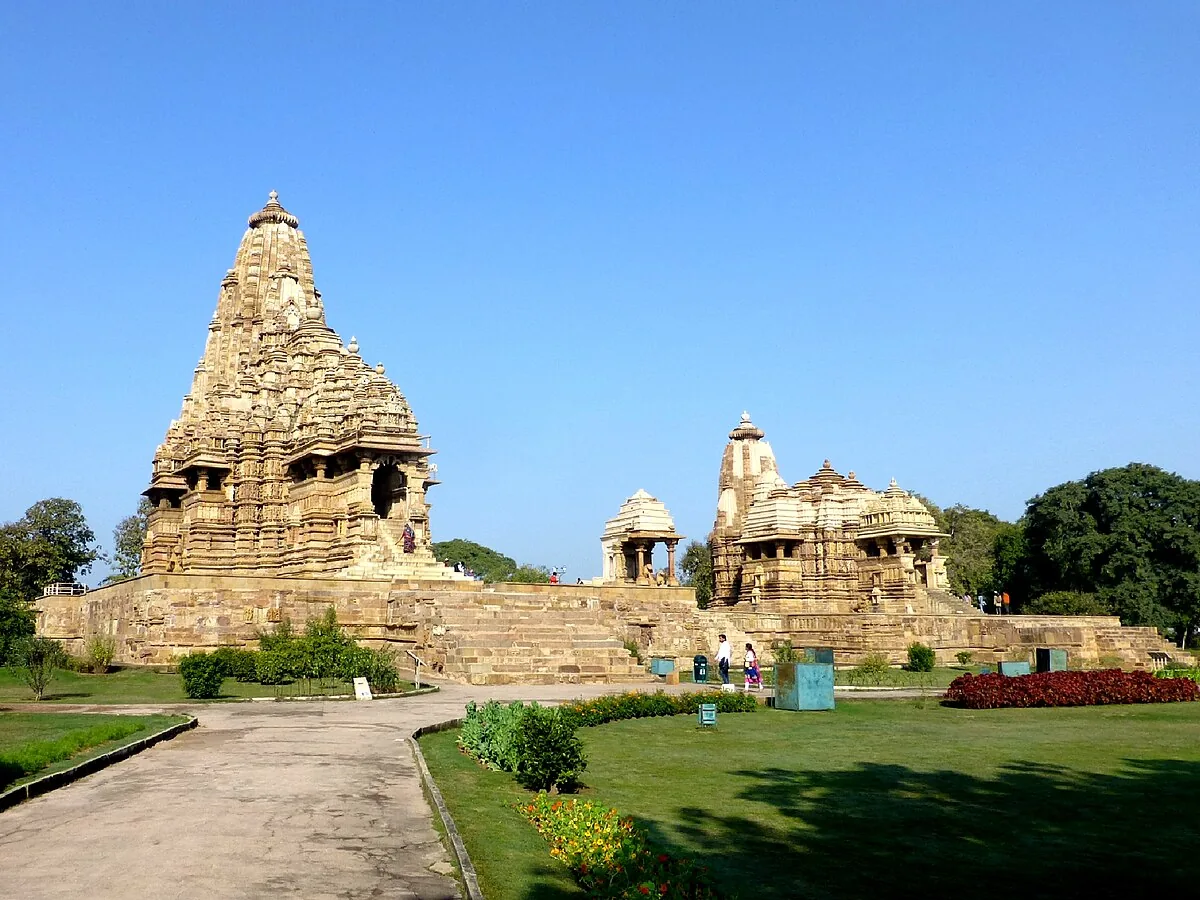
A series of 10th-century Nagara-style temples famous for their intricate; sensuous sculptures and soaring sandstone spires; the carvings celebrate the totality of human experience from the mundane to the divine; visit the Lakshmana Temple at 8 am; the low-angled sun highlights the three-dimensional depth of the stone friezes; the air is dry and carries the scent of the surrounding teak forests and sun-warmed limestone.
Tiger Hill
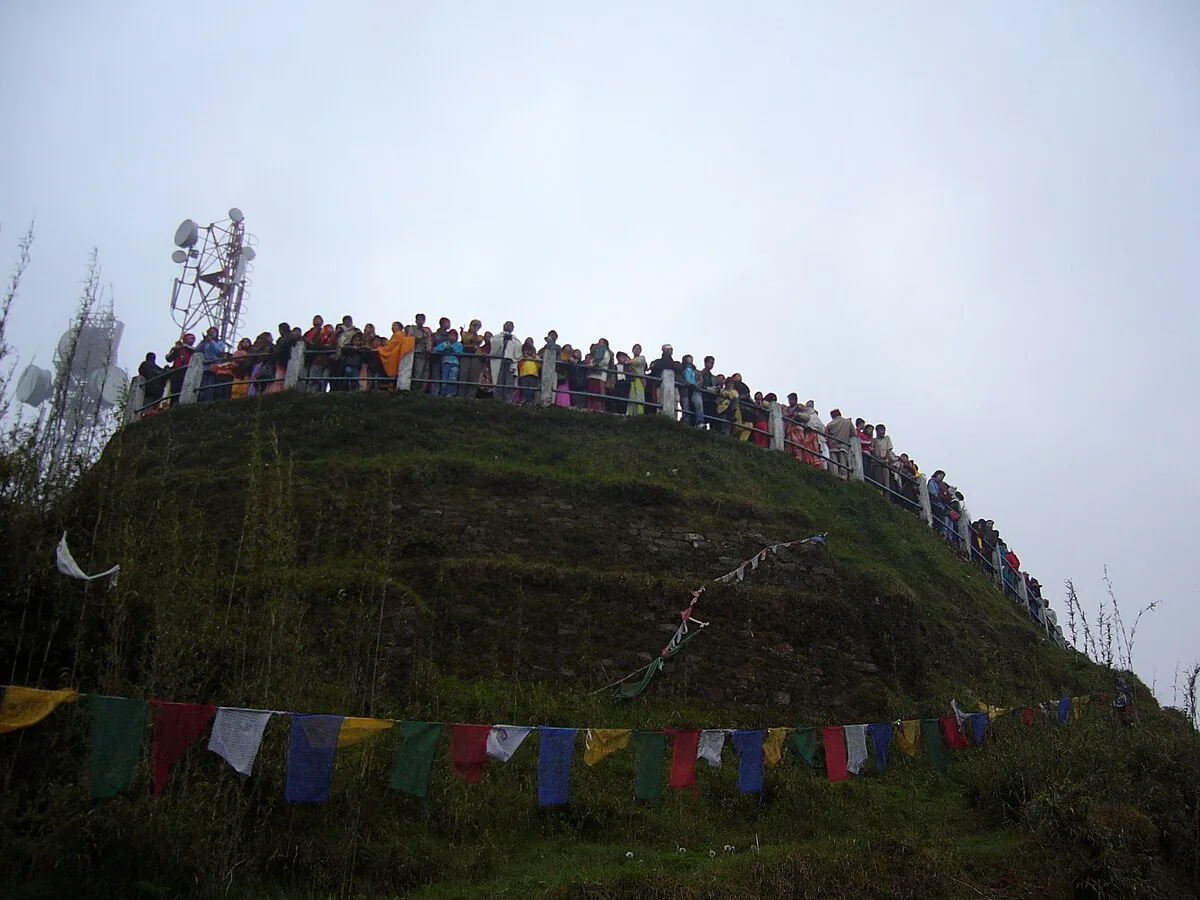
A 2;590-metre summit offering the definitive panorama of Kanchenjunga, the world's third highest peak, and the distant tip of Mount Everest; the surrounding hills are carpeted in high-altitude tea plantations; reach the pavilion at 4:30 am; the pre-dawn light turns the snow-clad peaks from a ghostly white to a saturated; burning orange; the sound of the crowd's collective gasp at the first light is a concrete sensory moment.