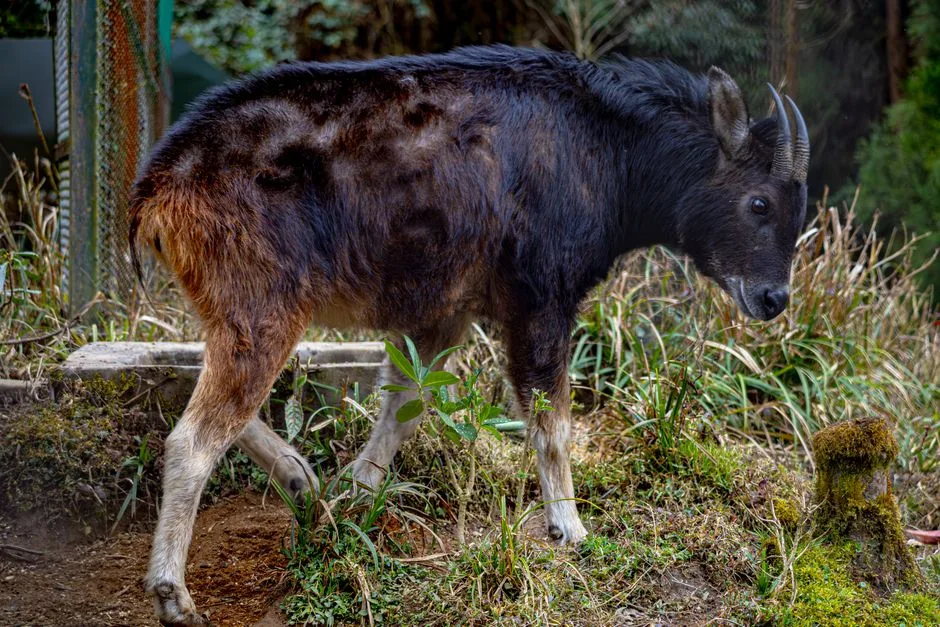
High above the tea plantations of Kerala, an endangered mountain goat found nowhere else on earth grazes peacefully in a landscape that looks like the Scottish Highlands.
About Eravikulam National Park
Eravikulam was part of the High Range of the Western Ghats that remained largely unexplored until the 19th-century plantation boom. The park's shola-grassland complex is a relict of a much cooler era, acting as a biological island for species that cannot survive in the tropical heat below. The Nilgiri Tahr, the park's flagship species, was once on the brink of extinction due to overhunting and habitat loss, but the creation of the park provided a safe haven that allowed the population to stabilize at around seven hundred individuals. The next Neelakurinji 'super-bloom' is scheduled for 2030, a biological clock that has dictated the rhythm of tourism in the region for centuries.
What Eravikulam National Park actually is
Eravikulam is a landscape of mist and high-altitude grasslands, perched on a plateau in the Western Ghats of Kerala. It feels more like the Scottish Highlands than the tropical India of the coast. The park is dominated by Anamudi, the highest peak in South India, which often hides its summit behind a veil of thick, fast-moving clouds. Around you, The air is crisp and perpetually damp, smelling of wild lemongrass and crushed eucalyptus. This is a sanctuary of shola-grassland ecosystems, where patches of ancient, stunted forests huddle in the valleys between rolling hills of silver-green grass. The silence is profound, occasionally broken by the whistle of a Malabar Whistling Thrush or the rustle of a Nilgiri Tahr moving through the undergrowth.
The area was originally managed
The area was originally managed as a private hunting preserve by the Kannan Devan Hills Produce Company during the British Raj. In the early 20th century, European tea planters realized the unique ecological value of the Nilgiri Tahr, an endangered mountain goat found nowhere else, and established a game association to protect them. The land was eventually handed over to the Kerala Government and declared a national park in 1978. Its conservation success is legendary; from a handful of surviving animals, the park now hosts the largest population of Nilgiri Tahr in the world. Once every twelve years, the hills undergo a dramatic transformation when the Neelakurinji flowers bloom, carpeting the entire landscape in a sea of purplish-blue, an event that draws millions of visitors to these high-altitude slopes.
The experience begins with a winding bus ride from the park entrance, ascending through tea plantations that look like manicured green carpets. A sense of the temperature drop and the humidity increase entering the mist zone. Tracing the paved trail at Rajamalai, the clouds often swirl around your feet, obscuring and then suddenly revealing the peaks. What catches you is the Nilgiri Tahr grazing remarkably close to the path; they are stocky, sure-footed creatures with curved horns and soft, inquisitive eyes. A spongy texture of the moss-covered rocks and hear the sound of hidden streams gurgling through the shola woods. It is a place of soft edges and muted colors, where the world feels small and intimate despite the vastness of the mountains.
The park is located about fifteen kilometers
The park is located about fifteen kilometers from Munnar, the famous hill station. Visitors arrive by road from Kochi or Madurai, both of which are roughly five hours away. To minimize human impact, private vehicles are banned inside the park; you must take the official forest department shuttles. The park is closed during the calving season of the Tahr (usually February and March), so timing is critical. Arriving for the first bus at 7:30 AM is essential, not just to beat the crowds, but to see the landscape before the afternoon mist settles in so thickly that visibility drops to a few meters.
The Experience
Up at Eravikulam has a sharp, metallic tang of cold meltwater. Right away, the silence of the high plateau, where the only movement is the slow drift of the fog through the valley. The dampness on your skin and the sudden warmth of the sun when the clouds break for a few minutes. Watching a mother Tahr and her kid navigate a near-vertical rock face is a masterclass in natural grace. The most evocative moment is standing at the highest accessible point of the trail, looking down at the clouds below you, realizing that you are on one of the oldest geological features on the planet.
Why It Matters
Eravikulam is a UNESCO World Heritage site and a critical watershed for Kerala’s rivers. It protects some of the last remaining high-altitude shola-grassland ecosystems in the world, which are vital for carbon sequestration and biodiversity. Culturally, it is the home of the Neelakurinji legend, a floral event that defines the regional calendar and folk memory.
Why Visit
Visit Eravikulam to see an India you didn't know existed, a place of cool breezes, mountain goats, and alpine vistas. It is the perfect antidote to the heat of the plains. The opportunity to stand within meters of a rare, prehistoric-looking species like the Nilgiri Tahr is a wildlife experience that feels personal rather than voyeuristic.
✦ Photo Gallery
Best Season
🌤 September to January offers the clearest views and the best chance to see the Tahr, though the monsoon months of June to August provide the most dramatic mist and waterfalls.
Quick Facts
Best time to visit
September to January offers the clearest views and the best chance to see the Tahr, though the monsoon months of June to August provide the most dramatic mist and waterfalls.
Getting there
In Munnar, India; reach Munnar first, then continue to the site.
What's nearby
Fort Kochi is also close by.
Location
Munnar, India
Type
attraction
Coordinates
10.2000°, 77.0830°
Insider Tips
- 1
The park is closed from early February to early April for the Tahr calving season; check the exact dates before you book your Munnar trip.
- 2
Bring a light waterproof jacket even in the dry season; the weather on Anamudi can change from sunshine to a freezing drizzle in minutes.
- 3
Book your entry tickets online in advance to avoid waiting in the massive queues at the Rajamalai base camp.
- 4
Look for the Nilgiri Marten and the Nilgiri Pipit, two other rare residents of the park that birdwatchers travel across continents to see.
- 5
The morning bus is the most reliable way to see the peak of Anamudi before the afternoon cloud cover becomes permanent.