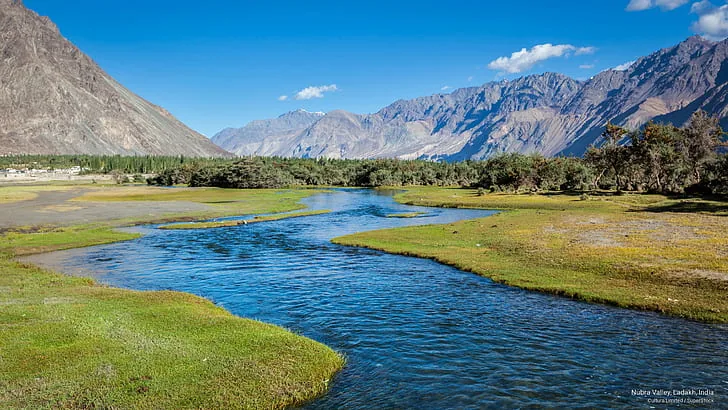
At four in the morning, on a freezing ridge above the clouds, you can watch the sun turn the world's third-highest mountain from a ghostly blue to a searing, liquid gold.
About Tiger Hill
Tiger Hill’s significance was cemented during the British Raj when Darjeeling was developed as a 'Sanatorium' and summer capital for the Bengal Presidency. The hill provided the clearest line of sight for the optical instruments used by the Survey of India to measure the arc of the meridian. In 1852, the height of Mount Everest was calculated based on observations that began in this region. Today, the hill is part of a protected forest area that supports rare Himalayan species like the red panda, though the wildlife is rarely seen by the sunrise crowds. It remains a symbolic starting point for the high Himalayas, a place where the scale of the Earth's geography is finally made visible.
What Tiger Hill actually is
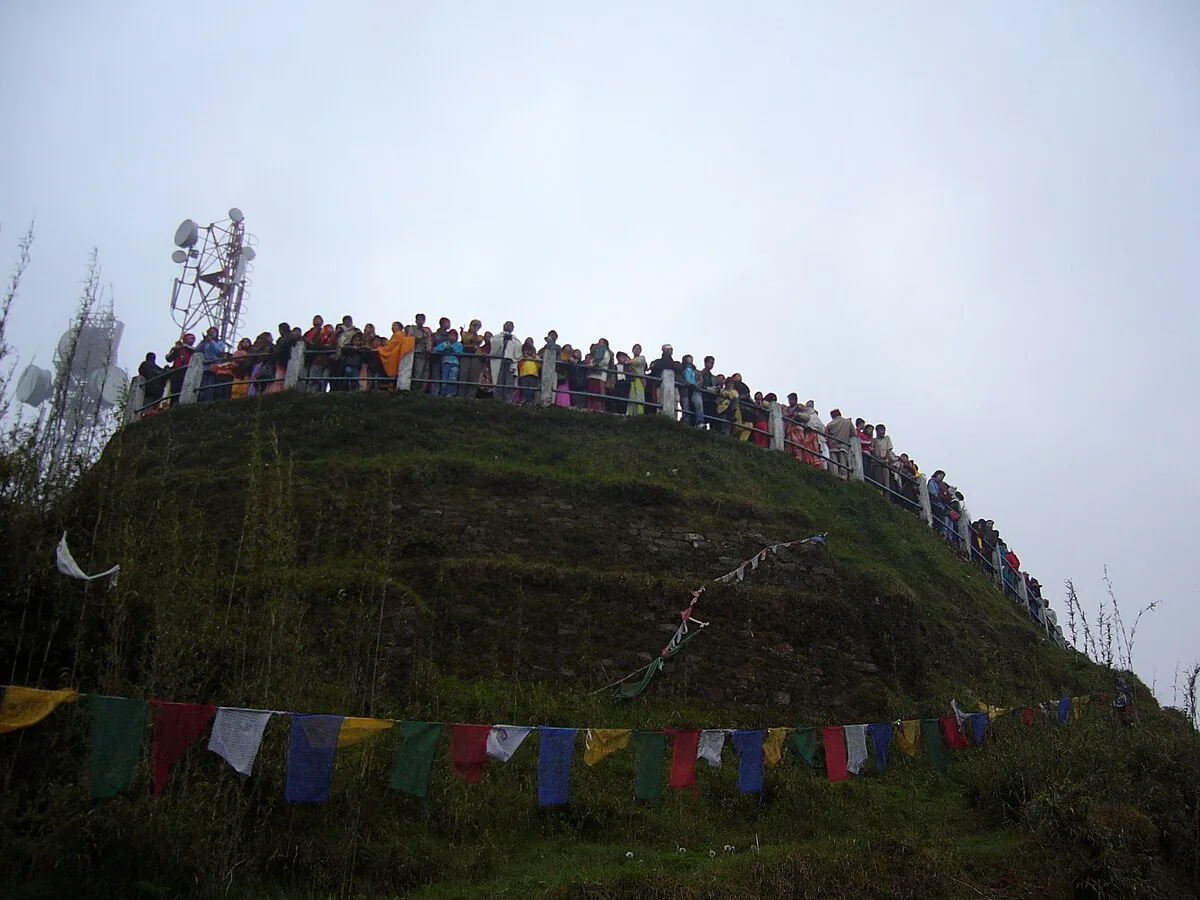
Tiger Hill is the ultimate grandstand for the Himalayas, a rocky summit perched at 8,482 feet above the tea gardens of Darjeeling. From this height, the world is a sea of clouds from which the peaks of Kanchenjunga, the world’s third-highest mountain, emerge like jagged teeth of ice and gold. The area here is thin and biting, smelling of damp moss, pine needles, and the faint charcoal smoke from the tea stalls. This is not a place of solitude; at dawn, it becomes a theater of shared anticipation, where hundreds of people gather in the dark to witness a daily cosmic event. The view stretches from the plains of Bengal to the distant, tiny pyramid of Mount Everest on the western horizon.
In the 19th century, Tiger Hill
In the 19th century, Tiger Hill became a key location for the Great Trigonometrical Survey of India, used by the British to map the heights of the Himalayan giants. It was here that surveyors first realized that 'Peak XV' was actually the highest mountain in the world, later naming it Everest. Since then, the hill has transformed from a scientific outpost into a pilgrimage site for travelers seeking the 'Kanchenjunga glow.' The hill is also home to a historic UNESCO-recognized toy train loop at Ghoom nearby, making the entire ridge a vital piece of the region’s colonial and natural history. The name 'Tiger Hill' likely comes from the Tibetan word for the hill, though local legends speak of the days when the Bengal tiger would occasionally wander up from the foothills into these higher, mistier reaches.
The experience begins at 3:30 AM, a cold , dark jeep ride through the sleeping town of Darjeeling. the vibration of the engine as the vehicle climbs the steep, winding road to the summit. The first thing you register is the hush that falls over the crowd as the first grey light appears on the horizon. A intense cold through your layers of wool and smell the sweet, spicy aroma of hot ginger tea being sold in small paper cups. When the sun finally hits the peaks, the color transition is startling, from a ghostly blue to a pale pink, and finally a searing, metallic gold. First, the deep shadows in the valleys below, still swallowed in night while you are bathed in the first light of the day.
Darjeeling is reached via a three-hour drive from Bagdogra airport or the New Jalpaiguri railway station. To reach Tiger Hill, you must pre-book a jeep through your hotel or the local taxi stand the day before. The summit is about eleven kilometers from the town center. Visitors generally arrive well before dawn to secure a spot on the viewing terrace. Because the weather in the Himalayas is notoriously fickle, many travelers spend three or four days in Darjeeling to ensure they get at least one morning with clear skies. The walk back down toward the Ghoom Monastery after the sunrise is a beautiful way to see the alpine flora and the waking tea estates in the soft morning light.
The Experience
At Tiger Hill is so crisp it feels like it could shatter. What hits is the sound of hundreds of camera shutters clicking in unison the moment the sun touches the ice. The mass of the warmth of the first rays on your face, a physical relief after hours in the dark. Beginning with the layers of the mountains, the deep green of the tea hills, the blue of the mid-range, and the blinding white of the giants. The most quiet, reflective moment happens after the main crowd has left, when you can look out toward the Singalila ridge and feel the immense, ancient silence of the mountains that has nothing to do with human spectatorship.
Why It Matters
Tiger Hill is the premier sunrise viewpoint in the Eastern Himalayas and a site of major historical importance for global geography. It is one of the few places on earth where two of the world's three highest peaks can be seen simultaneously. Culturally, it is the spiritual introduction to the Himalayas for millions of travelers, representing the awe that these mountains have inspired for millennia.
Why Visit
Visit Tiger Hill for the perspective. There is something fundamentally grounding about seeing a mountain that is five miles high. While the journey is cold and the crowd is large, the moment the sun hits Kanchenjunga, all the discomfort vanishes. It is one of those rare places that actually lives up to the centuries of hype.
✦ Photo Gallery
Best Season
🌤 October to December offers the clearest skies and the best chance of a clear view; March to May is also good, though the atmosphere can be hazier.
Quick Facts
Best time to visit
October to December offers the clearest skies and the best chance of a clear view; March to May is also good, though the atmosphere can be hazier.
Getting there
In Darjeeling, India; reach Darjeeling first, then continue to the site.
Location
Darjeeling, India
Type
attraction
Coordinates
26.9948°, 88.2854°
Insider Tips
- 1
Avoid the expensive 'VIP' lounge at the summit; the views are actually better from the open terrace where you are not looking through glass.
- 2
Bring the warmest clothes you have, including a hat and gloves, as the wind chill at 8,000 feet at 4:00 AM is brutal.
- 3
Walk down the hill for two kilometers after sunrise instead of taking the jeep all the way back; the road passes through beautiful forest and a few small shrines.
- 4
Check the weather forecast the night before; if it has been raining or is heavily overcast, it is better to sleep in and try the next morning.
- 5
Stop at the Ghoom Monastery on the way back to see the fifteen-foot statue of the Maitreya Buddha and warm up with a bowl of thukpa.