“Built to celebrate an empire that was already fading, this marble colossus in Kolkata is the largest monument to a monarch anywhere on the planet.”
About Victoria Memorial
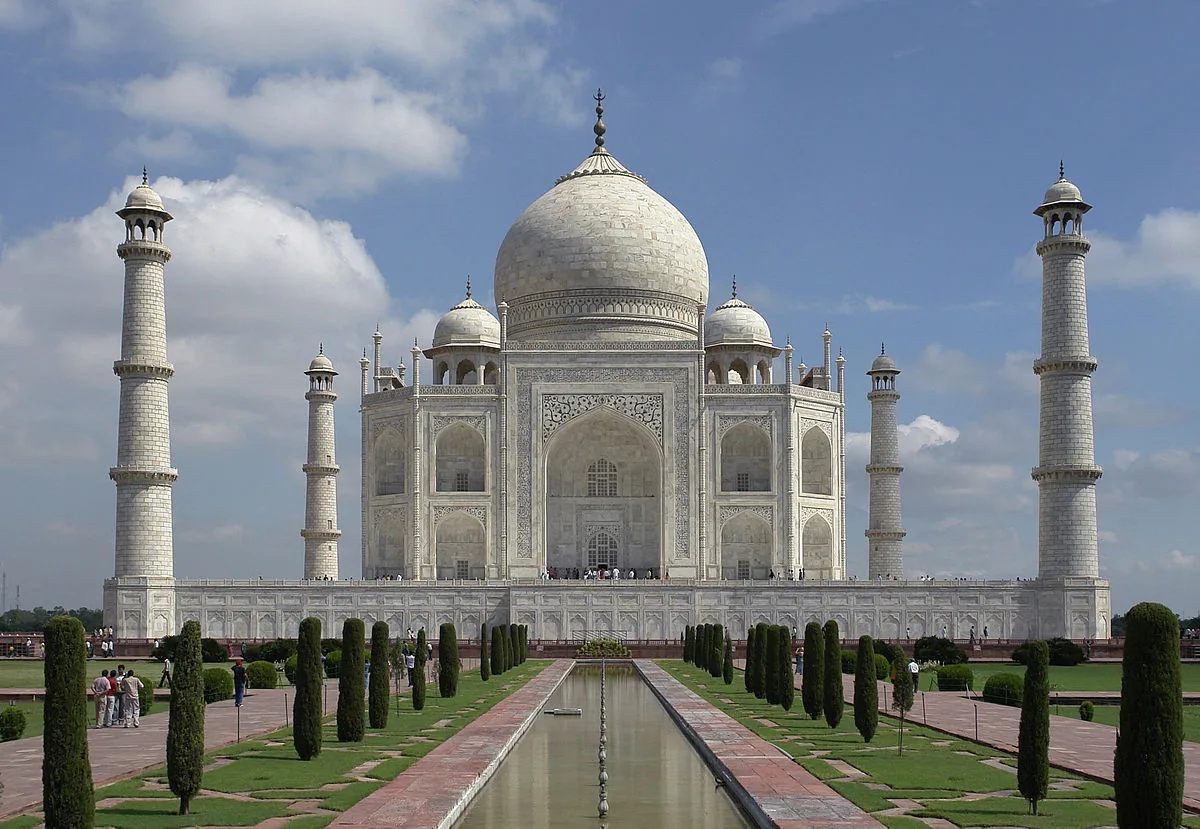
Curzon intended the memorial to be the 'Taj of the Raj,' and he chose the same marble source in Rajasthan to ensure it rivaled the Mughal masterpiece in beauty. While the architecture is predominantly Western, Emerson incorporated Mughal-style domes and chhatris to appease local sensibilities. The museum’s collection is vast, containing over 30,000 artifacts ranging from Tipu Sultan’s sword to rare manuscripts of the Rubaiyat of Omar Khayyam. As it happens, the monument’s significance shifted after 1947; instead of being dismantled as a symbol of colonial oppression, it was embraced by the city as a cultural hub and a vital public park, proving that architecture can eventually be separated from its original intent.
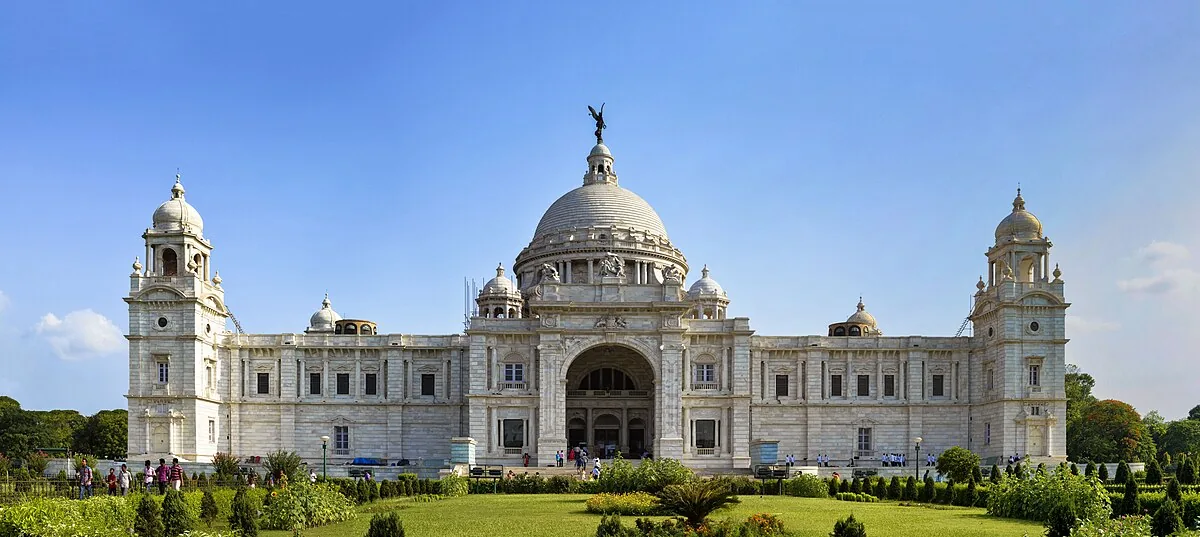
Victoria Memorial in India
Kolkata’s skyline is dominated by a massive, bone-white marble ghost that feels more like London’s St. Paul’s than an Indian landmark. The Victoria Memorial is a gargantuan monument to the British Raj, sitting amidst sixty-four acres of manicured lawns and reflecting pools. The marble, the same Makrana used for the Taj Mahal, has a luminous quality that defies the city’s grey industrial haze. The space in the surrounding Maidan often carries the scent of horse manure and street-food smoke, but inside the memorial’s gates, the atmosphere shifts to one of Edwardian order and echoing stillness. It is a place of massive proportions, where the sound of the city is muffled by thick stone walls and wide, gravel paths.
Kolkata’s skyline is dominated by a massive, bone-white marble ghost that feels more like London’s St.
of Queen Victoria, 1901
Following the death of Queen Victoria in 1901, Lord Curzon, the Viceroy of India, envisioned a 'stately, spacious, monumental and grand' building that would serve as a museum to her memory and the history of the British Empire in India. He raised the funds through voluntary subscriptions from the Indian princes and the public. Designed by Sir William Emerson, the building is a curious hybrid of Italian Renaissance and Mughal architectural elements, featuring a central dome and four smaller corner domes. Construction took fifteen years, concluding in 1921, by which time the capital of British India had already moved to Delhi. It remains the largest monument to a monarch anywhere in the world, a colossal piece of stone propaganda that outlasted the empire it was meant to celebrate.
Commissioned by Queen Victoria
Walking up the long driveway, The sheer verticality of the building as the Angel of Victory, perched atop the dome, seems to spin in the wind. First, the bronze statue of a seated Queen Victoria guarding the entrance, her expression one of permanent, imperial sternness. Inside the Royal Gallery, the light is dim and the air is cool, highlighting massive oil paintings of the Queen’s life and the triumphs of the Raj. A hint of the vibration of your own footsteps on the marble floors passing under the central dome, where the whispers of other visitors are amplified by the acoustics. The Calcutta Gallery offers a more nuanced experience, using photographs and documents to trace the city's evolution from a swampy trading post to a vibrant, revolutionary metropolis.
The memorial is the focal point of central Kolkata, located at the southern end of the Maidan. It is easily reached by the city’s iconic yellow Ambassador taxis or the Kolkata Metro, get off at Maidan or Rabindra Sadan stations. The walk from the metro through the park is an essential part of the experience, passing cricketers, lovers, and snack vendors. Security is tight at the gates, so expect a brief wait. The grounds are open from dawn, but the galleries open at 10:00 AM. Many locals prefer to visit at dusk when the building is illuminated by floodlights, turning the white marble into a glowing beacon against the dark Kolkata sky.
The memorial is the focal point of central Kolkata, located at the southern end of the Maidan.
The Experience
The sound of Kolkata’s traffic is a distant, rhythmic hum when you are standing by the memorial’s central lake. The smell of wet grass and the cool breeze that comes off the water, a rare respite in the city’s humid climate. Inside, the scale of the portraits makes you feel small, an intentional effect of colonial design. You come across a smooth, cold texture of the marble balustrades and notice the intricate carvings of lions and unicorns. The most evocative moment is at sunset, when the white stone catches the pinks and oranges of the sky, and the building looks like a beautifully preserved relic from a different century, floating on a sea of green.
Why It Matters
Victoria Memorial is the definitive symbol of Kolkata and the most significant architectural remnant of British India. It houses one of the finest collections of European oil paintings and historical artifacts in the country. Culturally, it serves as the 'living room' of the city, where people from all walks of life gather in the shadow of imperial history to play, talk, and rest.
Why Visit
The sheer architectural audacity. It is a chance to see what happens when Victorian grandiosity is unleashed without budget constraints. The contrast between the imperial artifacts inside and the vibrant, modern Indian life in the park outside provides a profound perspective on how much the country has changed since the stones were first laid.
✦ Insider Tips
- 1
The 'Sound and Light' show in the evening is a bit dated but provides a great narrative history of the city under the stars.
- 2
Check the weather and visit on a windy day to see the 'Angel of Victory' atop the dome actually rotate on its base.
- 3
The Calcutta Gallery on the first floor is the most interesting section for those who want to understand the city's complex, rebellious soul.
- 4
Look for the statue of Lord Curzon outside; it was moved to a less prominent position after independence but remains a vital piece of the story.
- 5
Buy the 'garden only' ticket if you just want to take photos and enjoy the atmosphere; the interior galleries can be very crowded on weekends.