Seventy-four thousand years ago, this tranquil blue basin was the site of a volcanic eruption so powerful it triggered a global ice age and nearly erased humanity from the map.
About Lake Toba
The Toba catastrophe remains the largest explosive eruption on Earth in the last two million years, ejecting nearly 3,000 cubic kilometers of rock into the atmosphere. In the wake of this destruction, Samosir Island emerged as a 'resurgent dome,' pushed upward by the pressure of regenerating magma beneath the lake. Century after century, the Batak Toba people lived in isolation within this natural fortress, governed by a strict patrilineal system and a rich oral tradition. Their first major contact with the outside world occurred in the 1860s when German missionary Ludwig Nommensen arrived, eventually converting the population to Christianity while preserving much of their unique architecture and music. This fusion of old-world animism and European faith defines the region's modern identity.
What Lake Toba actually is
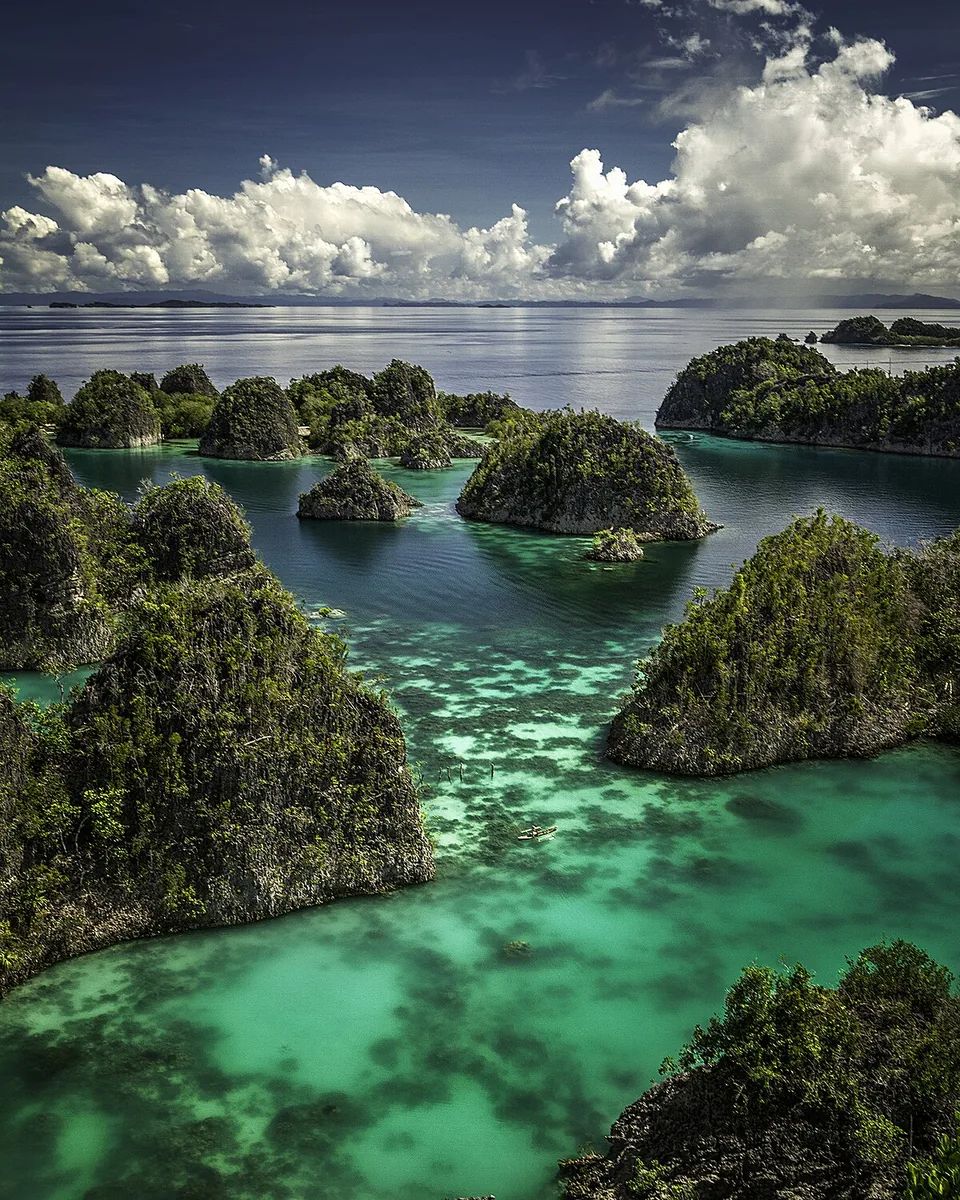
Deep in the rugged highlands of North Sumatra, the earth once exhaled with such violence that it altered the course of human evolution, leaving behind a caldera so vast it possesses its own weather systems. Lake Toba remains a geological titan, a sapphire expanse of water cradled by emerald cliffs that plunge vertically into depths exceeding 500 meters. Samosir Island sits at its center, a landmass the size of Singapore that rose from the lake floor as the magma chamber refilled. The space here is thin and cool, a sharp relief from the sweltering lowlands of Medan. Pine trees cling to the ridges and the scent of woodsmoke from Batak villages drifts across the water, creating an atmosphere that feels more like the Swiss Alps than the tropics. This is a place defined by stillness, where the sheer scale of the landscape humbles every visitor.
“Lake Toba remains a geological titan, a sapphire expanse of water cradled by emerald cliffs that plunge vertically into depths exceeding 500 meters.”
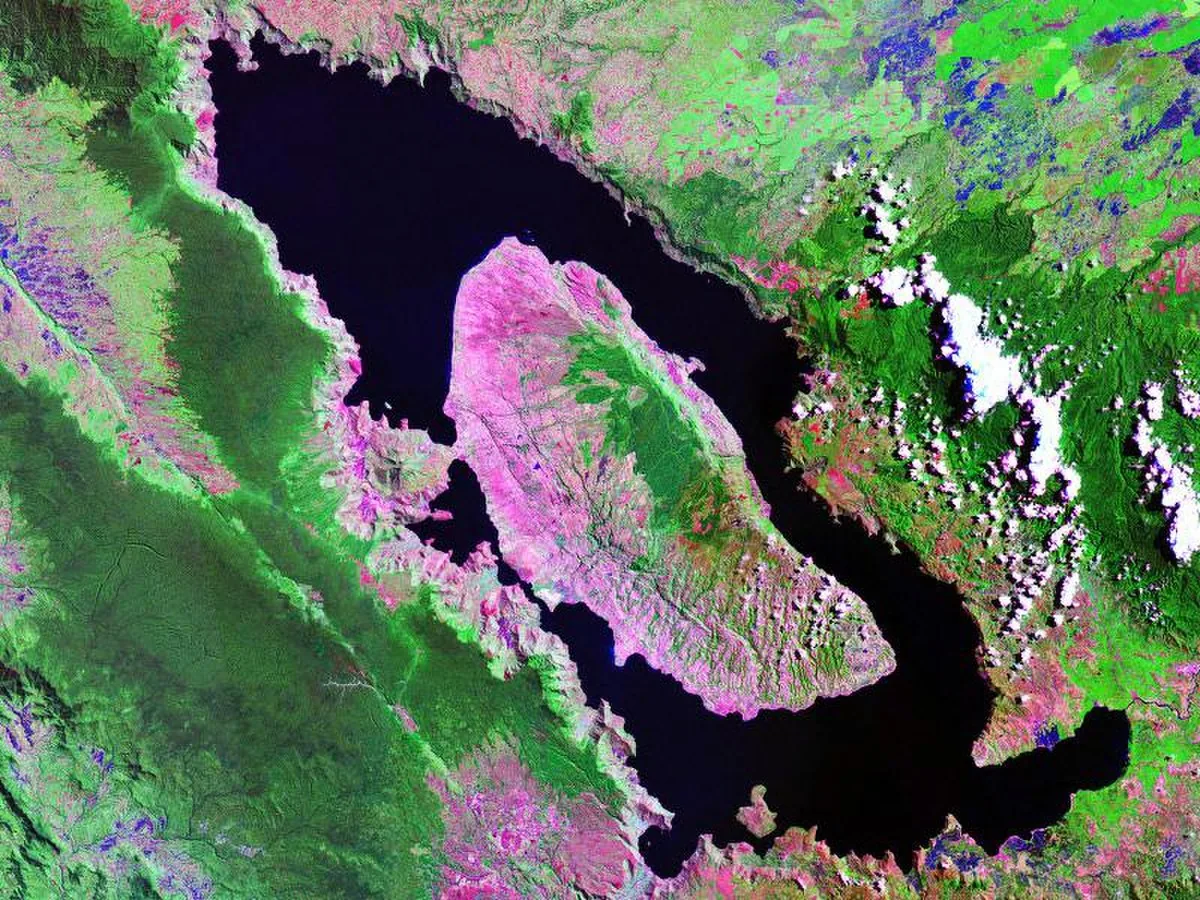
Lake Toba, Indonesia
Approximately 74,000 years ago, the Toba supervolcano erupted in a cataclysmic event that plummeted the planet into a decade-long volcanic winter. Scientific theories suggest this explosion created a genetic bottleneck, nearly wiping out the early human population. Over the millennia, the crater filled with rainwater, and the Batak people made these shores their home. They developed a fierce and sophisticated culture, building communal longhouses with soaring, saddle-shaped roofs designed to resemble the horns of a water buffalo. Dutch missionaries and explorers didn't successfully penetrate these highlands until the late 19th century, leaving the Batak traditions largely intact. Today, the Christian cathedrals that dot the shoreline stand alongside ancient stone chairs where tribal elders once sat to deliver life-or-death judgments, weaving a complex web of belief and history.
Waking up in a guesthouse on the edge of Samosir involves watching the mist peel off the lake surface in slow, ghostly ribbons. A trace of the grit of volcanic sand under your feet walking toward the water for a morning swim in the surprisingly warm, mineral-rich depths. Audible here of a distant church bell often competes with the rhythmic thrum of a passenger ferry crossing from Parapat. Exploring the island on a scooter reveals steep mountain passes where the temperature drops suddenly and the road is lined with coffee bushes and clove trees drying in the sun. First, the vibrant 'ulos' textiles hanging from porch railings, their intricate weaves telling stories of lineage and status. As evening falls, the local 'lapos' or palm wine taverns come alive with the sound of acoustic guitars and the powerful, operatic voices of Batak men singing folk songs that echo across the darkened water.
Reaching this highland sanctuary requires
Reaching this highland sanctuary requires a journey of endurance, typically starting with a flight into Kualanamu International Airport in Medan. From there, a four to five-hour drive through winding plantation roads leads to the lakeside town of Parapat. Travelers often opt for shared taxis or private cars to navigate the steep hairpin turns of the 'Tele' mountain road, which offers the first dramatic reveal of the caldera from above. A wooden ferry is the final link, chugging across the water from Parapat to the village of Tuk Tuk on Samosir Island. For those looking for a faster route, the small Silangit Airport near the southern shore now accepts direct flights from Jakarta, cutting the overland travel time to just under an hour.
“Reaching this highland sanctuary requires a journey of endurance, typically starting with a flight into Kualanamu International Airport in Medan.”
The Experience
The water of Lake Toba is deceptively still, hiding depths that could swallow skyscrapers whole. A strange sense of weightlessness as you float in the center of a volcano, looking up at the high, serrated ridges of the caldera wall. Light here has a peculiar clarity, especially during the 'golden hour' when the rice paddies on Samosir glow with an almost neon intensity. You might find yourself the only guest at a stone megalith site, touching the cold volcanic rock while a local buffalo wanders past. The highlight for many is the soundscape; unlike the urban roar of Java, the nights here are filled with the harmony of cicadas and the distant, soulful strumming of a Batak guitar. It is a rare destination that encourages you to slow your heartbeat to match the pace of the water.
Why It Matters
Lake Toba is a geological monument of global importance, serving as a primary case study for supervolcanic activity and climate change. Culturally, it is the ancestral heartland of the Batak people, whose unique architecture and egalitarian social structures offer a window into a pre-colonial Indonesia that resisted outside influence for centuries. It represents a rare intersection where terrifying natural power has transitioned into a landscape of profound peace.
Why Visit
Skip the crowded beaches of the south for a place that offers true spiritual and physical space. Lake Toba gives you the chance to stand inside the mouth of a supervolcano and feel entirely safe. It is a destination for the thinker and the wanderer, providing a climate that invites long walks and deep conversations rather than just a tan.
Insider Tips
- 1
Rent a scooter to ride the 'Tele' bypass road for a panoramic view that captures the entire 100-kilometer length of the lake in a single frame.
- 2
Try 'Ikan Mas Na Niura,' a traditional Batak dish of raw carp cured in lime and jungle spices, which was historically reserved only for royalty.
- 3
Stop at the Huta Bolon Simanindo Museum at 10:30 AM to witness the traditional Tor-Tor dance, which is performed with genuine ritualistic precision rather than just for show.
- 4
Pack a light fleece or sweater; while the rest of Indonesia swelters, the temperature on Samosir often drops to 15 degrees Celsius once the sun sets.
- 5
Buy your 'ulos' textiles directly from the weavers in the northern villages of Samosir to ensure your money supports the local craft instead of a middleman.