While massive steel tankers dominate the world’s oceans, a two-kilometer line of hand-carved wooden schooners still hauls the literal building blocks of the Indonesian nation through this ancient harbor.
About Sunda Kelapa Port
The harbor was already a thriving spice hub when the Portuguese first dropped anchor in the early 1500s, seeking a foothold in the lucrative pepper trade. By 1619, the Dutch had transformed the mudflats into a fortified canal city, making Sunda Kelapa the nerve center of the global spice monopoly for nearly three centuries. Even after the advent of steamships rendered the shallow docks obsolete for European vessels, the indigenous Bugis and Makassarese sailors maintained their presence. They adapted their ancient boat-building techniques to include engines, ensuring the port remained a vital link for the thousands of smaller islands that larger ships simply cannot reach. Today, the port survives as a rare anomaly where medieval maritime traditions profitably coexist with the demands of a 21st-century economy.
About Sunda Kelapa Port
Jakarta often feels like a city sprinting toward a neon-lit future, but at the edge of the Ciliwung River, time has snagged on the splintered wood of the pinisi schooners. Sunda Kelapa Port remains a functioning fragment of the 12th century, a place where the maritime silk road never ended. A line of magnificent, double-masted sailing ships stretches for nearly two kilometers along the concrete wharf, their high prows painted in defiant primary colors. These vessels are not museum pieces; they are the heavy lifters of the Indonesian archipelago, carrying timber, cement, and spices across the Java Sea. The surroundings here is a thick cocktail of diesel fumes, salt water, and the sweet, earthy scent of kretek cigarettes smoked by the dockworkers who balance on narrow gangplanks with impossible grace.
“Jakarta often feels like a city sprinting toward a neon-lit future, but at the edge of the Ciliwung River, time has snagged on the splintered wood of the pinisi schooners.”
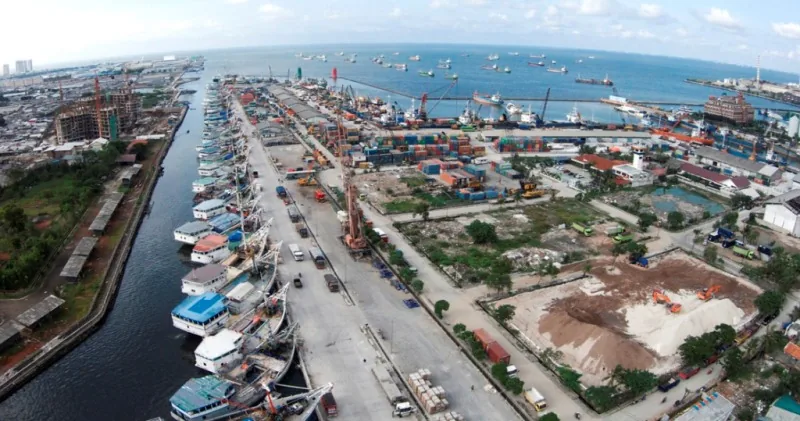
Sunda Kelapa Port, Indonesia
Long before the Dutch gave this city
Long before the Dutch gave this city the name Batavia, the Hindu Kingdom of Pajajaran used this silt-rich estuary to trade pepper with the world. Portuguese explorers arrived in 1522 to ink a treaty, enticed by the wealth of the hinterlands, only for the port to be seized by Fatahillah of the Demak Sultanate shortly after. This victory renamed the area Jayakarta, or 'Great Victory.' When the Dutch East India Company eventually took control in the 1600s, they built their maritime empire around these very docks, constructing the stone warehouses that now house the Maritime Museum nearby. While modern shipping moved to the deep-water terminal at Tanjung Priok in the late 19th century, the traditional Bugis sailors from Sulawesi refused to abandon the old harbor. They kept the pinisi tradition alive, transitioning from sail to motor while retaining the hand-carved hulls that have remained largely unchanged for five hundred years.
Walking the wharf at midday feels like stepping into a gritty, living painting where the sun reflects harshly off the murky water. Opening with the sheer verticality of the ships, their hulls rising like wooden cliffs above the pier. Men in bright sarongs or grease-stained trousers trot up and down impossibly thin wooden planks, carrying sacks of flour or crates of glass on their shoulders. The noise is a frantic blend of creaking timber, the rhythmic thud of cargo hitting the deck, and the shouting of captains from the high bridges. You might find a sailor willing to let you climb the steep wooden ladder to the deck, where the view reveals a forest of masts silhouetted against the Jakarta skyline. In these moments, the gleaming skyscrapers of the financial district look like a distant mirage compared to the heavy, tactile reality of the wooden ship beneath your feet.
Accessing the port requires navigating
Accessing the port requires navigating the northern reaches of the city, an area where the roads are often crowded with heavy trucks. Most people take a taxi or a ride-hailing service to the entrance of the Port of Sunda Kelapa, which sits just north of the historic Fatahillah Square in Old Batavia. If you are already exploring the colonial center, a short ride in a colorful 'bajaj' motorized rickshaw offers a breezy, albeit bumpy, transition to the docks. Inside the gate requires a small per-person fee, after which you are free to wander the length of the wharf. The most evocative way to arrive is by walking from the Maritime Museum, crossing the old drawbridge that still spans the canal.
“Accessing the port requires navigating the northern reaches of the city, an area where the roads are often crowded with heavy trucks.”
The Experience
The smell of the sea here is complicated, layered with the scent of tropical rot and fresh-sawn lumber. The heat radiating from the concrete, but as you walk into the shadow of a massive hull, the temperature drops and the air turns cool and damp. The majority overlook the small outrigger canoes darting between the giants, ferrymen who will take you across the canal for a few thousand rupiah. The intricate carvings on the rudders, small flourishes of artistry on vessels built for brutal labor. The most striking moment occurs when the afternoon call to prayer rings out from the nearby mosques; the frantic loading stops for a heartbeat, and the sailors pause on the decks, framed by the skeletal masts and the hazy sun. It is a place of constant motion that somehow feels entirely still.
Why It Matters
Sunda Kelapa is the birthplace of Jakarta, the literal ground zero from which one of the world’s largest megacities grew. It is a living monument to the Bugis people’s seafaring genius and a stubborn refusal to let industrialization erase traditional craftsmanship. This isn't a sanitized heritage site; it is a vital, working lung of the archipelago that proves ancient methods still have a place in the modern world.
Why Visit
Forget the sterile malls and the congested highways of central Jakarta; come here to see the city's calloused hands. Sunda Kelapa offers a visceral connection to the age of exploration that you can actually touch and smell. It provides a photographic and sensory intensity that no other corner of the capital can match, serving as a reminder that the ocean still dictates the rhythm of life in this island nation.
Insider Tips
- 1
Negotiate a small fee with a local boatman to take you out into the middle of the basin for a perspective of the ships that the wharf-side walk cannot offer.
- 2
Watch your footing near the edge of the piers, as there are no railings and the concrete can be slick with oil and sea moss.
- 3
Offer a polite 'Permisi' and a smile to the dockworkers; most are happy to let you take photos if you acknowledge their workspace with respect.
- 4
Combine your visit with the nearby Museum Bahari, housed in 17th-century spice warehouses, to see the original Dutch fortifications that protected the harbor.